Okay, rewind your mind. Picture this: it's the late 90s. The video store shelves are a glorious clutter of fading action heroes, slasher sequels, and maybe, just maybe, tucked away in the comedy or cult section, you spot a familiar, mischievous name: John Waters. But the cover for Pecker (1998) looks... surprisingly cheerful? Compared to the grainy, confrontational vibes of his earlier work, this felt different. Landing with a surprisingly gentle thud (and a PG-13 rating, no less!), Pecker might just be the most endearingly sweet film the Pope of Trash ever gave us.

Baltimore Charm Offensive
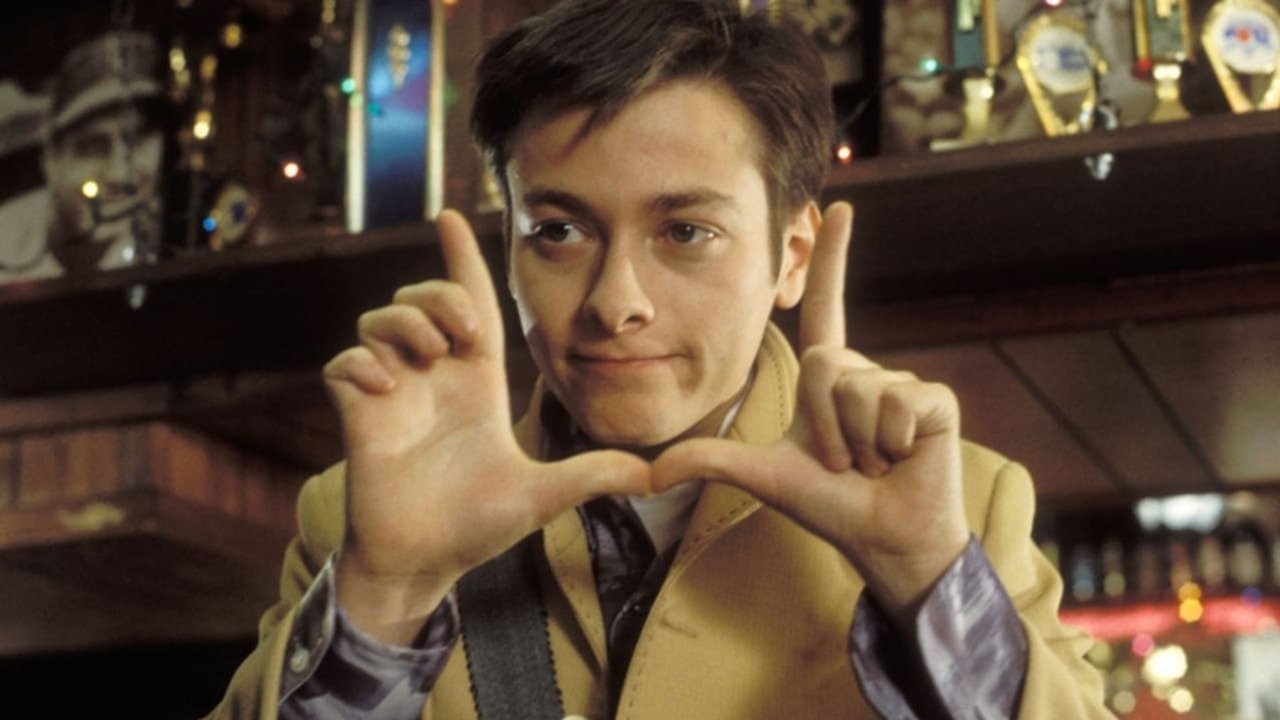
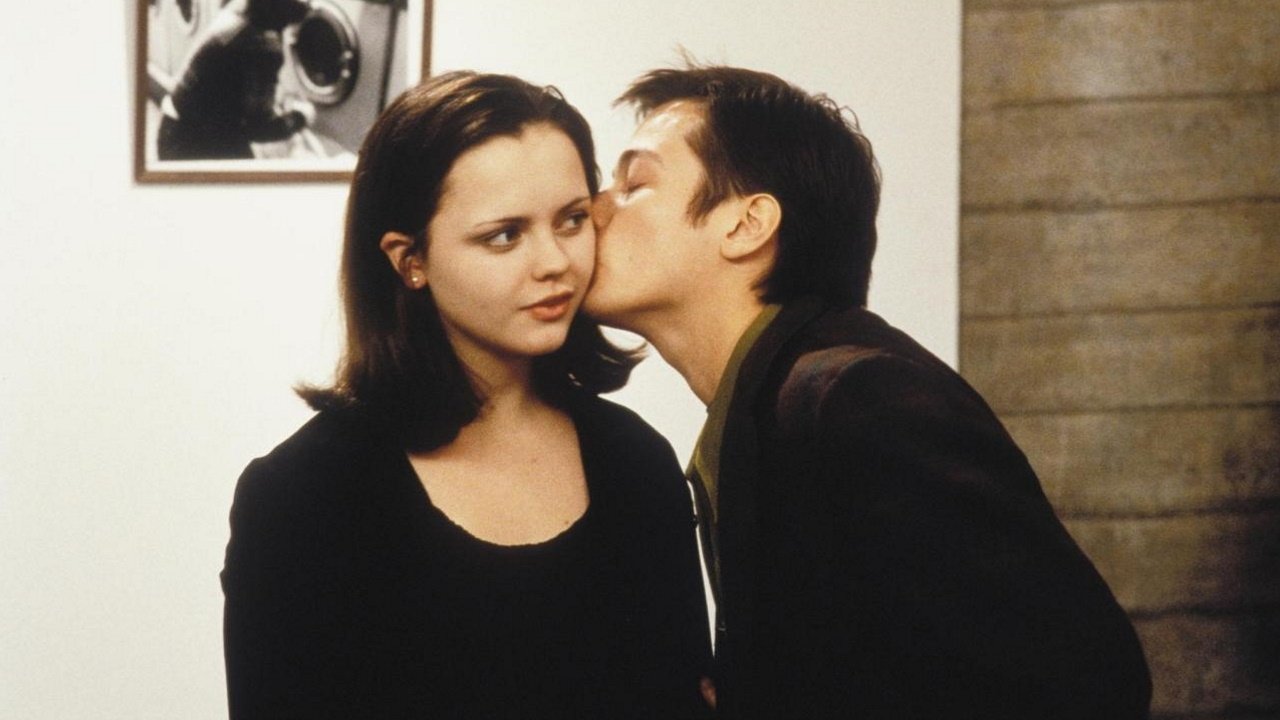
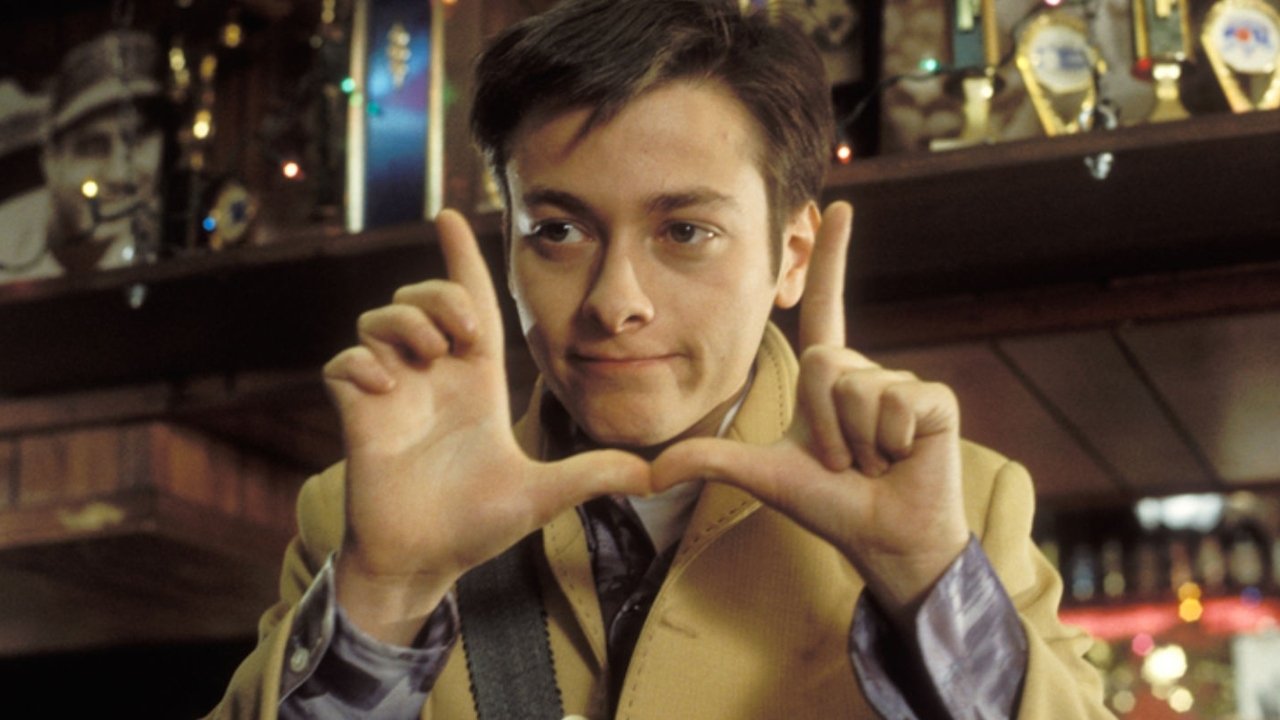
Forget gritty realism, John Waters deals in his realism – the gloriously weird, working-class wonderland of Baltimore, Maryland. Pecker is practically a love letter to the Hampden neighbourhood, filmed entirely on location, breathing the same air as the wonderfully oddball characters it portrays. Our hero is the titular Pecker (a fresh-faced Edward Furlong, navigating that tricky post-Terminator 2 landscape), a relentlessly optimistic kid working in a sandwich shop who just loves taking pictures. Not fancy art photos, mind you, but candid snaps of his gloriously eccentric family and friends: his thrift-store owning mother (the wonderful Mary Kay Place), his sugar-addicted sister Little Chrissy (Lauren Hulsey), his tough-but-tender girlfriend Shelley (Christina Ricci, perfectly cast as the laundromat queen), and his Memama (Jean Schertler), who runs a pit beef stand and believes Mary talks to her through a statue in the front yard.
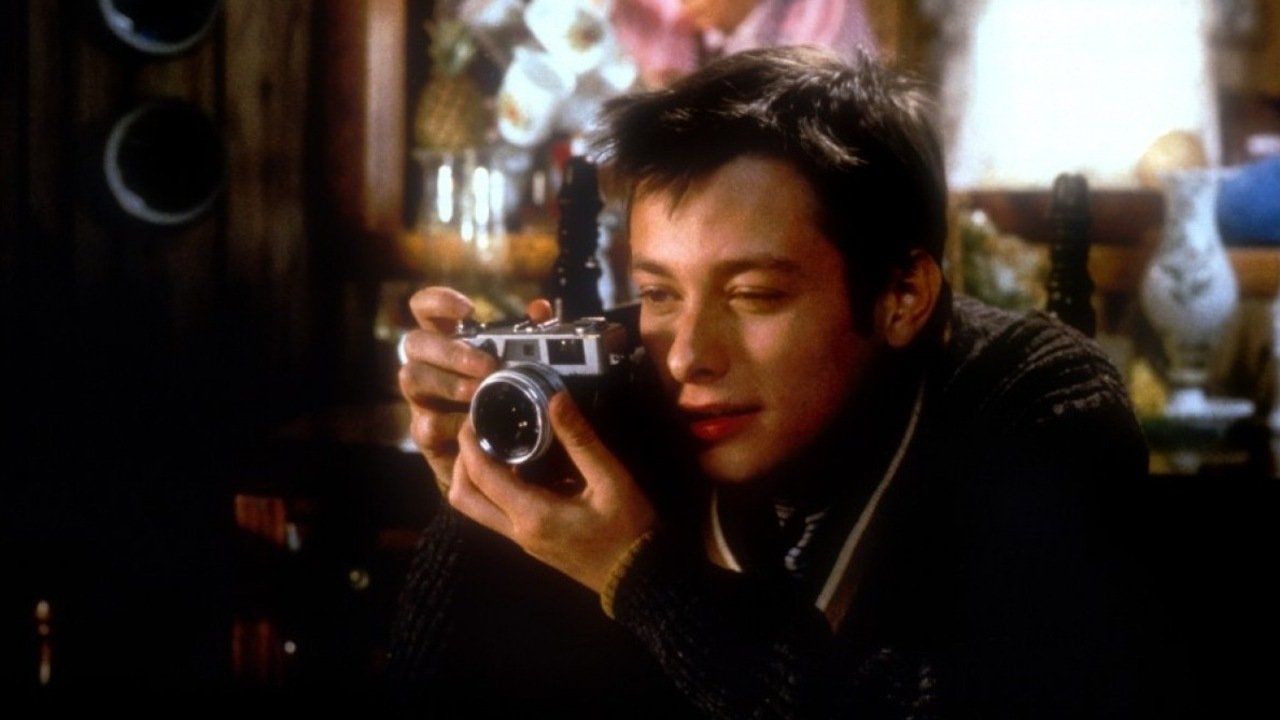
Pecker's cheap camera captures the beautiful absurdity of his everyday life – the regulars at the lesbian strip bar, the neighbourhood thieves, the sheer texture of Hampden. This isn't poverty porn; it's a celebration of genuine characters living unapologetically. Waters famously took many of the deliberately amateurish photos seen in the film himself, capturing that specific, unpolished aesthetic that becomes central to the plot.
When Hampden Meets SoHo
The film kicks into gear when a savvy New York art dealer, Rorey Wheeler (a perfectly cast Lili Taylor), stumbles upon Pecker's photos during a visit. Suddenly, our Baltimore boy wonder is whisked into the pretentious, high-falutin' world of the NYC art scene. His raw, unfiltered photos are hailed as genius, the "real" America captured by an innocent eye. And this is where Waters' gentle satire really clicks. The contrast between the down-to-earth, often crude, but fundamentally decent folks back home and the vacuous, trend-chasing New York art snobs is hilarious and pointed.
Remember how jarring those early digital cameras felt? Pecker captures that cusp-of-the-millennium moment perfectly through its protagonist’s simple analog approach. His photos, often blurry or poorly composed by traditional standards, feel real in a way that slicker productions sometimes miss. It’s the charm of imperfection, something Waters understands better than almost anyone. The humour isn't mean-spirited; Waters clearly loves his Baltimore characters, warts and all. The art world gets ribbed, sure, but it's more playful than vicious, a far cry from the director who once proudly declared, "To me, bad taste is what entertainment is all about." Here, the taste is quirky, maybe a little kitschy, but definitely not bad.
Waters-Lite, But Still Full of Flavour
Was Pecker a box office smash? Not exactly. Made for around $6 million, it didn't set the world on fire financially, and critics were divided. Some longtime Waters fans felt it lacked the dangerous edge of Pink Flamingos (1972) or Female Trouble (1974). And yes, compared to Divine consuming canine excrement, Pecker photographing his girlfriend doing laundry feels positively wholesome. Yet, viewing it now, especially through the warm, fuzzy lens of VHS nostalgia, reveals a film brimming with charm and subtle wit. Furlong brings a wide-eyed innocence that works perfectly, and Ricci continues her reign as the queen of deadpan cool, fresh off her turn in Buffalo '66 (1998). The supporting cast, including familiar Waters faces like Mink Stole and a hilarious Martha Plimpton as Pecker's cynical older sister, are uniformly excellent. And yes, keep an eye out for Waters’ obligatory cameo early on – blink and you might miss him!
The film explores, in its own unique way, themes of exploitation, authenticity, and the often-absurd definition of "art." What happens when your life, and the lives of those you love, become trendy commodities? Pecker's overnight fame strains his relationships and threatens the very community spirit he cherishes. It’s a surprisingly thoughtful core wrapped in Waters’ signature eccentricity.
***
Rating: 7/10
Justification: Pecker isn't peak transgression John Waters, but it's a genuinely funny, warm, and charmingly satirical look at the collision between outsider art and the mainstream. Its celebration of Baltimore eccentricity is infectious, the performances are delightful (especially Furlong and Ricci), and its commentary on the art world remains surprisingly relevant. It loses points perhaps for lacking the true anarchic bite of Waters' earlier classics, feeling almost... nice. But for a late-90s indie gem discovered on a dusty video store shelf, it offers a uniquely sweet flavour of weird.
Final Take: Forget pristine digital – Pecker's slightly scuffed, endearingly amateur aesthetic feels right at home on a well-loved VHS tape, a quirky snapshot of a specific time and a specific kind of wonderful weirdness that still brings a smile.