There's a certain kind of film that hits you not with polished spectacle, but with the raw, unfiltered energy of life captured on the fly. It feels less like watching a movie and more like being thrust into the middle of someone else's desperate scramble, the camera struggling to keep up. Pizza, Beer, and Cigarettes (original title: Pizza, birra, faso), the explosive 1998 debut from Argentinian directors Bruno Stagnaro and Adrián Caetano, is precisely that kind of jolt – a film that arrived like a flare illuminating a vibrant, gritty new wave in Latin American cinema. Forget slick Hollywood productions; this felt like something vital, immediate, and maybe even a little dangerous, the kind of tape you might have discovered tucked away in the 'World Cinema' section of a particularly adventurous video store.

Buenos Aires, Unfiltered
The film throws us headfirst into the lives of Cordobés (Héctor Anglada), Pablo (Jorge Sesán), Frula (Walter Díaz), and Megabóm (Alejandro Pous), a quartet of young petty thieves drifting through a Buenos Aires far removed from tango tourists and postcards. Their existence is a cycle of listless hanging out, punctuated by clumsy robberies yielding just enough cash for the titular essentials: pizza, beer, and smokes ("faso" being local slang for cigarettes, often with a cannabis connotation). When a job for a shady taxi driver goes wrong, leaving them indebted and marked, their casual desperation sharpens into a frantic need for a bigger score. The plot isn't revolutionary, but the way it unfolds – with a restless, almost documentary-like immediacy – is what grabs you.
The Birth of a Movement

Pizza, birra, faso wasn't just a movie; it was a statement. Shot guerrilla-style on grainy 16mm film for a rumoured shoestring budget (somewhere in the realm of $200,000-$300,000 USD – peanuts even then), it became the unlikely poster child for the burgeoning "New Argentine Cinema" (Nuevo Cine Argentino). This movement reacted against the perceived stagnation and artificiality of mainstream Argentine film, favouring gritty realism, contemporary social issues, urban settings, and often casting non-professional actors to achieve maximum authenticity. You feel the low budget not as a limitation, but as an aesthetic choice – the handheld camera work isn't just shaky, it's nervous, mirroring the characters' precarious existence. Against all odds, the film struck a chord with local audiences weary of economic instability, becoming a surprise box office success and cultural touchstone in Argentina. It proved that raw energy and truthfulness could resonate just as powerfully, if not more so, than expensive gloss.
Faces in the Crowd
The performances are key to the film's power. Héctor Anglada as Cordobés, the nominal leader, possesses a magnetic blend of youthful swagger and underlying vulnerability. There's a weariness in his eyes that belies his age, a sense that the fast life is already catching up. Jorge Sesán's Pablo is perhaps more outwardly volatile, his frustration simmering closer to the surface. Together, they create a believable dynamic of friendship forged in shared aimlessness and necessity. The tragedy of Héctor Anglada's own untimely death just a few years later in 2002 lends a haunting poignancy to his portrayal of a young man living on the edge. Supporting players, including Pamela Jordán as the weary girlfriend Sandra, feel less like actors and more like real people caught in the lens, contributing to the film's almost unnerving realism. What makes their work resonate isn't classical technique, but a raw, lived-in authenticity that feels startlingly genuine.
Capturing the Chaos
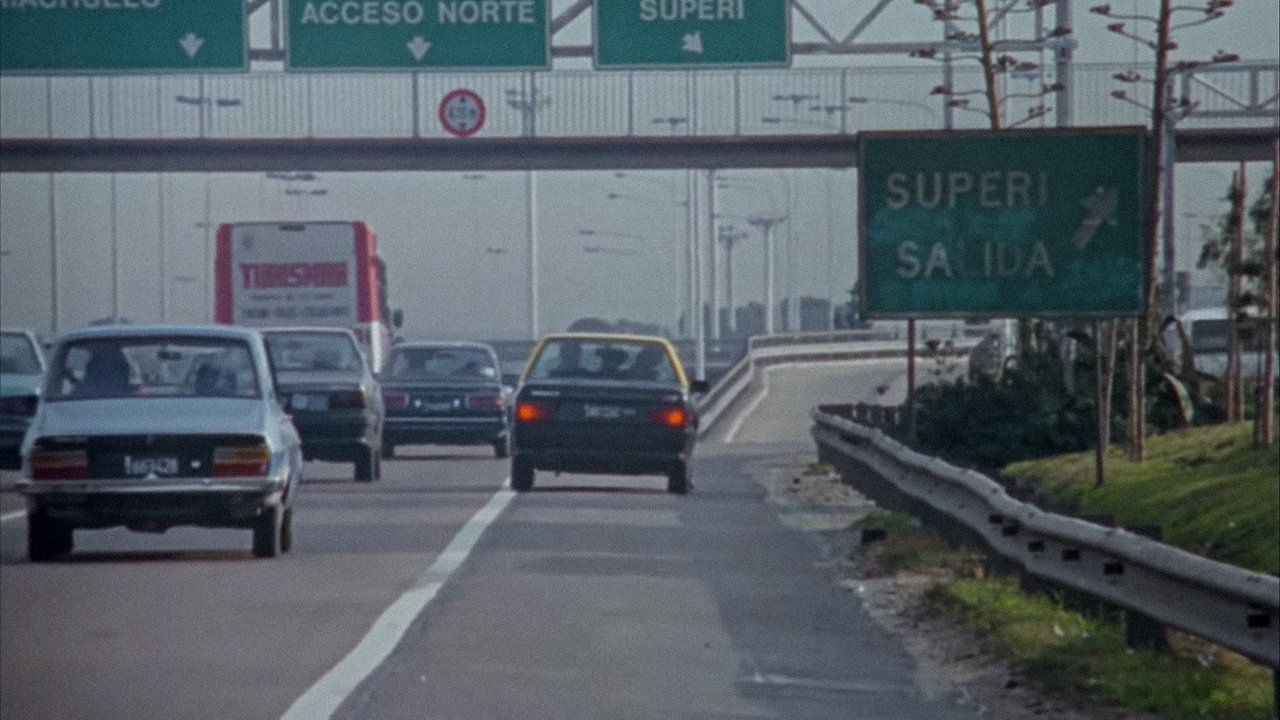
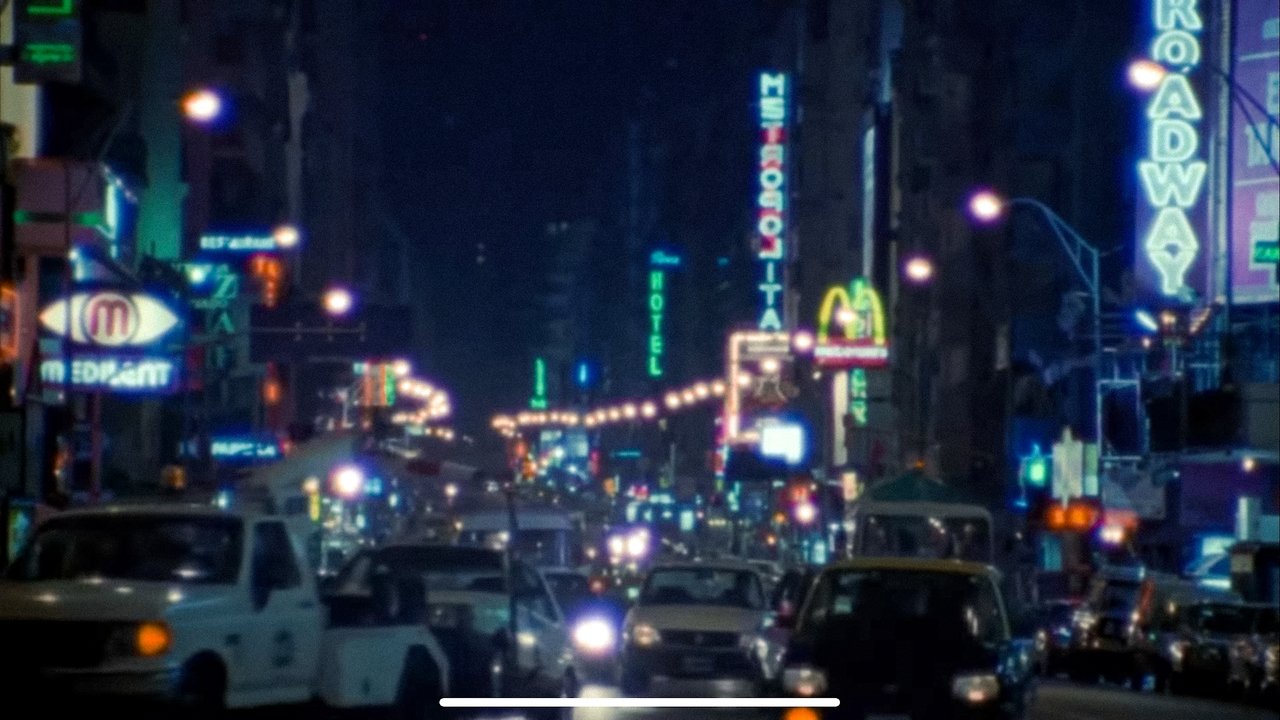
Stagnaro and Caetano, who also co-wrote the script, direct with a restless energy that perfectly matches their subject matter. The streets of Buenos Aires aren't romanticized; they are presented as a concrete labyrinth of cracked pavement, dimly lit corners, and fleeting opportunities. The editing is often sharp, kinetic, mirroring the impulsive decisions and sudden dangers the characters face. There's an undeniable kinship here with films like Scorsese's Mean Streets (1973) or even the restless energy of Trainspotting (1996), though Pizza, birra, faso possesses a distinctly Latin American flavour and a unique social context. It avoids easy moralizing, presenting its characters' choices as born from circumstance rather than inherent malice. Isn't that often the uncomfortable truth behind headlines about youth crime – a story of limited options and desperate measures?
A Taste That Lingers
Watching Pizza, Beer, and Cigarettes today, perhaps on a format far removed from the worn VHS tapes where international audiences might have first encountered it, its raw power remains undiminished. It's not always an easy watch – it's gritty, occasionally bleak, and its rough edges are part of its very fabric. But it’s undeniably alive. It captures a specific time and place – late 90s Argentina grappling with economic woes – yet its themes of youthful disillusionment, the search for belonging, and the corrosive effects of poverty feel depressingly universal. It’s a reminder that sometimes the most compelling cinema comes not from grand studios, but from the streets, armed with little more than a camera, a sharp eye, and something urgent to say. Finding a film like this back in the day felt like uncovering a secret, a transmission from another world that somehow felt intimately familiar.
Rating: 8/10
This score reflects the film's undeniable energy, its historical significance within Argentine cinema, and the raw authenticity of its performances and direction. While its low-budget roughness might deter some, it's precisely this lack of polish that gives Pizza, birra, faso its lasting power and impact. It’s a vital piece of filmmaking that feels as immediate and relevant now as it did upon release.
What lingers most isn't just the grit or the desperation, but the fleeting moments of connection between these young men, adrift in a world that seems to offer them little more than cheap thrills and dead ends. It's a raw slice of life, served up without apology.