### The Man Who Wouldn't Touch Land
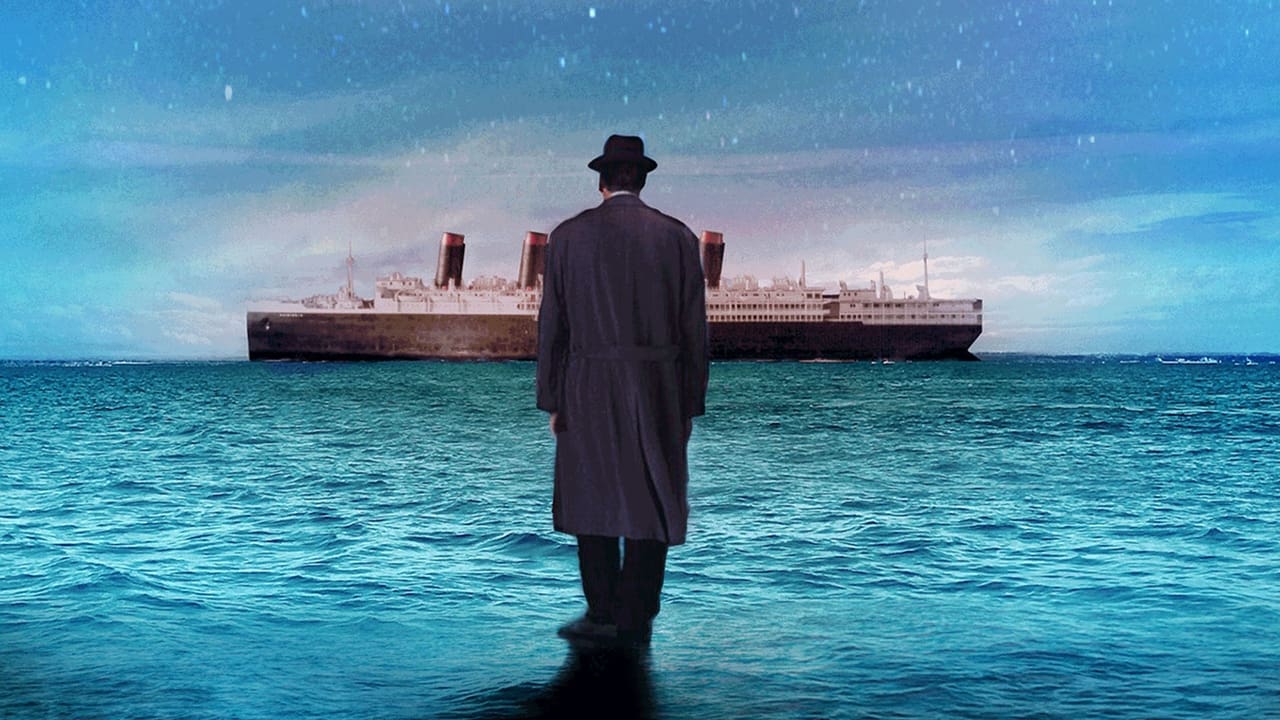
There’s a certain magic to discovering a film years after its release, perhaps tucked away on a video store shelf, its cover art hinting at something grand and maybe a little strange. Giuseppe Tornatore's The Legend of 1900 (1998), his English-language follow-up to the beloved Cinema Paradiso (1988), often felt like one of those discoveries. It didn't crash into the multiplexes with the same fanfare as its predecessor, especially in North America where it often circulated in edited versions, but finding it felt like unearthing a hidden piece of cinematic poetry, a fable spun on the high seas. It’s a film that lingers, less like a traditional narrative and more like a haunting melody played in an empty ballroom.
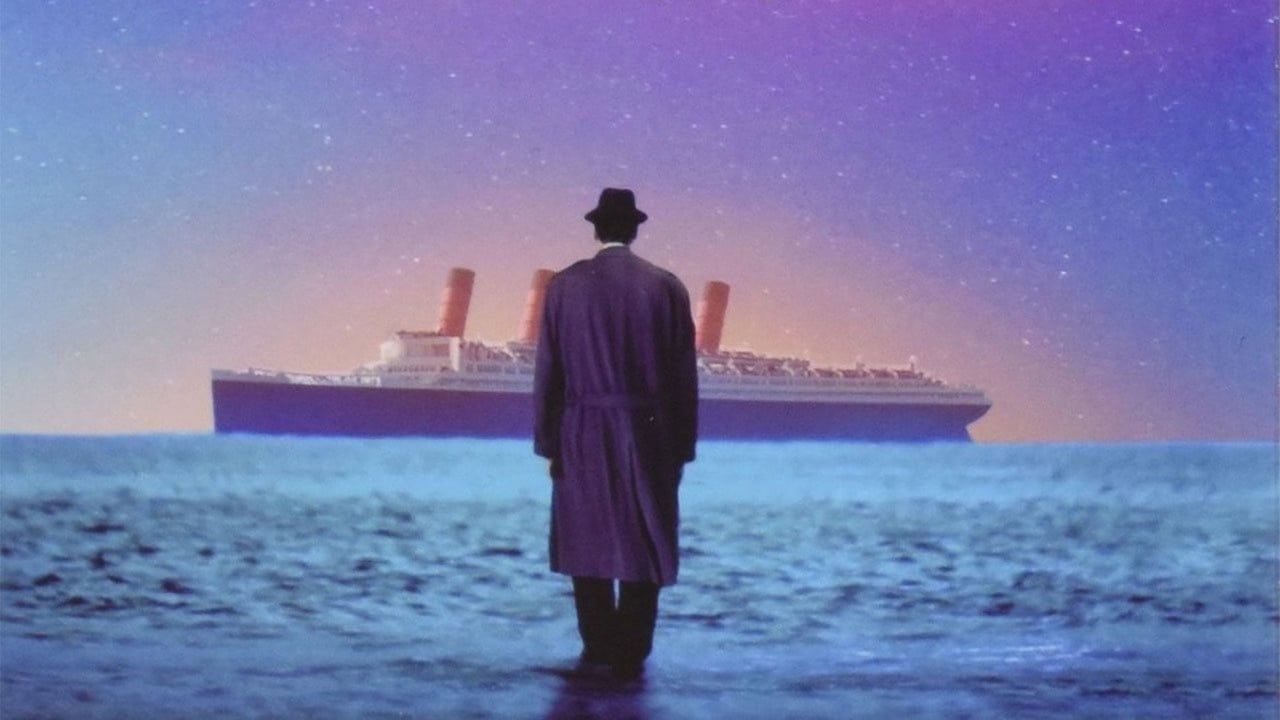
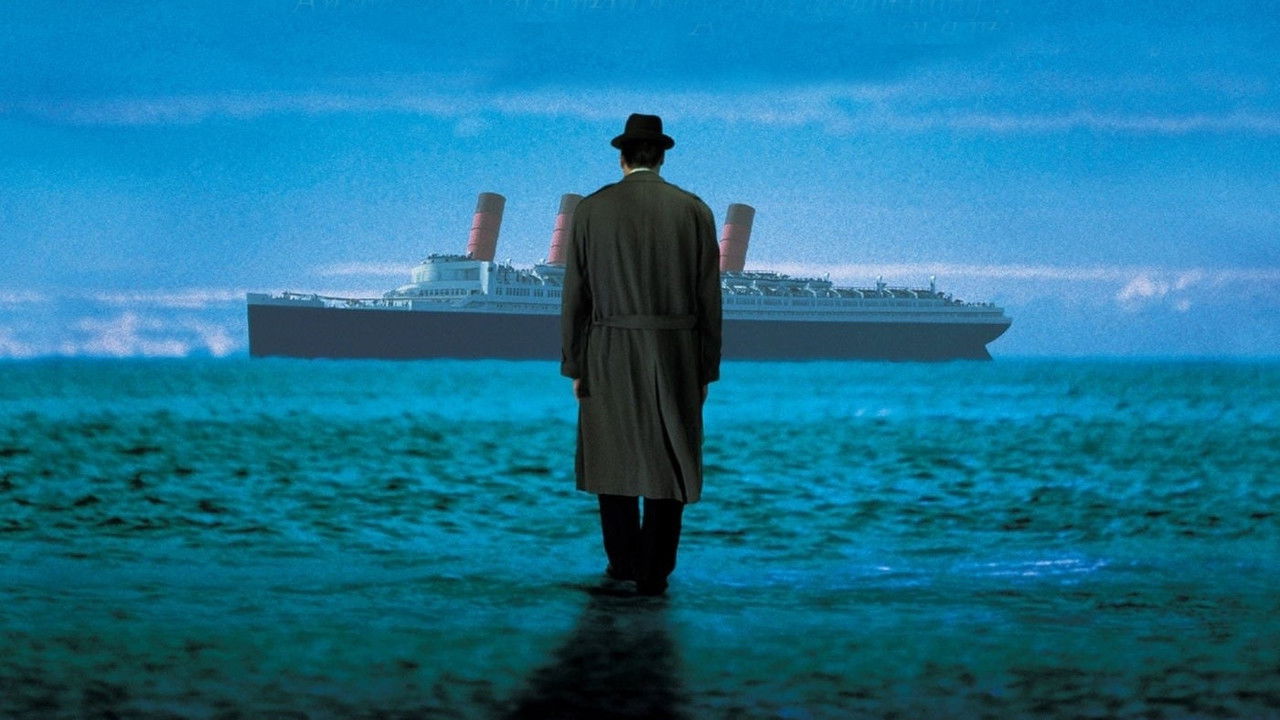
The premise itself feels like something out of folklore: an infant, abandoned on a luxury ocean liner, the SS Virginian, at the turn of the 20th century, is discovered and adopted by a coal worker. Named Danny Boodman T.D. Lemon 1900, or simply "1900", the boy grows up entirely on the ship, never once setting foot on solid ground. He develops an almost supernatural talent for the piano, becoming a legend among the passengers and crew, his music reflecting the transient world he inhabits. The story unfolds through the recollections of his closest friend, the trumpeter Max Tooney, played with heartfelt warmth by Pruitt Taylor Vince.
A World Contained
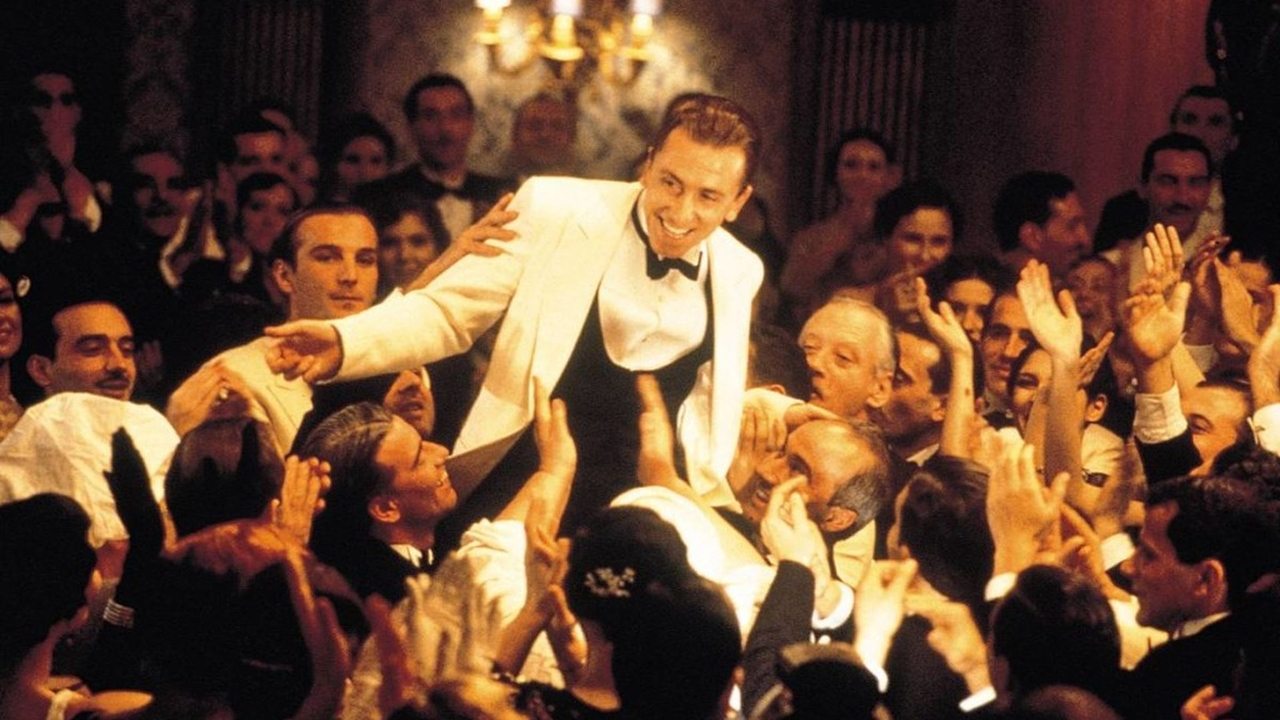
What immediately strikes you about The Legend of 1900 is its potent atmosphere. Tornatore, working from Alessandro Baricco's monologue "Novecento," creates a microcosm aboard the Virginian. It's a world unto itself – opulent yet isolated, teeming with life yet confined by the endless ocean. The production design beautifully captures the grandeur of the era's transatlantic voyages, but it's the feeling of containment that truly resonates. For 1900, the ship isn't a vessel traveling between destinations; it is the destination. It's his entire universe, the eighty-eight keys of his piano representing a finite, manageable world compared to the overwhelming boundlessness of the land he refuses to embrace. Doesn't this idea of choosing a smaller, known world over an infinite, potentially terrifying one strike a chord somewhere deep within us?
The Enigma at the Keys
At the heart of this floating world is Tim Roth's extraordinary performance as 1900. It’s a portrayal defined by stillness and observation. Roth conveys 1900’s genius not through flamboyant gestures, but through his eyes – sometimes wide with childlike wonder, sometimes distant and melancholic, always reflecting an soul detached from conventional human experience. He reportedly spent months learning piano fingerings to make his playing look authentic, and while the music itself is dubbed (brilliantly, by pianist Gilda Buttà for the classical/original pieces), Roth’s physical embodiment sells the illusion completely. He makes 1900 believable as a man who can translate the stories of unseen passengers into music, who can duel jazz legend Jelly Roll Morton (a fantastic cameo by Clarence Williams III) and emerge victorious through sheer intuitive brilliance, yet remains paralyzed by the thought of disembarking. What does it mean to possess such profound talent, yet be fundamentally disconnected from the very world that inspires it?
Morricone's Soulful Score
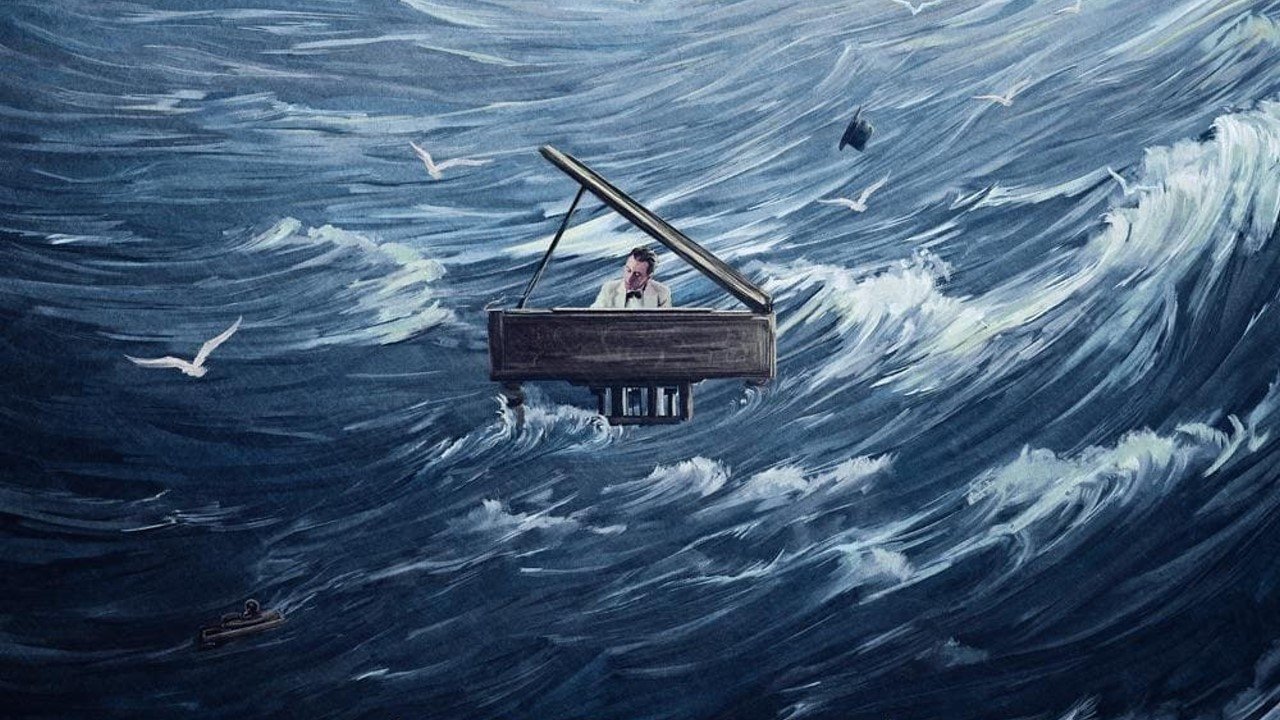
You cannot talk about The Legend of 1900 without talking about the music. The score by the legendary Ennio Morricone, a frequent Tornatore collaborator, isn't just accompaniment; it's the film's very soul. From the soaring main theme to the intimate piano solos and the explosive energy of the jazz duel, Morricone captures the full spectrum of 1900's inner life and the spirit of the age. The scene where 1900 plays the piano as it slides across the ballroom during a storm, with Max clinging on for dear life, is pure cinematic bliss, perfectly marrying image, performance, and music. It’s moments like these, etched in memory like a favorite song on a mixtape, that elevate the film beyond simple narrative. Morricone deservedly won a Golden Globe for his work here, a testament to its power.
A Tale Out of Time
Shot primarily at Cinecittà studios in Rome, recreating the Virginian with impressive detail, the film reportedly cost around $9 million – a modest sum by Hollywood standards but significant for an Italian production aiming for international scope. Tornatore’s direction is lyrical, sometimes bordering on sentimental, but it feels appropriate for the fable-like quality of the story. It's a film less concerned with plot mechanics than with capturing a feeling – a sense of wonder, loss, and the bittersweet nature of memory. The framing device, with Max recounting 1900’s story in a post-war music shop, adds another layer of nostalgia, a story being salvaged before it disappears entirely, much like an old recording or a fading photograph. It reminds me of those evenings spent watching a tape rented on a whim, discovering a story that felt both deeply personal and universally resonant.
There were different cuts, with the original Italian version running longer than the international release. Sometimes, those longer versions, harder to find back in the day unless you stumbled upon a specific import VHS or later a DVD, held extra nuances. But even in its more commonly seen forms, the film's core message about art, belonging, and the fear of the unknown shines through. It asks us to consider the limits we place on ourselves, the "ships" we choose not to leave.
Final Thoughts
The Legend of 1900 isn't a perfect film; some might find its pacing deliberate or its sentimentality a touch heavy. But its unique blend of myth, music, and melancholy creates an experience that stays with you. Tim Roth gives a career-highlight performance, embodying a character who is both otherworldly and deeply human in his fears. Ennio Morricone's score is simply transcendent, and Giuseppe Tornatore crafts a beautiful, if bittersweet, ode to a life lived outside the lines. It’s a film about the vastness of the world mirrored in the vastness of the soul, and the choices we make when faced with infinity.
Rating: 8/10 – This score reflects the film's exceptional artistry, particularly Roth's performance and Morricone's unforgettable score, and its success in creating a unique, resonant fable. While its pacing might test some viewers, its emotional depth and haunting atmosphere make it a standout piece of late-90s cinema well worth seeking out, a true gem discovered slightly off the beaten path.