The shadows of the Paris Opera House have concealed many secrets, but perhaps none quite as bewildering as the one conjured by Italian horror maestro Dario Argento in his 1998 take on The Phantom of the Opera. Forget the melancholic, disfigured genius hidden behind a mask. Argento, ever the iconoclast, rips the mask away – quite literally – and reimagines Gaston Leroux's tragic figure not as a scarred outcast, but as a telepathic feral child raised by rats beneath the city. Yes, you read that correctly. It's a choice so audacious, so bafflingly removed from the source, that it immediately signals this isn't your grandmother’s Phantom. It’s Argento’s Phantom, and that means diving headfirst into a bizarre, often beautiful, yet profoundly flawed spectacle.
A Different Kind of Darkness
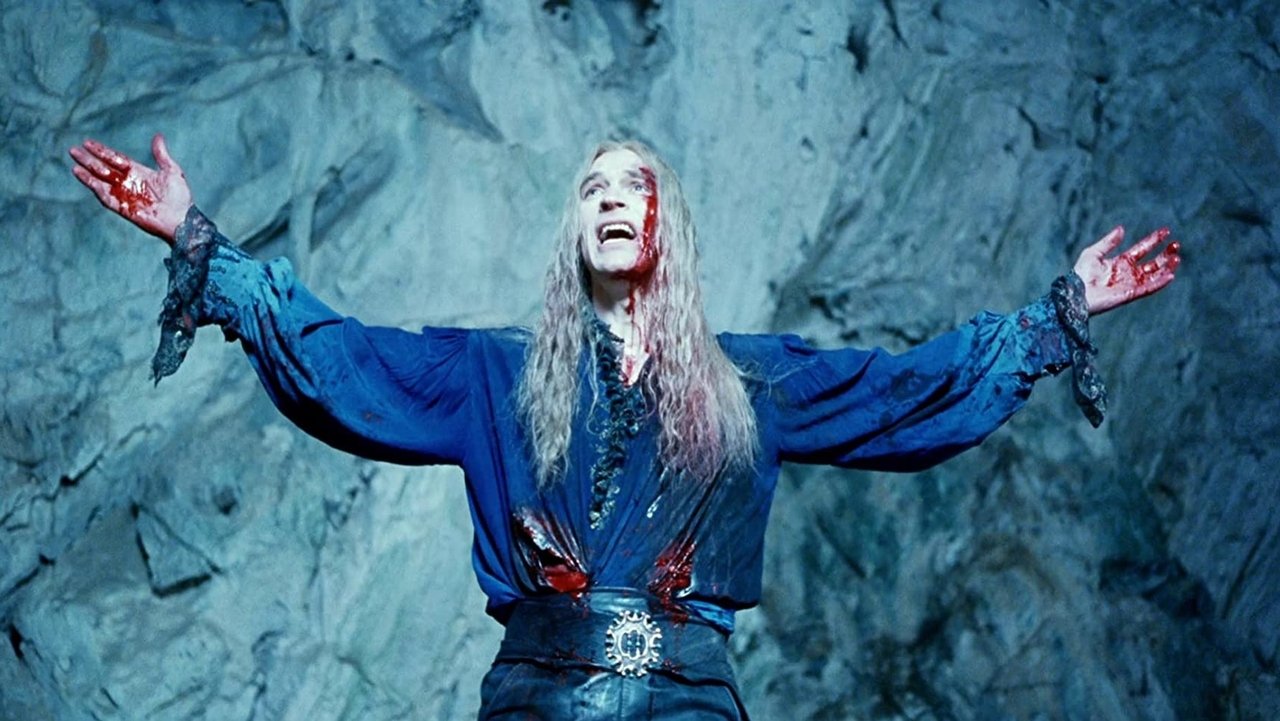
Argento, the mind behind stone-cold classics like Suspiria (1977) and Deep Red (1975), approaches Leroux's gothic romance with his signature visual extravagance but a perplexing narrative nonchalance. Gone is the simmering tension, the mystery of the masked man. Instead, we get Julian Sands as the Phantom, brooding and intense, certainly, but lacking the core pathos that defines the character. Sands, reportedly Argento's first choice, gives it his all, projecting a strange mix of Byronic anti-hero and... well, a man psychically linked to rodents. The decision to forego the disfigurement entirely was Argento's attempt, he claimed, to create a more conventionally "romantic" lead, one Christine could believably fall for without the horrific obstacle. But in doing so, he strips the story of its central tragedy and symbolic power. Doesn't that core vulnerability define the Phantom we remember?
The infamous rat connection feels like peak Argento logic – introducing an element of primal, almost supernatural weirdness. Legend has it that wrangling the hundreds of rats needed for certain scenes proved a significant production headache, a detail that feels fittingly chaotic for an Argento set. While the idea of the Phantom commanding an army of subterranean vermin is visually arresting in concept, its execution often borders on the unintentionally comical, particularly when rats gnaw through ropes to dispatch inconvenient stagehands.
Operatic Visions, Fractured Story
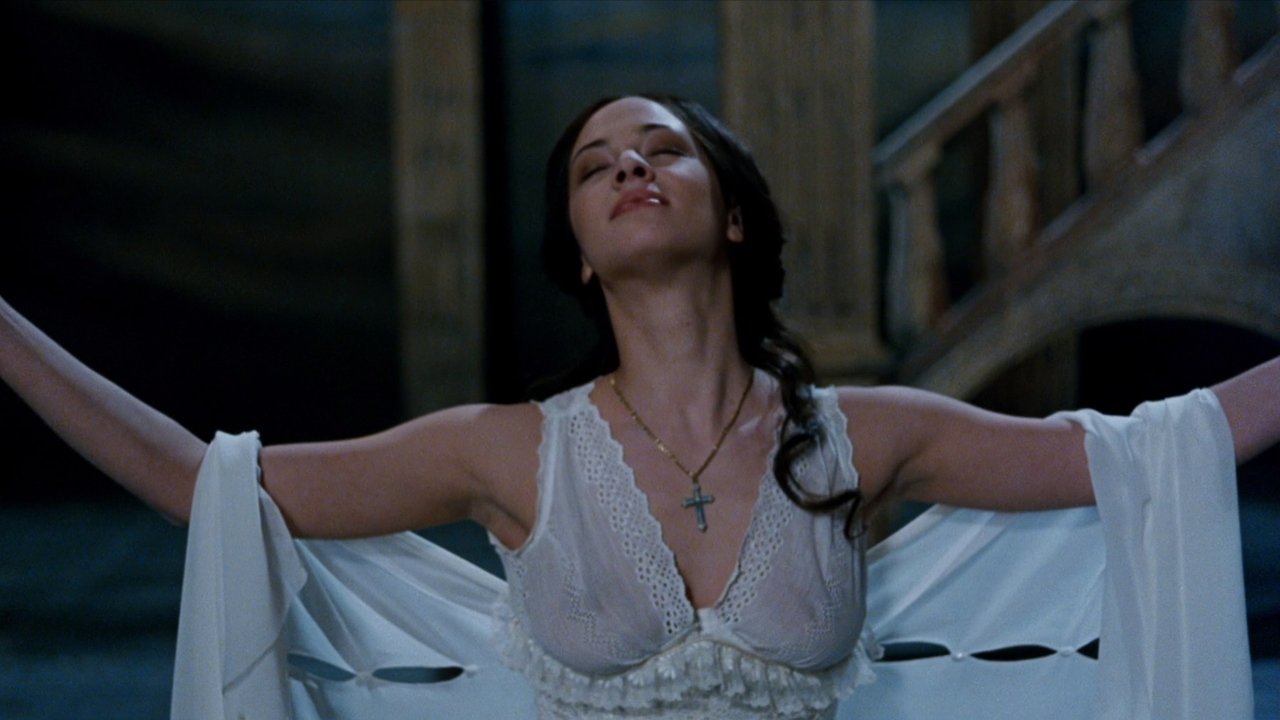
Where the film undeniably scores points is in its sheer visual presentation. Shot largely at the stunning Hungarian State Opera House in Budapest, the production design often achieves a decadent, decaying grandeur. Argento, working with cinematographer Ronnie Taylor (who, incredibly, also shot Gandhi), crafts sequences bathed in lurid blues and blood reds, punctuated by moments of shocking, stylized violence. A particularly gruesome death involving a stage winch feels like vintage Argento, a brief flash of the brutal artistry he’s known for.
And then there's the score by the legendary Ennio Morricone. It’s lush, haunting, and often feels far more emotionally resonant than the narrative it accompanies. Morricone delivers a score worthy of a grand gothic tragedy, even if the film itself frequently stumbles into unintentional absurdity. It’s a reminder of the maestro’s genius, capable of elevating even the most wayward material. I distinctly remember renting this tape, drawn by the Argento name and the promise of a darker Phantom, only to be mesmerized more by Morricone's themes than the on-screen drama.
Argento's Muse and Missteps
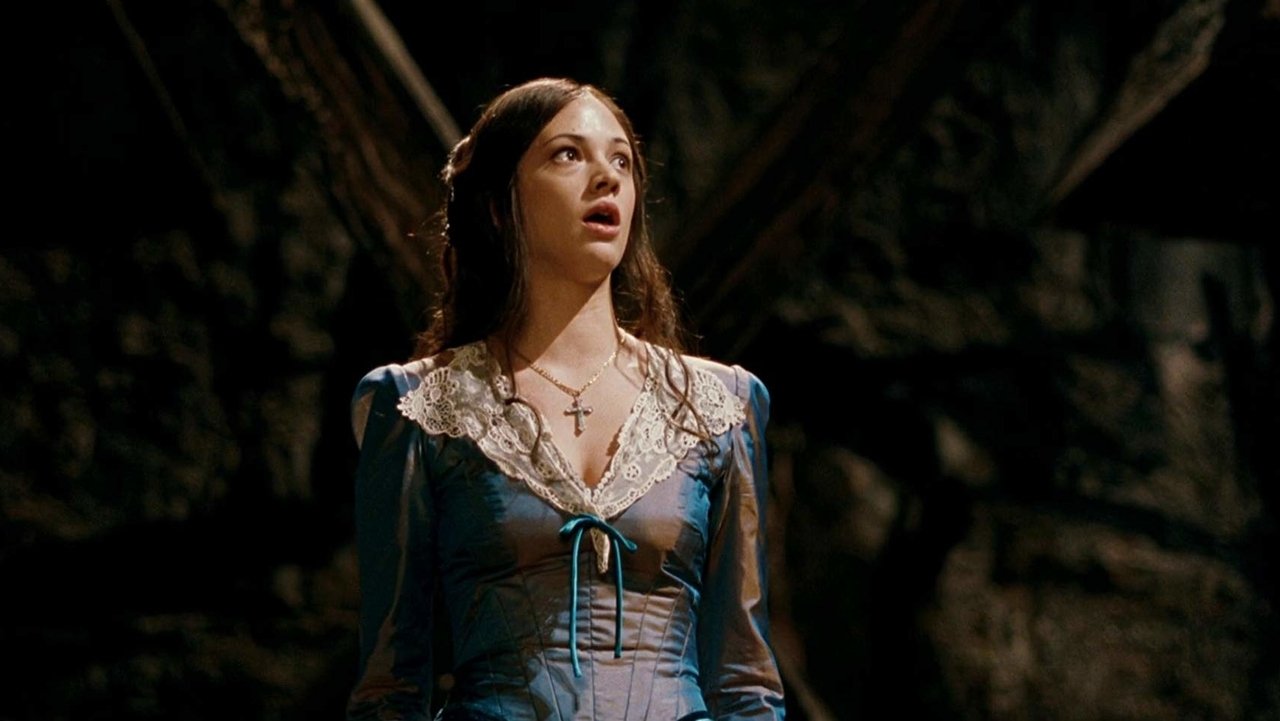
Playing Christine Daaé is Asia Argento, Dario's daughter and frequent collaborator. Her performance is... divisive. She embodies a certain wide-eyed sensuality that Argento clearly favors, but her chemistry with both Sands' Phantom and Andrea Di Stefano's rather bland Raoul feels inconsistent. The script, co-written by Argento and Gérard Brach (The Tenant (1976)), often feels disjointed, veering wildly in tone. Moments of attempted eroticism clash awkwardly with scenes of rat-induced mayhem and surprisingly graphic gore. This version cost a reported $20 million, a hefty sum for an Italian horror production at the time, but it sadly failed to recoup its investment, becoming a notorious box office flop.
The film exists in this strange limbo: too arty and bizarre for mainstream audiences expecting a traditional Phantom, yet too narratively unfocused and narratively divergent for many Argento devotees. It lacks the sustained dreamlike logic of Suspiria or the tightly wound suspense of his giallo thrillers. It feels like an experiment, an attempt to force Argento's sensibilities onto a story fundamentally unsuited for them without radical reinvention – which, arguably, he attempted, just not successfully.
Verdict: A Curious Cacophony
The Phantom of the Opera (1998) is less a cohesive film and more a collection of striking images, perplexing choices, and moments of baffling audacity, all set to a magnificent Morricone score. It’s a fascinating failure, a testament to a singular directorial vision colliding head-on with beloved source material and emerging undeniably strange. For Argento completists, it’s a necessary, if often frustrating, watch. For fans of the traditional Phantom story, it likely borders on blasphemy. For the adventurous VHS hunter stumbling upon it late one night? It offers a unique, if deeply flawed, kind of gothic spectacle – memorable mostly for its sheer nerve. Does its sheer weirdness hold a certain cult appeal today? Perhaps, but more as a curio than a classic.
Rating: 4/10 - The score is largely earned by Morricone's sublime music and flashes of Argento's visual flair amidst a fundamentally misguided adaptation. Its narrative choices actively sabotage the source material's power, leaving a beautiful but hollow shell.
Final Thought: Argento’s Phantom remains a haunting oddity in the vast opera house of adaptations – a bold, bizarre, and ultimately discordant note from a master of horror who, this time, perhaps lost the melody.