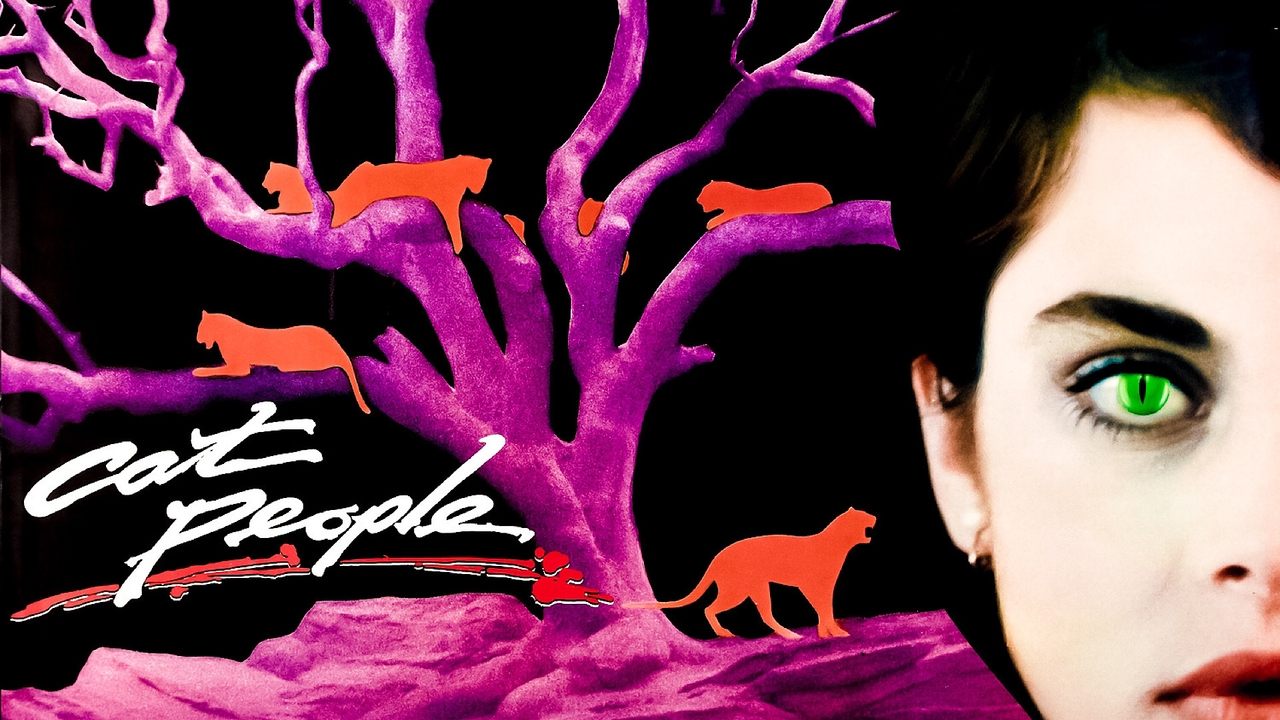
"There are sisters," Malcolm McDowell purrs, his voice thick with predatory implication, "and then there are sisters." That line hangs heavy in the humid New Orleans air of Paul Schrader's 1982 reimagining of Cat People, a film steeped not just in Southern Gothic decay, but in a far more primal, inescapable dread. This isn't the suggestive shadow play of Jacques Tourneur's 1942 original; this is a full-blooded, explicit dive into the dark currents of heredity, sexuality, and the beast simmering just beneath the skin. Renting this one back in the day felt like handling forbidden knowledge, a tape pulsating with a dangerous, erotic energy that clung long after the VCR whirred to a stop.
A Different Breed of Terror
Forget subtle chills; Schrader, ever the explorer of tormented souls (Taxi Driver, American Gigolo), plunges us headfirst into a world saturated with doomed sensuality. We follow the doe-eyed, almost impossibly beautiful Irena Gallier (Nastassja Kinski), arriving in New Orleans to reunite with her estranged brother, Paul (McDowell). He quickly reveals the family curse: they are descendants of an ancient race who turn into lethal black panthers after mating with humans, only able to return to human form after killing. Paul embraces this legacy with decadent abandon, while Irena fights against the burgeoning instincts threatening to consume her burgeoning relationship with zookeeper Oliver Yates (John Heard). The New Orleans setting, with its blend of sultry heat, faded grandeur, and lurking danger, becomes a character in itself, amplifying the film's oppressive, dreamlike (or nightmare-like) quality.
Schrader's Savage Vision
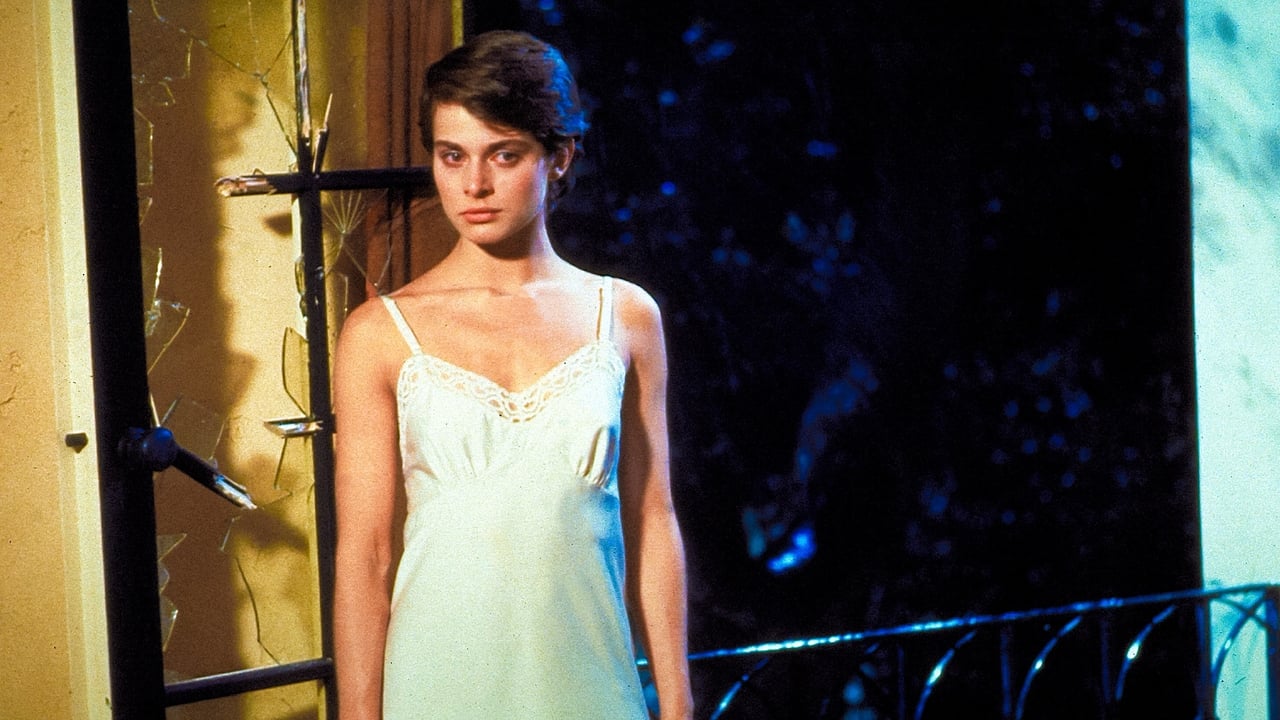
This is Schrader territory through and through – alienation, repressed desires bubbling to the surface, the collision of the sacred and the profane. Working from a script by Alan Ormsby (known for the cult classic Children Shouldn't Play with Dead Things), Schrader crafts a film that's visually lush and thematically challenging. It courted controversy with its frank depictions of sexuality and violence, a far cry from the Hayes Code constraints of its predecessor. Some found its explicitness gratuitous, but it feels deliberate – a filmmaker forcing us to confront the raw, often ugly nature of instinct and taboo. The reported tension on set, particularly Kinski's discomfort with the extensive nudity required, perhaps even mirrors the film's own themes of vulnerability and exploitation, adding another layer to its unsettling power.
Mesmerizing Performances, Unsettling Presence
Nastassja Kinski is hypnotic as Irena. Her performance is incredibly physical; she conveys both fragile innocence and a coiled, predatory grace, often with just a look or a subtle shift in posture. You believe her terror and the tragic inevitability of her fate. Her scenes interacting with the majestic, terrifying black panthers possess a raw, tangible danger – apparently, she developed quite a rapport with one of the trained animals, lending an unnerving authenticity to those moments. Opposite her, Malcolm McDowell is magnetic, oozing charisma and menace. He embodies the seductive danger of embracing the darkness within. John Heard, often the affable everyman in 80s cinema, brings a compelling intensity to Oliver, whose fascination with Irena tips into obsession, making him both sympathetic and slightly disturbing. Doesn't his desperate attempt to understand, and perhaps possess, Irena feel almost as predatory as Paul's explicit advances?
Atmosphere You Can Taste (and Fear)
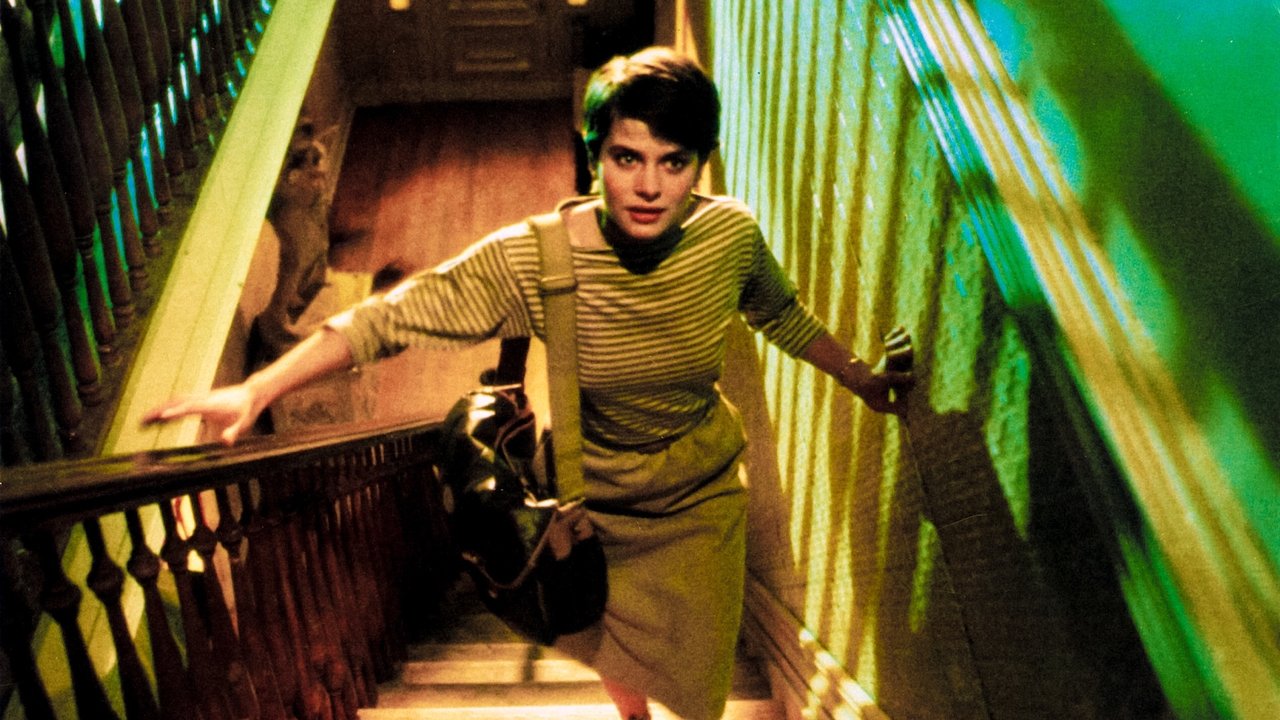
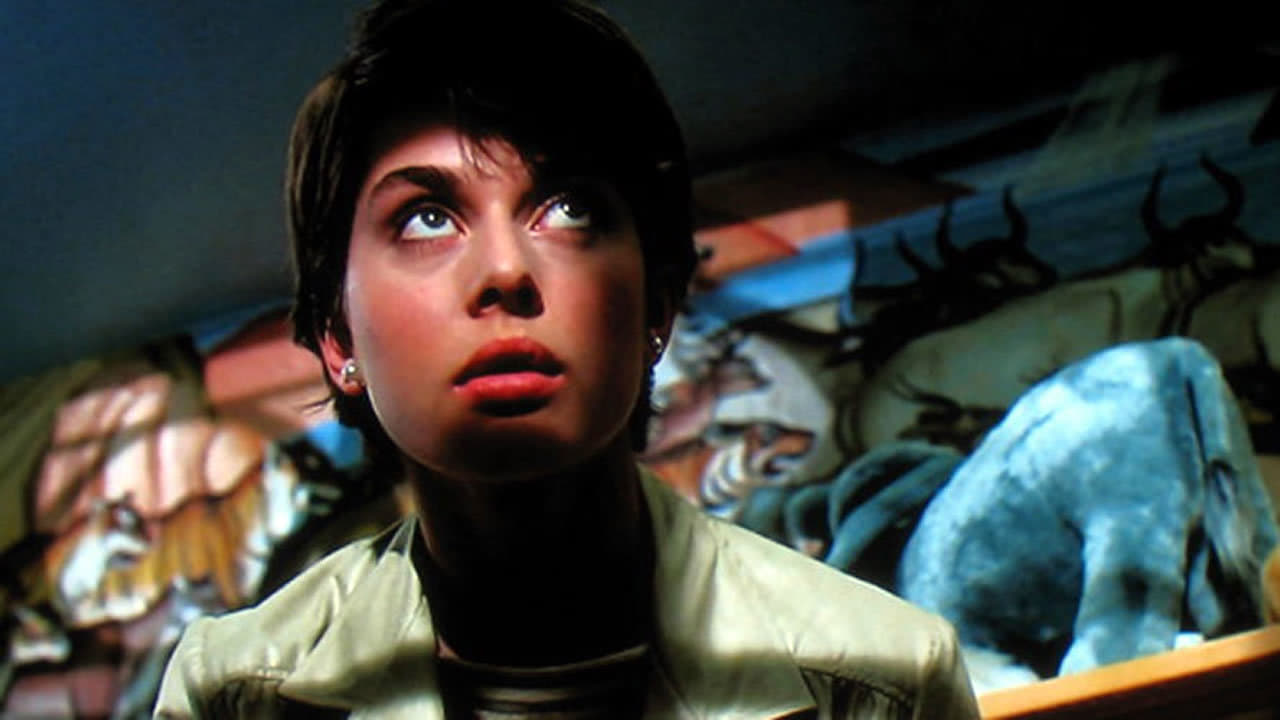
Schrader masterfully builds atmosphere. While Giorgio Moroder's synth score, featuring that iconic David Bowie theme "Cat People (Putting Out Fire)," might feel distinctly '80s now, it contributes significantly to the film's stylized, sometimes dreamlike mood. It pulses with electronic heartbeats and ethereal washes, perfectly complementing Ferdinando Scarfiotti's stunning production design. The decaying elegance of Paul's French Quarter apartment, contrasted with the clinical yet primal enclosures of the zoo, creates a potent visual language. And the practical effects? While the transformation sequences might show their age under modern scrutiny, back on a fuzzy CRT screen, they had a visceral, unsettling impact. The makeup effects by Tom Burman (Invasion of the Body Snatchers '78) aimed for a grotesque realism that felt genuinely disturbing. Remember the sheer physical presence of those panthers? Knowing real, powerful animals were involved added a layer of unpredictable tension few CGI creations can replicate. The film reportedly cost a hefty $18 million, much of which is clearly visible in the ambitious effects and location work, though it sadly only clawed back around $7 million domestically upon release, finding its true audience later on tape and cable.
A Cult Legacy Forged in Darkness
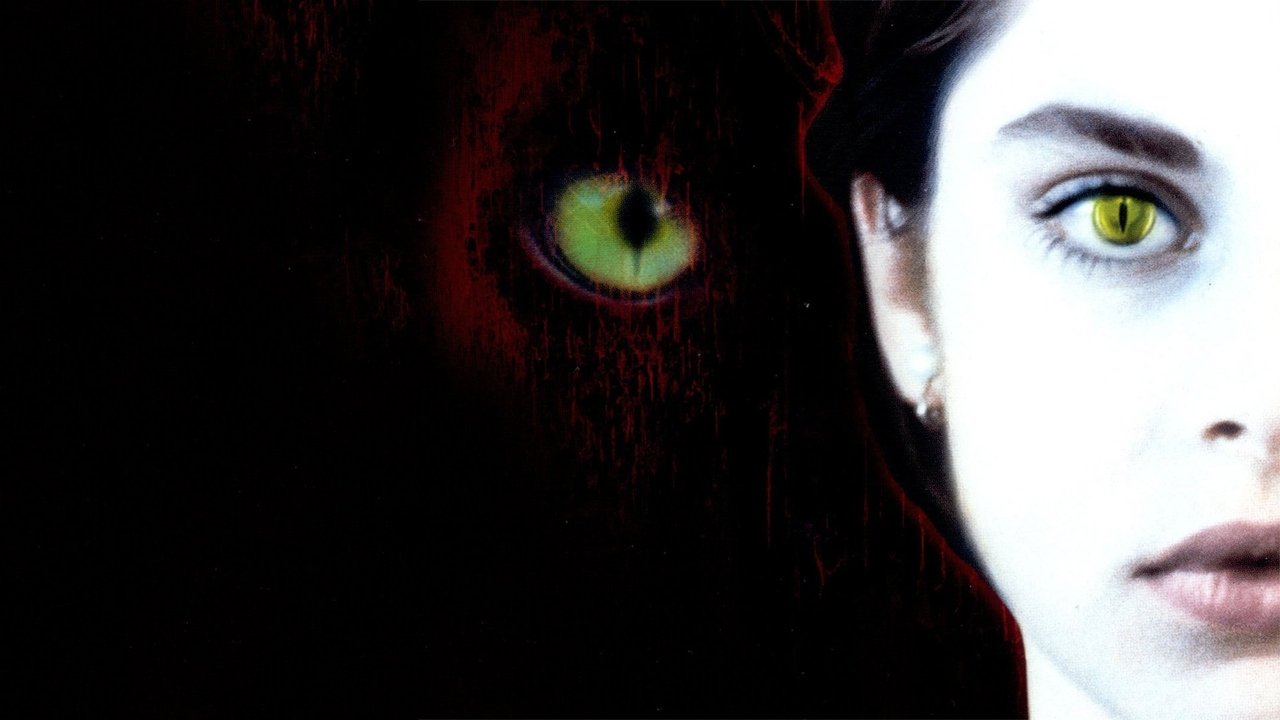
Cat People (1982) wasn't initially embraced like its namesake, perhaps due to its challenging themes and explicit nature, which likely caused friction with the MPAA (it secured an R rating). Yet, its cult status is undeniable. It’s a film that burrows under your skin – visually arresting, thematically rich, and powered by Kinski's unforgettable performance. It stands as a unique artifact of 80s horror cinema: more art-house than slasher, more concerned with internal monstrosity than external threats. It explores the tragedy of being cursed by one's own nature, the terrifying allure of the forbidden, and the thin veil between human desire and animalistic savagery. Watching it again now, it still feels potent, a fever dream of erotic horror that hasn't entirely faded with time. Did that blend of sensuality and sudden violence leave you as unsettled as it did me back then?
Rating: 8/10
This score reflects the film's stunning visual artistry, Kinski's captivating central performance, and its success in creating a thick, unique atmosphere of dread and doomed eroticism. While the pacing sometimes meanders and its explicit approach might not be for everyone (especially purists of the original), Schrader's bold, uncompromising vision results in a fascinating and often chilling piece of 80s genre filmmaking that fully earns its cult classic status. It remains a haunting exploration of the beast within, wrapped in a stylish, unforgettable package – a VHS gem that still prowls the shadows of memory.