It’s a strange thing, looking back at certain films from the late 90s. Some feel comfortingly familiar, like slipping on an old favorite jacket. Others hit differently now, their edges sharpened by time and perspective. Srđan Dragojević’s 1998 film The Wounds (Rane), falls squarely into that latter category. This wasn't a tape you rented for a light Friday night; pulling this off the shelf at the local video store often meant bracing yourself. It offered not escapism, but a raw, unflinching dive into the fractured soul of Belgrade during the tumultuous Milosevic years. What lingers, long after the brutal energy fades, is the haunting question: how does a generation lose its way so completely?
A Scarred Landscape, Mirrored in Youth
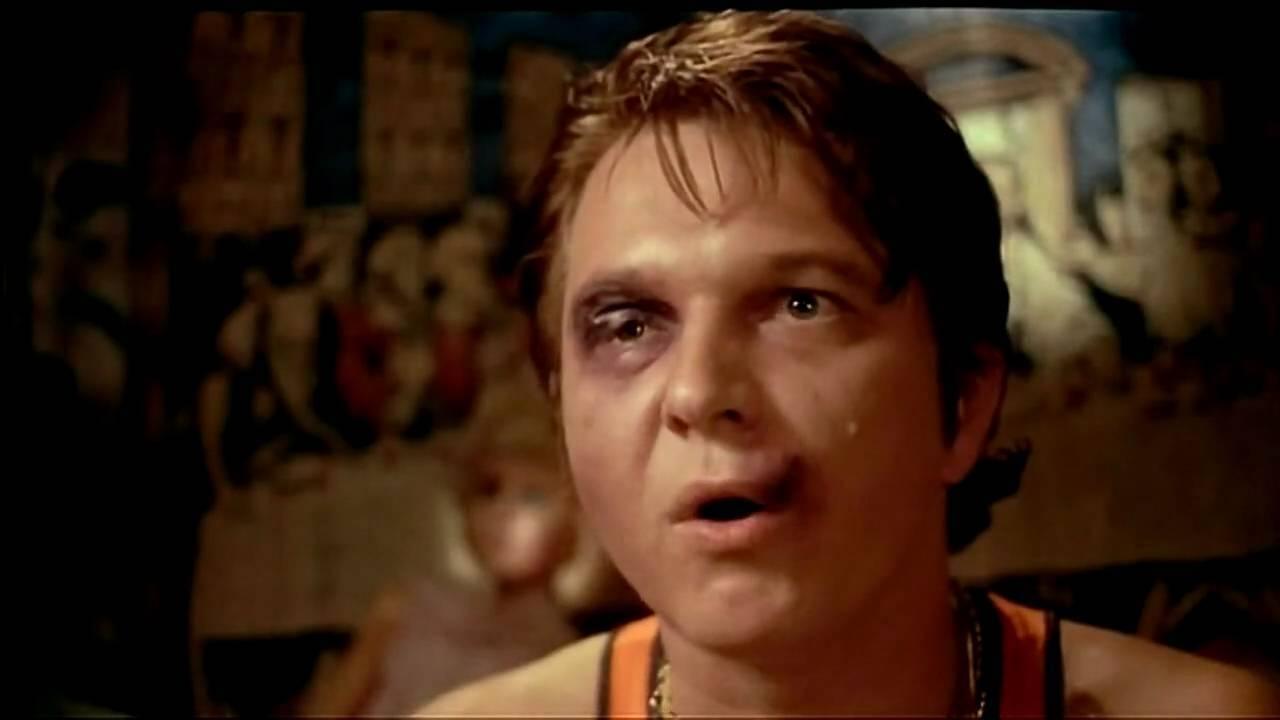
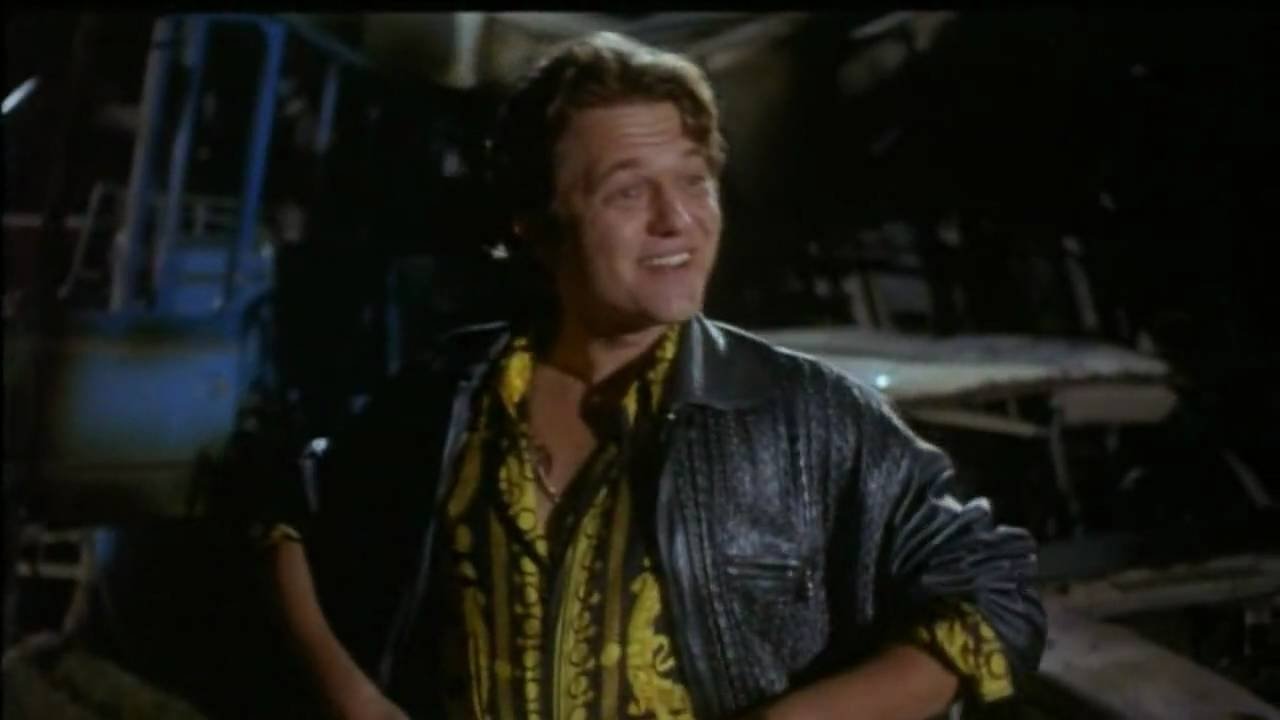
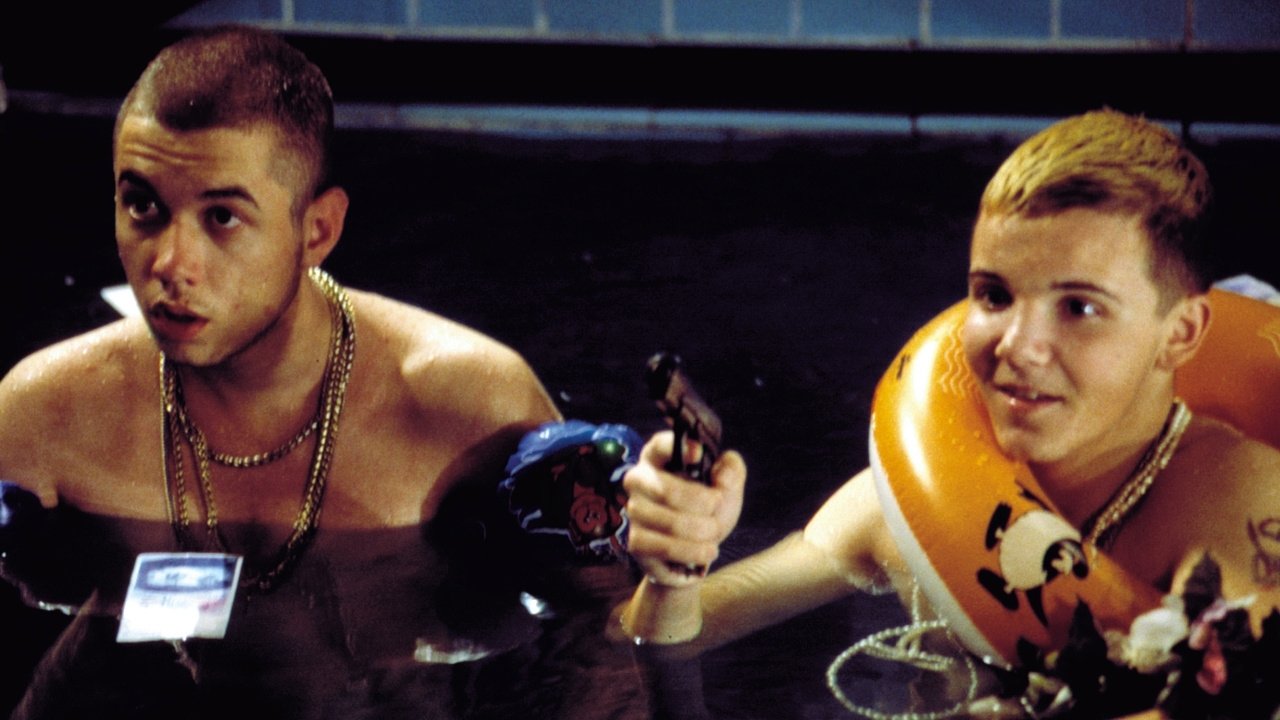
The film grabs you immediately, not with complex plotting, but with raw, visceral energy. We follow Pinki (Dušan Pekić) and Švaba (Milan Marić Švaba), two Belgrade teenagers navigating the chaotic landscape of the early 90s. These aren't your typical coming-of-age protagonists. Inspired by a surreal TV show glorifying crime and guided by the dubious mentorship of older gangster Kure (Dragan Bjelogrlić, a familiar face from numerous Balkan productions), they embark on a path paved with petty theft, escalating violence, and a desperate hunger for recognition in a society seemingly devoid of traditional values. Dragojević, who also directed the equally searing Pretty Village, Pretty Flame (1996), paints a portrait of a city – and by extension, a nation – reeling from war, sanctions, and political upheaval, where the gangster lifestyle becomes a perverse aspiration for disillusioned youth.
The atmosphere is thick with a kind of frenetic despair. There's a pulsing energy to the filmmaking – quick cuts, jarring shifts in tone, a soundtrack that swings from local turbo-folk hits to ironic Western pop – mirroring the chaotic lives of its protagonists. It feels less like a carefully constructed narrative and more like a fever dream captured on celluloid, reflecting the absurdity and brutality of their reality. Remember those foreign film sections in the video store? Tucked away, often with stark cover art, they promised something outside the Hollywood norm. The Wounds was precisely that kind of potent, often disturbing, discovery.
Truth Stranger, and Sadder, Than Fiction
The performances are electrifying, particularly from the two young leads. Milan Marić Švaba imbues Švaba with a nervous energy, a follower caught in the whirlwind. But it's Dušan Pekić as Pinki who truly burns himself into your memory. He possesses a chilling combination of boyish vulnerability and terrifyingly casual cruelty. There's a swagger that feels learned, fragile, masking a deep-seated emptiness. Watching him, you see a kid desperately trying on identities – lover, gangster, tough guy – none of which truly fit, all leading him further down a destructive path.
And here, the line between fiction and reality blurs into tragedy. The raw authenticity Pekić brought to the role is rendered almost unbearable by the knowledge of his own fate. Just two years after the film's release, Dušan Pekić died under circumstances that remain debated but were tragically linked to the violent world the film depicted. He was only 19. This devastating coda isn't just a piece of trivia; it adds an unimaginable layer of weight to the film. It forces us to confront the very real consequences of the environment The Wounds portrays, making Pinki's trajectory feel less like a character arc and more like a prophecy fulfilled. Knowing this transforms the viewing experience from watching a powerful social critique into bearing witness to something far more personal and heartbreaking. It’s a detail that elevates the film beyond mere entertainment, lodging it firmly in the realm of devastating social commentary.

Beyond the Bullets: A Critique Wrapped in Chaos
While undeniably violent and often darkly comic in a way that can feel jarring, The Wounds isn't simply glorifying the gangster lifestyle. Dragojević uses the genre tropes – the fast money, the flashy clothes, the casual violence – to launch a scathing critique. The film skewers the media's role in sensationalizing crime, embodied by the bizarre TV show that inspires the boys. It lays bare the moral vacuum left by political instability and economic hardship, suggesting that when traditional paths to success and meaning crumble, darker alternatives rush in to fill the void.
The film was shot on location in Belgrade, adding a layer of gritty realism. You feel the texture of the city, the specific atmosphere of that era. It wasn't a massive budget production (precise figures are hard to pin down for Serbian films of this era, but it certainly wasn't a blockbuster), relying instead on its raw energy, sharp script, and committed performances. It stirred considerable controversy upon release in Serbia, praised for its honesty by some, condemned by others for its bleak portrayal – a testament to its power to provoke. Does its depiction of youth nihilism resonate with challenges that echo even today, in vastly different contexts? It’s hard to watch Pinki and Švaba’s desperate quest for notoriety and not see parallels.
Rating and Final Reflection
The Wounds is not an easy watch. It’s brutal, bleak, and deeply unsettling. Yet, it's also undeniably brilliant filmmaking – kinetic, provocative, and powered by unforgettable performances tragically underscored by real-life events. It captures a specific, turbulent moment in history with an honesty that few films dare to approach. This isn't comfort viewing, but it's essential viewing for anyone interested in powerful world cinema that tackles difficult truths head-on.
Rating: 9/10 - This score reflects the film's raw power, fearless direction, unforgettable lead performances (especially Pekić's haunting portrayal), and its crucial role as a social document. It loses a point only because its unrelenting bleakness and graphic content make it a profoundly difficult, and certainly not universally palatable, experience.
What stays with you isn't just the violence, but the aching sense of lost potential, of a generation set adrift in the wreckage of political failure. It’s a film that leaves its own kind of wound on the viewer, a stark reminder of how easily youth can be corrupted when society itself loses its moral compass.