Okay, settle in, grab your preferred beverage (maybe something you wouldn't have been allowed back then?), and let's rewind the tape to 1996. Remember the buzz? The sheer wattage? Demi Moore, arguably the biggest female star on the planet at that moment, was starring in Striptease. The tabloids were ablaze, the anticipation was thick enough to spread on toast, and video stores braced for impact. Finding this one on the shelf felt like grabbing a piece of Hollywood lightning, even if you weren't entirely sure what you were in for.
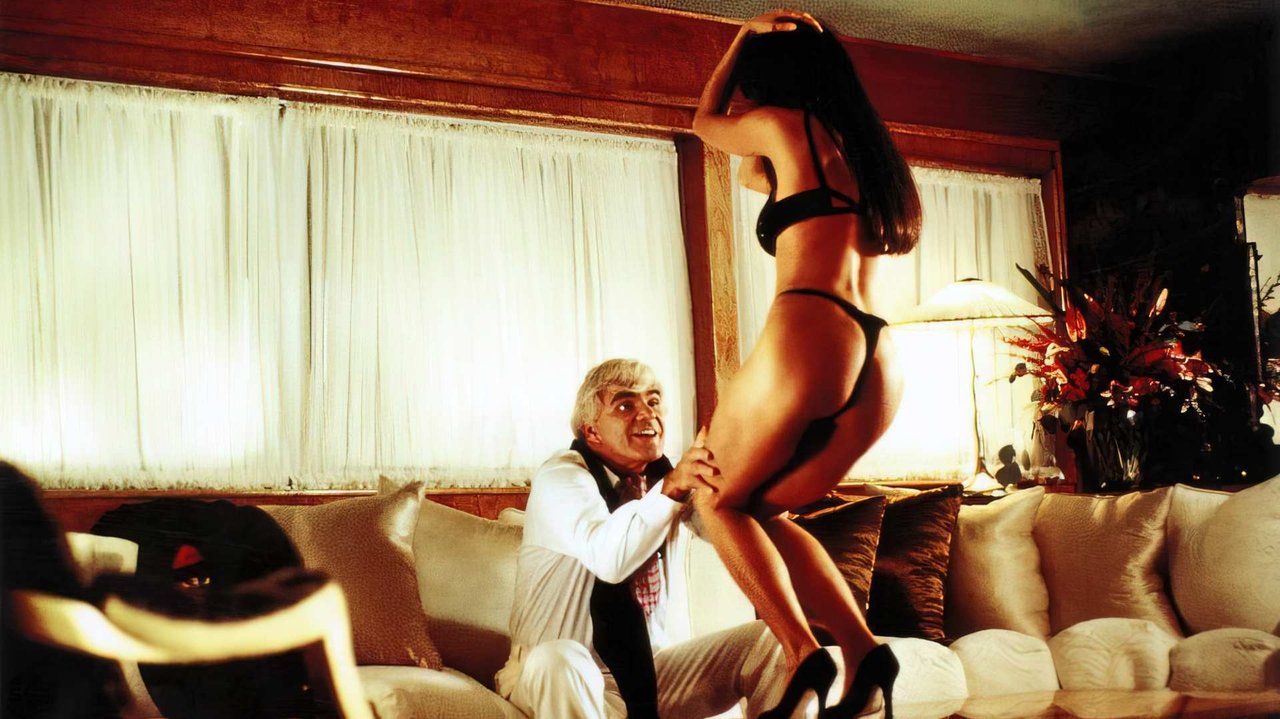
The initial shockwave, of course, was Demi Moore's reported $12.5 million payday – a record-breaking sum for an actress at the time. That number alone guaranteed headlines and cemented Striptease as a major event film before a single frame flickered. It felt… significant. Important, even. But beneath the mountain of cash and magazine covers was a film adapted from a typically sharp, satirical novel by Florida's master of crime absurdity, Carl Hiaasen. The ingredients were there for something potentially subversive and darkly funny, a cocktail of sex, politics, and Sunshine State weirdness. The question buzzing around my VCR back then was: could they pull it off?
Welcome to the Eager Beaver
The setup is pure Hiaasen, even if the execution sometimes wavers. Erin Grant (Demi Moore) loses her job and custody of her young daughter thanks to her sleazeball ex-husband (a pre-Band of Brothers Robert Patrick, perfectly cast as a lowlife). Desperate for cash to fund her appeal, she takes a job dancing at the aforementioned Eager Beaver, a Miami strip club populated by colourful characters. Enter Congressman David Dilbeck (Burt Reynolds), a deeply corrupt, profoundly weird politician with a penchant for Vaseline and getting handsy with dancers. When he becomes dangerously obsessed with Erin, she finds herself tangled in a web of blackmail, murder, and Florida Man-level political shenanigans.
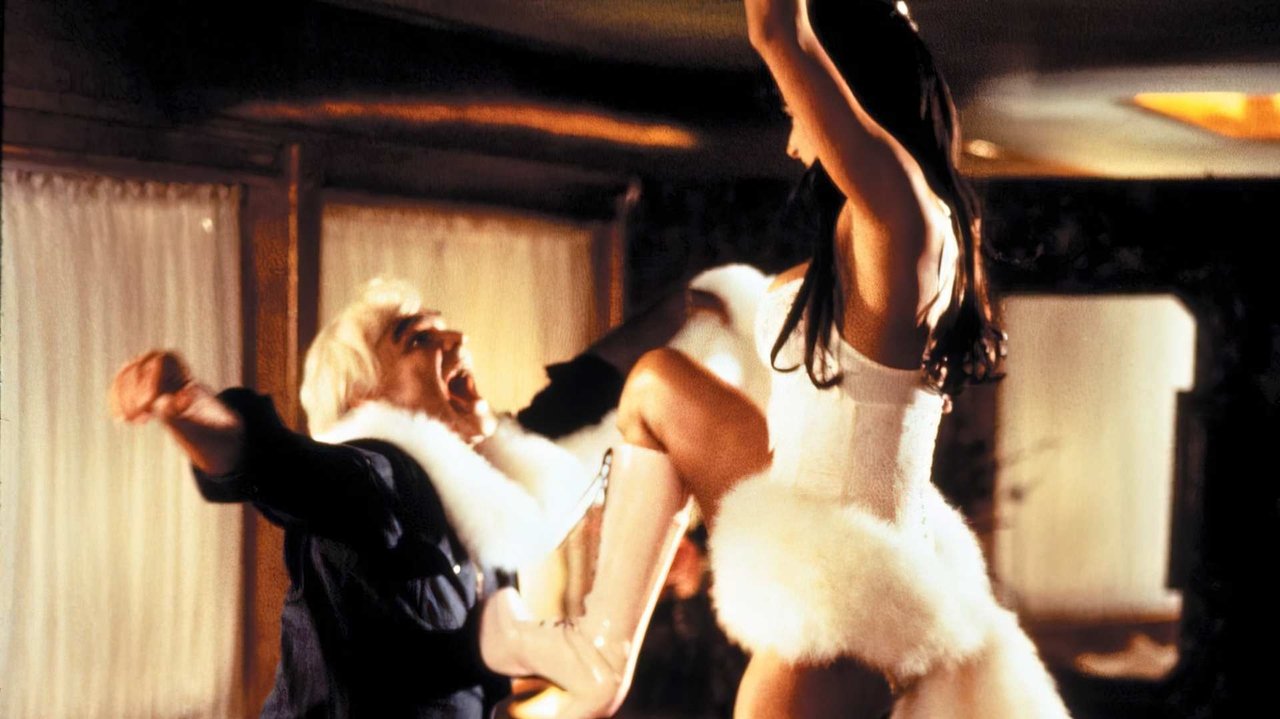
Demi Takes Center Stage
Let's talk about Demi. Whatever your feelings about the film itself, you cannot deny her commitment. She underwent rigorous training to nail the complex dance routines, and physically, she embodies the role with undeniable screen presence. There's a steely determination in Erin Grant that Moore conveys effectively, making her fight for her daughter the believable core of the film. Was the unprecedented salary justified by the performance alone? That’s a debate for the ages (and likely fueled many late-night rental store discussions). But she is the movie, carrying its considerable weight squarely on her very toned shoulders. A fascinating bit of trivia: Moore reportedly visited numerous strip clubs and interviewed dancers extensively to prepare, aiming for authenticity beyond just the physical demands.
A Supporting Cast of Eccentrics
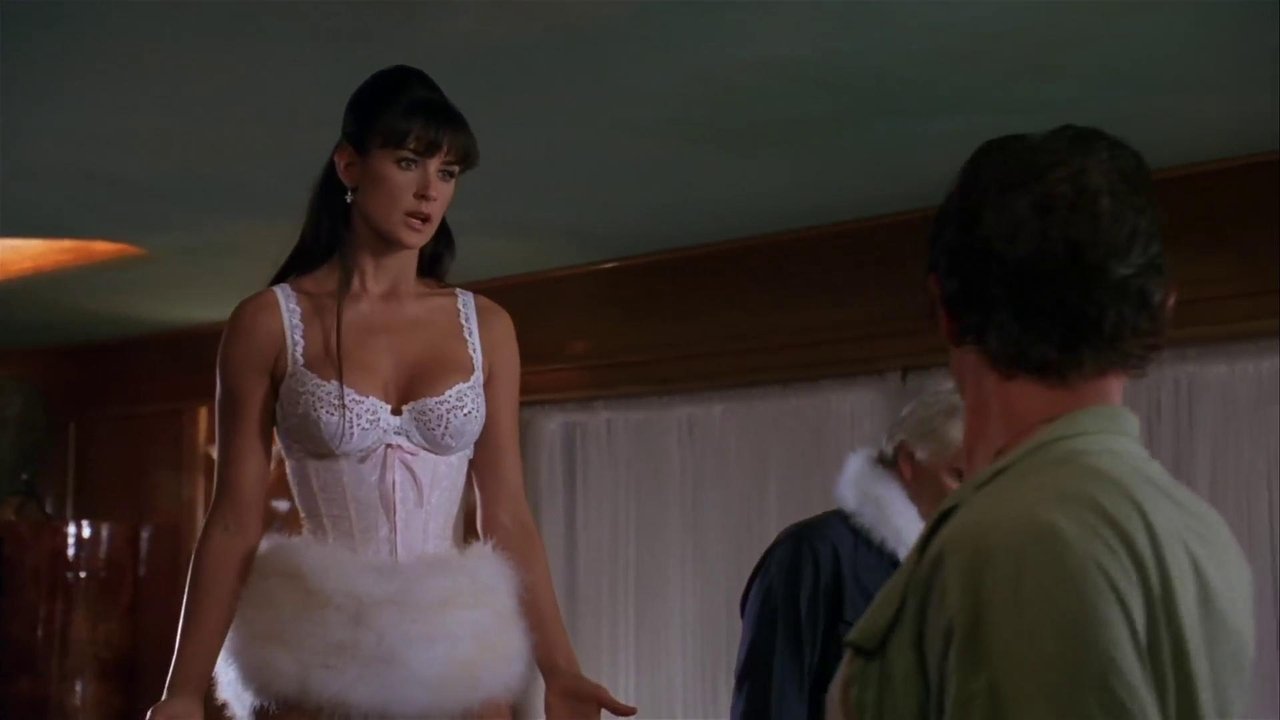

Surrounding Moore is a gallery of memorable, if sometimes cartoonish, players. Armand Assante dials it up as Detective Al Garcia, the world-weary cop investigating the mess. He brings a certain gravelly charm, even when saddled with some clunky dialogue. But the absolute scene-stealer, the guy who walks away with every moment he’s in, is Ving Rhames as Shad, the Eager Beaver's philosophical, surprisingly gentle giant of a bouncer. Rhames, hot off Pulp Fiction (1994), imbues Shad with warmth, humour, and unexpected depth. You genuinely root for him.
And then there's Burt Reynolds. Oh, Burt. His portrayal of Congressman Dilbeck is… something else. It’s a performance pitched somewhere between broad satire and utter bewilderment, often feeling like he wandered in from a different, far stranger movie. It's undeniably memorable, though perhaps not always for the intended reasons. It’s a far cry from his smooth-talking Bandit days, that’s for sure. Apparently, Hiaasen himself wasn't thrilled with the casting or the overall adaptation, feeling much of his novel's bite was lost.
Comedy? Thriller? Satire? Yes?
Herein lies the film’s central identity crisis. Andrew Bergman, who previously gave us gems like The Freshman (1990) and the wonderfully goofy Honeymoon in Vegas (1992), seems unsure whether he's making a dark comedy, a straightforward thriller, or a broad satire. The tone veers wildly, sometimes within the same scene. Moments of genuine tension bump up against scenes of almost slapstick absurdity (that infamous Vaseline sequence comes to mind). While Hiaasen’s novels expertly blend dark humour with crime plots, the film struggles to replicate that delicate balance, often flattening the satire and amplifying the melodrama.
Despite its tonal wobbles, there's a certain undeniable 90s slickness to the production. The cinematography captures the neon-drenched, slightly grimy atmosphere of the club and the humid Florida setting effectively. The non-dancing scenes have a glossy, big-budget feel typical of the era’s major studio releases.
The Aftermath and the VHS Legacy
Striptease arrived amidst massive hype but was met with critical derision and famously swept the Razzie Awards, including Worst Picture, Worst Actress, and Worst Director. While it wasn't a complete box office disaster globally (pulling in around $113 million worldwide against its hefty $50 million budget – roughly $96 million budget yielding $217 million today), it massively underperformed domestically given the star power and media saturation.
Watching it now on a fuzzy tape (or, okay, maybe a slightly sharper stream), Striptease feels like a fascinating time capsule. It’s a relic of a specific moment in Hollywood when star power could command unprecedented salaries, when adapting edgy source material was risky, and when a film could generate that much pre-release buzz based largely on its star and premise. It’s undeniably flawed, tonally inconsistent, and occasionally laughable. Yet… there’s something compelling about its ambition, its strangeness, and the committed performances, especially from Moore and Rhames.

VHS Heaven Rating: 5/10
Justification: The rating reflects a film that's more interesting as a cultural artifact than as a wholly successful piece of cinema. Points awarded for Demi Moore's commitment, Ving Rhames' standout performance, the flashes of Carl Hiaasen's satirical spirit that peek through, and its undeniable status as a major 90s curiosity. Points deducted for the wildly uneven tone, Burt Reynolds' bizarre turn, the diluted satire, and ultimately failing to live up to its own monumental hype.
Final Take: Striptease is the cinematic equivalent of finding a glossy, slightly scandalous magazine from 1996 tucked away in a box – fascinating to flip through, undeniably dated, but a potent reminder of a very specific, often bewildering, moment in pop culture history. Worth a rewind? Maybe, if only to marvel at the spectacle.