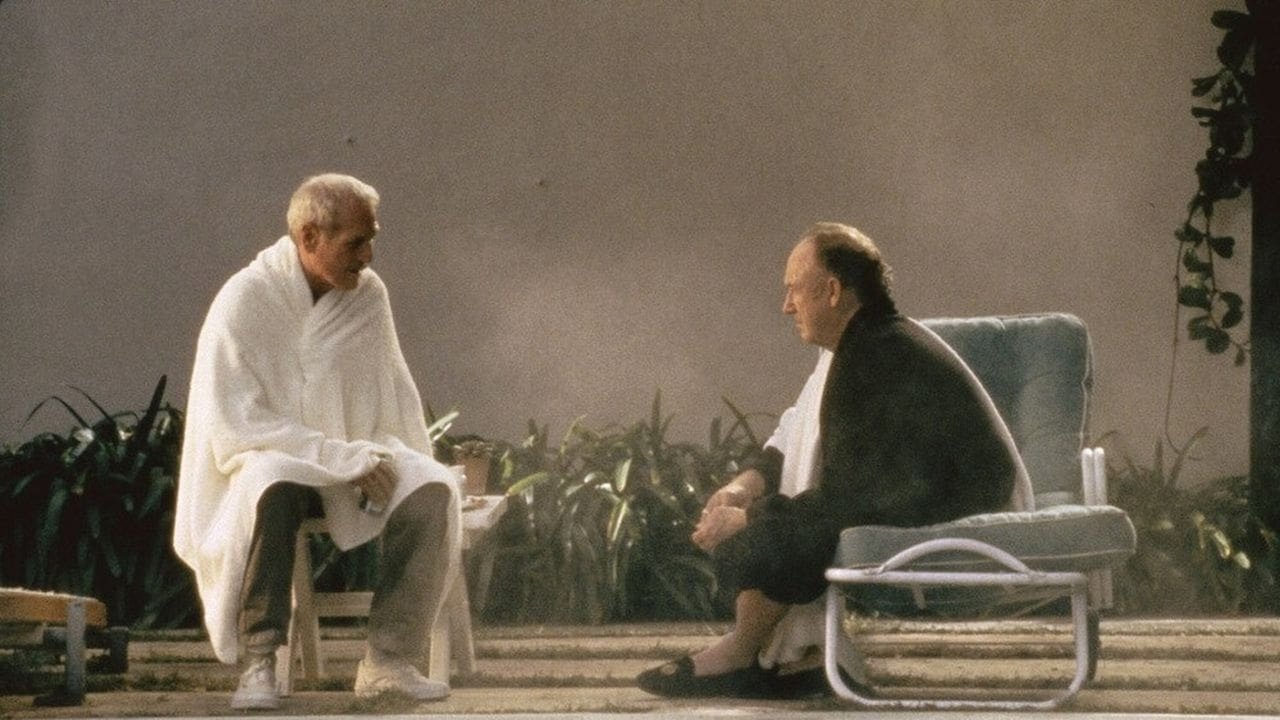
There’s a certain quality to the Los Angeles light, isn’t there? That hazy, golden glow that seems to promise glamour but often just bleaches everything out, revealing the cracks in the pavement. It’s that specific light that permeates Robert Benton’s 1998 film Twilight, a film that feels less like a propulsive thriller and more like a slow exhale at the end of a long, complicated day. Seeing it again recently, popping that well-worn tape into the VCR, I wasn't struck by intricate plot twists, but by the profound weight of years carried by its legendary cast.
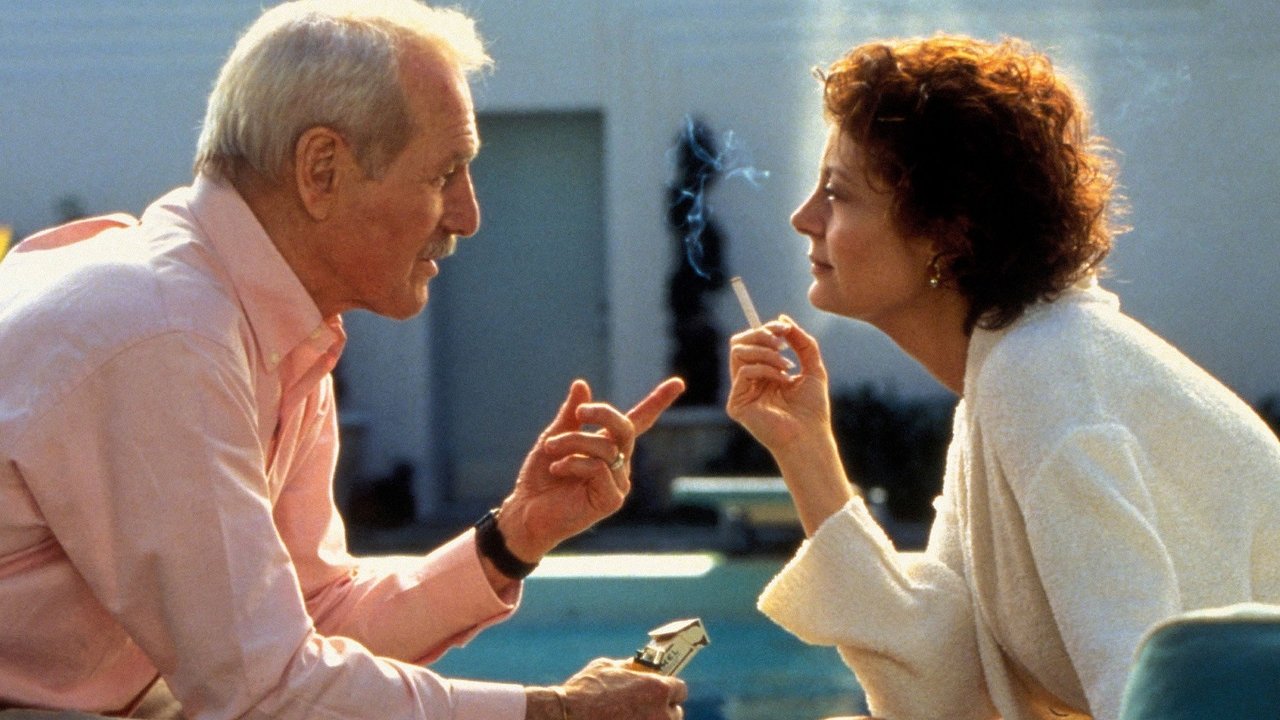
Shadows Lengthen in the Sun
At the heart of it all is Paul Newman as Harry Ross, a retired cop turned private investigator, living somewhat precariously in the guest house of his wealthy, movie-star friends Jack and Catherine Ames (Gene Hackman and Susan Sarandon). He’s doing them a favor, a seemingly simple task involving their runaway daughter (a young Reese Witherspoon), but this being noir – albeit sun-drenched LA noir – things inevitably spiral into murky depths involving blackmail, infidelity, and a decades-old murder case. The setup might sound familiar, echoing Chandler or Hammett, but Benton, collaborating again with writer Richard Russo after their magnificent work on Nobody's Fool (1994), isn't just rehashing tropes. He’s using the framework to explore something deeper: the regrets and compromises that accumulate over a lifetime.
What makes Twilight resonate, especially now, is seeing these titans – Newman, Hackman, Sarandon, even James Garner in a sharp supporting role – navigate this world not as invincible heroes or villains, but as people acutely aware of their own mileage. Newman, then in his early 70s, embodies Harry Ross with a quiet dignity and palpable weariness. It's not just acting; it's the accumulated experience of a screen legend infusing the character. Reportedly, Benton and Russo adjusted the character of Harry Ross specifically for Newman after their previous collaboration, leaning into his age rather than trying to disguise it. You feel the aches, the caution born from past mistakes, the reluctance to get dragged back into the muck. Yet, there's that stubborn integrity, that flicker of the old Newman charm beneath the tired eyes. Watching him handle some surprisingly physical moments, including reportedly doing some of his own stunt driving, adds another layer of grounded reality to his performance.
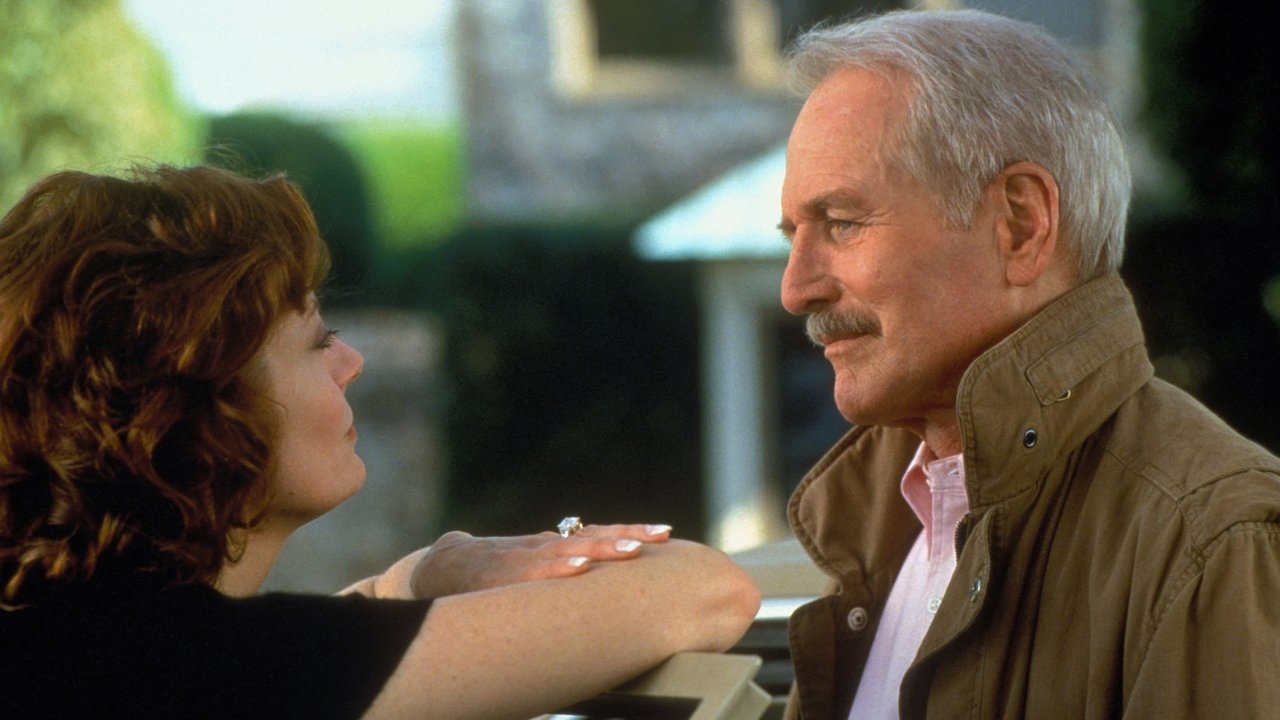
A Constellation of Aging Stars
Surrounding Newman is a cast that feels like a dream reunion at some celestial watering hole. Gene Hackman, playing the dying Jack Ames, radiates a volatile mix of old Hollywood charm and simmering resentment. His scenes with Newman crackle with the unspoken history between their characters, a lifetime of friendship strained by secrets. And Susan Sarandon as Catherine offers a fascinating take on the femme fatale – less overtly dangerous, perhaps, more tragically aware of the choices she's made, her allure tinged with melancholy. Seeing these three navigate Benton's deliberately paced narrative is the film's chief pleasure. Add in sharp turns from Witherspoon, Stockard Channing, Liev Schreiber, and Giancarlo Esposito, and you have an embarrassment of riches. Assembling such a powerhouse lineup couldn't have been easy, and their collective presence gives the film an undeniable gravitas.
The production itself wasn't without its own shadows. The film, initially titled "The Magic Hour," ultimately landed with the more generic (and perhaps commercially detrimental) title Twilight. Despite the star power and critical respect for Benton (who gave us classics like Kramer vs. Kramer (1979)), the film struggled at the box office, earning just over $15 million on a $20 million budget. It seemed audiences in the late 90s weren't quite ready for this kind of meditative, character-driven Paul Newman noir. It lacked the high-octane thrills dominating multiplexes at the time.
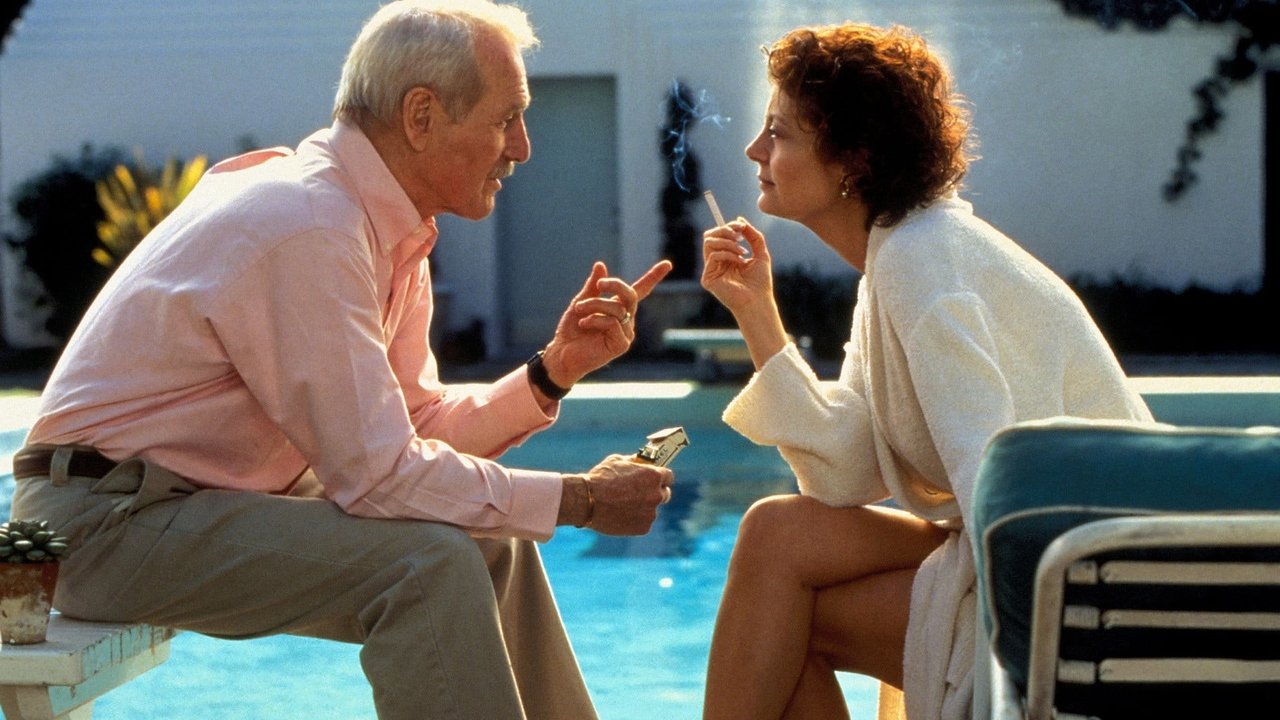
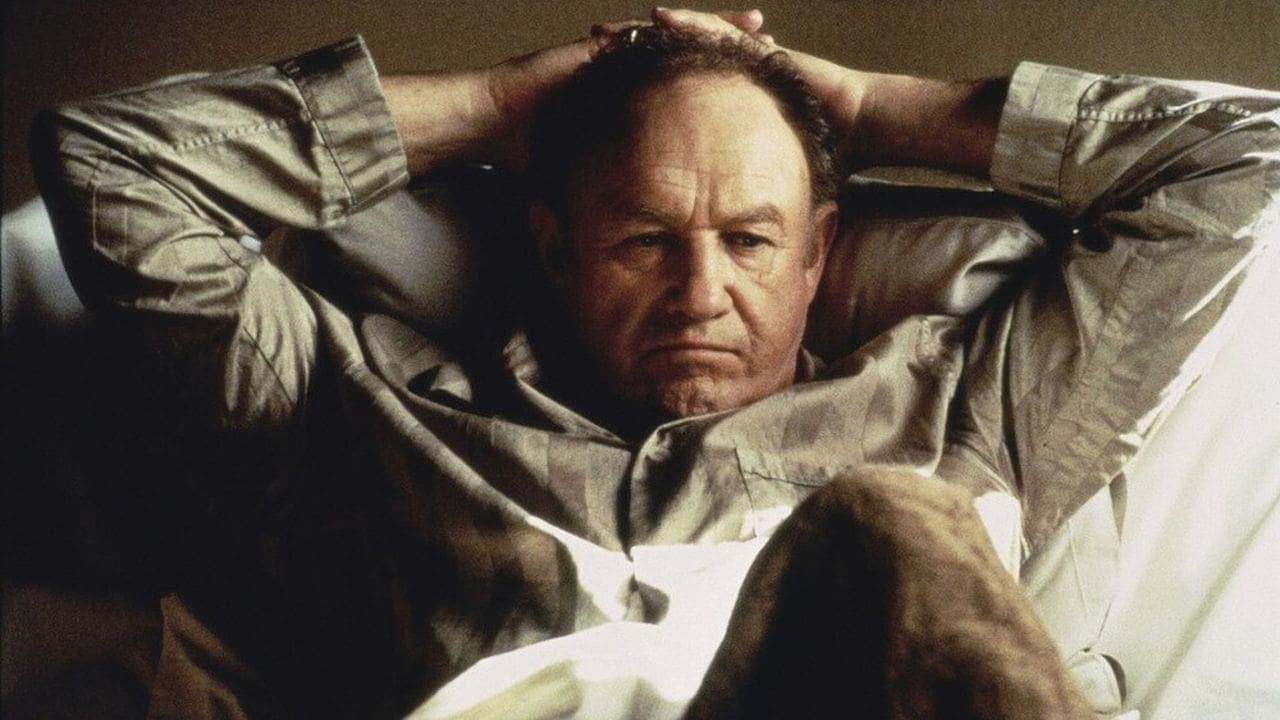
Elegance in Melancholy
Yet, what might have felt slow or uneventful then feels refreshingly patient now. Benton isn't interested in quick cuts or explosive set pieces. He lets scenes breathe, allowing the weight of unspoken thoughts and lingering glances to settle. This mood is beautifully captured by the cinematography of Piotr Sobociński, whose work on Krzysztof Kieślowski’s Three Colors: Red (1994) earned him an Oscar nomination. Sobociński masterfully uses the California light – sometimes harsh, sometimes soft and forgiving – to paint a portrait of faded glamour and hidden decay. Tragically, Sobociński suffered a fatal heart attack shortly after completing work on Twilight, making his contribution here all the more poignant. Elmer Bernstein’s score, too, avoids bombast, instead offering a subtle, melancholic accompaniment that underscores the film's elegiac tone.
Is the plot entirely seamless? Perhaps not. Like many noir tales, it involves connections and motivations that can feel a bit convoluted upon close inspection. Some critics at the time found it too languid, too focused on mood over mechanics. Roger Ebert was a notable champion, however, appreciating its maturity and the depth of its characterizations. But the intricate details of the decades-old mystery feel secondary to the real story: watching these characters grapple with their pasts and face the dwindling light of their futures. What does loyalty mean when everyone is compromised? Can you ever truly escape the consequences of your choices? The film doesn't offer easy answers, content instead to sit with the ambiguities.
Final Fade
Twilight isn't a pulse-pounding thriller you throw on for cheap thrills. It’s a film you settle into, like a comfortable old armchair, perhaps with a glass of something strong. It’s a chance to spend time with screen legends reflecting on mortality, regret, and the long game of life, all wrapped in a beautifully shot, atmospheric package. It’s a VHS era mystery that rewards patience, offering a melancholic resonance that has only deepened with time. For fans who appreciate character depth over plot pyrotechnics, this underrated 90s thriller is a quiet gem. I distinctly remember renting this back in '98, expecting maybe a straightforward detective yarn, and being surprised by its contemplative, almost sorrowful mood. It's a feeling that stuck.
Rating: 8/10
Justification: While the plot occasionally meanders and the pacing might test some viewers, the masterful performances from Newman, Sarandon, and Hackman are exceptional, carrying profound emotional weight. Benton's direction is assured, Sobociński's cinematography is gorgeous, and the film's mature exploration of aging and regret within a noir framework feels both classic and distinct. It's a richly atmospheric character study that stands as a testament to its legendary cast.
Final Thought: In an era often defined by noise and speed, Twilight lingers precisely because of its quietude, leaving you pondering the choices made not just by the characters, but perhaps by ourselves, as the sun inevitably begins to set.