Who do you trust when the only story you have is the one being told right in front of you? That's the knot "The Usual Suspects" ties in your gut from the opening frames and spends the next 106 minutes tightening. Released in 1995, this wasn't just another crime thriller hitting the shelves at Blockbuster; it felt like something different, a intricate puzzle box wrapped in neo-noir shadows, demanding your full attention – maybe even a second viewing on that trusty VCR just to try and catch what you missed.
Spinning the Yarn
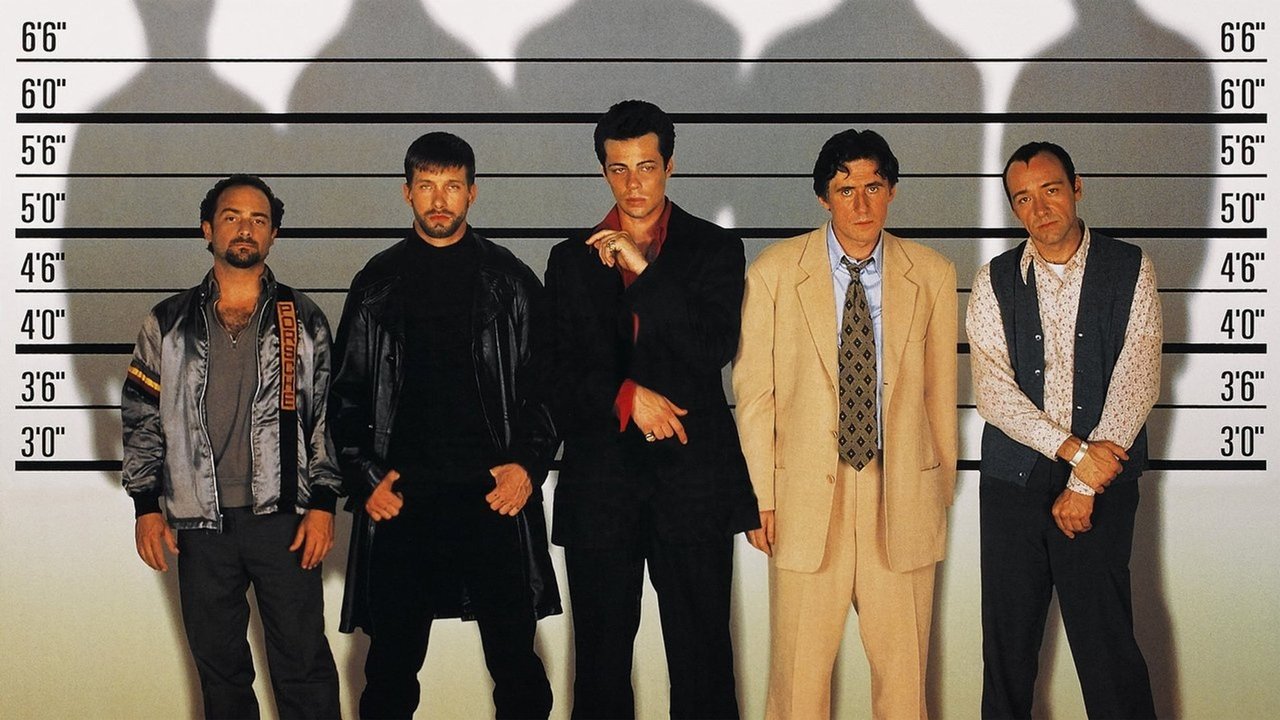
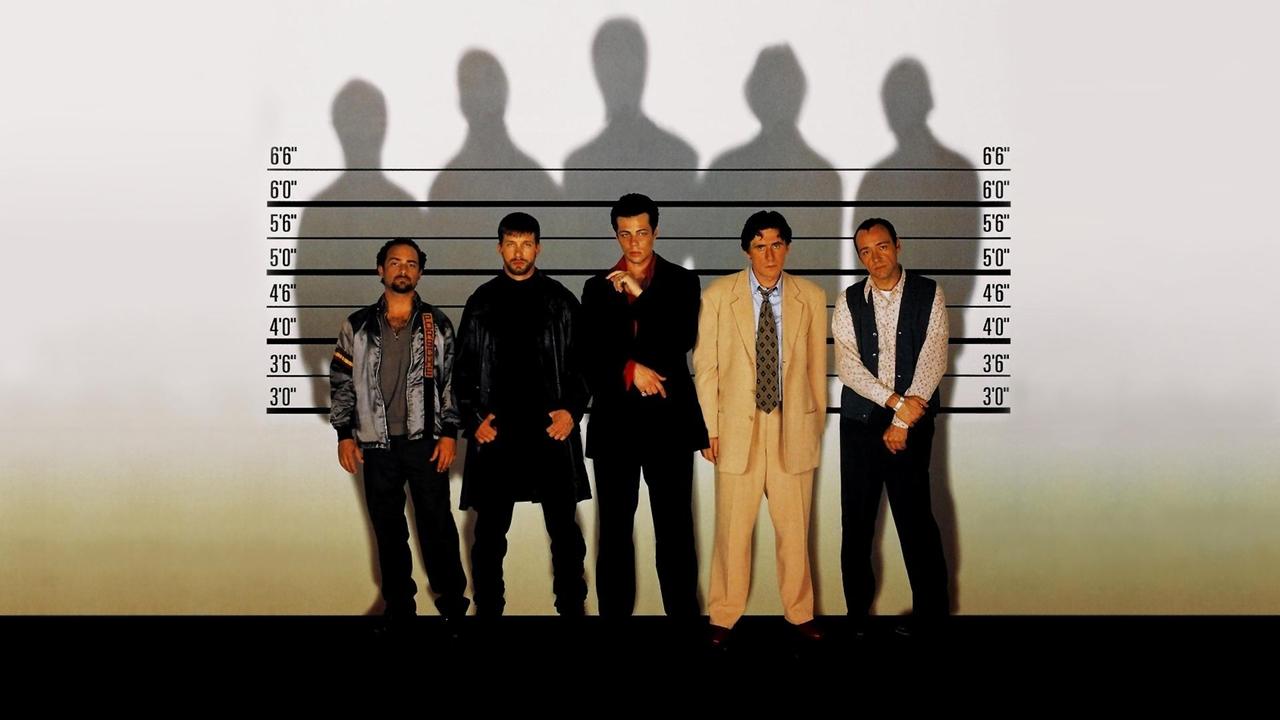
At its heart, the film unfolds within the claustrophobic confines of an interrogation room and the hazy recollections of Roger "Verbal" Kint (Kevin Spacey), a small-time con man with cerebral palsy and one of only two survivors of a massacre on a ship docked in San Pedro Bay. Opposite him sits the imposing U.S. Customs Agent Dave Kujan (Chazz Palminteri), relentless in his pursuit of Dean Keaton (Gabriel Byrne), a supposedly reformed crooked cop Kujan believes is the mastermind. Verbal, granted immunity, weaves a convoluted tale of how five career criminals – himself, Keaton, the hot-headed Michael McManus (Stephen Baldwin), the sarcastic Todd Hockney (Kevin Pollak), and the mumbling, stylish Fred Fenster (Benicio del Toro) – were inexplicably thrown together in a police line-up and subsequently coerced into pulling jobs for a shadowy, almost mythical Turkish crime lord known only as Keyser Söze.
It's a structure that immediately grabs you. We're fed the story through Verbal's perspective, filtered through his fear and Kujan's increasingly frustrated skepticism. Director Bryan Singer, then a relative newcomer fresh off Public Access (1993), demonstrates astonishing confidence, juggling timelines and perspectives with a deftness that keeps the audience perpetually off-balance. He builds atmosphere not just with shadowy lighting and smoke-filled rooms, but with the very unreliability of the narrative thread we're clinging to.
An Ensemble Forged in Fire
The genius of Christopher McQuarrie's Oscar-winning screenplay lies not just in its legendary twist, but in the sharply drawn characters and crackling dialogue that get us there. Each of the five "suspects" feels distinct, their volatile chemistry crackling in every scene. Byrne brings a world-weary gravitas to Keaton, the man trying (or pretending?) to escape his past. Baldwin and Pollak provide the necessary sparks of aggression and cynical wit. And then there's Benicio del Toro, practically stealing scenes with Fenster's bizarre, almost indecipherable slang – reportedly, del Toro felt the character was underdeveloped and decided to make him memorable through his unique speech pattern, a choice Singer wisely encouraged.
Of course, the film hinges on Kevin Spacey's mesmerizing, Academy Award-winning performance as Verbal Kint. It's a masterclass in controlled physicality and subtle manipulation. He makes Verbal appear weak, pitiable, almost an afterthought amidst the hardened criminals surrounding him, yet there's always a flicker of something else beneath the surface. His interactions with Palminteri’s Kujan are electric – a battle of wits where one man wields brute force and certainty, the other, a carefully constructed narrative. Palminteri, who apparently only had a short window to film his scenes due to commitments on A Bronx Tale (1993) on Broadway (which he also wrote), brings a vital, grounded intensity that anchors the film's more fantastical elements.

Crafting the Myth
"The Usual Suspects" was famously made on a tight budget – around $6 million – and shot in just 35 days. This constraint likely contributed to its lean, focused feel. There's no fat here. Every scene, every line feels purposeful, meticulously placed by McQuarrie (whose inspiration partly came from a magazine column about a real-life corporate impostor named John List) and orchestrated by Singer. You can feel the tension ratcheting up, aided immensely by John Ottman's evocative score – Ottman also served as the film's editor, a dual role that surely contributed to the seamless integration of sound and image, particularly in building suspense.
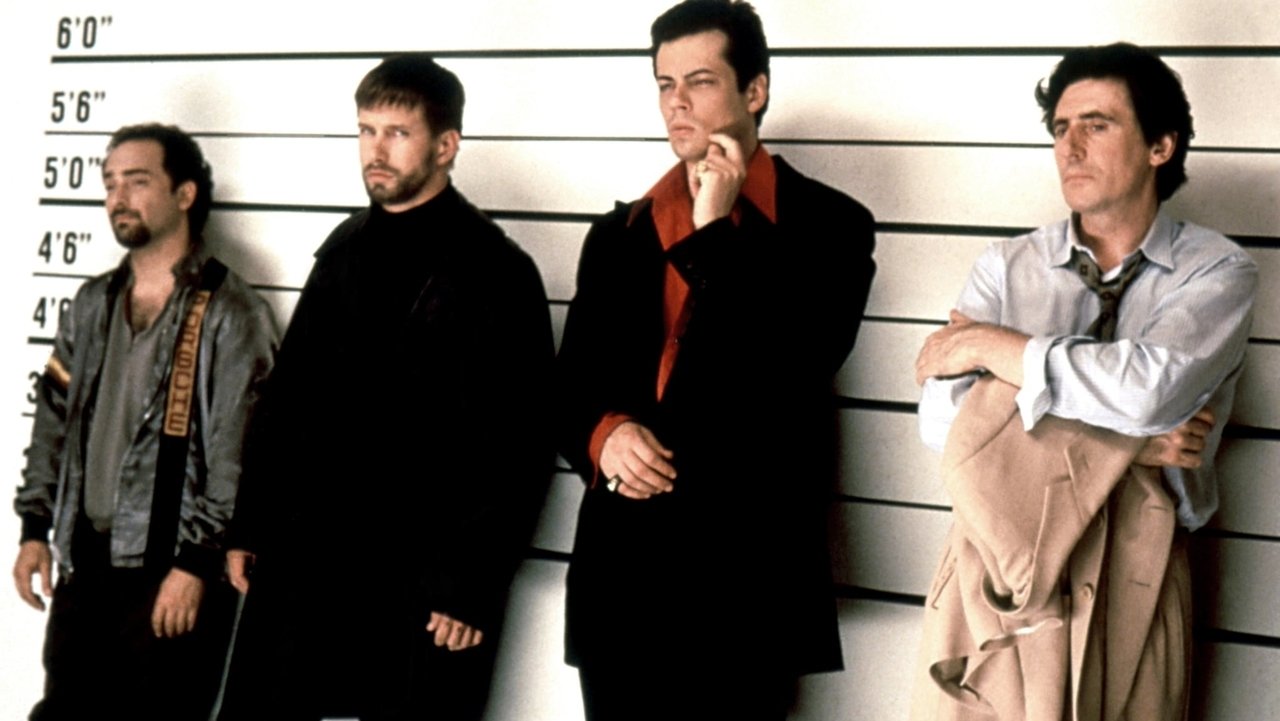
One piece of trivia that always brings a smile is the story behind the iconic police line-up scene. The script originally intended it to be played straight, but the actors couldn't stop laughing (allegedly prompted by del Toro's flatulence, though accounts vary). Singer, initially frustrated, eventually realized their breaking character actually added a layer of believable camaraderie and defiance, and used takes where they struggled to maintain composure. Fenster's famous line, "Hand me the keys, you cocksucker," was apparently ad-libbed by del Toro after repeated takes of the line-up sequence. It’s a perfect example of on-set spontaneity enhancing the final product.
The Echo in the Hallway
Does the film rely heavily on its ending? Yes, undeniably. But reducing "The Usual Suspects" to just its twist does it a disservice. It’s a film about the power of storytelling, about how legends are made, and how perception can be reality. It rewards rewatching not just to spot the clues – and they are meticulously seeded throughout – but to appreciate the performances and the sheer craft involved in constructing such an elaborate illusion. The name Keyser Söze itself entered the pop culture lexicon, becoming shorthand for an unseen, mythical bogeyman. Its influence on the wave of twist-heavy thrillers that followed in the late 90s is undeniable.
Watching it again now, decades after squinting at that VHS tape trying to piece it all together, the film holds up remarkably well. The performances remain magnetic, the dialogue sharp, and the central mystery compelling, even when you know the solution. It’s a testament to the power of a perfectly executed concept.
Rating: 9/10
This score reflects the film's masterful screenplay, powerhouse performances (especially Spacey's), confident direction, and its undeniable impact on the thriller genre. It's a near-perfect execution of a high-concept puzzle, let down only slightly by the fact that its brilliance is so heavily weighted towards that final, unforgettable revelation. Still, few films from the era managed to feel this smart, this intricate, and this damn cool.
It leaves you pondering not just "whodunit," but the very nature of truth and the seductive danger of a well-told lie. And wasn't that feeling – the rug pulled out from under you, the sudden urge to rewind and see it all again through new eyes – one of the great joys of discovering gems like this down at the video store?