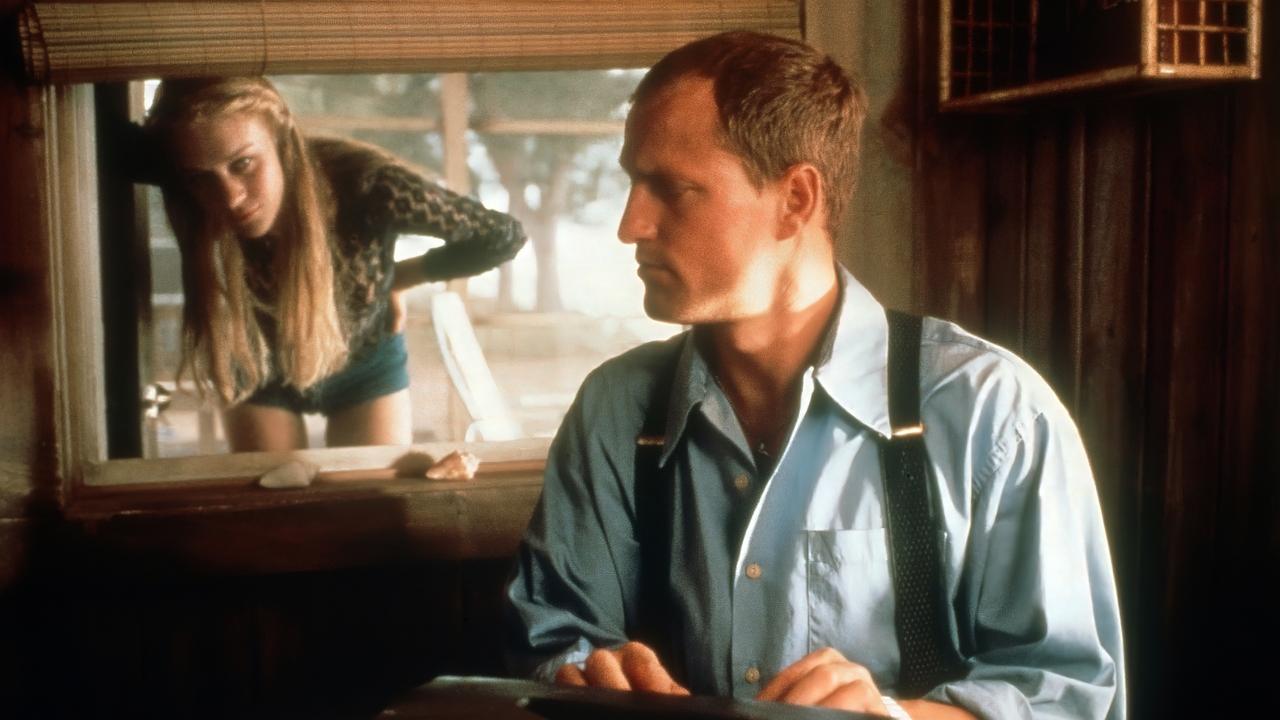
You can almost feel the humidity clinging to the screen, can't you? That thick, inescapable Florida heat permeates nearly every frame of Volker Schlöndorff's Palmetto (1998), serving as more than just a backdrop. It's a character in itself, a suffocating presence that mirrors the moral swamp our protagonist, Harry Barber, finds himself sinking into. Watching it again recently, that palpable sense of encroaching doom, the feeling of walls closing in under a relentless sun, struck me just as forcefully as it did pulling that tape from its sleeve back in the day.
Sweat, Lies, and Videotape
Fresh out of prison after serving two years for a crime he didn't commit (or so he claims – ambiguity clings to Harry like the aforementioned humidity), Woody Harrelson plays Barber as a man desperate for a fresh start but seemingly destined for trouble. He's sharp, cynical, but carries an air of resignation, as if knowing the universe has already marked his card. Harrelson, always adept at finding the vulnerability beneath a veneer of toughness, makes Harry relatable even as his choices become increasingly questionable. You feel the weight of his past conviction, the injustice simmering beneath the surface, making his susceptibility to temptation tragically understandable.
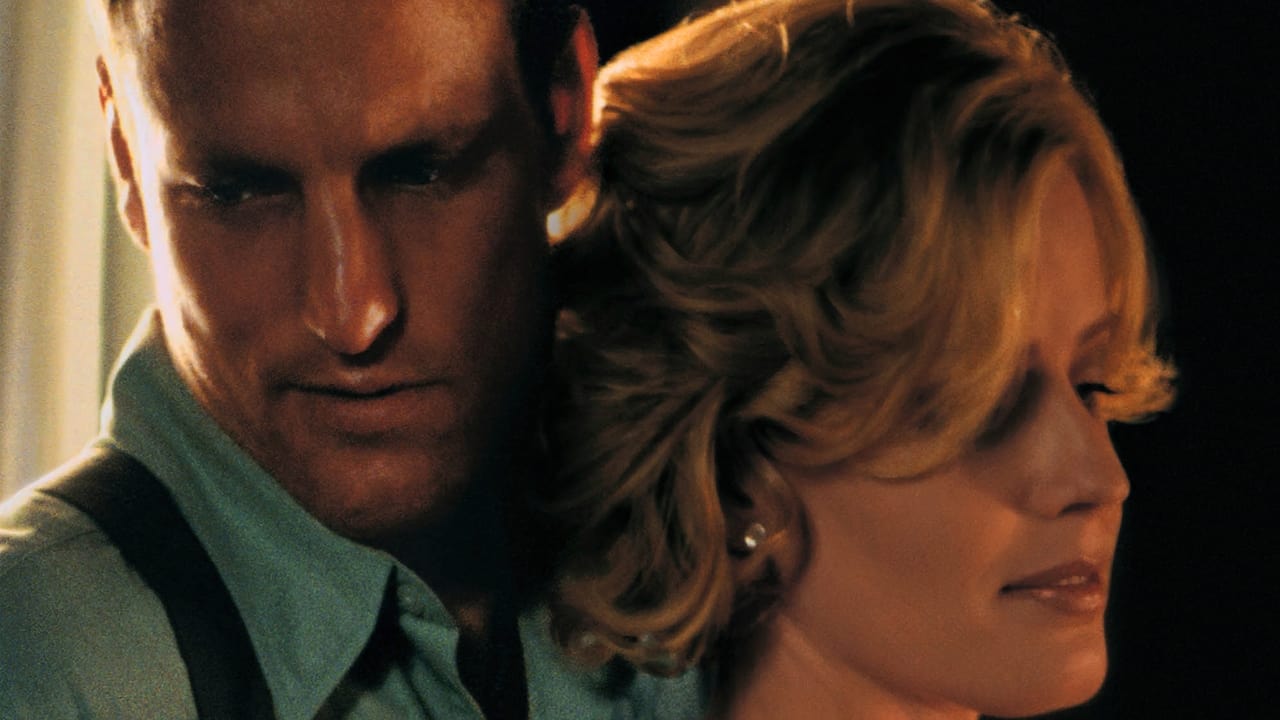
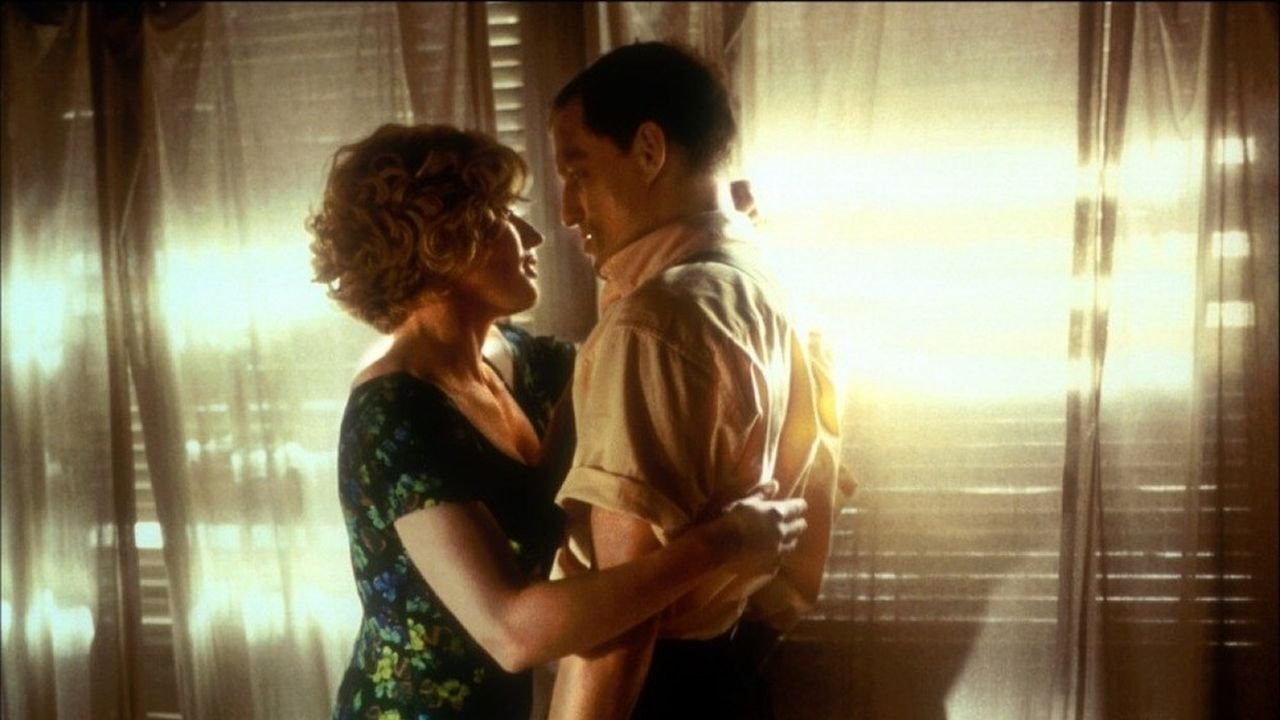
The temptation arrives in the form of Rhea Malroux, played with a calculated chill by Elisabeth Shue. She's the archetypal femme fatale, dripping wealth and languid danger, proposing a seemingly simple (but obviously perilous) fake kidnapping scheme. Shue, who had brilliantly subverted expectations just a few years prior in Leaving Las Vegas (1995), leans into the dangerous allure here. Does she fully escape the confines of the archetype? Perhaps not entirely, but she wields Rhea's manipulative power with a conviction that makes Harry's entanglement utterly believable. You watch him walk into the trap, eyes wide open yet somehow blind, and you can only shake your head.
A Tangled Web in the Sunshine State
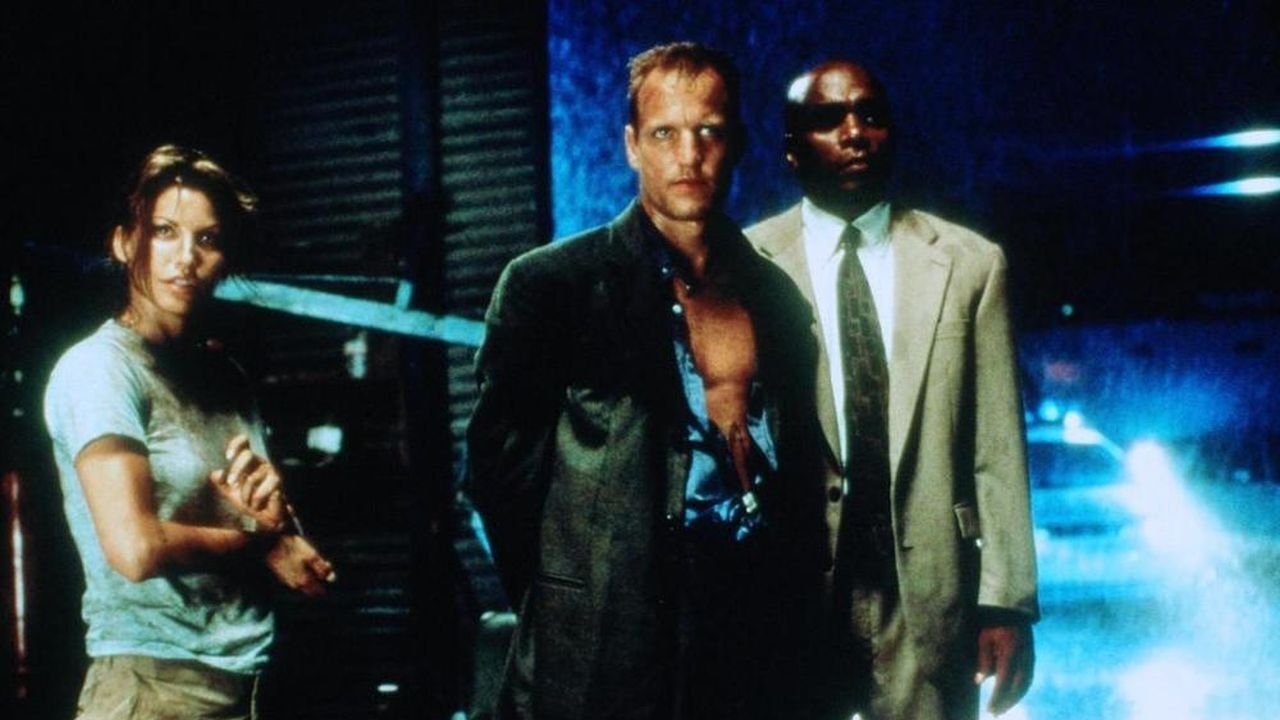
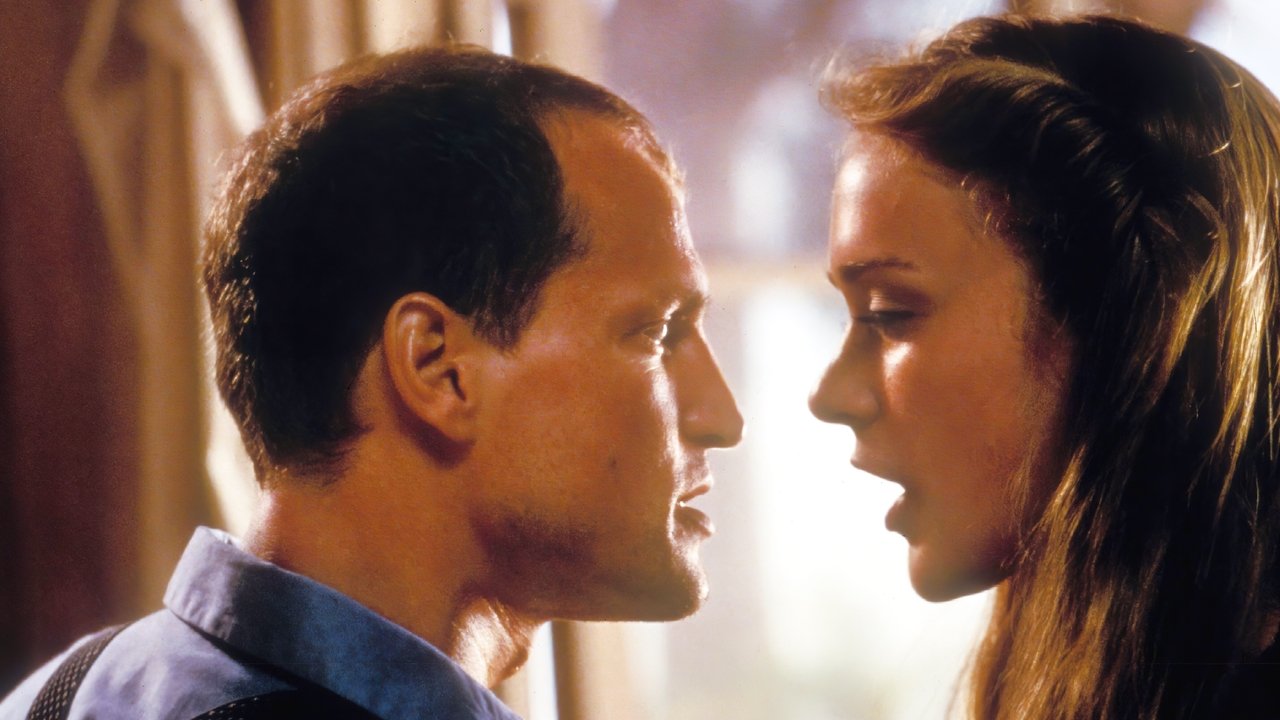
What unfolds is a classic noir setup transplanted to the sun-drenched, moneyed enclave of Palmetto, Florida. The plot, adapted by E. Max Frye (who penned the deliciously unpredictable Something Wild back in 1986) from James Hadley Chase's 1961 pulp novel Just Another Sucker, twists and turns, layering deceit upon deceit. Adding another layer of complication is Nina, Harry's girlfriend, portrayed by the ever-compelling Gina Gershon. Fresh off her iconic performance in the Wachowskis' tight neo-noir Bound (1996), Gershon brings a grounded, earthy counterpoint to Shue's icy schemer. Nina represents a potential anchor for Harry, a link to a simpler, more honest life he claims to want, making his inevitable spiral all the more poignant. The tension between these two women, and Harry's position between them, forms a compelling core.
It's fascinating to consider Volker Schlöndorff behind the camera. Here's a director celebrated for weighty European dramas like the Palme d'Or and Oscar-winning The Tin Drum (1979), tackling a sweaty slice of American pulp. You have to wonder what drew him to this material. Perhaps it was the challenge, or the chance to explore themes of corruption and moral compromise in a different cultural context? While the film might not reach the heights of his most acclaimed work, Schlöndorff brings a craftsman's eye to the proceedings. Working with cinematographer Thomas Kloss (whose background included many stylish music videos), he captures the suffocating beauty of the Florida locations – primarily Sarasota and the Tampa Bay area – making the environment an active participant in the narrative's pressure cooker atmosphere. Reportedly, the relentless heat during filming wasn't just atmospheric; it was a genuine production challenge, adding a layer of real-world discomfort that arguably seeped onto the screen.
Retro Fun Facts: Unspooling Palmetto
- Despite the star power and respected director, Palmetto didn't exactly set the box office alight. Made for an estimated $20 million, it pulled in less than $6 million domestically. It seems this kind of mid-budget, adult-oriented thriller was already finding it tough going against the event movies dominating the late 90s multiplex. It found its second life, like so many others, on home video.
- The source material, James Hadley Chase's Just Another Sucker, is classic hardboiled fare. While Frye's script updates the setting and sensibilities, the core DNA of a doomed protagonist ensnared by a dangerous woman and inescapable circumstances remains firmly intact.
- The casting of Shue was intriguing at the time. Post-Oscar nomination, taking on a femme fatale role felt like a deliberate move to showcase range beyond the poignant vulnerability she displayed in Leaving Las Vegas.
Does the Scheme Still Hold Up?
Watching Palmetto today, it exists in that interesting space between slick studio thriller and slightly pulpy B-movie. The plot, while engaging, occasionally strains credibility, relying on a few too many convenient turns or character decisions that feel driven more by narrative necessity than psychological truth. Harry, despite Harrelson's best efforts, sometimes comes across as more naive than his cynical narration suggests.
Yet, there's an undeniable charm to it. It’s a film that commits to its sultry, duplicitous atmosphere. The performances are strong across the board, particularly the central trio who navigate the treacherous plot with skill. It captures a specific late-90s vibe – that slightly glossy yet gritty feel common to thrillers of the era that were trying to recapture the noir spirit. It might not be a forgotten masterpiece, but it's a thoroughly entertaining slice of Florida noir that understands the seductive power of heat, desperation, and bad decisions. For fans of the genre, or those who remember scanning the thriller section at Blockbuster for something with a bit of familiar star power and a tantalizing premise, Palmetto remains a worthwhile watch.
Rating: 6.5/10
The score reflects a film that delivers atmospheric genre thrills and strong performances, particularly from Harrelson and Gershon, but is held back by a somewhat predictable plot trajectory and occasional lapses in logic. It doesn't reinvent the neo-noir wheel, but it spins it with enough sultry style and conviction to make for an engaging, if not entirely memorable, trip to the Sunshine State's darker side.
It leaves you pondering the allure of the easy score, the way desperation can cloud judgment, and how sometimes, the brightest sunshine can cast the longest, most dangerous shadows.