Okay, settle back into that worn armchair, maybe imagine the faint hum of a VCR powering up. Let's talk about a film that felt like a ghost from another era when it landed on shelves in 1997, a slick, dark jewel amidst the usual blockbuster fare: L.A. Confidential.
### The Sun-Drenched Nightmare
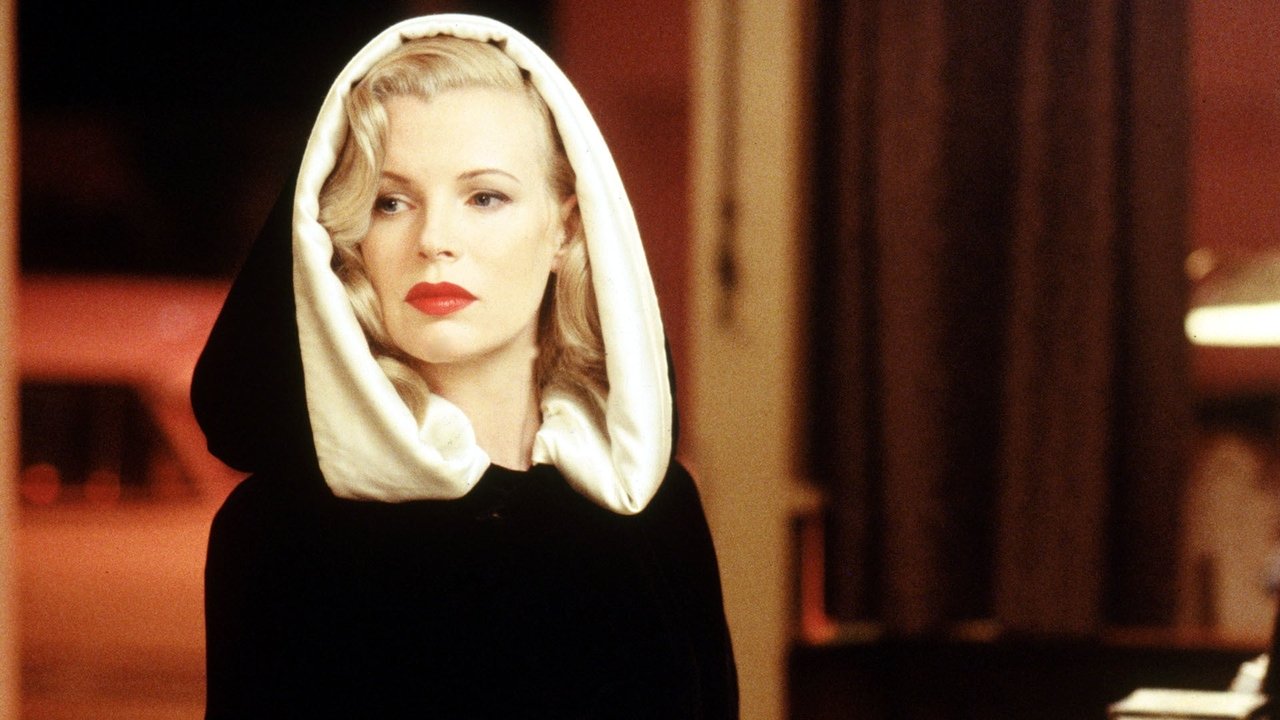
Los Angeles, 1953. The Kodachrome dream, isn't it? Sun-drenched streets, burgeoning optimism, Hollywood glamour... a city selling postcard perfection. But Curtis Hanson's L.A. Confidential peels back that glossy veneer almost immediately, plunging us into a world saturated with cynicism, corruption, and the kind of shadows that sunlight never quite reaches. It’s a film that arrived decades after the classic noir period but captured its bruised heart with astonishing precision, reminding us that the darkness it explored never truly went away. Watching it again now, years later, that initial feeling returns – the sense of being pulled into a meticulously crafted, morally ambiguous world that feels both historically specific and disturbingly timeless.
### Three Sides of a Tarnished Badge
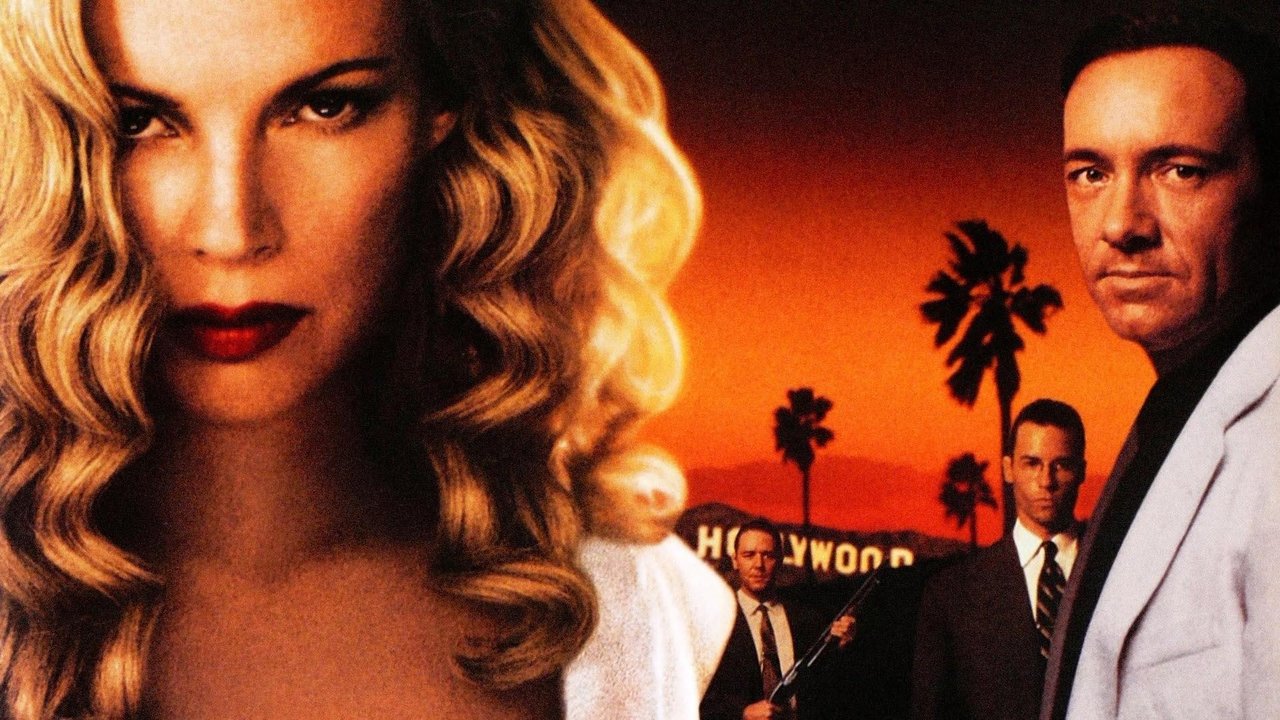
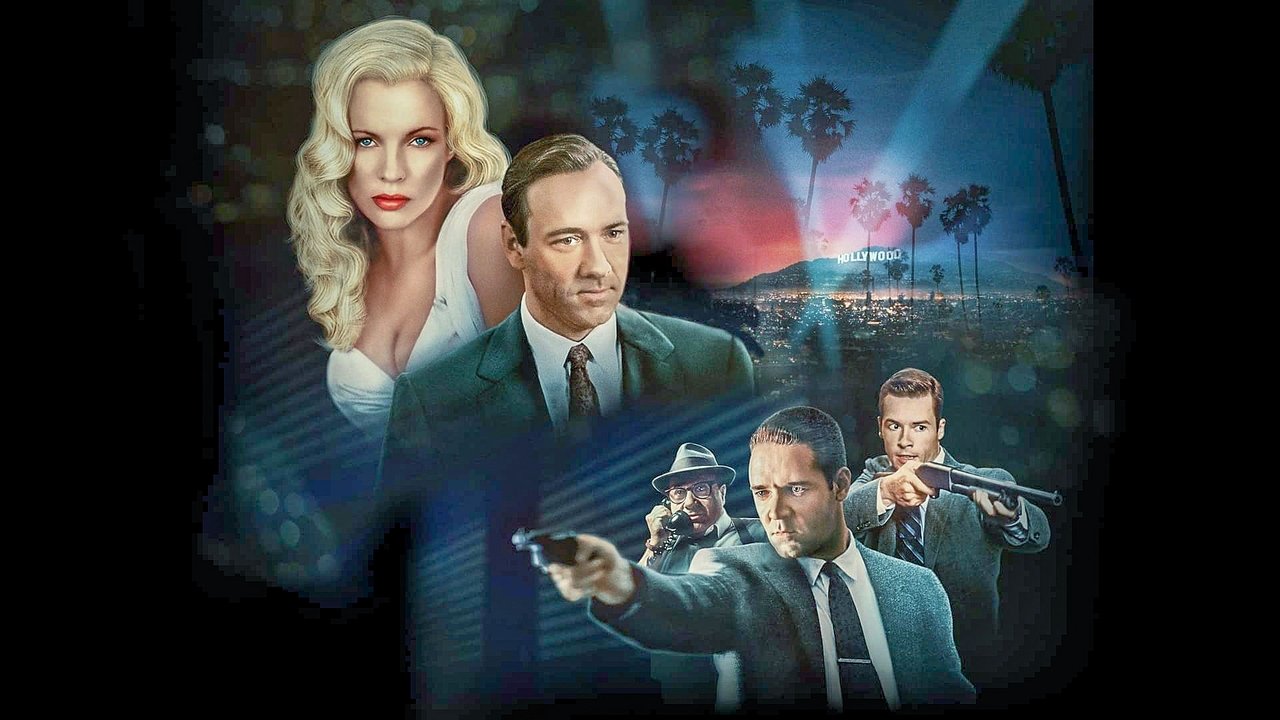
At the center of this intricate web are three LAPD officers, each a study in compromised morality. There’s Ed Exley (Guy Pearce), the politically ambitious straight-arrow, bookish and seemingly incorruptible, desperate to escape his legendary father's shadow. Then we have Bud White (Russell Crowe), a volcano of barely contained rage fueled by a protective instinct towards abused women, quick with his fists and slow with diplomacy. And finally, Jack Vincennes (Kevin Spacey), the celebrity detective, advisor on the TV show "Badge of Honor," feeding tips to sleazy tabloid publisher Sid Hudgens (Danny DeVito) and basking in the limelight.
What makes the film so compelling is how these initially distinct archetypes begin to fray and bleed into one another as they investigate the brutal Nite Owl coffee shop massacre. Pearce embodies Exley’s transformation from rigid idealist to someone forced to reckon with the messy, often dirty, reality of justice. You see the calculation behind his eyes, but also the dawning horror as the system he believed in reveals its rotten core. It's a performance of incredible control and subtle shifts. And Crowe? For many of us, this was the film that announced his arrival as a major force. He gives Bud White a terrifying physical presence but also a surprising vulnerability, a raw nerve exposed. It’s a performance simmering with barely suppressed violence, yet hinting at a desperate need for connection.
It's fascinating trivia now, but studio executives were initially hesitant about casting the then relatively unknown Australian actors Pearce and Crowe. Director Curtis Hanson, however, championed them, convinced they had the right intensity and lack of Hollywood baggage for these complex roles. He was absolutely right. Watching them navigate this treacherous landscape alongside the established star Kevin Spacey creates a dynamic that feels authentic and unpredictable. Spacey, for his part, masterfully portrays Vincennes' slick charm slowly dissolving into a weary conscience, a journey that becomes unexpectedly poignant. He apparently initially wanted the role of Bud White, but ultimately delivered a career-highlight performance as the tragically hip detective.
### Crafting the Corruption
Hanson, working with co-writer Brian Helgeland (who both snagged a well-deserved Oscar for Best Adapted Screenplay), performed a near-miracle condensing James Ellroy's sprawling, notoriously complex novel into a coherent, gripping narrative. Ellroy himself reportedly loved the adaptation, high praise indeed. They retained the novel's density and moral ambiguity while crafting a propulsive cinematic thriller. The plot, involving drugs, prostitution rings mimicking movie stars, corrupt officials, and buried secrets, is intricate but never confusing, each reveal hitting with calculated impact.
The film looks incredible, thanks largely to Dante Spinotti's cinematography. It avoids slavish imitation of classic noir visuals, instead opting for rich colours that somehow feelperiod-correct yet simultaneously modern and dangerous. The California sunshine is often harsh, exposing flaws rather than concealing them. The production design meticulously recreates 1950s L.A. – the diners, the police stations, the Hollywood bungalows – making the setting a character in itself. They even shot in key period locations like the Formosa Cafe and parts of Angelino Heights, adding a layer of authenticity that you just feel seep through the screen. I remember renting this on VHS, the Panavision widescreen slightly compromised by the format, yet the atmosphere still utterly consumed the living room CRT.
### More Than Just Shadows
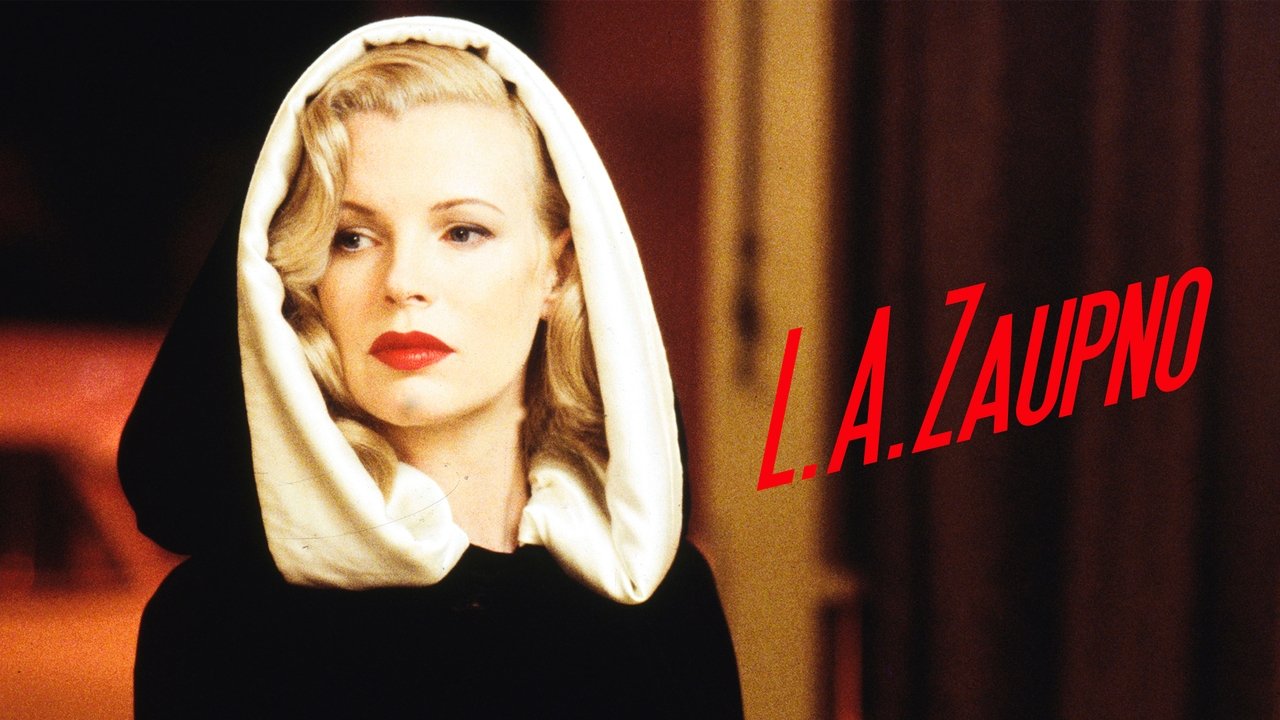
While the men navigate the labyrinth, Kim Basinger delivers an Oscar-winning performance as Lynn Bracken, a high-class call girl styled to look like Veronica Lake. She could have been a simple femme fatale, but Basinger imbues her with a weary intelligence and a deep-seated longing for escape that makes her utterly captivating. She’s trapped in the system just as much as the cops are, albeit in a different way. And we can’t forget James Cromwell as Captain Dudley Smith, the seemingly avuncular Irish cop whose polite demeanor masks a chilling ruthlessness. His performance is a masterclass in understated menace.
The film was a significant critical and commercial success, earning around $126 million worldwide against its $35 million budget (that's roughly $242 million against $67 million in today's money – a solid hit). It garnered nine Academy Award nominations, including Best Picture, though it famously ran into the Titanic iceberg that year. Still, its two wins for Basinger and the screenplay cemented its status.
### Lasting Confidential
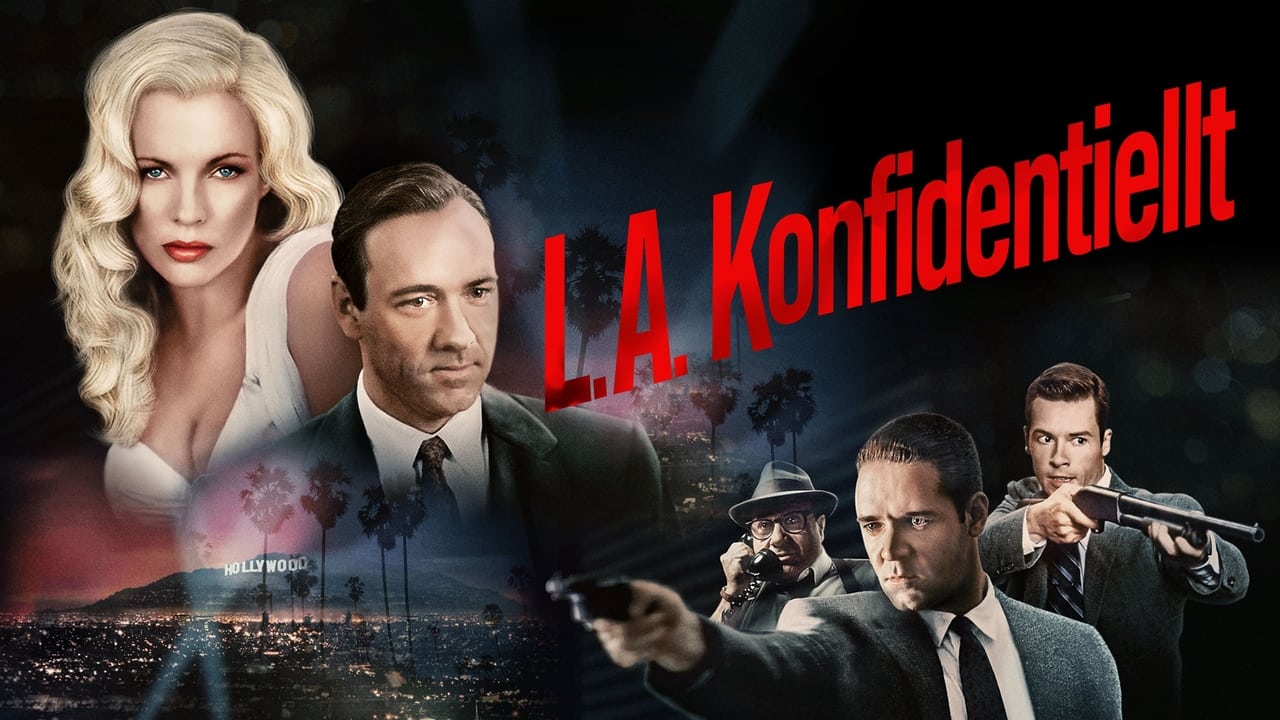
L.A. Confidential remains a high watermark for modern crime thrillers and neo-noir. It respects its genre roots while feeling entirely relevant, exploring timeless themes of ambition, corruption, racism, and the seductive nature of power and image. The performances are uniformly excellent, the script is razor-sharp, and the direction is masterful. It’s a film that rewards repeat viewings, revealing new layers and nuances each time. Does the perfect, clean image of progress ever truly hide the darkness beneath? L.A. Confidential suggests the answer is a definitive, cynical 'no'.
Rating: 9.5/10
This score reflects a near-perfect execution of a modern noir masterpiece. The intricate plot, stellar performances, masterful direction, and pitch-perfect atmosphere combine to create an unforgettable cinematic experience. It falters only in the slightest sense that perhaps its very perfection makes it feel almost too polished compared to the grittier, looser noirs of the 40s and 50s, but that's searching for flaws. It's a film that respected the audience's intelligence back in '97 and continues to do so today. Pulling that tape off the rental shelf felt like uncovering something special, and that feeling hasn't faded one bit. What lingers most is the chilling thought: how much of that carefully constructed facade of L.A. persists, even now?