What if eternity wasn't a grand spectacle, but a quiet, slightly dilapidated waystation? Imagine being asked the most profound question imaginable: which single memory, from your entire existence, would you choose to take with you forever? This isn't the setup for a high-concept thriller, but the gentle, soul-stirring premise of Hirokazu Kore-eda's 1999 masterpiece, After Life (or Wandafuru Raifu). Finding this on a VHS shelf, perhaps tucked away in the 'World Cinema' section amidst brasher, louder tapes, felt like uncovering a fragile secret – a film that whispers profound truths instead of shouting them.
### Between This Life and the Next
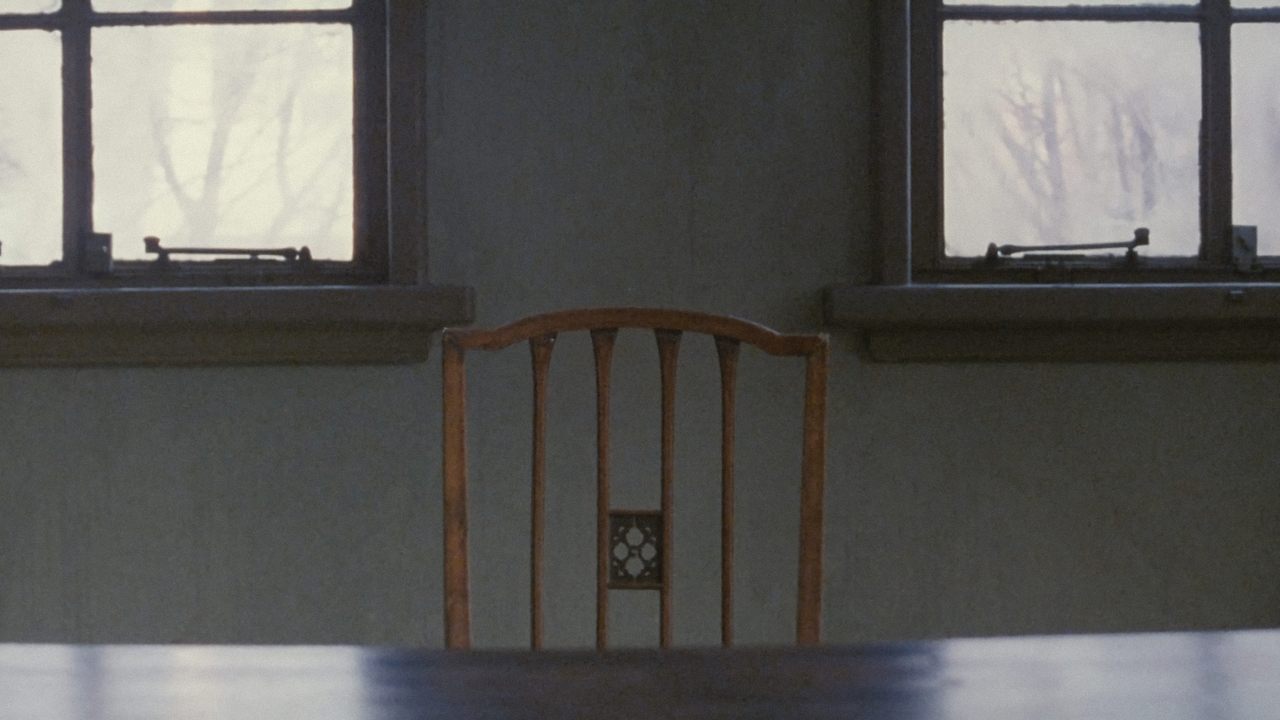
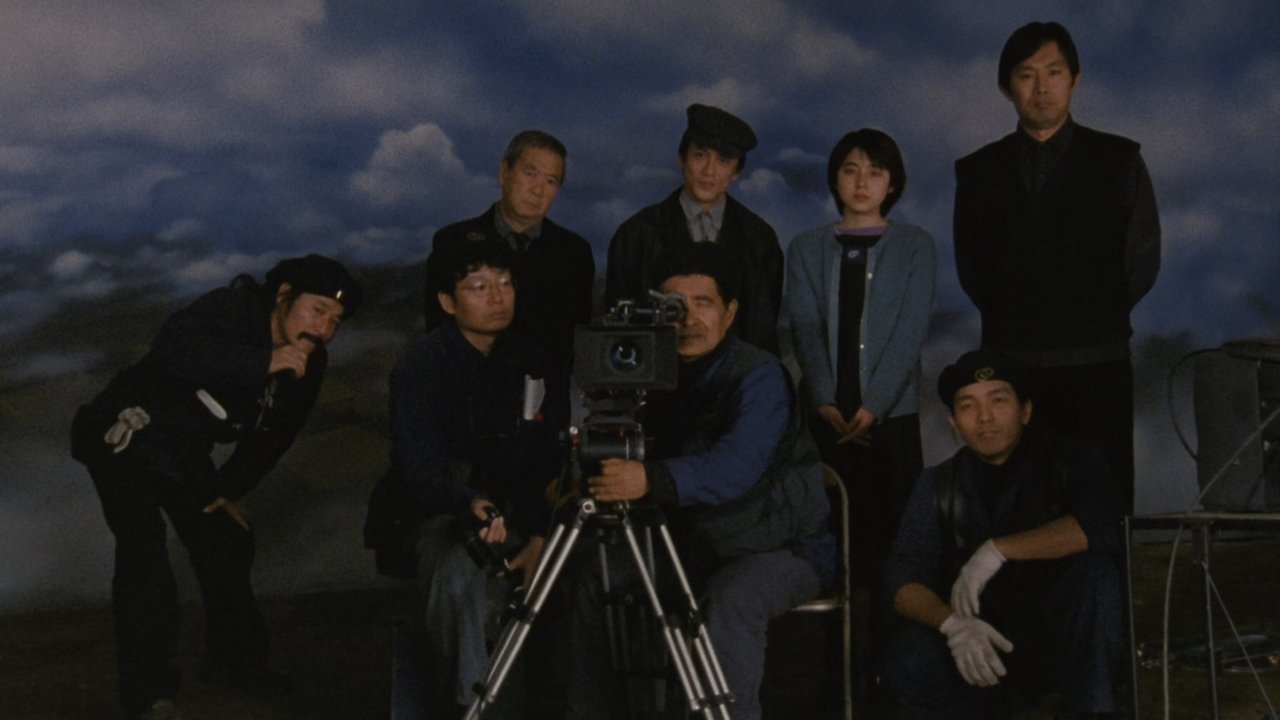
The setting itself speaks volumes. It’s not pearly gates or fiery pits, but a modest, slightly worn building, staffed by counselors who seem more like patient social workers than celestial beings. Here, the recently deceased have one week to sift through their lives, guided by counselors like the thoughtful Takashi Mochizuki (Arata Iura, credited then simply as Arata) and the earnest Shiori Satonaka (Erika Oda), to select that one perfect memory. This chosen moment will then be recreated on film by the staff and screened, allowing the soul to relive it for eternity, forgetting everything else. The genius lies in this mundane bureaucracy applied to the ultimate existential task. It feels startlingly, recognizably human. There are forms to fill, interviews to conduct, and even technical challenges in recreating scenes from decades past on rudimentary soundstages.
### Echoes of Reality
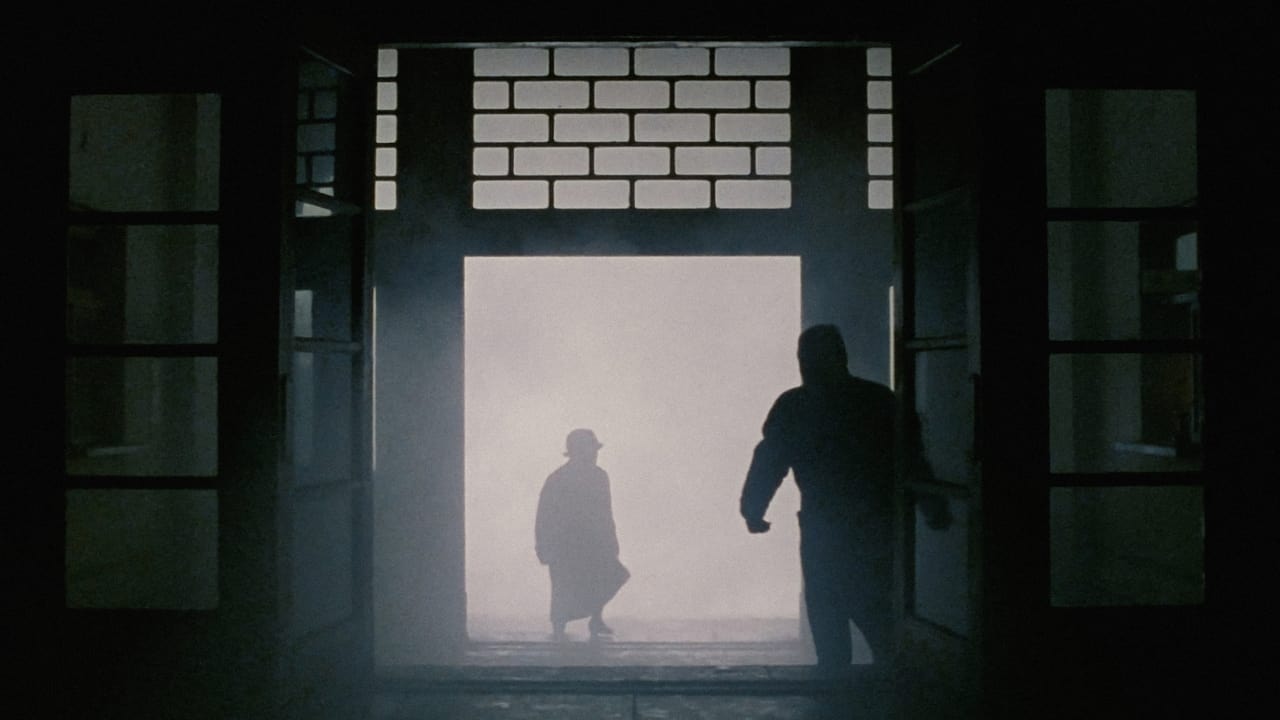
What elevates After Life beyond its captivating premise is Kore-eda’s deeply empathetic direction. Drawing heavily on his background as a documentary filmmaker, he achieves a remarkable sense of authenticity. Much of the film's power comes from the interviews conducted by the counselors, where ordinary people grapple with the monumental task of choosing. Reportedly, Kore-eda interviewed hundreds of elderly Japanese people about their most cherished memories, and many of these real reflections form the basis of the dialogues, with several non-professional actors essentially playing versions of themselves. This bleeds into the performances, lending an incredible weight of truth to their recollections. You don't feel like you're watching actors recite lines; you feel like you're witnessing genuine introspection, the hesitant searching for meaning in a life lived. The simplicity of their chosen moments – sunlight through leaves, a breeze on a tram, a simple shared pleasure – speaks volumes about what truly matters.
### The Weight of a Single Memory
The film doesn't shy away from the difficulty of this choice. Some characters, like the elderly Mr. Watanabe (Taketoshi Naito), struggle immensely, unable to pinpoint a single moment of true happiness in a long, seemingly unremarkable life. His journey becomes a poignant exploration of regret and the search for validation. Conversely, others grasp their treasured memory quickly, finding solace in simple, personal joys. Through these vignettes, Kore-eda probes deep questions: What constitutes a meaningful life? Is happiness found in grand achievements or fleeting, sensory experiences? How do we measure the value of our time on Earth? The film offers no easy answers, preferring instead to let the audience ponder alongside the characters. There's a quiet revelation, too, involving one of the counselors, which adds another layer about the nature of memory, connection, and letting go – handled with Kore-eda's characteristic grace.
### A Film That Lingers
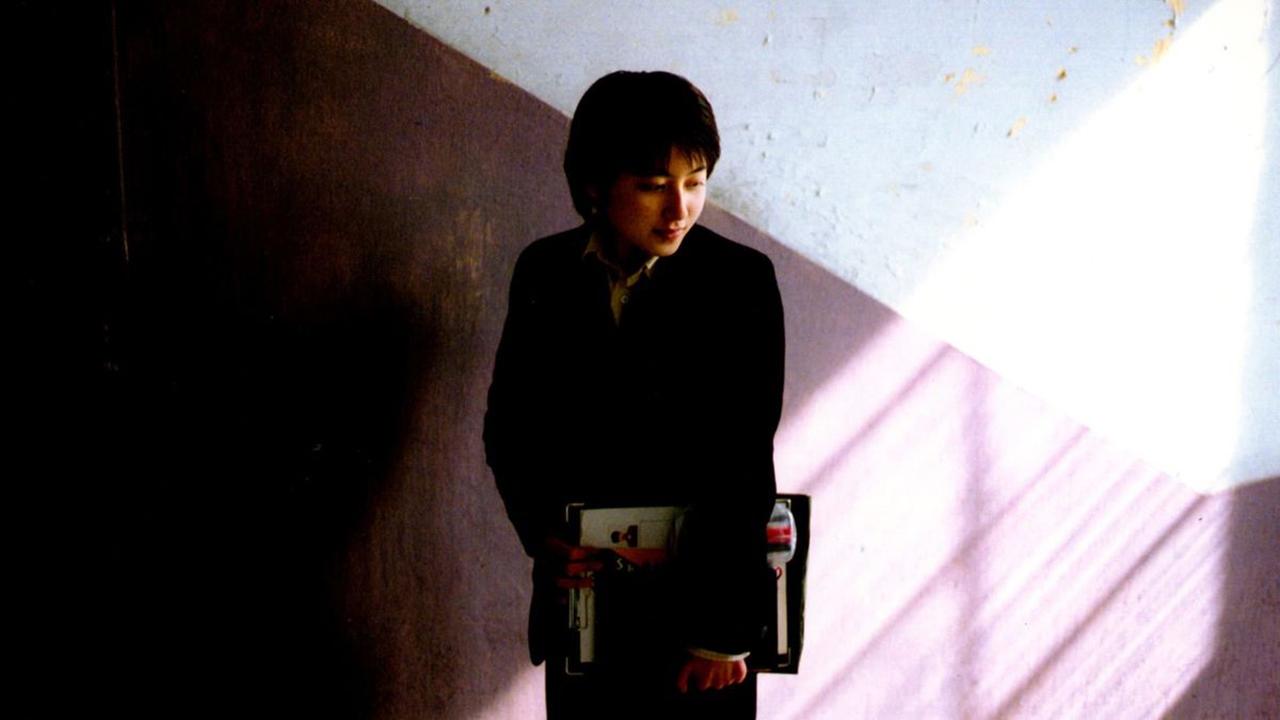
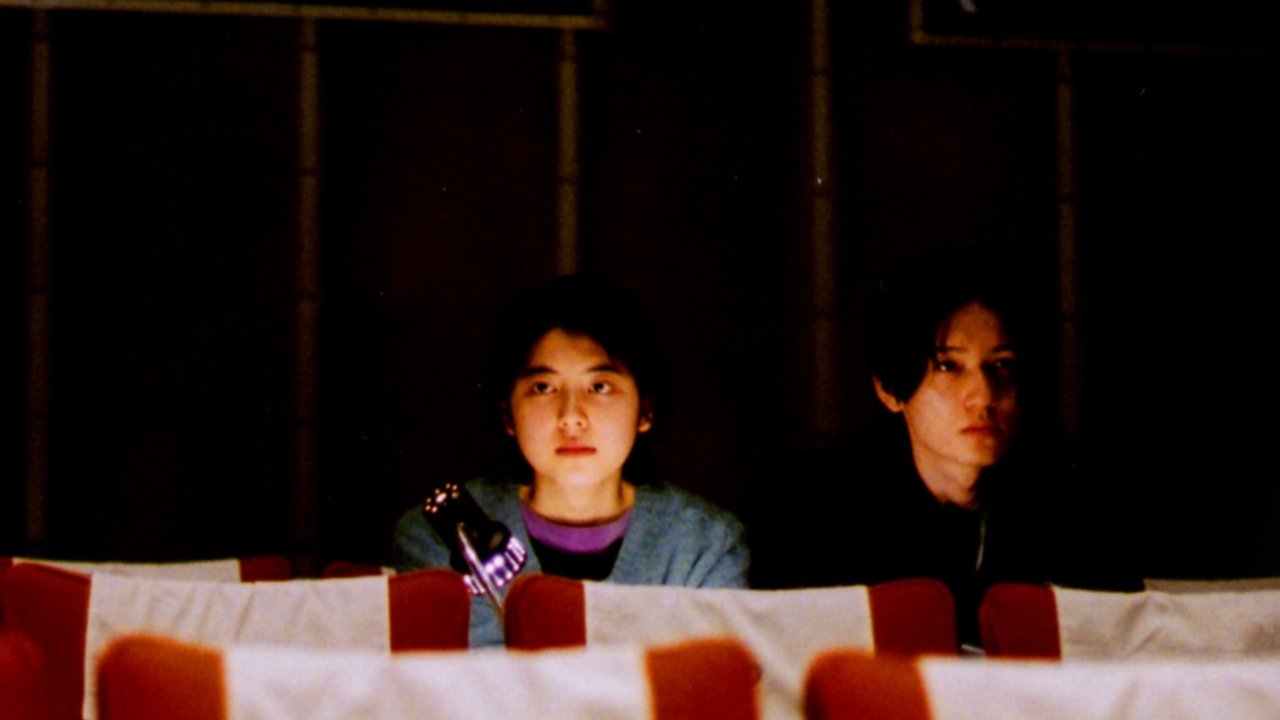
Watching After Life again, years after first encountering it likely on a slightly fuzzy NTSC tape, its power hasn't diminished. If anything, it resonates more deeply. The deliberate pacing, which might have felt slow back in the days of VCR fast-forward buttons, now feels essential, allowing space for contemplation. The film’s visual style is understated, focusing on faces and the textures of the slightly worn setting, reinforcing the human scale of its cosmic subject. It’s a testament to Kore-eda’s skill that a film dealing with death and eternity feels so profoundly life-affirming. He finds beauty not in grand pronouncements, but in the quiet dignity of ordinary people reflecting on their past. It’s a film that understands that sometimes, the smallest moments hold the greatest weight. I remember renting this from a university library's film collection, a stark white VHS case that promised something different, and it delivered an experience that has stayed with me ever since.
Rating: 9/10
This near-perfect score reflects the film's profound emotional depth, its unique and brilliantly executed concept, and the authentic performances Kore-eda masterfully elicits. It's a quiet film, demanding patience, but its rewards are immense, offering a deeply moving meditation on life, memory, and what truly endures. After Life doesn’t just ask you to consider your most precious memory; it gently encourages you to recognize the potential for such moments in the here and now. What memory would you choose? The question lingers long after the credits fade.