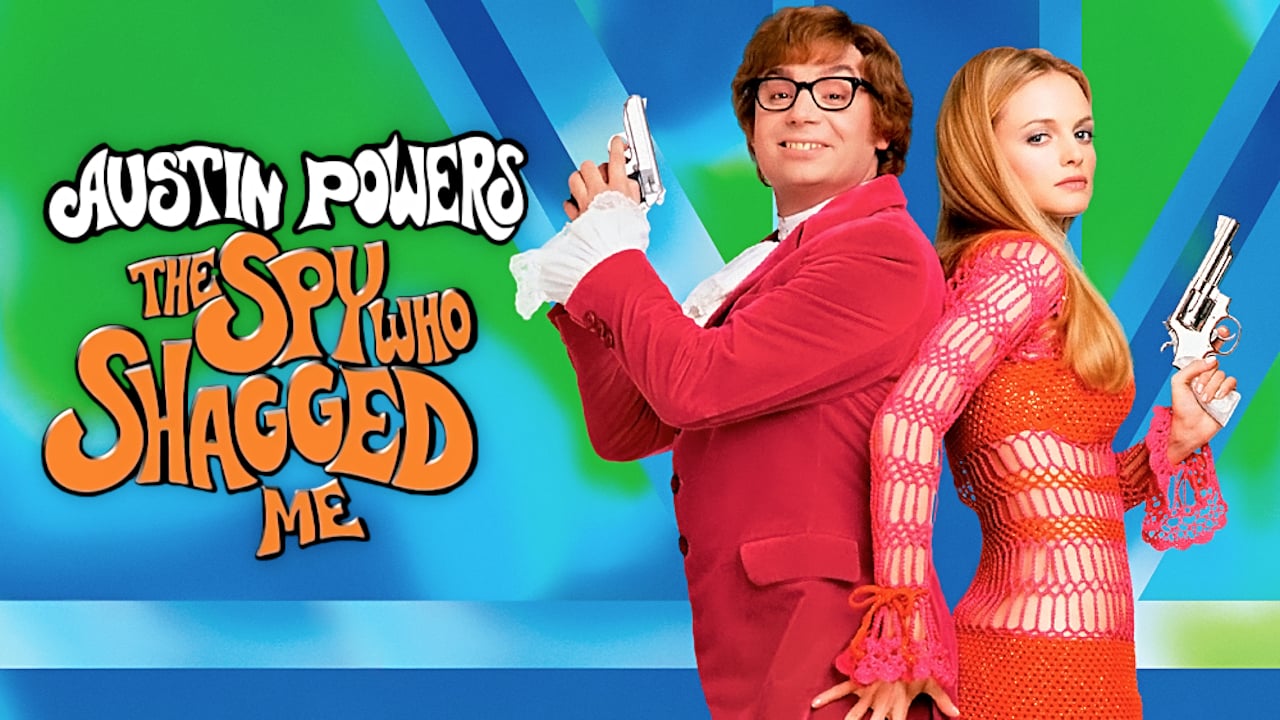
Alright shagadelic cats and kittens, gather 'round the flickering glow of the Zenith! Remember that feeling in '99? The first Austin Powers (1997) had been this sleeper hit, the kind of tape you passed around until it wore thin, quoting lines that baffled anyone who hadn't seen it. Then came the sequel, heralded by that title – a brazen double entendre plastered on multiplex marquees everywhere. Austin Powers: The Spy Who Shagged Me wasn't just a follow-up; it was an event, amplifying everything about the original until the speakers buzzed. Popping this tape in felt less like a rental and more like plugging directly into the pop culture mainframe.
More Mojo, More Myers
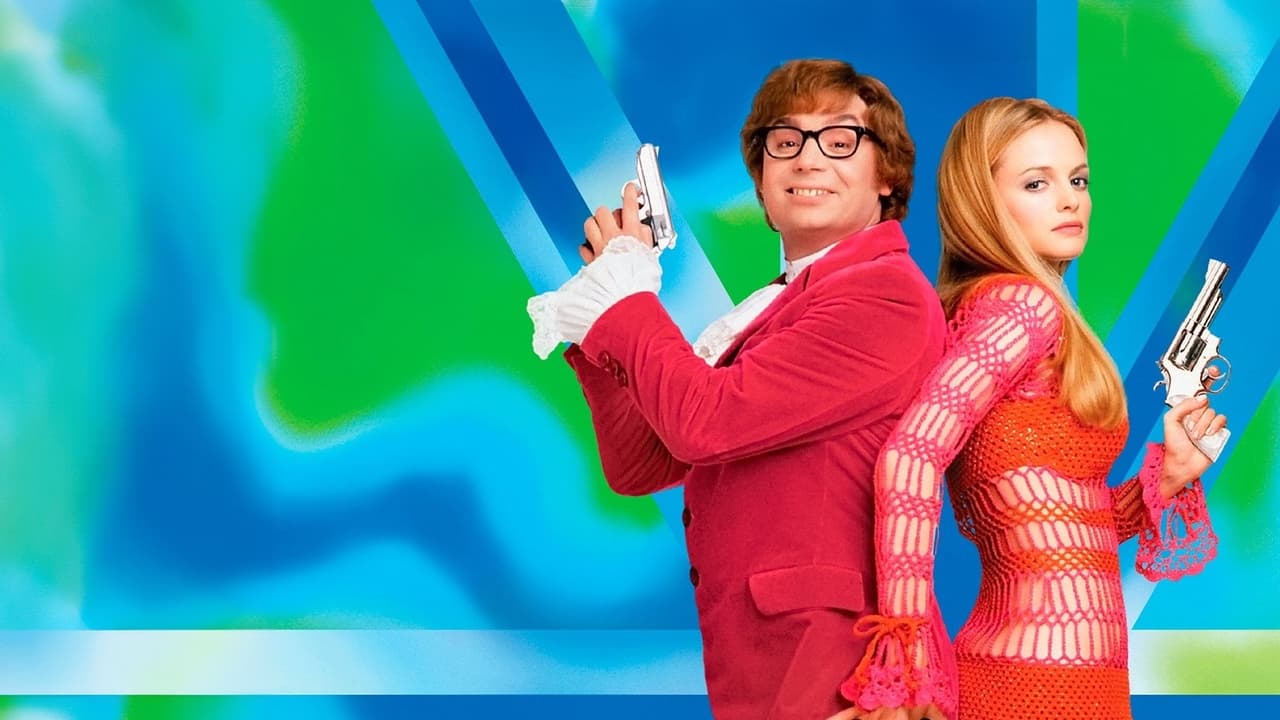
The plot, as if it truly matters in an Austin Powers film, kicks off with our hero losing his mojo – literally stolen by Dr. Evil via time machine. This sends Austin swinging back to 1969, the heart of the era he embodies, teaming up with CIA stunner Felicity Shagwell (Heather Graham, stepping into the go-go boots after Elizabeth Hurley's Vanessa was amusingly revealed to be a fembot). The mission: retrieve the mojo, stop Dr. Evil's "laser" (cue air quotes) on the moon, and generally be as groovy as possible. What really mattered, though, was that Mike Myers, the comedic engine, wasn't just back; he was tripled-down.
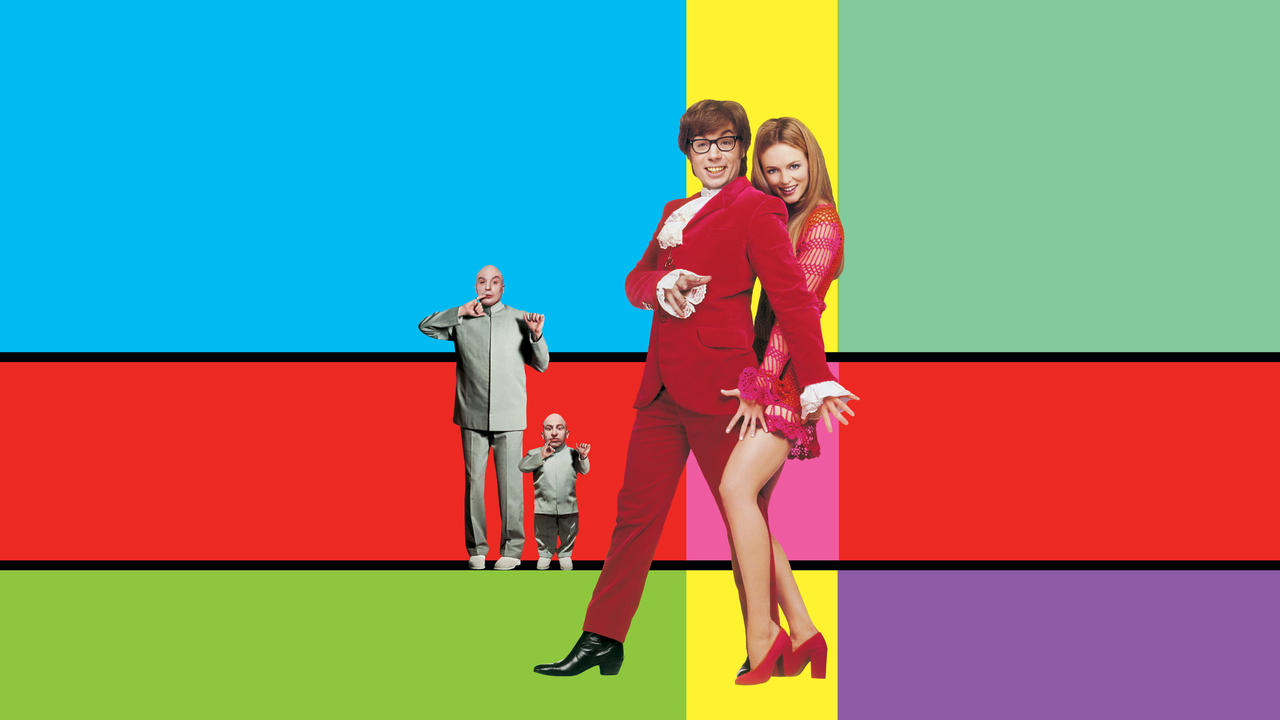
Playing Austin, Dr. Evil, and introducing the grotesquely memorable Fat Bastard required a level of comedic energy that’s frankly exhausting just to think about. Myers throws himself into each character with reckless abandon. Dr. Evil gets more screen time, more backstory (of sorts) via his therapy sessions and talk show appearances (hello, Jerry Springer!), and perhaps the film's most enduring contribution: Mini-Me.
Yeah Baby, Introducing Mini-Me!
Let's talk about the sheer, unexpected genius of Mini-Me. Played with silent, destructive glee by the late, great Verne Troyer, this 1/8th scale clone wasn't just a sight gag; he instantly became one of the most iconic comedy characters of the decade. The scenes between him and Myers' Dr. Evil are pure gold, tapping into that bizarre father-son dynamic that somehow humanizes the villain amidst plots of world domination. It's a testament to Troyer's physical comedy that Mini-Me stole nearly every scene he was in without uttering a single word (beyond the occasional squeak). His introduction absolutely cemented the sequel's place in comedy history.

Director Jay Roach, who'd later give us hits like Meet the Parents (2000), returned and clearly understood the assignment: bigger, brasher, sillier. The budget ballooned from the original's modest $16.5 million to a more substantial $33 million, and you can see it on screen – more elaborate sets, crazier costumes, and slightly more ambitious (though still charmingly goofy) action sequences. The result? A box office juggernaut, raking in over $312 million worldwide. Talk about finding its mojo!
The Joke Machine Gun
The Spy Who Shagged Me operates less like a traditional narrative and more like a rapid-fire delivery system for jokes. Puns fly thick and fast, visual gags pile up (the infamous tent silhouette scene comes to mind), and the fourth wall isn't just broken, it's practically demolished. Myers, alongside co-writer Michael McCullers, leans hard into juvenile humor – scatology, endless innuendo, sheer absurdity – but often with a surprisingly clever structure. The sheer density of gags means that even if one falls flat (and some definitely do, viewed through modern eyes), another three are right behind it, usually accompanied by George S. Clinton's perfectly groovy score or maybe even Madonna's chart-topping tie-in "Beautiful Stranger".
While Heather Graham brings wide-eyed enthusiasm as Felicity, serving as both capable partner and occasional damsel, the returning supporting cast shines. Michael York as Basil Exposition delivers exposition with dry wit, Robert Wagner doubles down on Number Two's corporate efficiency mixed with eye-patched menace, and Seth Green gets more to do as the perpetually disgruntled Scott Evil, acting as the audience surrogate rolling his eyes at his father's antics. Plus, the cameo game was strong – keep an eye out for quick appearances by Will Ferrell, Tim Robbins, and even Woody Harrelson.
Retro Fun Facts Galore
Getting that title cleared wasn't easy everywhere; some international markets demanded less suggestive alternatives like Austin Powers 2: It's Shagging Time. And the creation of Fat Bastard involved hours of prosthetic work for Myers, pushing the boundaries of comedic character transformation. Interestingly, the film's success arguably overshadowed the original for a time, becoming the definitive Austin Powers experience for many casual viewers, filling the airwaves with catchphrases like "Get in my belly!"
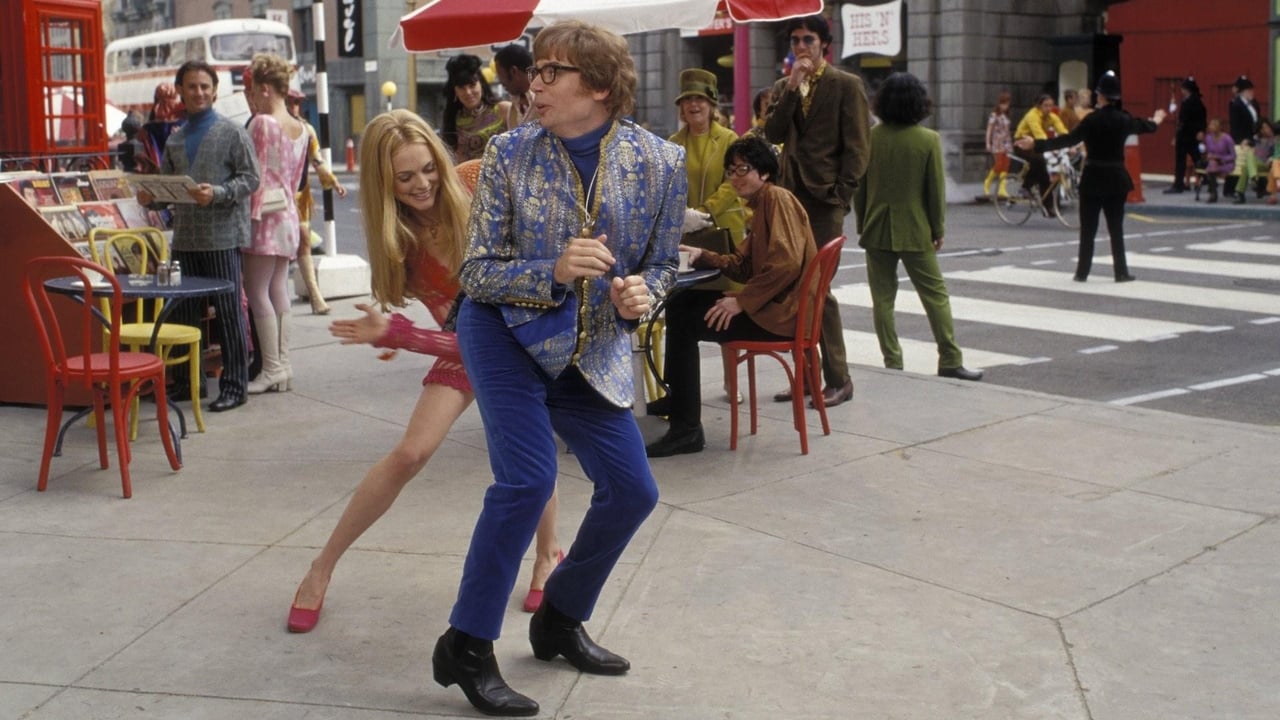
Watching it now on a (hopefully clearer) screen than my old CRT beast, the film is undeniably a product of its time. Some jokes haven't aged gracefully, and the relentless pace can feel exhausting. Yet, there's an undeniable charm to its sheer commitment to silliness. It perfectly captured that late-90s post-ironic sensibility, managing to be both a parody of and a love letter to the spy genre and 60s psychedelia. I distinctly remember the buzz around this tape at Blockbuster – it was always checked out, always the movie everyone was talking about at school or work the next day.
Rating: 8/10
The score reflects its massive success, cultural impact, and the genuine laughs it still delivers, even if some elements feel dated. It took the potential of the first film and blasted it into the stratosphere with more money, more Myers, and the unforgettable Mini-Me.
Final Shagadelic Thought: While perhaps cruder and less tightly plotted than its predecessor, The Spy Who Shagged Me is pure, uncut late-90s comedy concentrate – a loud, silly, often brilliant blast from the past that perfectly captured the moment Austin Powers became a global phenomenon, yeah baby!