The flickering neon signs of Neo-Gotham cast long, distorted shadows, but none are as deep or as chilling as the one cast by a ghost from the past. When Batman Beyond: Return of the Joker first spun up in our VCRs back in 2000, it arrived shrouded in whispers – rumors of edits, of scenes deemed too brutal, too real for an animated feature spun off from a beloved kids' show. It promised a future Batman, but delivered a nightmare dredged from the darkest corners of Bruce Wayne's history, proving that some forms of madness are truly timeless. This wasn't just another cartoon; it felt like watching forbidden knowledge, a tape passed hand-to-hand because it dared to show what happened after the credits usually rolled on Saturday mornings.
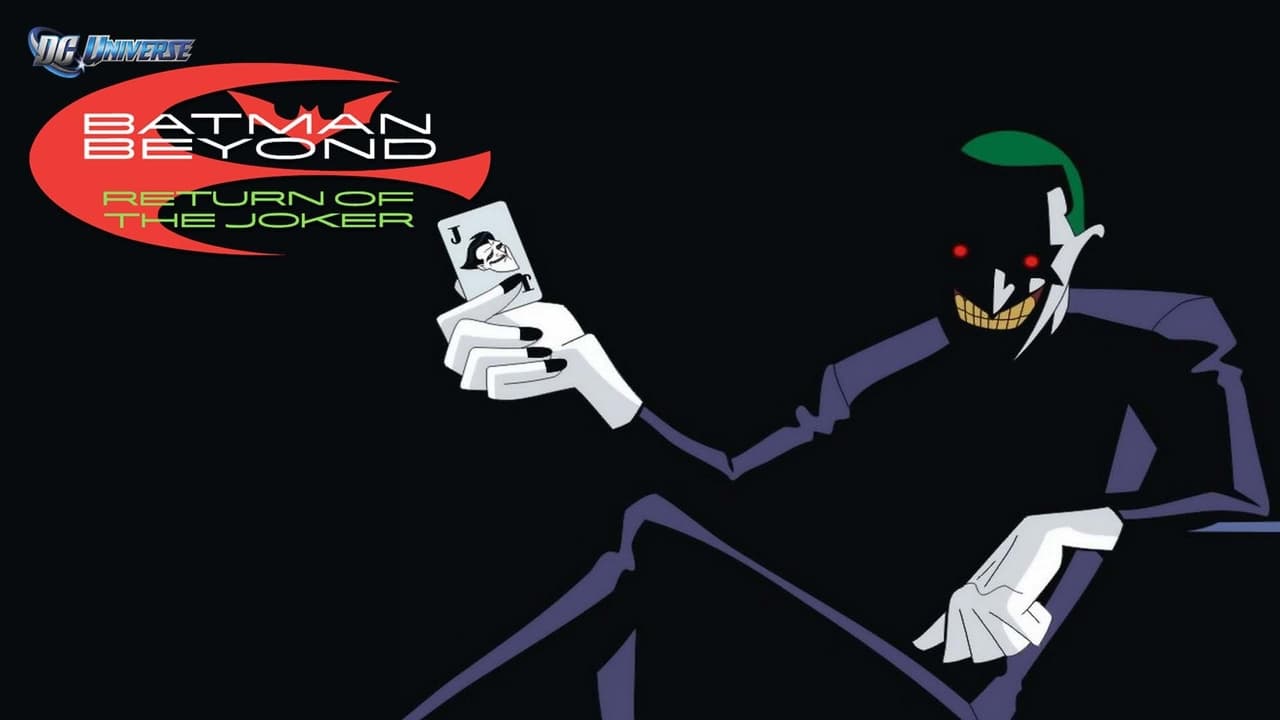
A Grinning Spectre in the Future
The setup itself is unsettling enough. Decades have passed. Bruce Wayne (Kevin Conroy, his voice etched with age and weariness) is a recluse, mentoring the young Terry McGinnis (Will Friedle) as the new Batman protecting a technologically advanced, yet somehow colder, Gotham City. Then, the impossible happens. The Joker – long thought dead after a final, fatal confrontation with the original Batman – reappears. Not an imposter, not a copycat, but seemingly the genuine article, voiced with terrifying glee by the legendary Mark Hamill. The sheer wrongness of his presence, the familiar cackle echoing through unfamiliar futuristic streets, immediately sets your teeth on edge. How? Why now? The mystery pulls you into a darkness far deeper than the sleek cyberpunk aesthetic of Batman Beyond typically explored.
The Tape They Didn't Want You to See

The true horror, the part that cements this film's reputation, lies buried in a flashback sequence. Spoiler Warning for a key plot point: We learn the harrowing truth behind the Joker's last night and what truly happened to Tim Drake, the Robin of that era. This sequence, heavily censored in the film’s initial release following misplaced anxieties after the Columbine tragedy, is the stuff of genuine nightmares. Witnessing the psychological and physical torture inflicted upon Robin isn't just cartoon violence; it's a disturbing violation, a descent into sadism that feels shockingly raw. Bruce Timm and Paul Dini, architects of the acclaimed Batman: The Animated Series, didn't shy away from the inherent darkness of the Joker, pushing the boundaries of what was considered acceptable. It’s rumored Mark Hamill himself was initially hesitant about the sheer brutality depicted in the original script, but ultimately delivered a performance that redefined the character's capacity for cruelty. Finding the uncut version later on DVD felt like unearthing a crucial, suppressed piece of evidence – the version that truly honors the grim vision of its creators. The edited version, frankly, feels neutered, robbing the story of its devastating impact.
Voices That Haunt
While the animation captures the slick Beyond aesthetic and the grimy gothic feel of the flashbacks perfectly, it’s the voice acting that truly chills the bone. Kevin Conroy remains the definitive Batman, his aged Bruce Wayne a portrait of contained trauma and weary resolve. Will Friedle captures Terry’s mix of youthful uncertainty and growing determination. But it’s Mark Hamill who steals the show, returning to his most iconic role with a terrifying ferocity. This isn't just the prankster menace of BTAS; this Joker is unhinged, vicious, his laughter laced with genuine insanity. Hearing him detail his past atrocities sends a shiver down your spine. It’s a performance that elevates the film beyond mere animation into the realm of truly effective psychological horror. You understand why this character could break even the strongest wills.
Neo-Gotham Noir
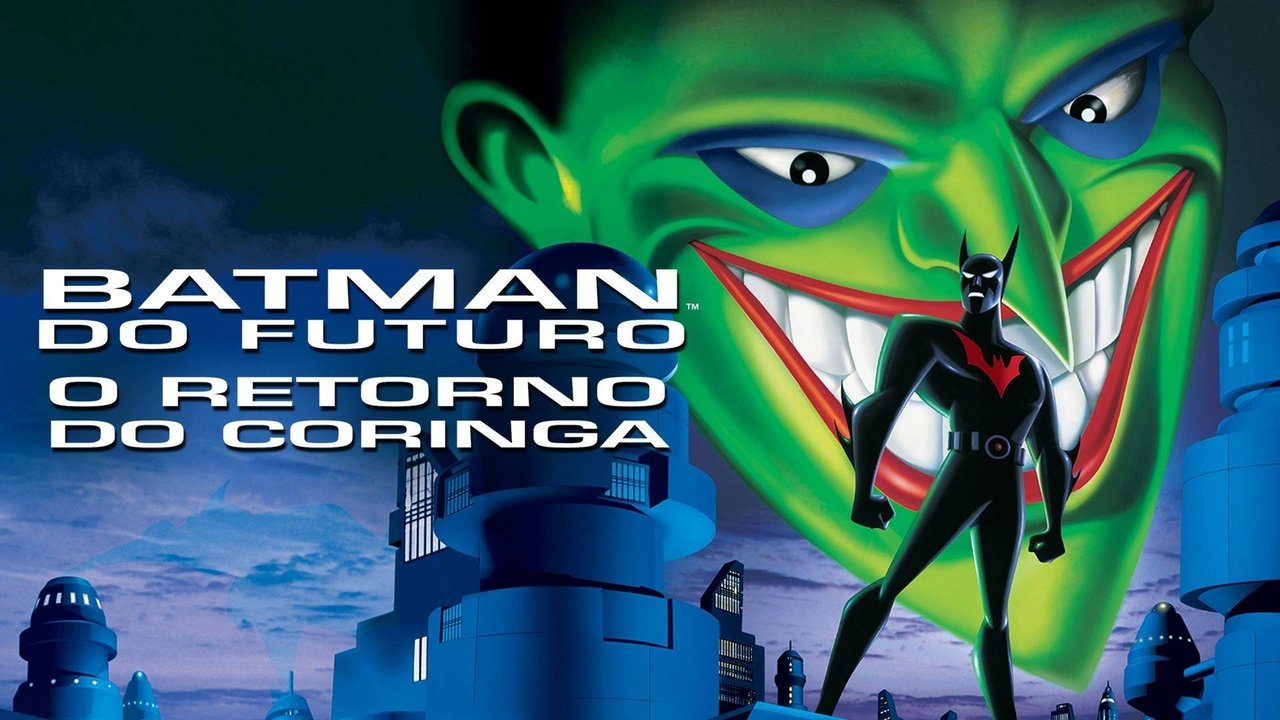
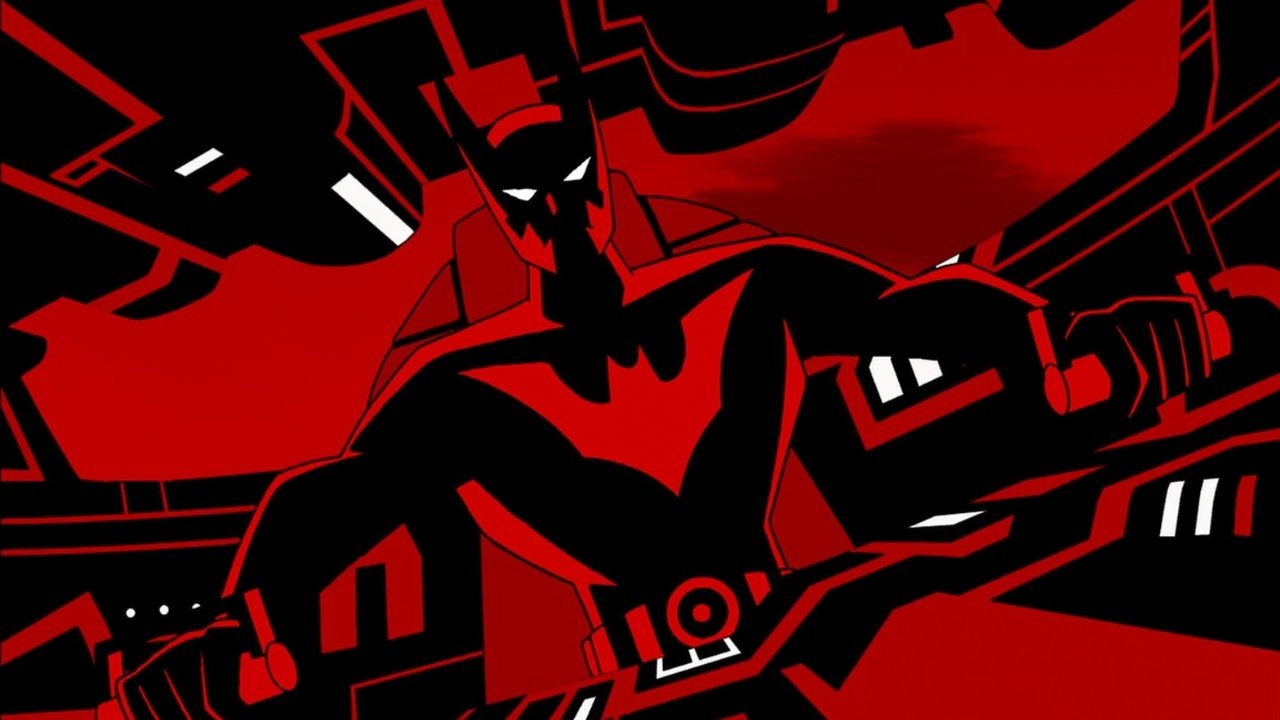
The film masterfully blends the visual styles of the two eras. Neo-Gotham is sleek, towering, yet impersonal, reflecting the technological distance of the future. The flashbacks, however, plunge us back into the familiar art-deco noir of The New Batman Adventures, making the brutality feel grounded, almost nostalgic in its darkness. The score, composed by Kristopher Carter, known for his work across the DC Animated Universe, effectively underscores the tension, shifting from futuristic synth beats to menacing orchestral swells that amplify the dread. There’s a palpable sense of atmosphere throughout, a feeling that darkness lingers just beneath the gleaming surfaces of the future city. It's a testament to the creative team that they could make an animated film feel so genuinely unnerving. They even managed to weave in trivia for eagle-eyed fans, like the Jokerz gang members being named after classic comedians (Bonk, Chucko, Ghoul, Woof, Dee Dee - referencing the granddaughters of Harley Quinn).
A Legacy Restored
Batman Beyond: Return of the Joker stands as a unique entry in the DCAU canon. Its initial, compromised release might have muted its impact, but the eventual arrival of the uncut "Original Director's Version" solidified its place as a fan favorite and a surprisingly mature exploration of trauma, legacy, and the enduring nature of evil. It proved that animation could tackle dark, complex themes with nuance and power, refusing to talk down to its audience. It's a bridge between generations of Batman, showing the scars left by the past and the challenges facing the future. Did that final reveal of the Joker's method genuinely shock you back then? It certainly left me reeling.
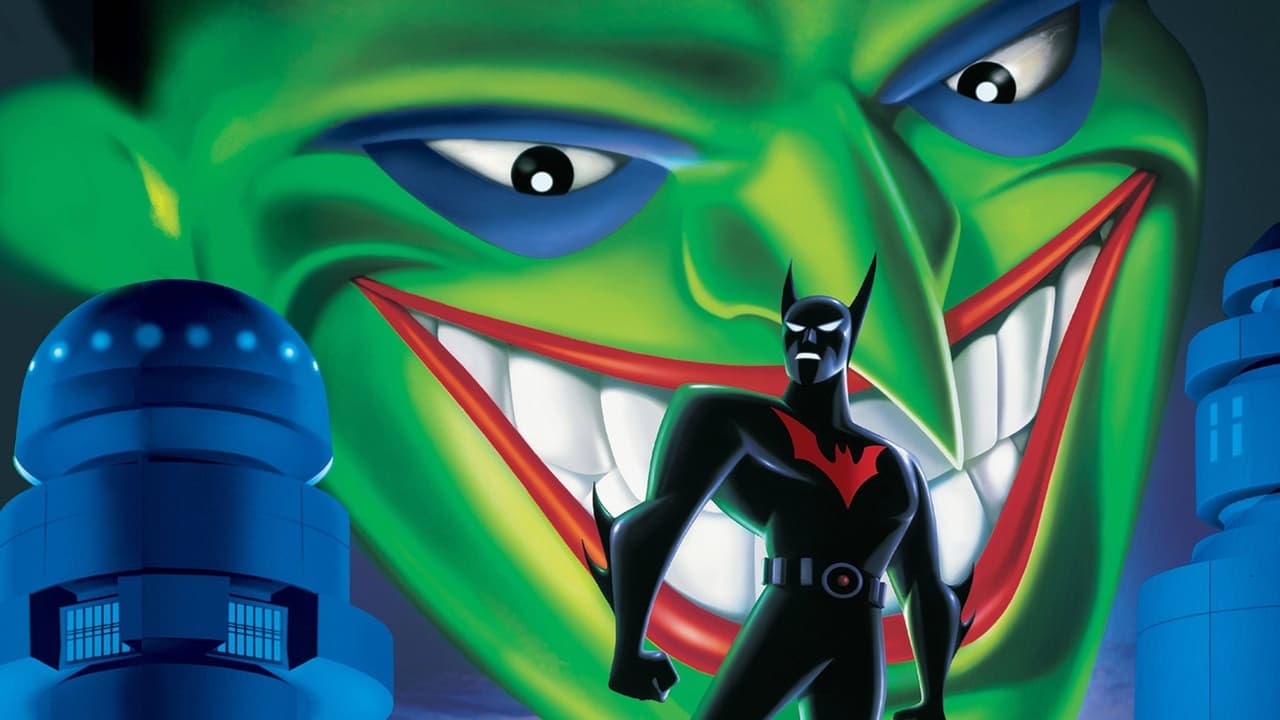
Rating: 9/10
This score is for the uncut version, which is the definitive and essential viewing experience. Return of the Joker earns this high mark for its daring narrative, its genuinely chilling atmosphere, phenomenal voice acting (especially Hamill's career-best Joker turn), and its unflinching look at the darker consequences within the Batman mythos. The flashback sequence alone is a masterclass in animated horror. While the edited version dulls the impact significantly (perhaps a 6/10), the restored film is a potent and unforgettable piece of Batman storytelling.
It’s a reminder that even in the bright future, the shadows of the past stretch long and deep, and sometimes, the most terrifying monsters are the ones we thought we’d already buried. This tape still gives me chills.