Okay, rewind your minds back to the late 90s. The video store aisles were still a glorious labyrinth, Blockbuster nights were sacred, and sometimes, nestled between the usual suspects, you'd find a cover that just screamed different. Maybe the art was strange, the title was provocative, or it hailed from somewhere unexpected. That's exactly the vibe of Álex de la Iglesia's 1999 Spanish Molotov cocktail, Muertos de Risa, known to many of us English speakers as Dying of Laughter. Forget your warm-and-fuzzy buddy comedies; this film grabs you by the collar from the get-go and drags you through a hilariously horrific saga of fame, failure, and pure, unadulterated hatred.
From Punchlines to Punches
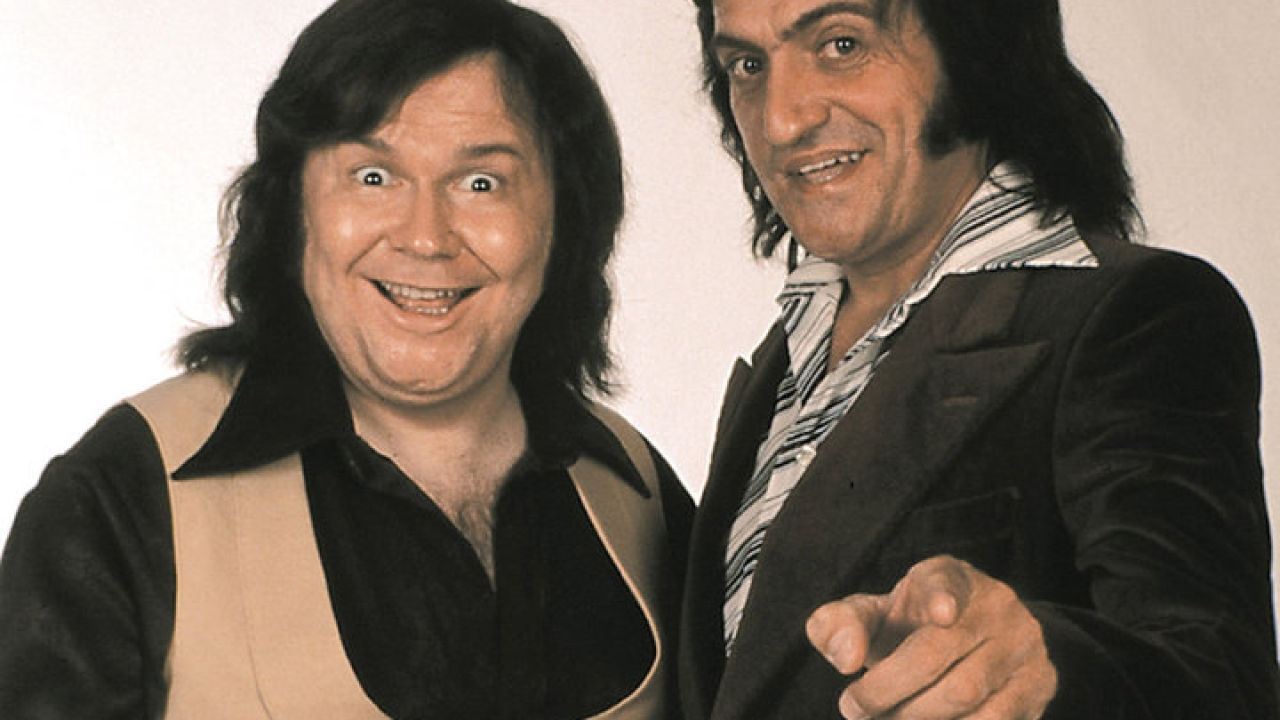
At its core, Dying of Laughter chronicles the rise and spectacular, violent fall of a fictional Spanish comedy duo, Nino (Santiago Segura) and Bruno (El Gran Wyoming), spanning from the Franco era 70s right up to the cusp of the new millennium. Nino is the awkward, insecure, joke-telling engine, while Bruno is the suave, charismatic (and utterly ruthless) straight man who craves the spotlight. Their initial success is meteoric, built on cheesy variety show routines that feel perfectly, painfully authentic to the era. But behind the forced smiles and synchronised dance steps brews a resentment so toxic it eventually becomes the real show.
Álex de la Iglesia: Master of Mayhem
If you stumbled upon this after seeing de la Iglesia's earlier cult masterpiece, The Day of the Beast (1995), you'd know you weren't in for a gentle ride. Working again with his frequent collaborator, writer Jorge Guerricaechevarría, de la Iglesia brings his signature blend of high-energy visuals, pitch-black humour, and startling violence. The camera rarely sits still, reflecting the chaotic energy of the protagonists' lives and the increasingly frantic media landscape they inhabit. He crafts scenes that swing wildly from slapstick absurdity to moments of genuinely shocking brutality, often within the same breath. It’s a style that feels deliberately abrasive, challenging the audience to keep up – and to figure out whether they should be laughing or recoiling.
Retro Fun Fact: While Santiago Segura was already known in Spain, his fame exploded right around this time thanks to directing and starring in the wildly successful (and controversial) Torrente (1998), playing a crass, corrupt ex-cop. Seeing him here as the initially nebbish Nino, who transforms into something monstrous, showcases his incredible range and willingness to embrace deeply unlikeable characters. It's a fascinating contrast.
That 90s Grit
This isn't a film reliant on slick CGI – its impact comes from grounded, often startlingly practical moments. The violence, when it erupts, feels messy and real in a way that digital blood squibs often don't. Think less Hollywood gloss, more jarring impact – a sudden crack, a visceral thud. The production design brilliantly captures the changing decades, from the gaudy TV sets of the 70s to the sleeker, yet somehow still soulless, media landscape of the 90s. It all contributes to a feeling of authenticity, even amidst the escalating absurdity. Remember how certain European films just felt different on VHS? Less polished, maybe, but often packing a harder punch? Dying of Laughter has that quality in spades. It’s also worth noting the excellent supporting work, particularly from the late, great Álex Angulo (another de la Iglesia regular) as Julián, the duo's increasingly beleaguered manager, who watches the slow-motion train wreck with growing horror.
A Laugh Riot or a Riot Act?
The humour here is jet-black. It mines laughs from desperation, betrayal, physical injury, and soul-crushing failure. It’s the kind of comedy that makes you wince as much as you chuckle, forcing you to confront the ugliness simmering beneath the surface of entertainment and ambition. The film cleverly skewers the vacuousness of celebrity culture and the often-parasitic relationship between performers and the media machine that builds them up only to tear them down. It was a significant hit in Spain, striking a chord with its cynical take on fame and its uniquely Spanish flavour, but its uncompromising nature perhaps made it more of a cult discovery internationally – the perfect kind of film to unearth on a dusty video shelf and wonder, "What is this?"
Retro Fun Fact: The film's structure, jumping through time, apparently presented logistical challenges, requiring careful period costuming and set dressing to track the characters' descent alongside the changing cultural backdrop. De la Iglesia is known for ambitious productions, and this one, while not an epic in scale, certainly packs a lot of narrative and visual density into its runtime.
This isn't just a story about comedians; it's a savage indictment of ego, codependency, and the corrosive nature of fame when ambition curdles into pure spite. Segura and Wyoming are phenomenal, charting their characters' devolution from hopeful entertainers to bitter enemies with terrifying conviction. Their on-screen chemistry is electric, precisely because it's built on mutual loathing rather than affection.
***
VHS Heaven Rating: 8/10
Justification: Dying of Laughter earns its high marks for sheer audacity, terrific performances, and Álex de la Iglesia's signature high-octane, darkly comic style. It's visually inventive, narratively ambitious, and refuses to pull its punches, offering a truly unique and often uncomfortable viewing experience. The blend of comedy and violence is expertly handled, even if its abrasive nature might not click with everyone. It loses a couple of points perhaps for a slightly uneven pace in the middle and a relentless bleakness that can be exhausting, but its strengths far outweigh these minor quibbles.
Final Take: Forget the laugh track; this is comedy played with brass knuckles and a broken bottle. A searing, unforgettable artifact from the tail-end of the VHS era that proves laughter and screams can be disturbingly close neighbours. Still bites hard today.