Okay, pull up a chair, maybe pour yourself something strong. We're cracking open a title that arrived just as the credits were rolling on the 90s, but carries so much of that decade's (and the 80s') restless energy and ambition: Ben Younger's Boiler Room (2000). It might have landed on DVD shelves more often than dusty VHS racks for its first run, but trust me, its DNA feels pure late-VHS era – a gritty, fast-talking dive into the seductive, murky world of easy money and questionable ethics. It feels like a spiritual cousin to films like Wall Street (1987), but viewed through the lens of suburban kids desperate for a slice of the pie, rather than established power players.

The Allure of the Fast Lane
What hits you first about Boiler Room isn't just the pulsing hip-hop soundtrack or the sharp suits; it's the sheer, intoxicating energy of J.T. Marlin. Remember that feeling? That late-90s/early 2000s vibe where the dot-com bubble hadn't quite burst, and it seemed like anyone with enough hustle and nerve could become a millionaire overnight? Younger, who reportedly drew inspiration from his own interview experience at a similar firm, bottles that perfectly. The film plunges us headfirst into this high-pressure environment through the eyes of Seth Davis (Giovanni Ribisi), a college dropout running an illegal casino from his apartment. He’s smart, ambitious, but directionless, desperate for his stern judge father's (Ron Rifkin, bringing a vital gravitas) approval. When a friend introduces him to the world of brokerage firm J.T. Marlin, the promise of legitimate wealth and respect seems irresistible.
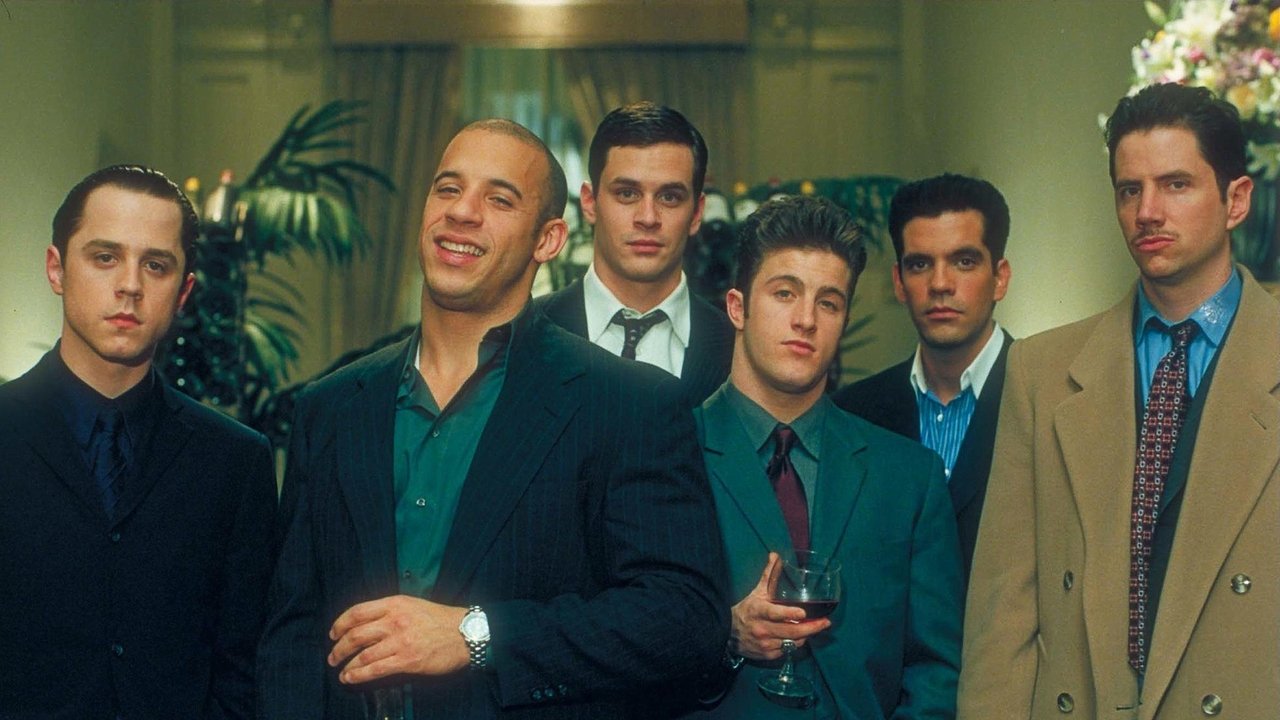
Ribisi is perfectly cast here. He embodies Seth's mix of intelligence, insecurity, and burgeoning moral conflict. You see the hunger in his eyes, the way he absorbs the aggressive sales culture, but also the flicker of doubt that grows as the ethical lines blur. His nervous energy contrasts brilliantly with the coiled, confident charisma of his colleagues, particularly Chris Varick (Vin Diesel, in a role that showed his dramatic potential before The Fast and the Furious shifted his trajectory) and Greg Weinstein (Nicky Katt), the slick senior broker who brings Seth into the fold. And who could forget Ben Affleck's brief but potent cameo as Jim Young, the co-founder delivering that legendary recruitment speech? It’s a masterclass in selling the dream, laced with just enough alpha-male intimidation to make your skin crawl. "Anybody who tells you money is the root of all evil doesn't fucking have any." Oof. Lines like that hit hard, capturing the seductive justification these guys employ.

More Than Just Money
While the plot follows Seth's rapid rise and inevitable crisis of conscience – discovering the firm isn't selling blue-chip stocks but manipulating near-worthless ones via high-pressure tactics – the film excels in portraying the culture. Younger captures the tribalism, the relentless pace, the almost cult-like devotion to closing deals. There's a fascinating authenticity here; Ribisi apparently spent time shadowing actual brokers to prepare, and Younger himself conducted extensive interviews. You can feel it in the dialogue, the jargon, the sheer pressure-cooker atmosphere of the trading floor (reportedly filmed in a suitably soulless, abandoned office space in Queens, adding to the vibe). It’s less about the intricacies of stock fraud and more about the psychology of greed and the desperation for acceptance. What makes someone compromise their values? How easily can ambition curdle into corruption?
The film isn't without its familiar beats – the concerned love interest (Nia Long as Abbie, adding warmth and a necessary moral counterpoint), the looming federal investigation, the protégé wrestling with his mentor's methods. But it handles them with an urgency and focus that keeps you hooked. Younger’s direction is taut, keeping the pace brisk without sacrificing character moments. He lets the camera linger on Seth’s face as the weight of his actions settles in, or captures the predatory gleam in a senior broker's eye. It’s a film that feels lived-in, grounded in recognizable human desires, even amidst the extreme circumstances.

Retro Fun Facts
Digging into the production reveals some interesting nuggets that enhance the viewing. Ben Younger was only 27 when he directed this, his debut feature, which adds another layer to its youthful energy and themes of proving oneself. The script apparently generated significant buzz, attracting established names like Affleck and Rifkin alongside rising stars like Ribisi and Diesel. While the film had a modest budget (around $7 million), it punched above its weight, earning back $28 million worldwide and carving out a niche as a cult favorite – a sharp, cautionary tale about the dark side of the American Dream that still resonates. Remember those scenes where they quote lines from Wall Street and Glengarry Glen Ross (1992)? It wasn’t just homage; it showed how these characters saw themselves, living out movie-fueled fantasies of power and wealth.
The Echoes in the Vault
Watching Boiler Room now feels like unearthing a time capsule from the cusp of a new millennium. It captures a specific moment of unchecked ambition before the market crashes and world events shifted the landscape. It asks questions that remain relevant: Where do we draw the line between ambition and greed? What price are we willing to pay for success and acceptance? The film doesn't offer easy answers, presenting its characters with raw honesty rather than simple judgment.

Rating: 8/10
This score feels right because Boiler Room succeeds brilliantly in immersing the viewer in its high-stakes world. The performances, particularly from Ribisi and Diesel, are compelling, the script is sharp and insightful, and Younger's direction maintains a crackling energy throughout. It captures a specific cultural moment with unnerving accuracy and explores timeless themes of morality and ambition effectively. While some plot points might feel familiar within the genre, the execution is strong enough to overcome them, leaving a lasting impression.
It’s a potent reminder of how seductive the promise of easy money can be, and the compromises people make chasing it. Doesn't that relentless drive, that feeling of needing to make it, still echo today, even if the methods have changed? Boiler Room holds up as a sharp, engaging drama that feels both of its time and enduringly relevant. A definite recommend for anyone who appreciates a tight script and strong performances exploring the darker corners of ambition.