It arrives not like a film, but like a transmission from a fractured reality. Watching Harmony Korine's Julien Donkey-Boy (1999) today feels less like revisiting a movie and more like unearthing a buried, volatile memory from the fringes of the late 90s video store shelves. It wasn't nestled comfortably between the latest Tom Cruise vehicle or a John Hughes classic; it likely sat on a higher shelf, perhaps in an "Indie" or "Art House" section, its stark cover art a warning and an invitation. It stands as a challenging, often brutal, yet strangely hypnotic artifact from a time when American independent cinema was wrestling with new ways to capture raw truth, even if that truth was deeply uncomfortable.

A Vow of Imperfection
You can't discuss Julien Donkey-Boy without acknowledging its formal straitjacket: the Dogme 95 manifesto. Conceived by Danish directors like Lars von Trier (Breaking the Waves, Dancer in the Dark) and Thomas Vinterberg (The Celebration), this movement demanded filmmakers adhere to a strict "Vow of Chastity" – handheld cameras only, natural lighting and sound, no props brought to set, filmed on location, no superficial action, no genre conventions. Korine, ever the provocateur after writing Kids (1995) and directing Gummo (1997), became the first American director to take the plunge. Shot on grainy, low-resolution digital video (later transferred, sometimes awkwardly, to 35mm for projection), the film deliberately rejects slickness. The jerky camerawork, the often muddy sound, the pixelated textures – these aren't flaws; they are the aesthetic. It forces an intimacy, a proximity to the characters that is both immersive and deeply unsettling. Does this rawness amplify the film's power, or does it sometimes feel like a barrier? That remains a question lingering long after the credits roll.
Through a Shattered Lens
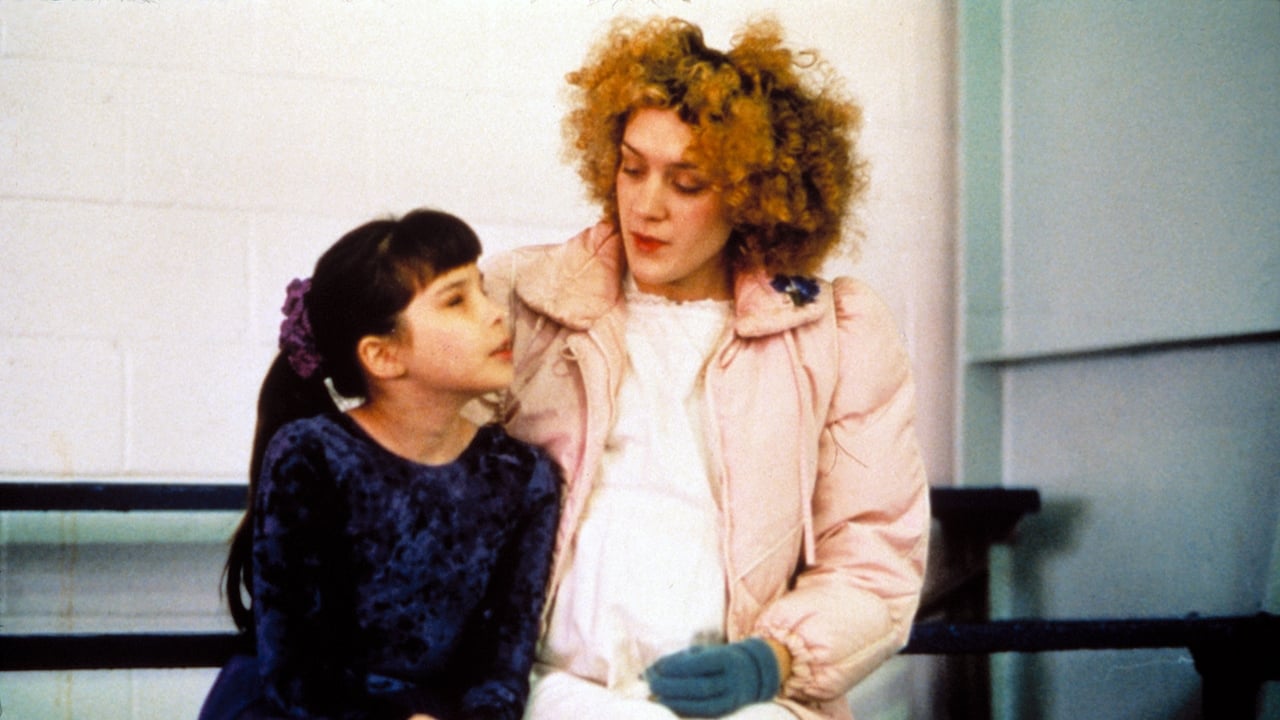
The film plunges us into the chaotic life of Julien, a young man living with untreated schizophrenia, portrayed with astonishing, nerve-jangling commitment by Ewen Bremner. Fresh off his iconic turn as Spud in Trainspotting (1996), Bremner here delivers something even more raw and exposed. His Julien is a whirlwind of disjointed thoughts, mumbled prayers, compulsive tics, and moments of shocking lucidity or violence. He wanders through his fragmented world, working at a school for the blind (a detail laden with Korine's typical uncomfortable irony), interacting with his profoundly dysfunctional family. Korine refuses to offer easy explanations or psychological roadmaps; we experience Julien's world much like he seems to – as a series of jarring, often inexplicable moments. It's a performance that doesn't ask for sympathy as much as it demands acknowledgement of a painful, fractured existence.
The Unsettling Presence of Herzog
And then there's the father. In a piece of casting that still feels audacious, Korine enlisted legendary German filmmaker Werner Herzog (Fitzcarraldo, Aguirre, the Wrath of God) to play Julien's abusive, domineering, and utterly bizarre patriarch. Herzog, who reportedly took the role partly out of curiosity about Korine and the Dogme movement, delivers a performance of terrifying stillness and unpredictable menace. His pronouncements – ranging from nonsensical ramblings about opera and masculinity to chillingly cruel put-downs – land with the weight of pronouncements from some unhinged prophet. He forces his other son (Julien’s brother, Chris, played by Evan Neumann) into pathetic wrestling matches, spews casual misogyny towards Julien's pregnant sister Pearl (Chloë Sevigny, radiating quiet vulnerability amidst the storm), and generally presides over the household like a petty tyrant ruling a kingdom of squalor. Herzog’s presence, his very voice and bearing, elevates the film beyond mere shock value; he embodies a kind of mundane, domestic horror that feels chillingly authentic, even within the film's heightened reality. Korine apparently wrote the part specifically for Herzog, a gamble that paid off immeasurably.

Navigating the Noise
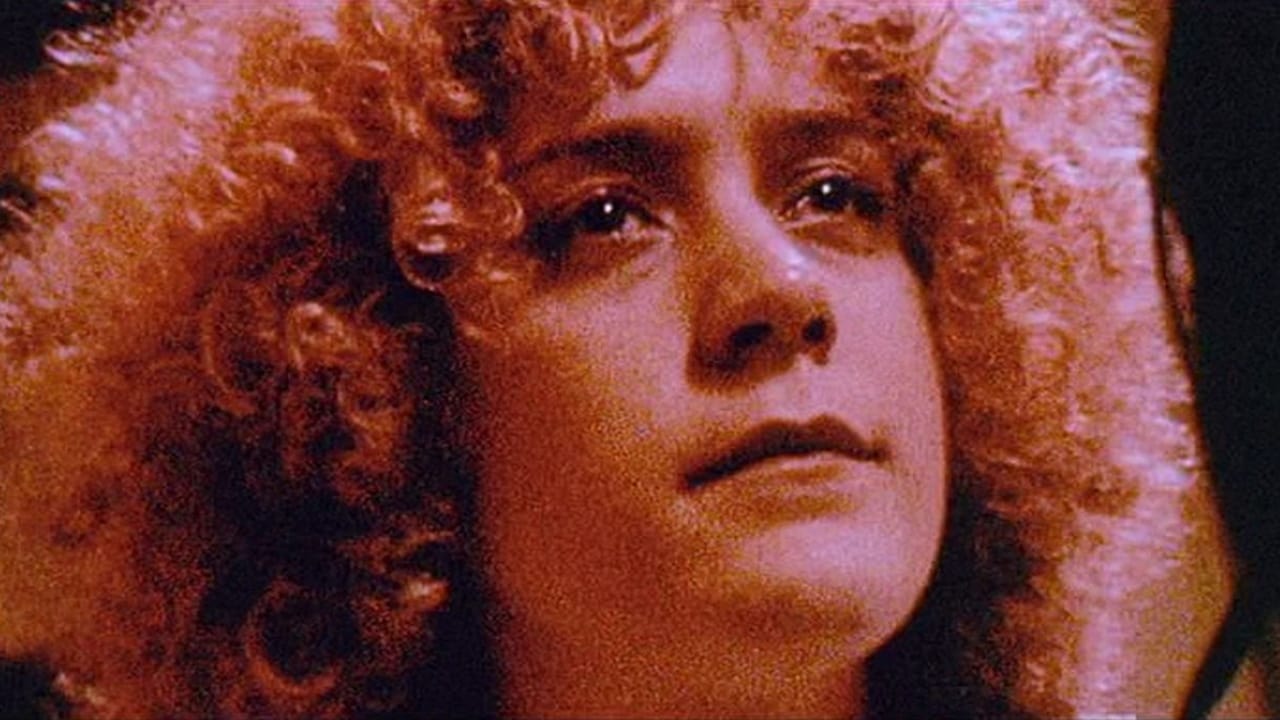
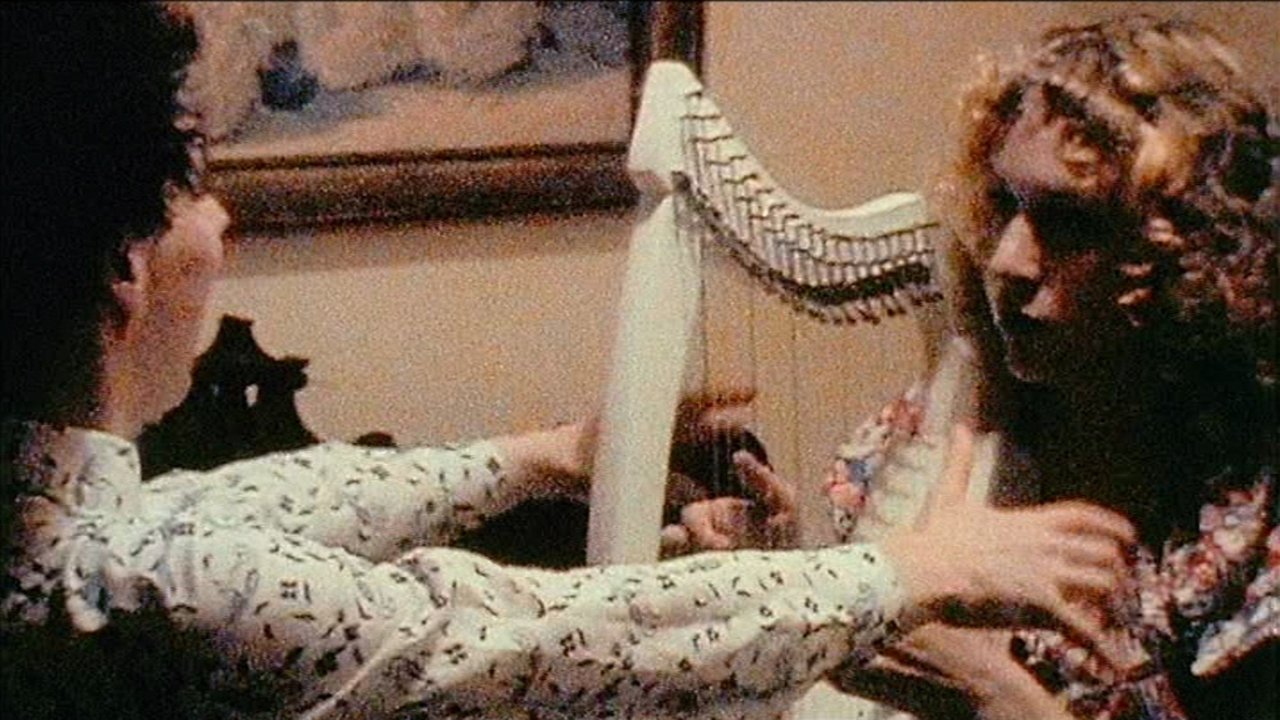
Julien Donkey-Boy isn't a narrative in the traditional sense. It's more like a collage of disturbing vignettes, held together by the force of the performances and the oppressive atmosphere. Scenes bleed into one another, sometimes repeating or contradicting, mirroring Julien's own disjointed perception. We see moments of unexpected tenderness, particularly between Julien and Pearl, but they are often swallowed by the surrounding chaos and cruelty. Did Korine intend this as a compassionate portrait of mental illness and family breakdown, or is it primarily an exercise in provocation? The film stubbornly resists easy categorization. It pushes boundaries, certainly, and some moments feel gratuitously shocking, yet beneath the noise, there's a current of profound sadness, a lament for broken connections and lost potential.
Finding a film like this back in the day, perhaps on a grainy VHS dupe passed between friends or a rented DVD discovered by chance, felt like uncovering something forbidden, something operating outside the rules. It wasn't designed for comfort or easy consumption. It demanded patience, resilience, and perhaps a strong stomach. It was a reminder that cinema could still be abrasive, confrontational, and formally daring.
Rating: 7/10
This rating reflects the film's undeniable power and artistic ambition, particularly in the staggering performances from Bremner and Herzog and its unique, challenging aesthetic. It’s a significant, albeit deeply polarizing, piece of late 90s independent filmmaking. However, its abrasive nature, fragmented narrative, and often deliberately alienating style make it a difficult and demanding watch, preventing a higher score based on general accessibility or rewatchability for a broad audience. It succeeds powerfully in what it sets out to do, but what it sets out to do is inherently challenging and not for everyone.
Julien Donkey-Boy lingers not as a story told, but as an experience endured. It's a harsh, sometimes repellent, yet unforgettable film that burrows under your skin, leaving you questioning the lines between observation, exploitation, and empathy. It's a potent reminder of a moment when filmmakers, armed with cheap digital cameras and radical manifestos, sought to tear down cinematic conventions and stare directly into the abyss. What did they find there? The answers are as fragmented and troubling as the film itself.