Okay, settle in, maybe grab a cup of tea for this one. Remember the late 90s? It felt like every other month brought another sumptuous period drama to the multiplex, often adapted from a beloved classic novel. After the warmth of Sense and Sensibility (1995) and the delightful matchmaking of Emma (1996), along came 1999's Mansfield Park, directed by Canadian filmmaker Patricia Rozema. Renting this one on VHS, nestled perhaps between Shakespeare in Love (1998) and maybe something completely different like The Matrix (1999), felt like anticipating another cozy dive into Regency England. But Rozema had other plans. This wasn't quite the Austen we thought we knew.
A Different Kind of Heroine
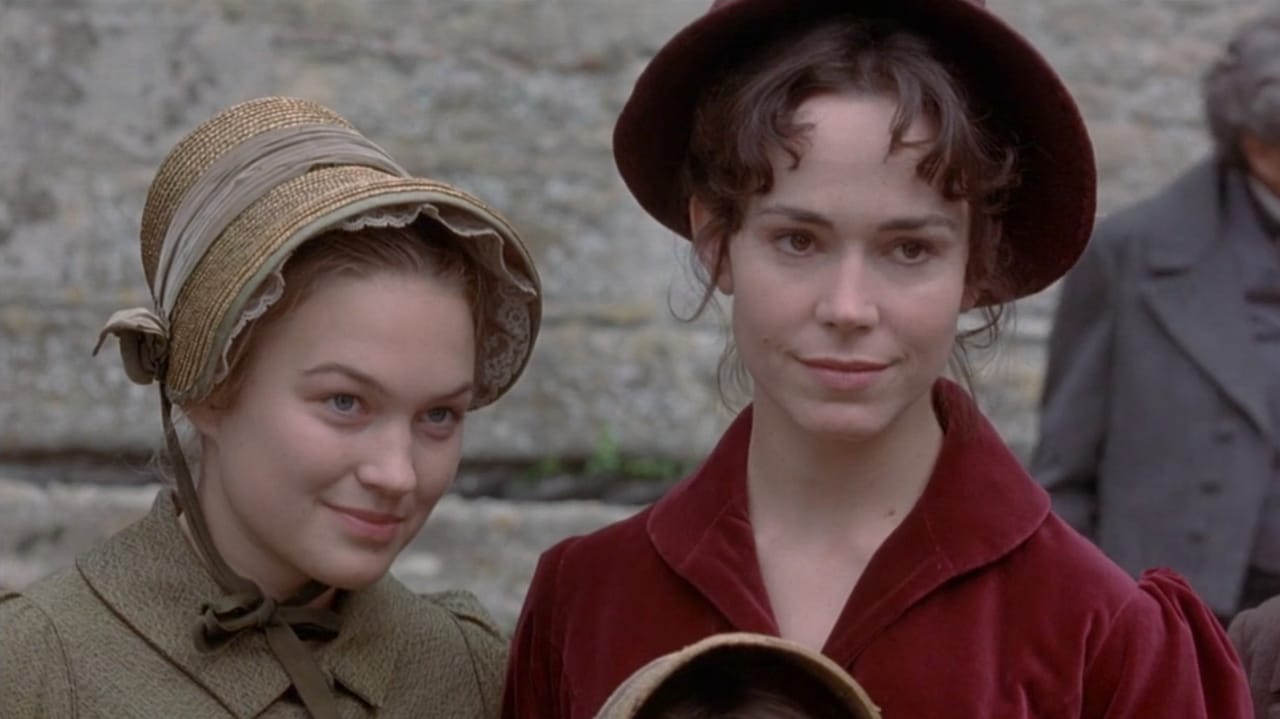
Right from the start, something feels... sharper. Rozema, who also penned the screenplay, doesn't just adapt Jane Austen's most complex and arguably least immediately 'likeable' novel; she actively interrogates it. Her most significant, and controversial, choice is to infuse the traditionally timid and observant Fanny Price with elements of Austen herself – specifically, the witty, sharp-eyed proto-feminist revealed in Austen’s own letters and juvenilia.
This transformation rests squarely on the shoulders of Frances O'Connor, and it's a performance that remains utterly captivating. Her Fanny isn't merely enduring her impoverished circumstances at the grand Mansfield Park; she's processing, analyzing, and often committing her barbed observations to paper. O'Connor gives Fanny an inner fire, a resilience masked by societal necessity, and a palpable intelligence that makes her silences as telling as her eventual declarations. There's a restlessness in her portrayal, a modern sensibility perhaps, but one that anchors the film and makes Fanny a protagonist you actively root for, rather than merely pity. It's a star-making turn that feels both true to the spirit of Austen the writer, if not strictly Fanny the character on the page.
Shadows in the Grand Estate
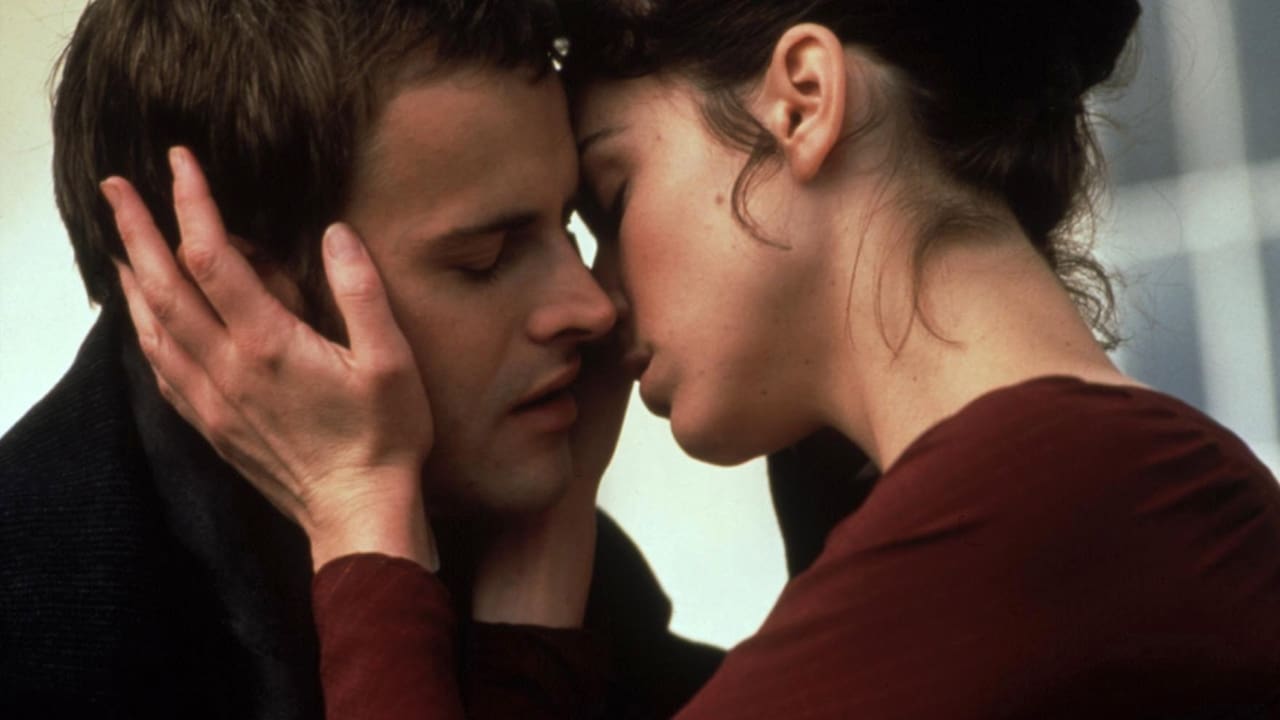
Rozema also crucially chooses to foreground what Austen only hints at: the source of the Bertram family's wealth. The Antigua estate, the foundation upon which Mansfield Park's elegance is built, is explicitly linked to the horrors of the slave trade. This isn't just background detail here; it's woven into the moral fabric of the film. We see harrowing drawings in Tom Bertram's possession, and Fanny's confrontation with the reality of this exploitation adds a layer of profound unease beneath the drawing-room manners. It was a bold move in 1999, adding a political and ethical weight that many adaptations shy away from. Did it alienate some purists? Absolutely. But doesn't it force a necessary conversation about the often-unseen foundations of wealth and privilege, a question still relevant today?
This darker thread permeates the film's atmosphere. While possessing the requisite visual beauty – the grand houses, the costumes – there's a subtle visual chill, a sense that decay or corruption lingers just outside the frame. The cinematography often favors shadows and slightly unsettling compositions, mirroring Fanny's own outsider perspective.

Complex Characters, Complicated Hearts
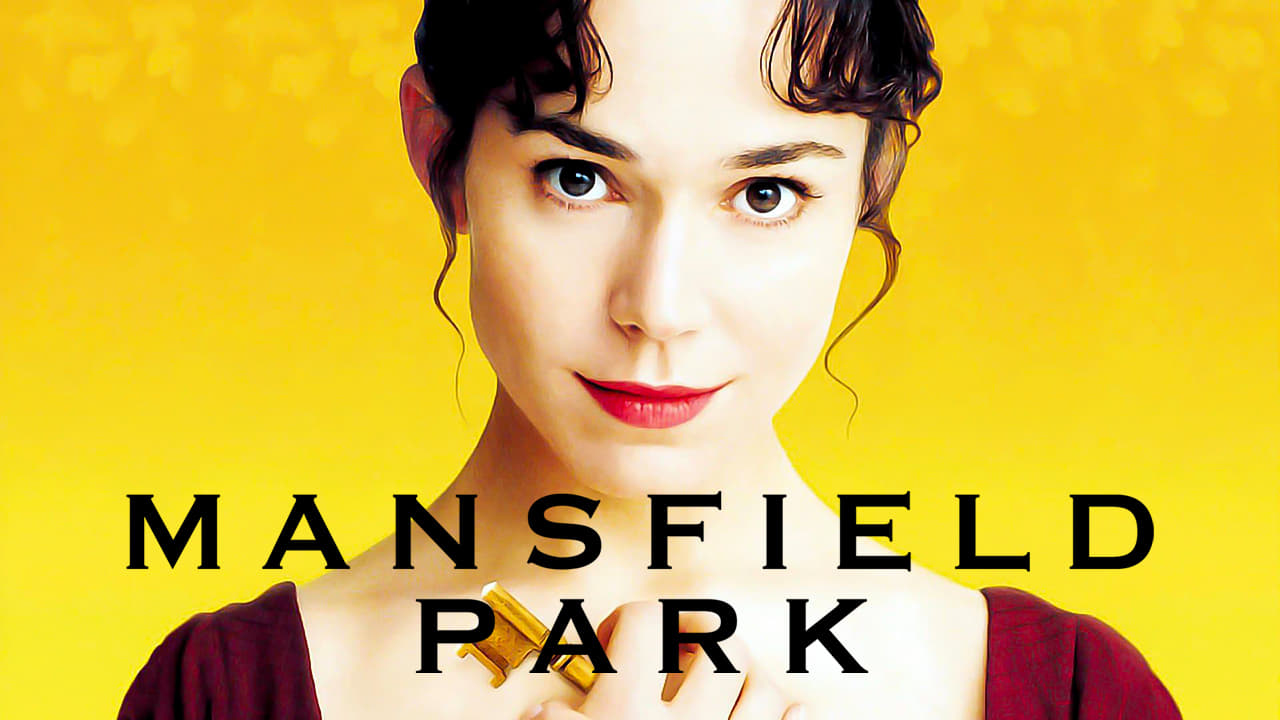
Surrounding O'Connor is a strong cast navigating complex relationships. Jonny Lee Miller, post-Trainspotting (1996) but pre-Elementary, brings a wonderfully sympathetic intelligence to Edmund Bertram, Fanny’s cousin and confidant. His inherent decency shines through, making the central emotional connection between him and Fanny feel genuine and earned.
Then there's the seductive danger of Henry Crawford, played with intoxicating charm by Alessandro Nivola. He embodies the charismatic rake archetype perfectly, making it entirely believable why the sophisticated Mary Crawford (Embeth Davidtz, excellent here) and eventually even the cautious Fanny might be drawn into his orbit. The supporting cast, including Harold Pinter (yes, the playwright!) in a surprisingly imposing turn as Sir Thomas Bertram, fills out this world effectively, each character navigating the treacherous currents of class, marriage, and propriety.
A Bold Vision, Not Without Debate
It's worth remembering Patricia Rozema wasn't simply checking boxes for a heritage film. She took significant liberties, blending Austen's life and letters with the novel's plot, amplifying the social commentary, and giving Fanny a more assertive voice. Some found these changes jarring, a departure from the source material too significant to forgive. Indeed, the film, made for a modest $9 million (around $16.5 million today), wasn't a runaway box office success, grossing under $5 million domestically, suggesting it perhaps didn't connect with the wider audience seeking straightforward Austen comfort food.
Yet, watching it again now, its strengths feel more pronounced. Rozema's film has ideas. It takes risks. It uses the framework of a period drama to explore timeless themes: the constraints placed on women, the corrupting influence of wealth, the difficulty of maintaining integrity in a compromised world. The decision to incorporate Austen's own writings into Fanny's dialogue and narration feels less like a cheat and more like an insightful interpretation, suggesting the keen mind behind the quiet facade. I recall seeing this listed on IMDb back in the day and noting the divided opinions, a sign it clearly provoked a reaction.
Rating: 8/10
This score reflects the film's bold vision, Frances O'Connor's luminous central performance, and its willingness to engage with the darker, more complex aspects of Austen's world. It loses a couple of points perhaps for the fact that its blending of tones and liberties with the source text won't satisfy everyone, and some supporting characters feel less developed than Fanny and Edmund. However, the thoughtful direction, the atmospheric production, and the sheer intelligence driving the adaptation make it a standout entry in the 90s period drama cycle. It's a film that rewards revisiting, sparking thought long after the credits roll.
For those seeking a straightforward, cozy adaptation, this might not be your cup of tea. But if you appreciate a film that takes chances, foregrounds its ideas, and features a truly compelling central performance, then digging out this late-90s gem offers rich rewards. It remains a fascinating, sometimes challenging, but ultimately enriching take on a classic – a Mansfield Park with bite.