Sometimes, a film slips into your memory not with a bang, but with a persistent, quiet image. For me, with Patricia Rozema's When Night Is Falling (1995), it's often the vibrant red of a circus tent pitched against the muted greys and imposing architecture of a conservative theological college. That visual contrast becomes the very heart of the film – a visual metaphor for the collision between rigid structure and the unpredictable, vibrant chaos of desire. It's a film that arrived relatively quietly, nestled perhaps in the 'Independent' or 'World Cinema' aisle of the video store, but its exploration of faith, identity, and forbidden love left a mark deeper than many of the louder releases surrounding it on those shelves.
Between Dogma and Desire
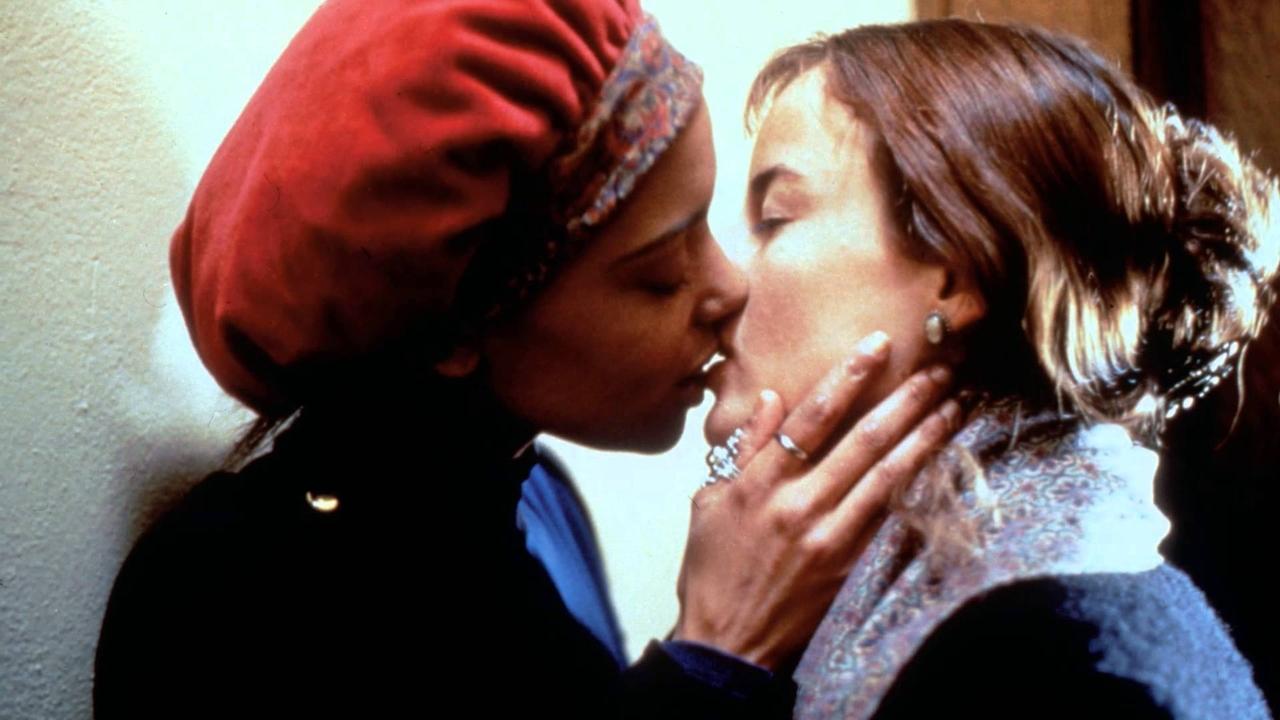
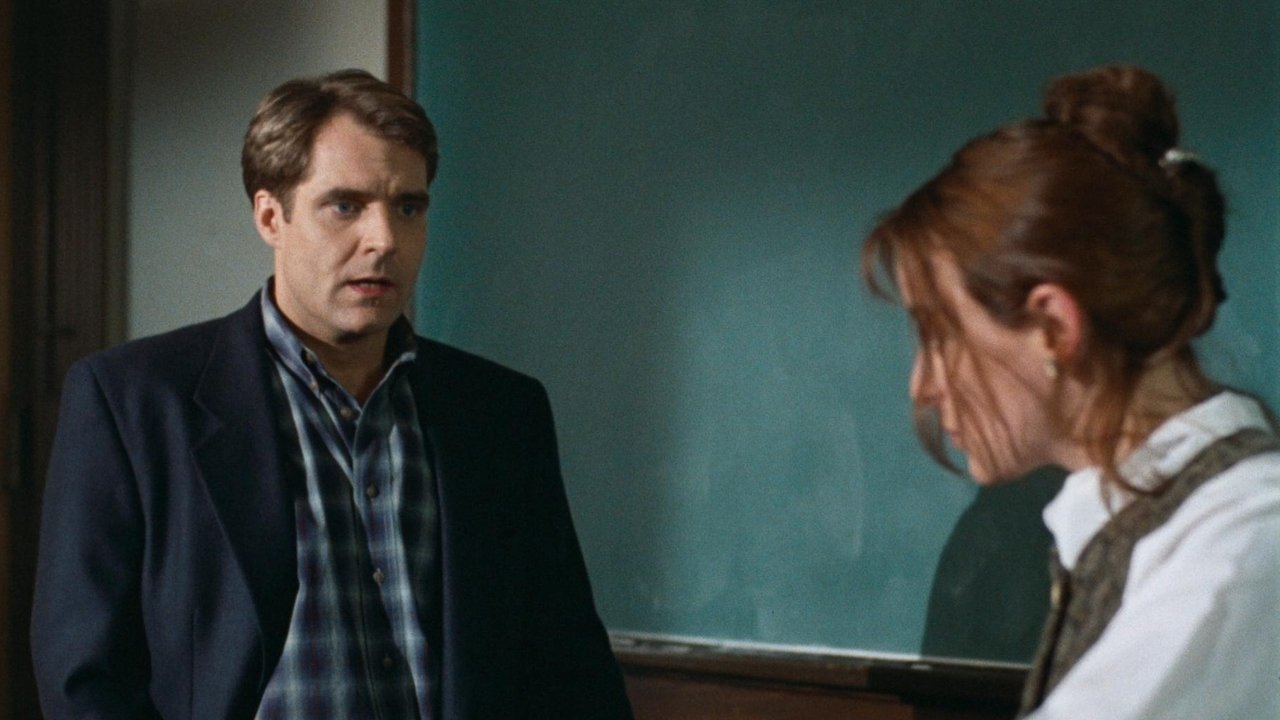
We meet Camille Pascal (Pascale Bussières), a literature professor at a Protestant college, living a life seemingly mapped out. She's engaged to Martin (Henry Czerny, bringing his characteristic intensity even to repressed characters), a fellow academic and theologian. Their world is one of intellectual discourse, muted tones, and unspoken rules. But the sudden death (and later, almost magical resurrection) of her beloved dog, Bob, acts as a catalyst, unsettling the foundations of her carefully constructed reality. This disruption leads her, quite literally, to the circus – specifically, to Petra (Rachael Crawford), a captivating, free-spirited performer who runs the laundry Camille needs to retrieve her things from after a mishap following Bob's initial demise.
What unfolds isn't just a romance; it's an awakening. Rozema, who also penned the screenplay (following up her acclaimed debut I've Heard the Mermaids Singing (1987)), isn't interested in easy answers. She meticulously charts Camille's internal earthquake, the slow crumbling of lifelong beliefs under the undeniable pull of her connection with Petra. It’s a brave film for its time, tackling the intersection of deeply held religious faith and lesbian identity with a sincerity that feels both vulnerable and profound.
A Chemistry That Ignites the Screen
The film hinges entirely on the performances of its leads, and thankfully, they deliver with remarkable authenticity. Pascale Bussières is simply luminous as Camille. Her transformation is subtle yet utterly convincing – you see the intellectual wrestling with the emotional, the fear warring with the undeniable joy Petra introduces into her life. Every flicker of doubt, every hesitant touch, every stolen glance feels achingly real. She carries the weight of Camille’s world on her shoulders, and her portrayal makes the eventual emotional release incredibly cathartic.
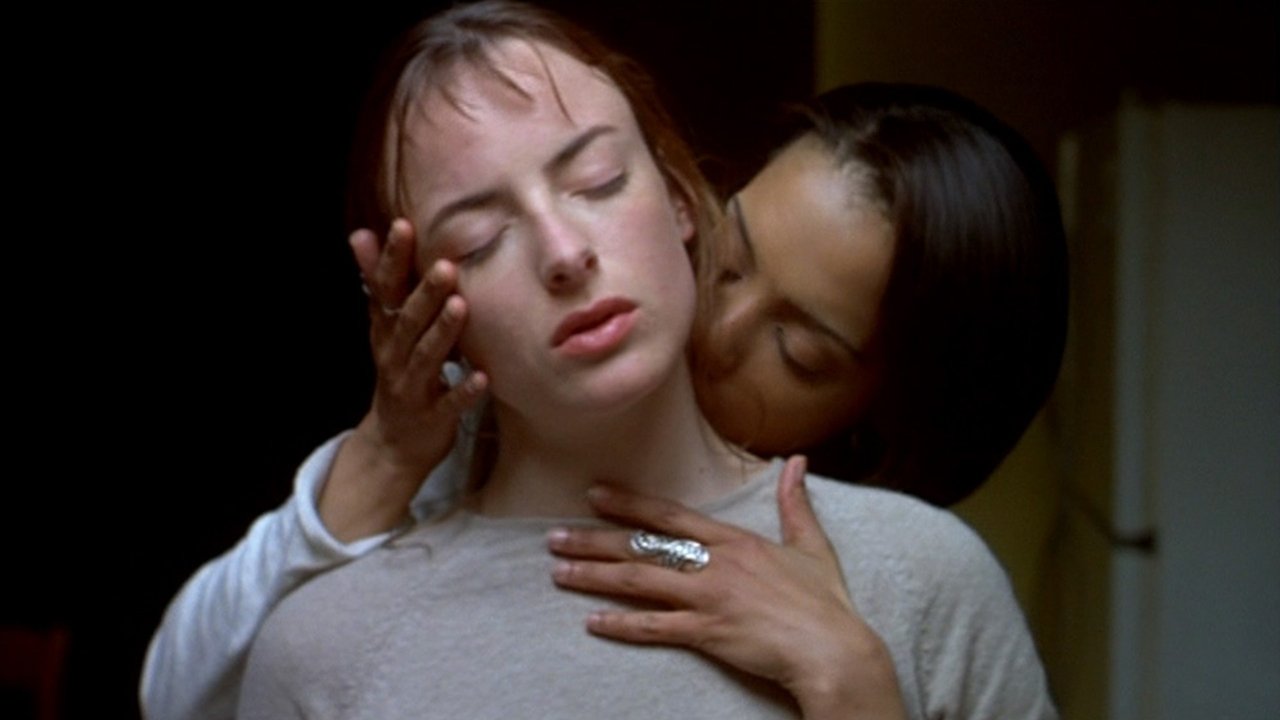
Rachael Crawford, as Petra, is the perfect counterpoint. She embodies a warmth, confidence, and earthy sensuality that contrasts sharply with the austerity of Camille's environment. There's a directness and an openness to Petra that feels both alluring and slightly dangerous within the context of Camille's life. Crucially, the chemistry between Bussières and Crawford feels genuine and electric. Their connection develops organically, rooted in shared moments of vulnerability and quiet understanding, building towards a passionate intimacy that feels earned and essential to the narrative.

Finding Magic in the Mundane
Patricia Rozema uses the circus setting not just as a plot device, but as a symbolic space. It represents magic, otherness, performance, and a life lived outside conventional boundaries – everything Camille’s world tries to suppress. It's a place where the impossible, like a dog seemingly returning from the dead, can happen. This touch of magical realism, while perhaps a bit on-the-nose for some, effectively underscores the transformative power of embracing the unknown, whether it's love or a different way of seeing the world.
The production itself, filmed on a modest budget (around $1.8 million Canadian dollars, roughly $3 million USD today factoring inflation), makes clever use of its Toronto locations. The visual contrast between the stark, imposing college buildings and the colourful, slightly chaotic world of the travelling circus is consistently striking. Leslie Barber's score, too, plays a significant role, weaving a mood that is both melancholic and hopeful, perfectly complementing the emotional journey on screen. Interestingly, while received well critically, particularly on the festival circuit (premiering at the Berlin International Film Festival), When Night Is Falling wasn't a massive mainstream hit, finding its audience more in arthouse circles and through home video – becoming something of a cherished discovery for many viewers exploring queer cinema in the 90s.
Where Faith Meets Feeling
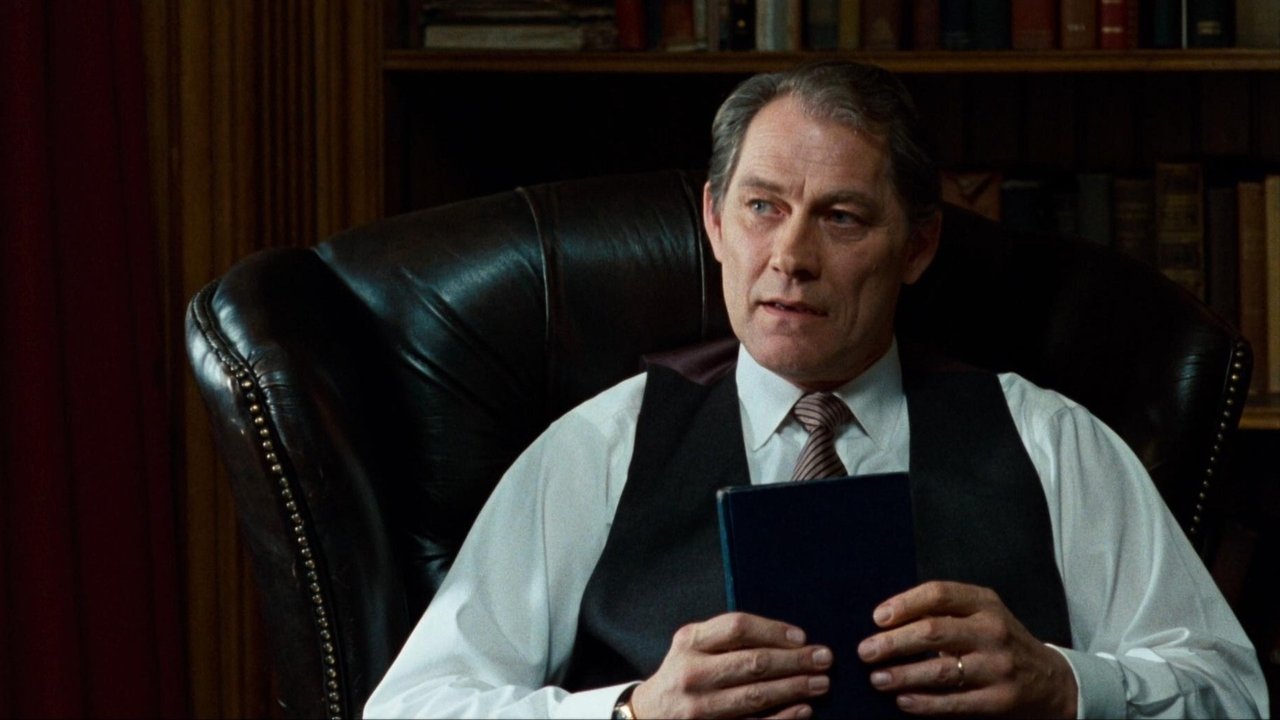
What makes When Night Is Falling linger, I think, is its refusal to demonize either side of Camille's conflict. Martin isn't a caricature of religious intolerance; he's portrayed as a man genuinely struggling within his own framework, albeit ultimately unable to bridge the gap Camille is crossing. The film respects the depth of Camille's faith even as it champions her journey towards self-acceptance and love. Doesn't this nuanced approach feel more truthful than outright condemnation? It poses difficult questions about whether spiritual and personal fulfillment must always be mutually exclusive, or if different kinds of truths can coexist.
The film isn't without moments that perhaps feel a touch too symbolic, but its emotional core remains incredibly strong. It captures that disorienting, thrilling, terrifying feeling of having your world turned upside down by an unexpected connection, forcing you to re-evaluate everything you thought you knew about yourself.
Rating: 8/10
This score reflects the film's powerful and authentic central performances, its sensitive and nuanced exploration of complex themes (faith, sexuality, identity), and Patricia Rozema's assured direction in creating a distinct, evocative atmosphere. The chemistry between Bussières and Crawford is undeniable, elevating the material significantly. While some symbolic elements might feel slightly overt to modern eyes, the film's emotional honesty and bravery within the context of mid-90s cinema make it a standout. It earns its place as a significant, moving piece of Canadian and queer film history.
When Night Is Falling remains a tender, thoughtful exploration of the heart's surprising territories, reminding us that sometimes, the most profound awakenings happen just as the darkness begins to set in. What unexpected turns has love forced you to navigate in your own life?