### A Taste That Lingers
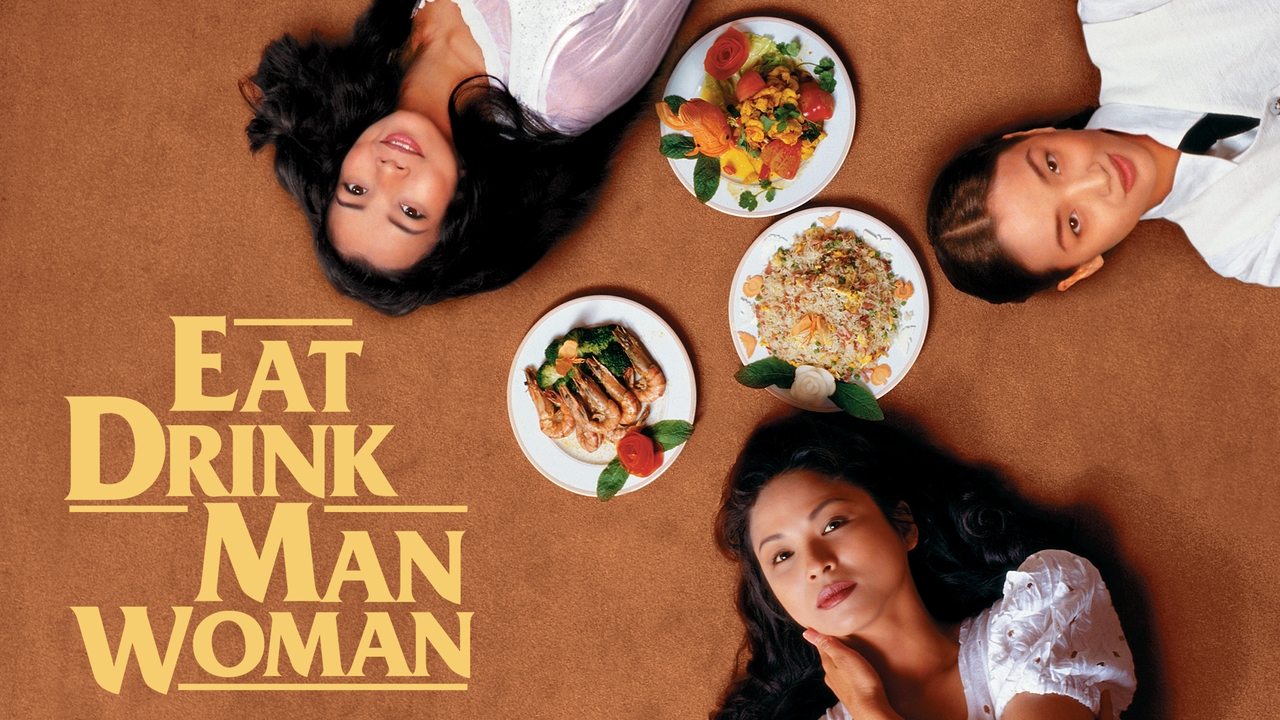
Some films arrive with a bang, explosions echoing long after the credits roll. Others steal into your consciousness more subtly, like the persistent aroma from a neighbor's kitchen, leaving a warmth and a quiet yearning. Ang Lee’s Eat Drink Man Woman (1994) belongs firmly in the latter category. Watching it again, decades after first encountering it likely nestled amongst more bombastic fare on a video store shelf, feels less like revisiting a movie and more like returning to a familiar, complex family table. What stays with you isn't a single plot point, but the resonant hum of unspoken emotions, the intricate dance of tradition and change, all centered around the preparation and consumption of food.
It's that opening sequence, isn't it? The swift, almost percussive rhythm of Master Chef Chu (Sihung Lung) preparing the elaborate Sunday feast. The cleaver's precise dance, the sizzle of oil, the artful arrangement on porcelain – it’s a culinary ballet that immediately establishes food not just as sustenance, but as ritual, as legacy, and crucially, as Chu’s primary form of expression. I recall being mesmerized by this on my old CRT TV; the sheer craft felt both exotic and deeply personal. You learn later that Sihung Lung, who anchored all three films in Ang Lee's informal "Father Knows Best" trilogy (starting with Pushing Hands (1991) and The Wedding Banquet (1993)), undertook extensive training to perform these intricate kitchen maneuvers convincingly. Lee even employed master chefs as consultants, ensuring authenticity down to the last glistening dumpling. It wasn't just movie magic; it was dedication bordering on obsession, mirroring Chu's own relationship with his art.
The Sunday Dinner Crucible

The plot, deceptively simple, revolves around these obligatory Sunday dinners. Widower Chu, arguably the greatest living chef in Taipei, gathers his three independent adult daughters: Jia-Jen (Kuei-Mei Yang), the devoutly Christian chemistry teacher nursing a past heartbreak; Jia-Chien (Chien-Lien Wu, who many might remember from Lee's later Lust, Caution), the fiercely modern airline executive who inherited her father's culinary talent but resists it; and Jia-Ning (Yu-Wen Wang), the youngest, quietly navigating her own romantic entanglements while working at a fast-food joint.
These dinners are pressure cookers of familial tension. Chu, suffering from a loss of taste (a potent metaphor if ever there was one), struggles to connect with daughters drifting towards lives he barely comprehends. The daughters, in turn, view the dinners as loving obligations, places where announcements are made, secrets simmer beneath the surface, and resentments occasionally boil over. The brilliance lies in how Ang Lee, working with co-writers James Schamus (a collaboration that would continue through many subsequent films) and Hui-Ling Wang, uses these gatherings not for explosive confrontations, but for nuanced revelations. Each meticulously prepared dish seems to carry the weight of unspoken words, desires, and disappointments.
Quiet Performances, Loud Emotions
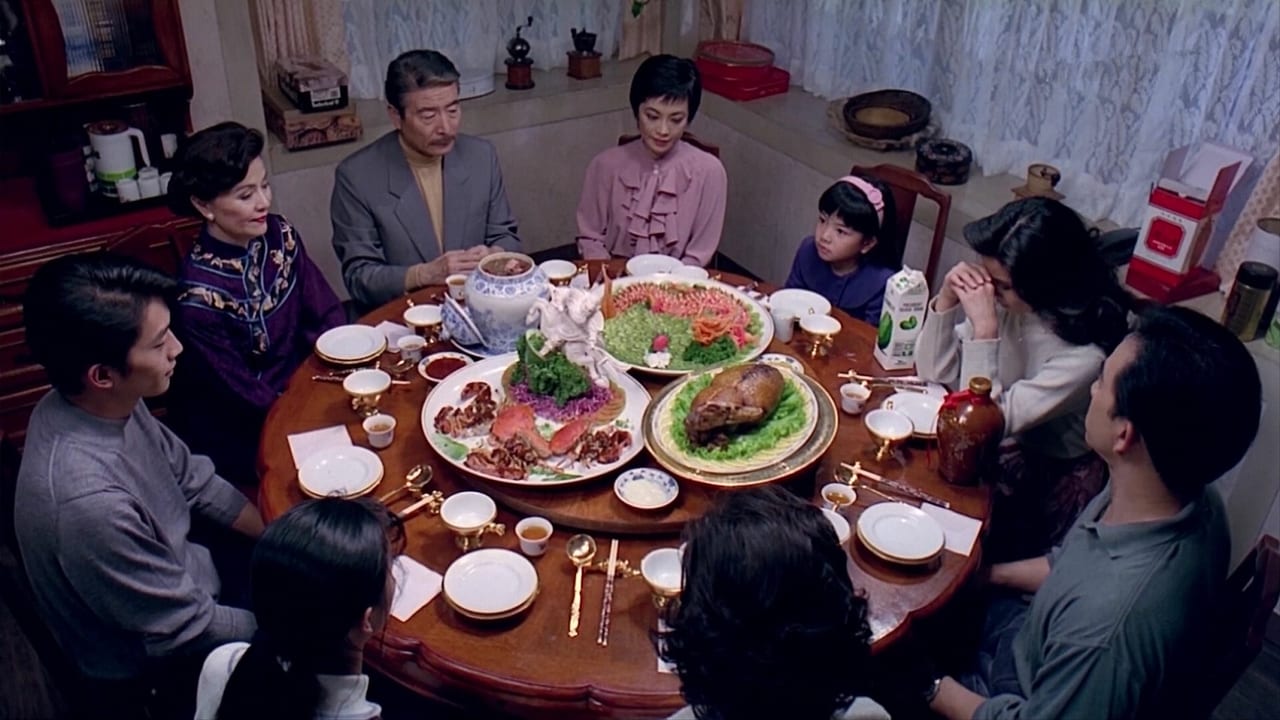
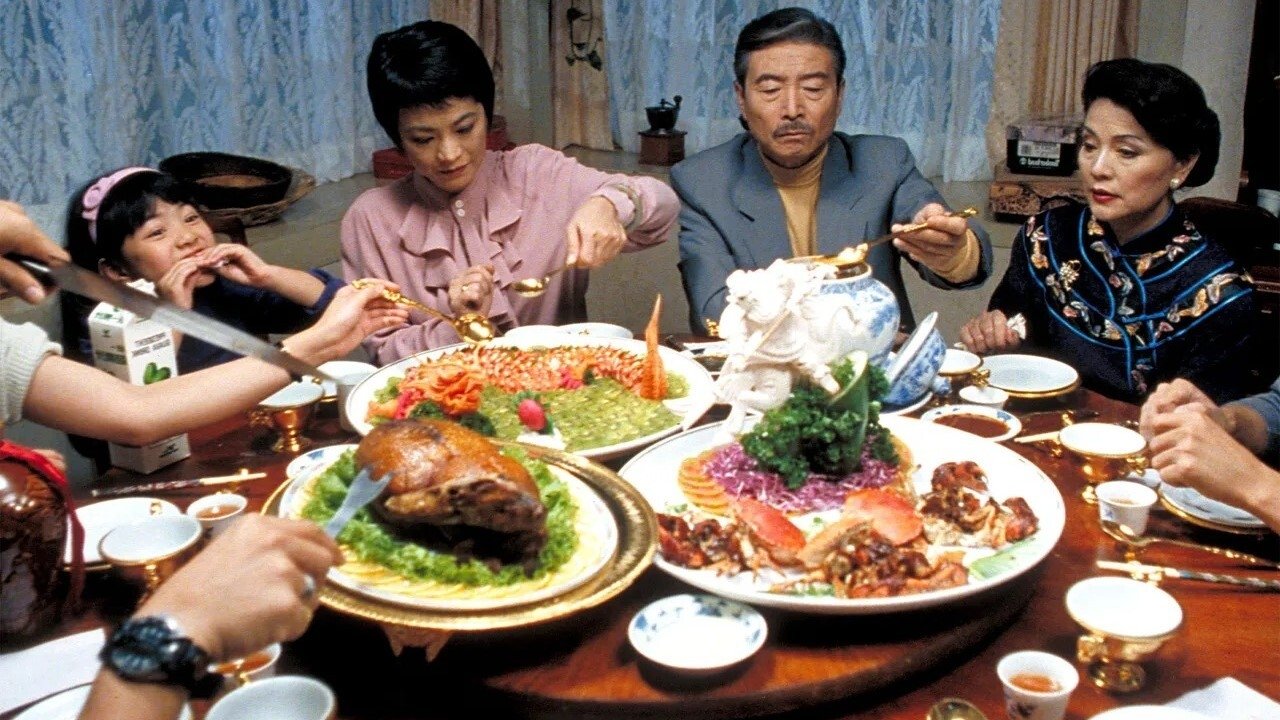
The performances are uniformly superb, characterized by a quiet naturalism that feels utterly authentic. Sihung Lung is magnificent as Chu. His face, often impassive, conveys reservoirs of paternal pride, worry, loneliness, and eventually, surprising mischievousness. He embodies the traditional patriarch grappling with a world – and daughters – rapidly evolving beyond his control. His presence across Lee's trilogy cemented him as an iconic figure representing that generational bridge.
The daughters are equally compelling. Kuei-Mei Yang perfectly captures Jia-Jen’s repressed longing and eventual, unexpected blossoming. Chien-Lien Wu crackles with Jia-Chien’s ambition and inner conflict, her modern independence warring with familial duty and a hidden passion for the very culinary world her father represents. Yu-Wen Wang brings a gentle watchfulness to Jia-Ning, the seemingly quietest daughter who observes everything. Their interactions feel lived-in, capturing the complex blend of love, irritation, and deep-seated loyalty that defines so many families.
More Than Just a Meal
While deeply rooted in its Taipei setting – capturing a specific moment of cultural flux in 90s Taiwan – the film's themes are profoundly universal. The title itself, derived from a Confucian text, points to fundamental human desires: sustenance, pleasure, connection, love. Who hasn't felt the awkwardness of a family gathering freighted with unspoken expectations? Or struggled to communicate with loved ones across a generational or emotional divide? The film explores how tradition can be both a comforting anchor and a restrictive cage, and how life inevitably brings unexpected changes, forcing adaptation even upon the most steadfast individuals.
It’s a testament to Ang Lee’s sensitive direction that the film balances gentle humor with poignant drama so effortlessly. There’s a warmth here, an observational patience that allows characters and relationships to unfold organically. Made on a relatively modest budget (reportedly around $1 million), Eat Drink Man Woman became a significant international success, grossing over $27 million worldwide (around $57.5 million today) and earning a well-deserved Oscar nomination for Best Foreign Language Film. Its success undoubtedly helped pave the way for Lee's diverse English-language career, including triumphs like Sense and Sensibility (1995) and the global phenomenon Crouching Tiger, Hidden Dragon (2000).
The Verdict
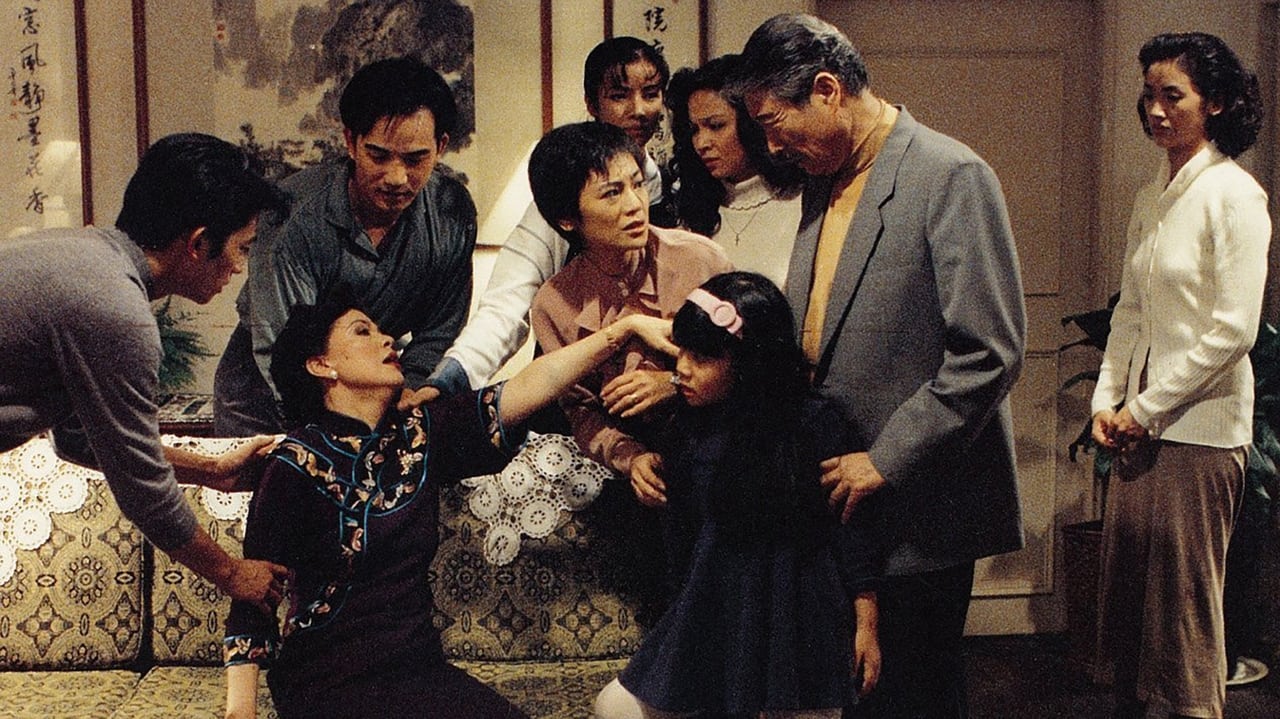
Eat Drink Man Woman is a cinematic feast prepared with skill, artistry, and abundant heart. It doesn't rely on grand gestures but finds profound meaning in the everyday rituals that bind us together, even when communication falters. The stunning food sequences are more than just eye candy; they are central to the narrative, serving as metaphors for love, tradition, and the very essence of life. The performances are subtle yet deeply moving, drawing you into the Chu family's intimate world.
Rating: 9/10
This score reflects the film's masterful blend of cultural specificity and universal resonance, its exceptional performances, Ang Lee's assured and sensitive direction, and its sheer sensory pleasure. It avoids easy sentimentality, offering instead a rich, complex, and ultimately life-affirming portrait of family dynamics. Years later, the taste of this film lingers – warm, savory, and deeply satisfying. It reminds us that sometimes, the most important conversations happen not through words, but through shared experience, often around a lovingly prepared table.