Alright VHS fanatics, let's rewind to the tail end of the 90s. The Disney Renaissance was cooling off, CGI was starting its march, but studios were still throwing everything at the wall hoping for hand-drawn animation gold. Sometimes this gave us gems, other times... well, other times it gave us 1999's animated adaptation of Rodgers & Hammerstein's classic musical, The King and I. If you stumbled across this tape back in the day, perhaps sandwiched between Anastasia and The Swan Princess on the rental shelf, you might remember a flicker of recognition – "Hey, isn't that...?" followed by a wave of cartoon confusion. Because this wasn't your grandmother's Anna Leonowens.
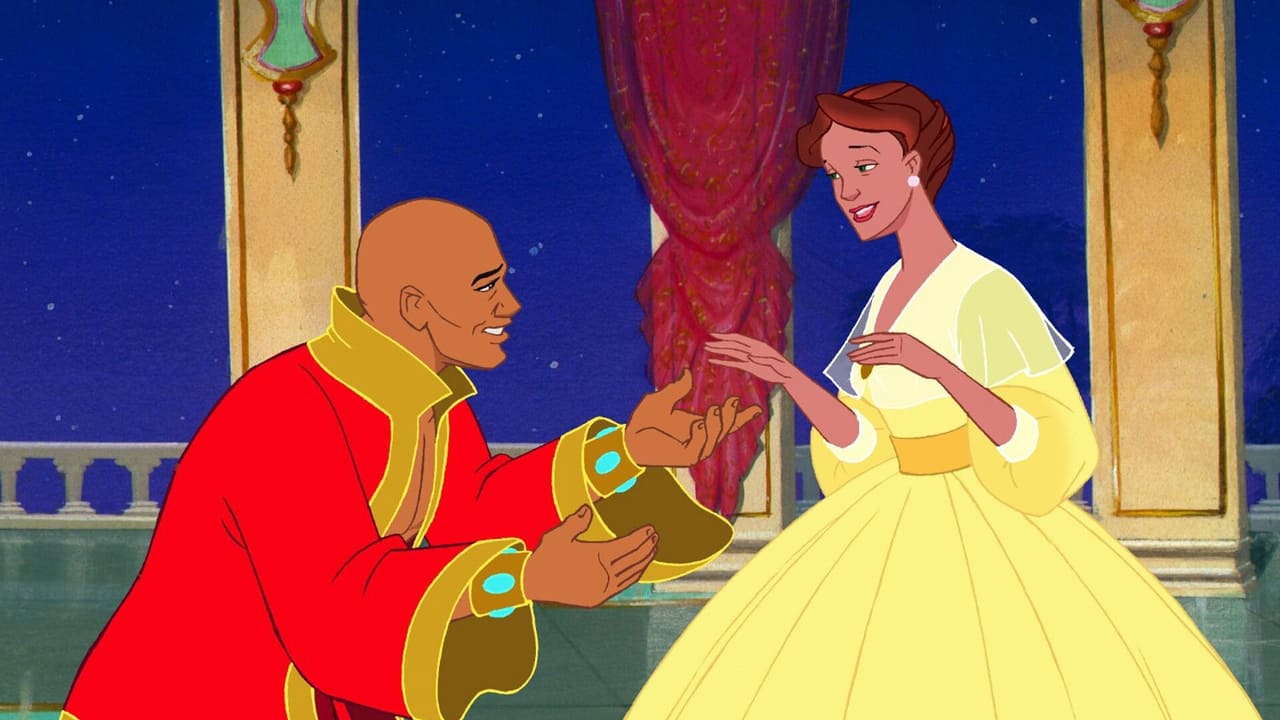
### From Broadway Grandeur to Cartoon Capers
Directed by Richard Rich, a former Disney animator who helmed parts of The Fox and the Hound (1981) and The Black Cauldron (1985) before striking out independently with films like The Swan Princess (1994), this adaptation aimed to bring the sophisticated tale of the English governess and the King of Siam to a much younger audience. The result, produced by Morgan Creek Productions and Rich Animation Studios (known then as Nest Family Entertainment for some releases), is less a faithful retelling and more a radical reimagining, grafting fantasy elements onto the original framework in a way that feels distinctly... late 90s non-Disney.
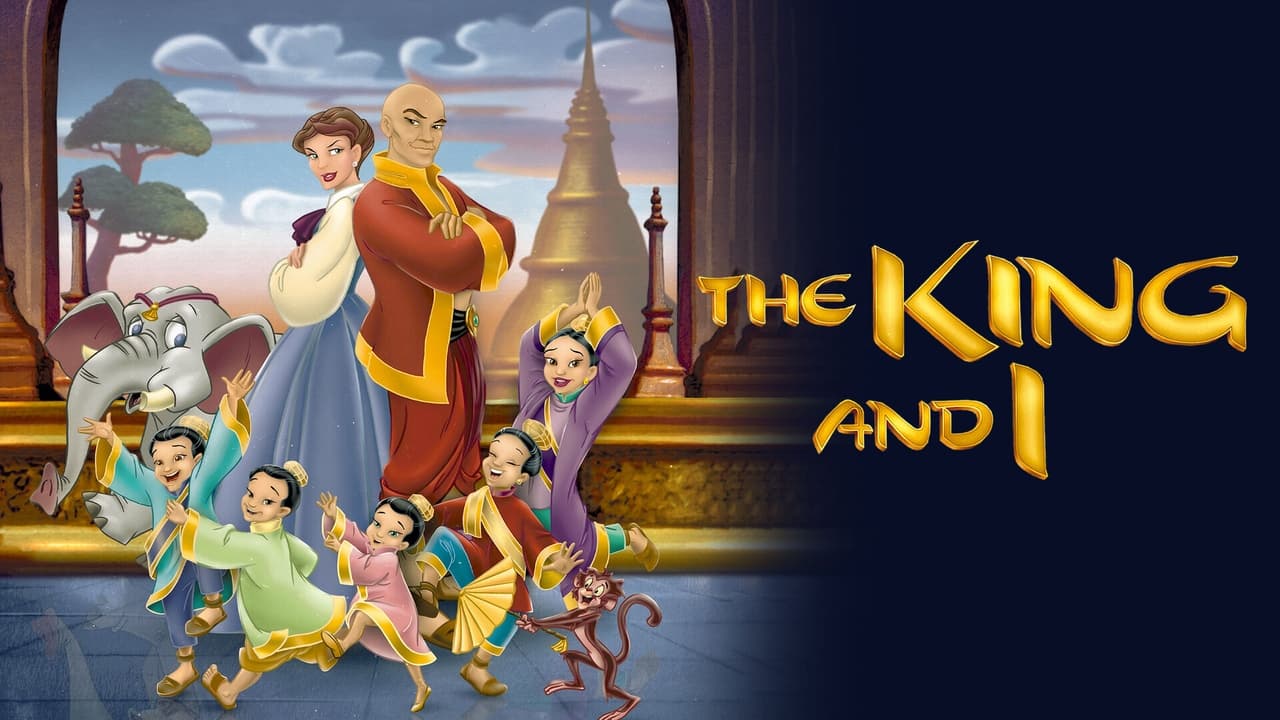
The core story is vaguely recognizable: Anna Leonowens (Miranda Richardson, lending considerable vocal talent) arrives in Siam with her son Louis to teach the many children of King Mongkut (Martin Vidnovic). The clash of cultures, the budding respect, the iconic "Shall We Dance?" sequence – they're technically in there. But surrounding them is a whole new narrative layer involving the King's scheming prime minister, Kralahome (Ian Richardson, no relation to Miranda, channeling pure cartoon villainy), who is now an evil sorcerer using magic and illusions to usurp the throne. Oh, and there are talking animal sidekicks – a monkey named Master Little and Tusker the elephant – plus a magical amulet. It's... a lot.
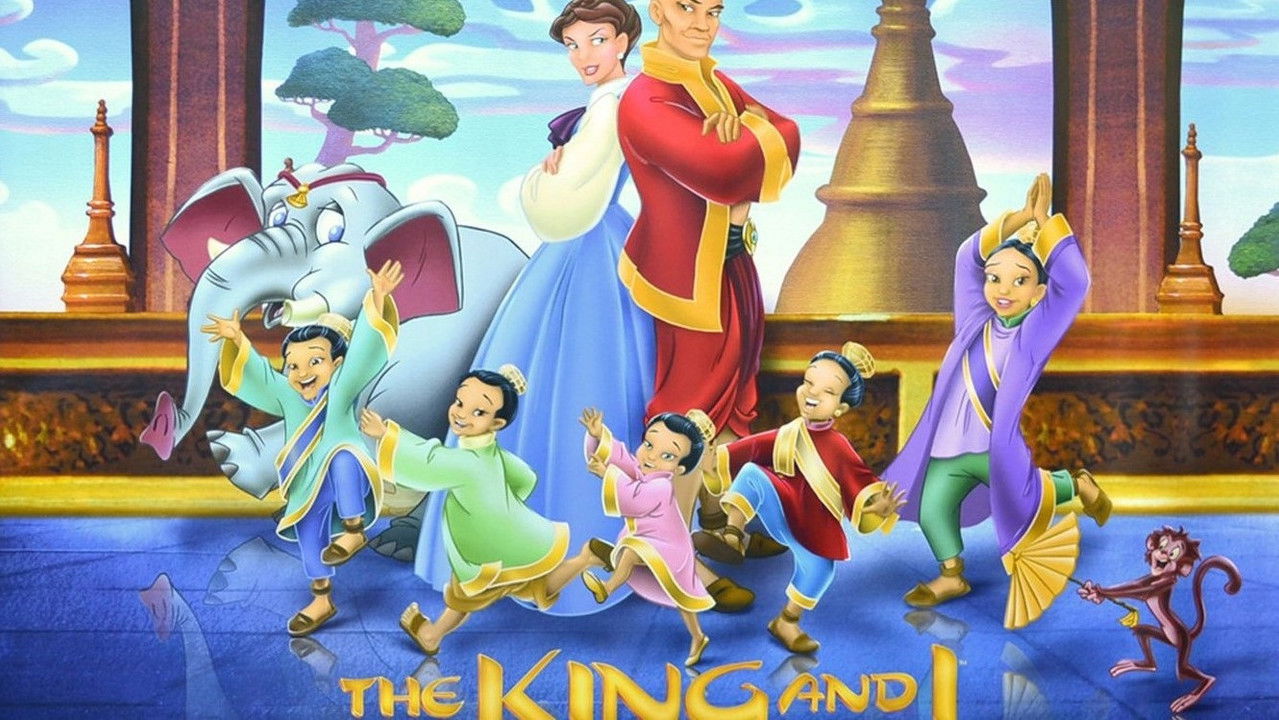
### Why the Whimsy?
One has to wonder about the creative meetings that led here. The original 1951 musical and the beloved 1956 film starring Yul Brynner and Deborah Kerr were celebrated for their mature themes, complex characters, and nuanced exploration of cultural differences. Trying to shoehorn that into a standard animated kids' adventure template, complete with a moustache-twirling (or perhaps beard-stroking?) sorcerer, feels fundamentally mismatched. The decision likely stemmed from a belief, common among many non-Disney studios at the time, that animated features needed overt fantasy elements, comic relief animals, and clear-cut villains to appeal to children. This unfortunately strips away much of the original's depth and replaces it with generic cartoon tropes.
The production itself carries the hallmarks of its era's direct-to-video or lower-budget theatrical animation. While the backgrounds sometimes achieve a pleasant storybook quality, the character animation often feels limited, lacking the fluidity and expressiveness of the top-tier studios. It's competent, certainly a step above some Saturday morning fare, but it rarely inspires awe. The integration of the classic Rodgers & Hammerstein songs feels equally awkward; moments like "Getting to Know You" sit strangely alongside scenes of magical illusions and slapstick involving Kralahome's bumbling assistant. The budget, estimated around $25 million, clearly didn't stretch far enough to compete with the Disneys or DreamWorks of the world, and sadly, it struggled significantly at the box office, barely making back $12 million worldwide. It's a stark reminder of how challenging the animation landscape was becoming.
### Voices in the Wilderness
Despite the film's narrative and tonal issues, the voice cast is surprisingly strong. Miranda Richardson, a highly respected actress known for roles in Blackadder and films like Damage (1992), brings dignity and warmth to Anna, even when the script veers into silliness. Martin Vidnovic, a Broadway veteran, gives the King a suitable measure of pride and vulnerability. And Ian Richardson, another acclaimed British actor often remembered for the original House of Cards (1990), clearly has fun hamming it up as the villainous Kralahome, even if the character itself is a baffling addition. Their professionalism shines through, sometimes feeling slightly disconnected from the simpler animation surrounding them. It's reported that the Rodgers & Hammerstein Organization exercised contractual control over the adaptation, but one wonders how closely they monitored the injection of sorcery and talking animals into their beloved property.
### A VHS Oddity Remembered
Watching The King and I (1999) today feels like unearthing a strange time capsule. It represents a specific moment when studios were desperately trying to replicate the animated musical formula, sometimes missing the mark spectacularly. It’s not a film revered like its source material, often landing near the bottom of "worst animated adaptations" lists (it holds a dismal 13% on Rotten Tomatoes from critics). Yet, for those of us who haunted video stores, it exists as a memory – maybe one glanced over, maybe rented out of curiosity, maybe even genuinely enjoyed by very young, undiscriminating eyes back then. It’s a fascinating example of good intentions (presumably) meeting questionable execution. Did The King and I really need a power-mad wizard and a wise-cracking monkey? Probably not. Does remembering its existence bring a faint, bewildered smile? Perhaps.
VHS Heaven Rating: 3/10
The score reflects the film's fundamental flaws: a jarring tonal shift from the source material, weak additions to the plot that undermine the original's themes, and animation that feels secondary to its contemporaries. The strong voice cast (Miranda Richardson especially) tries its best, but they can't salvage the misguided core concept. It earns a few points purely as a bizarre artifact of late 90s animation trends and for the sheer audacity of its premise.
Final Thought: A royal misstep on the animation front, this King and I is less "Something Wonderful" and more "A Puzzlement," destined to remain one of the stranger curiosities collecting dust in the back aisles of our VHS memories.