It arrived near the tail-end of a decade already saturated with gritty makeovers and ironic detachment. Remember 1999? The air was thick with anticipation for a new millennium, and Hollywood, ever the opportunist, was busy strip-mining the past for properties ripe for a "modern" (read: cynical) update. Enter The Mod Squad, an attempt to translate the counter-culture cool of the original 1968 TV series into the language of late-90s angst and action. The result? A film that feels less like a fresh take and more like a time capsule of a very specific, fleeting moment of cinematic style – one that hasn't aged with particular grace.
From Counter-Culture to Consumer Cool
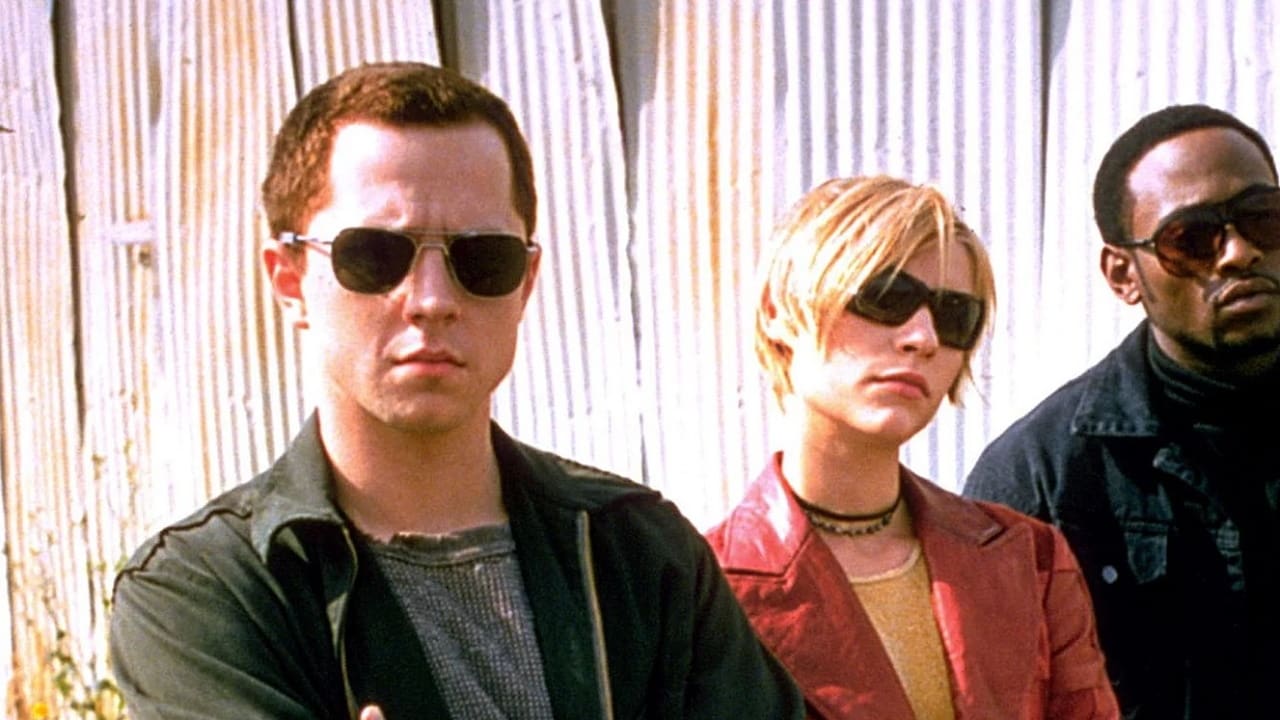
The premise remains familiar: three troubled young adults – Julie Barnes, Pete Cochran, and Lincoln Hayes – are busted for various offenses but offered a deal by the sympathetic Captain Greer (Dennis Farina, bringing his reliable weary authority). Instead of jail time, they'll go undercover, using their street smarts to infiltrate worlds inaccessible to regular cops. The original series, debuting amidst societal upheaval, tapped into the zeitgeist, positioning its trio as reluctant symbols of bridging the generation gap. This 1999 version, helmed by director Scott Silver (who, perhaps surprisingly, would later co-write the acclaimed Joker (2019)), jettisons most of that social commentary. It trades the earnestness of the late 60s for a slick, MTV-influenced aesthetic heavy on slow-motion, desaturated colors, and a throbbing soundtrack designed to feel edgy. The question lingers, though: did it capture genuine rebellion, or just package it?
The New Faces of Mod
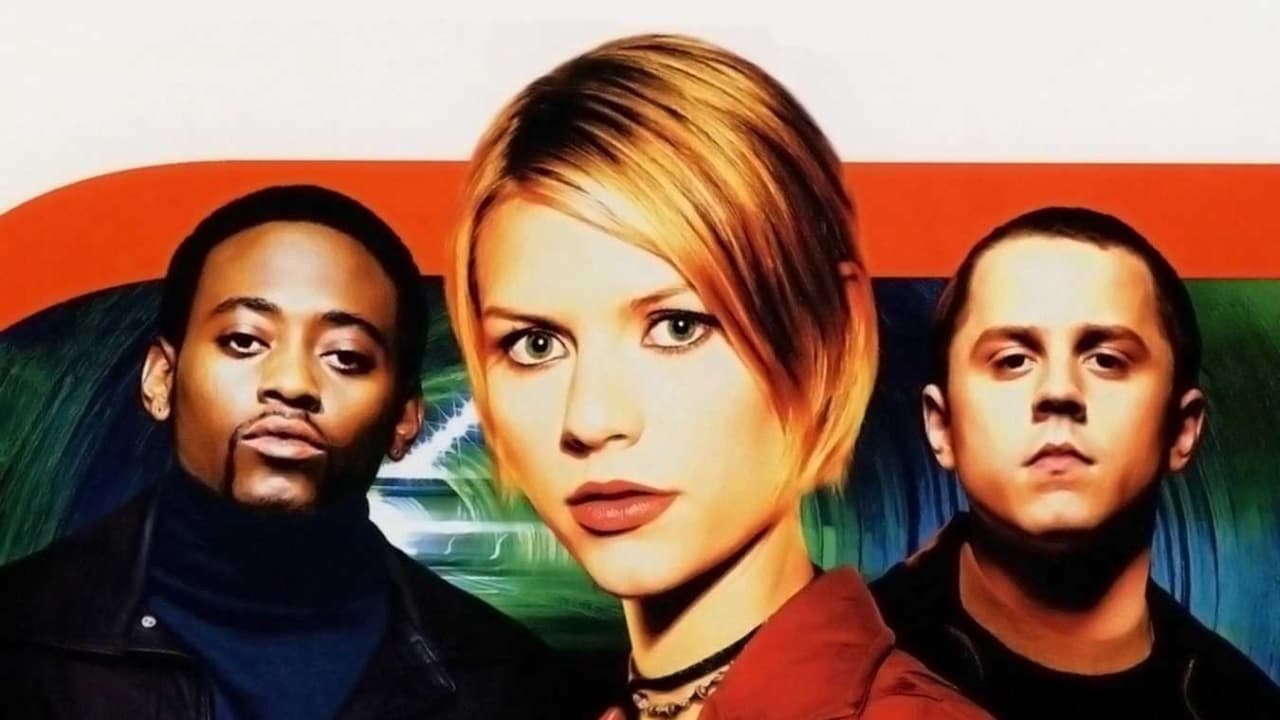
Casting is often key in these updates, and The Mod Squad certainly snagged three of the era's most prominent young actors. Claire Danes, fresh off redefining Juliet for the MTV generation in Baz Luhrmann's Romeo + Juliet (1996), takes on the role of Julie, the reformed runaway. Giovanni Ribisi, already known for his quirky intensity in films like Saving Private Ryan (1998) and TV's Friends, steps into Pete's troubled shoes. And Omar Epps, who brought simmering gravitas to Juice (1992) and Higher Learning (1995), plays Linc, the stoic anchor.
Individually, they each bring something. Danes conveys vulnerability beneath a hardened exterior, Ribisi weaponizes his signature off-kilter energy, and Epps projects a quiet cool. Yet, the crucial chemistry that defined the original trio feels forced here, hampered by a script (credited to Stephen T. Kay, Scott Silver, and Kate Lanier) that often mistakes brooding poses for character development. Their interactions lack the easy camaraderie, the sense of a chosen family forged in adversity, that made the original resonate. Instead, they often feel like three separate orbits occasionally colliding within the flimsy narrative framework.
Style Over Substance? A Late 90s Artifact
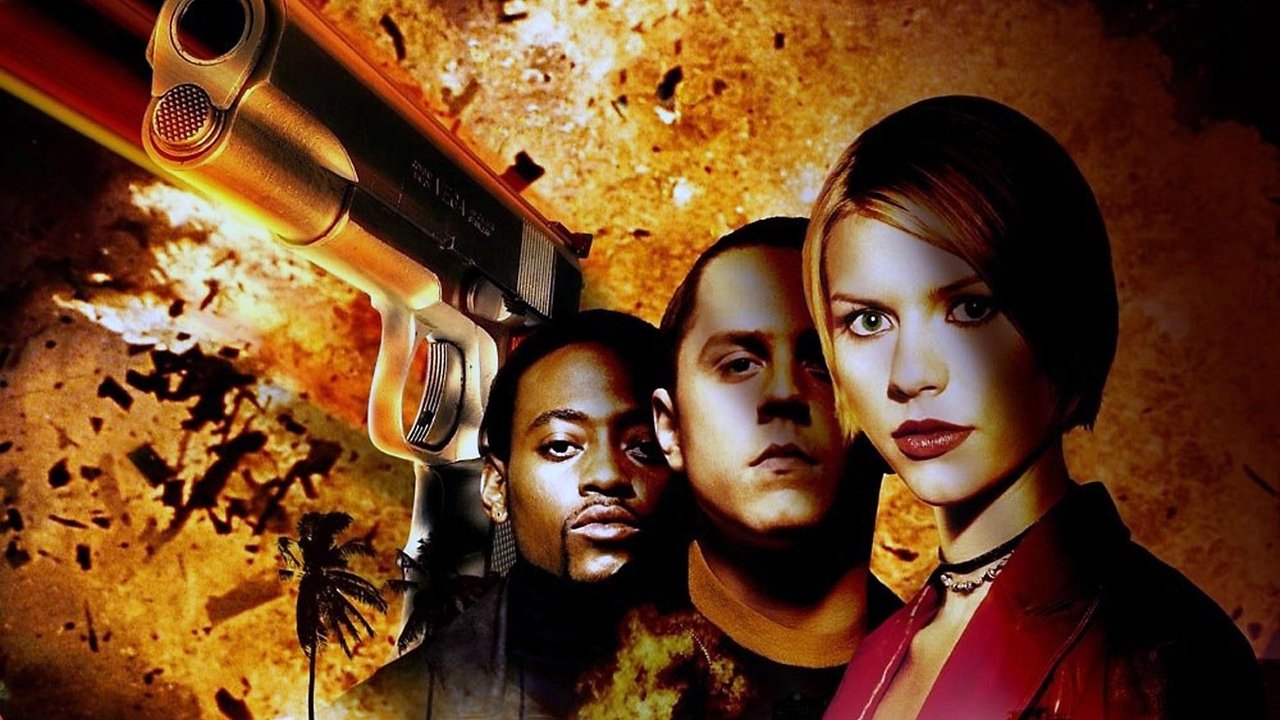
The plot itself involves the Squad going undercover in the LA club scene to bust a drug ring involving dirty cops. It's a fairly standard narrative, serving mostly as a vehicle for set pieces and attempts at stylish grit. The film leans heavily into its R-rating, seemingly believing that adding swearing, drug use, and harsher violence automatically equates to maturity and realism. Watching it now, this feels less like bold commentary and more like a calculated attempt to distance itself from its TV origins, a move that ultimately rings hollow.
One can't help but feel the film is trying desperately hard to be cool, a hallmark of many late-90s productions that now seem endearingly earnest in their efforts. The fashion, the music choices, the very particular brand of disaffected cool – it’s all pure 1999. Does anyone else remember thinking this level of detached irony was the absolute peak of sophistication back then? It serves as a potent, if perhaps unintentional, dose of nostalgia for the specific textures and attitudes of that pre-millennial moment.
Retro Fun Facts: Behind the Screen
The journey from concept to screen wasn't entirely smooth. While the studio landed its desired young stars (with Ribisi reportedly the first onboard), the film carried a hefty price tag for the time – around $50 million (roughly $92 million in today's money). Unfortunately, it failed to connect with audiences or critics, grossing a mere $15 million worldwide (about $27.5 million today), making it a significant financial disappointment. Initial reviews were harsh, cementing its reputation as a misfire almost immediately.
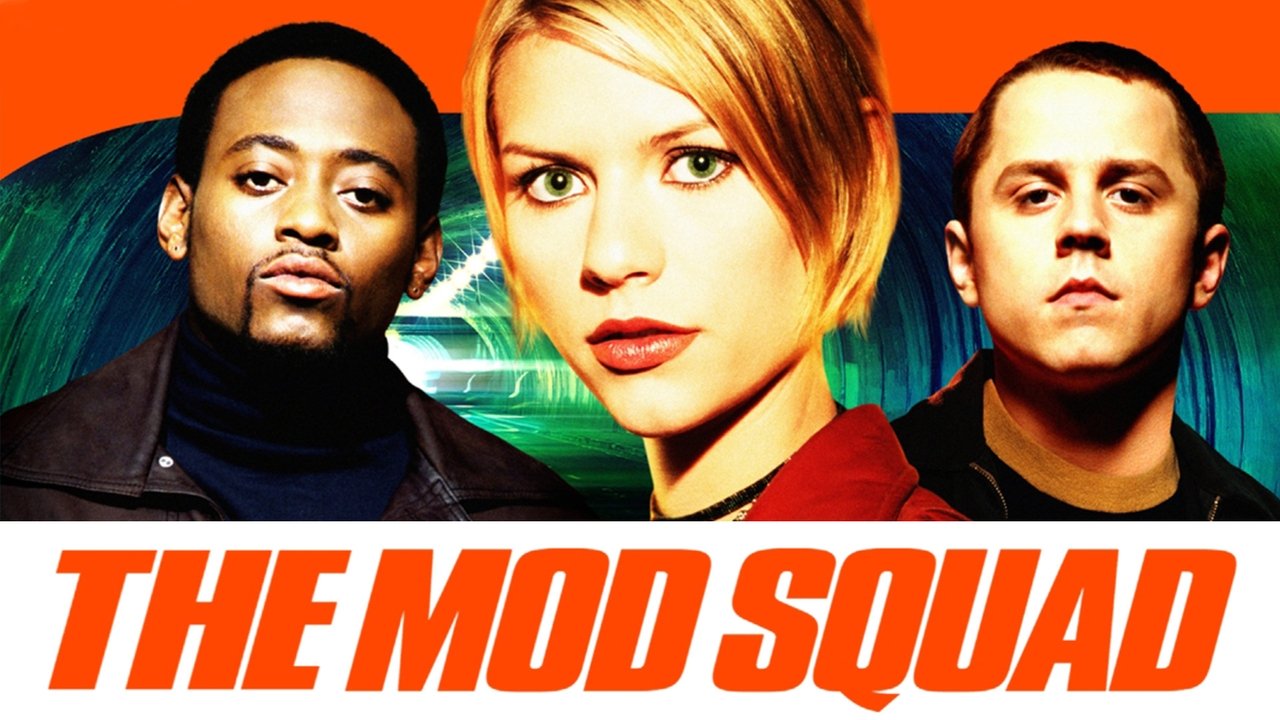
Filmed primarily around Los Angeles, the production did make a nod to its roots. Clarence Williams III, the original Linc Hayes, makes a brief cameo appearance, a small touch of connective tissue between the eras. Peggy Lipton, the original Julie, however, reportedly declined a similar offer. The film's marketing, with its generic tagline "Three undercover cops. One dangerous mission," sold it as a standard action thriller, perhaps failing to capture the unique generational angle that might have distinguished it.
Verdict: A Faded Snapshot
Watching The Mod Squad today is an exercise in excavating late-90s cinematic trends. The ambition to update a classic is there, and the principal cast certainly possesses talent, but the execution feels muddled. The film mistakes surface-level grunge for depth, cynical posturing for genuine edge, and ultimately fails to forge a compelling identity distinct from its source material or its contemporaries. It lacks the heart of the original and the kinetic thrill of better 90s action films.

Rating: 3/10
This score reflects a film that largely misses the mark. While Danes, Ribisi, and Epps are watchable, they're let down by a weak script and direction that prioritizes a now-dated aesthetic over compelling storytelling or character dynamics. The few points awarded are for the unintentional time capsule quality – it perfectly preserves a specific moment of late-90s filmmaking trying very hard – and the welcome presence of Dennis Farina.
It remains a curious artifact, a testament perhaps to how difficult it can be to recapture lightning in a bottle, especially when translating the vibe of one era into the very different sensibilities of another. What lingers isn't the thrill of the chase, but the faint echo of a cultural moment trying, and largely failing, to define "cool" for a new generation.