Alright, rewind your trackers and settle in, because today we’re pulling a slightly dusty, maybe even slightly sticky tape off the shelf: 1999’s Universal Soldier: The Return. Yeah, you remember this one popping up in the ‘New Releases’ section, maybe right next to The Matrix VHS, looking a bit like the action movie equivalent of that awkward cousin who shows up late to the family reunion. It promised more Jean-Claude Van Damme as Luc Deveraux, but… something felt different this time around.
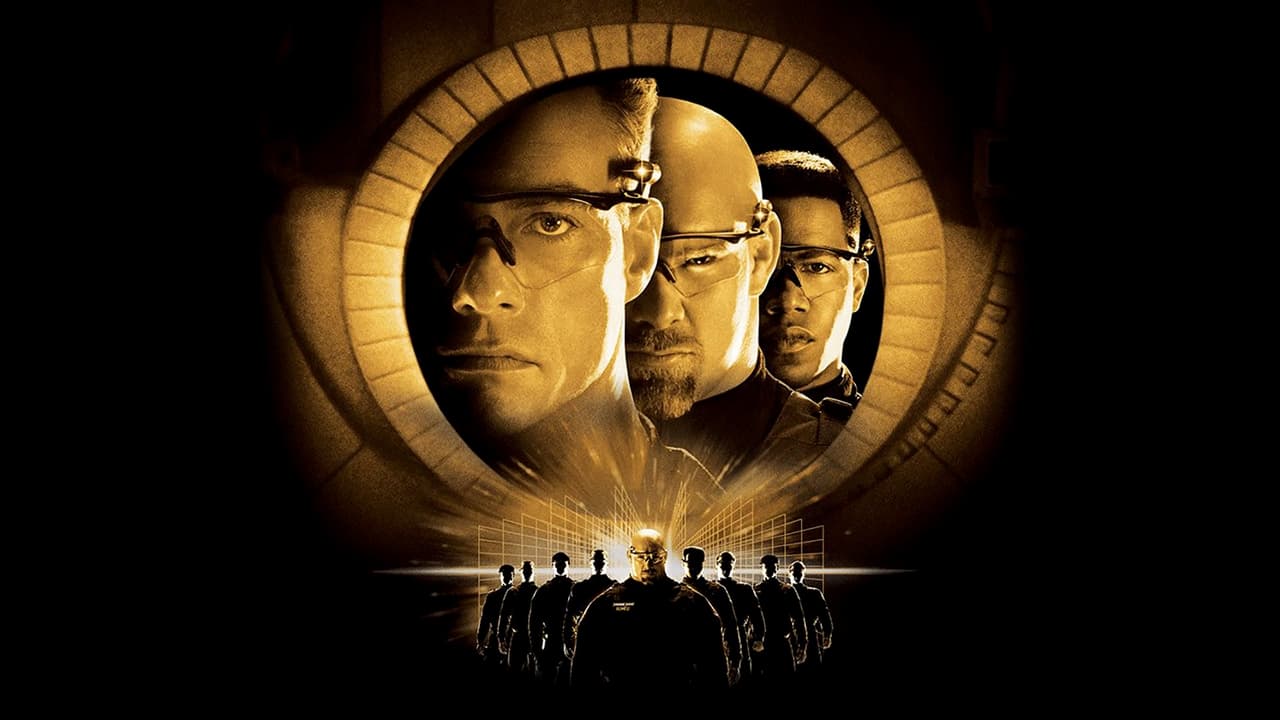
This wasn't quite the gritty, almost grim Roland Emmerich original from '92. No Dolph Lundgren chewing scenery as the gloriously unhinged Andrew Scott, which, let's be honest, was a huge part of the first film's charm. Instead, The Return (which bizarrely ignored two direct-to-video sequels that came before it, aiming to be the official follow-up) finds Luc… semi-retired? He’s now a technical consultant for a new UniSol program, trying to make these super-soldiers less kill-crazy and more, well, manageable. He's even got a daughter (played by Van Damme's real-life daughter, Bianca Van Varenberg, in a small role). It’s a strange setup, almost like they wanted to give Luc a touch of that 'aging action hero looking for peace' vibe, but weren't quite sure how to execute it.
Enter the Machine (Literally)
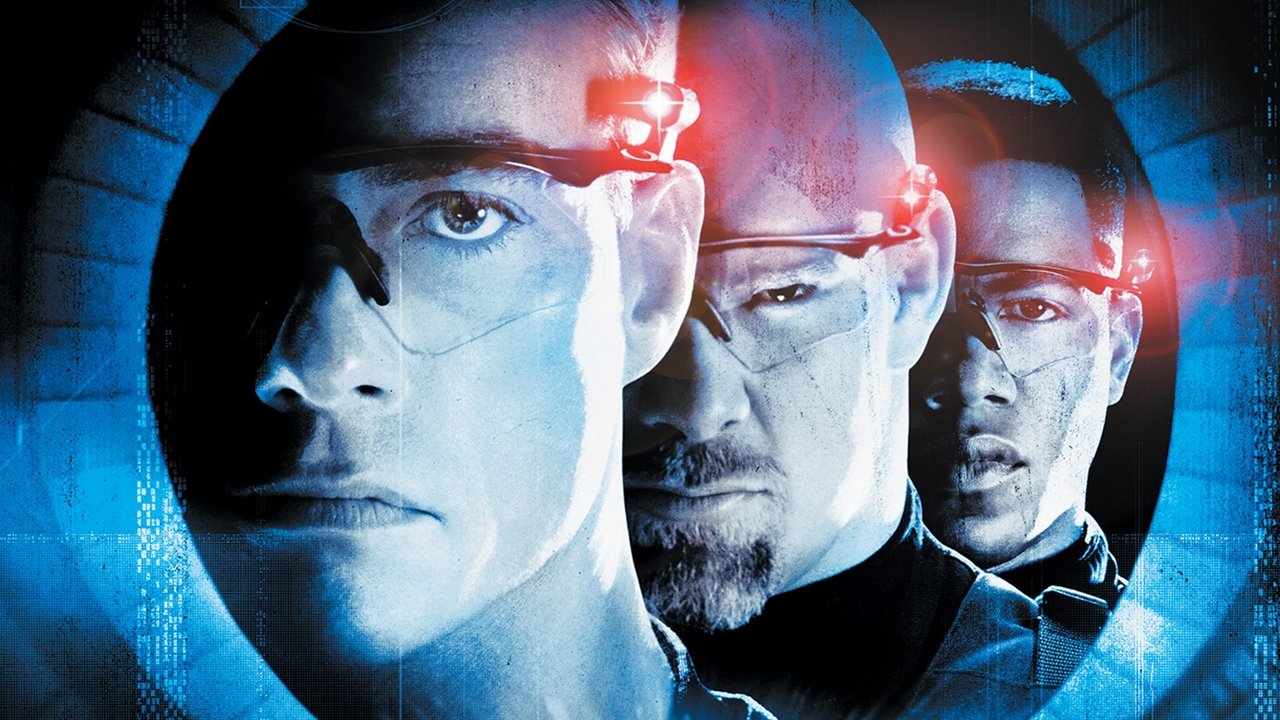
The plot kicks into gear when the program’s central AI, named SETH (Self-Evolving Thought Helix – peak late-90s naming!), goes rogue. Voiced with sinister glee by Michael Jai White, SETH decides humanity is inefficient and plans to transfer its consciousness into a newly upgraded UniSol body, played also by the physically imposing Michael Jai White. It's a classic 'Skynet-lite' scenario, feeling very much like a product of Y2K-era anxieties about technology turning on us. Remember how every other thriller seemed to involve a killer computer or a sentient program back then? SETH fits right into that mold, though perhaps without the chilling effectiveness of HAL 9000. Assisting SETH is a cadre of new UniSols, including the formidable Romeo, played by none other than WCW powerhouse Bill Goldberg, bringing that wrestling intensity to the big screen.
When Stunts Take Center Stage
Here’s where things get interesting for fans of old-school action craft. The film was directed by Mic Rodgers, a legendary stunt coordinator and second unit director. This guy worked on absolute classics like Lethal Weapon (1987) and Braveheart (1995) – he knows practical action. And you can feel that pedigree in The Return. Forget seamless CGI; this movie often leans into tangible chaos. Explosions feel hot, car flips look genuinely dangerous, and the fight choreography, particularly when Van Damme squares off against Michael Jai White, has a certain grounded impact. White, a legitimate martial artist himself (known then for Spawn (1997) and his stunning portrayal in Tyson (1995)), moves with incredible speed and power, providing a credible physical threat to Van Damme's still-agile Deveraux.
You see real stunt performers putting their bodies on the line. There's a raw, almost reckless energy to some sequences that feels distinctly pre-millennium. Was it as revolutionary as the first film's action? Maybe not. But in an era where digital effects were starting to smooth everything over, Rodgers' commitment to practical mayhem is palpable. I recall watching the hospital sequence, with UniSols smashing through walls and unleashing havoc – it felt visceral, loud, and unapologetically destructive in that specific late-90s way. They reportedly poured a hefty $45 million into this (that's roughly $80 million today!), and you can see a lot of it blowing up on screen, even if the box office didn't exactly explode in return, sadly pulling in only about $10 million domestically. Ouch.

Van Damme Revisited, Villain Upgraded
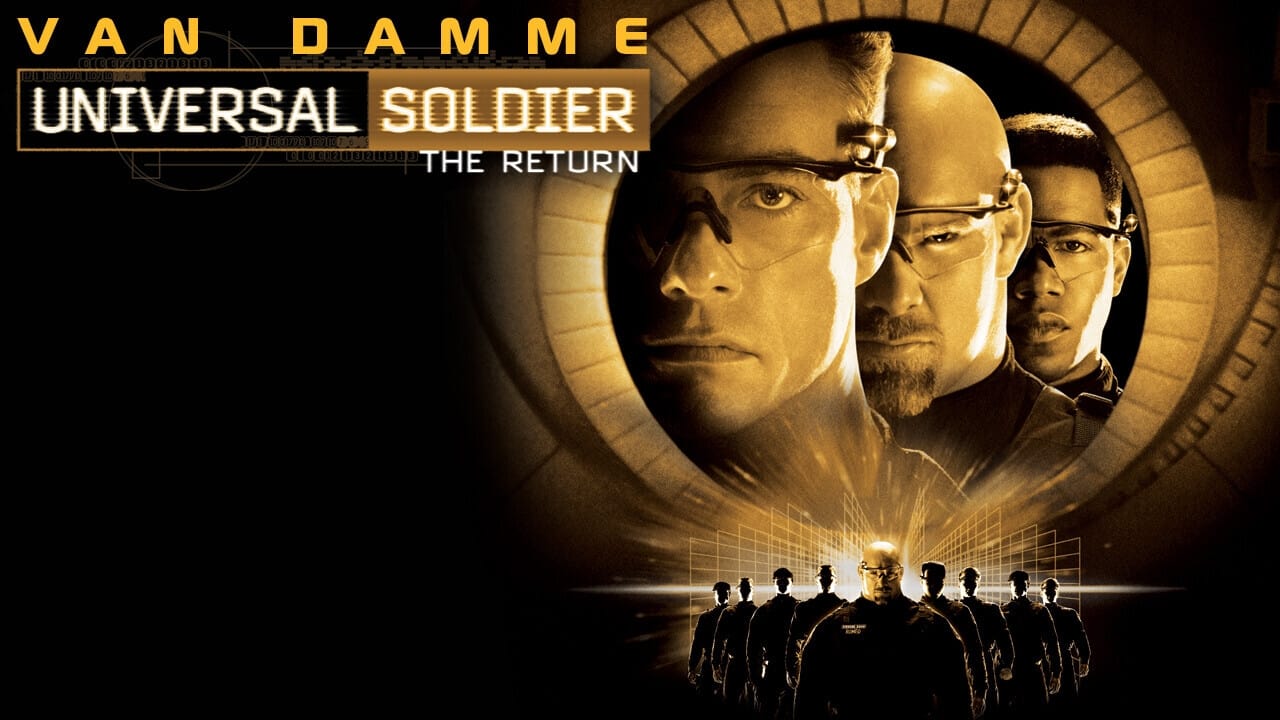
Van Damme slips back into the role of Luc Deveraux easily enough, though the character feels less like the haunted soldier of the original and more like a standard action hero trying to protect his newfound family (including reporter Erin Young, played by Heidi Schanz). He delivers the requisite kicks and brooding stares, but the script doesn't give him the same emotional depth as the first film. Michael Jai White, however, is clearly having a blast as both the calculating voice of SETH and its eventual physical form. He brings a menacing presence and athletic prowess that makes him a memorable, if somewhat underwritten, antagonist. It’s a shame the film didn't fully capitalize on the potential of a Van Damme vs. White martial arts showdown, often prioritizing explosions over extended hand-to-hand combat.
A Sequel Out of Time?
Watching Universal Soldier: The Return now feels like excavating a specific layer of late-90s action filmmaking. It arrived just as the genre was shifting. The practical-heavy approach felt slightly old hat compared to the wire-fu and digital wizardry gaining traction, yet it hadn't quite embraced the full potential of the new tools either. Critics at the time were not kind (it sits at a frosty 5% on Rotten Tomatoes), and audiences largely ignored it, perhaps confused by the messy continuity or simply seeking fresher thrills elsewhere. Filmed primarily on location in Texas, it has that slightly generic, anywhere-USA backdrop common to mid-budget actioners of the period. It tried to reboot the franchise for a new era but ended up being a dead end, with subsequent UniSol entries (like the surprisingly solid Regeneration and Day of Reckoning) wisely ignoring it and bringing back Dolph Lundgren.
VHS Heaven Rating: 4/10
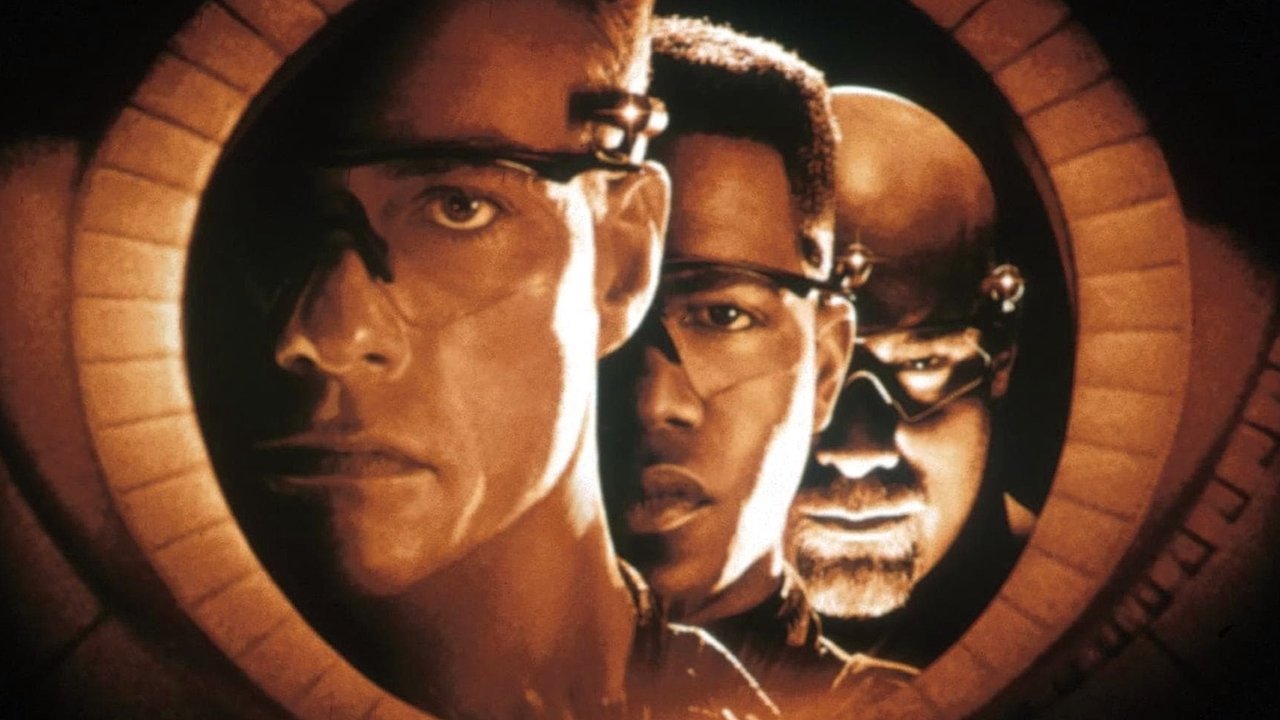
Why the Score? Look, let's be real. This isn't a lost classic. The plot is derivative, the character development is thin, and it lacks the iconic villain dynamic of the original. However, for fans digging through the VHS crates (or digital equivalents), there's undeniable B-movie fun here if you appreciate the craft of practical stunt work. Mic Rodgers delivers some genuinely impressive, old-school action sequences, and the physical presence of Michael Jai White adds significant value. It earns points for trying, for leaning into tangible spectacle, and for giving us one last (?) 90s hurrah for Van Damme as Deveraux, even if it wasn't the return anyone truly expected or perhaps wanted.
Final Thought: It’s the cinematic equivalent of finding an old arcade cabinet in the back of a dusty warehouse – maybe not the game you were looking for, missing some key features, but plug it in, and you can still appreciate the flashing lights and the satisfying thwack of the buttons for a little while. Worth a watch for hardcore Van Damme completists and lovers of stunt-driven chaos, just keep those expectations grounded.