Few places seemed less likely breeding grounds for mohawks and anarchy in the Reagan-era mid-80s than Salt Lake City, Utah. Yet, it's precisely this unexpected juxtaposition that fuels the restless, furious, and surprisingly poignant heart of James Merendino's 1998 indie gem, SLC Punk. Watching it again now, decades after pulling that distinctive VHS box off the shelf at Blockbuster (remember those glorious aisles?), the film hits differently. It’s no longer just about the rebellion; it’s about the memory of rebellion, the sting of choices made, and the often-bitter transition from youthful idealism to… well, whatever comes next.

### Anarchy in Zion
At its core, SLC Punk follows Stevo (Matthew Lillard) and his best friend, "Heroin" Bob (Michael A. Goorjian), two of the handful of dedicated punks navigating the deeply conservative landscape of Salt Lake City in 1985. Stevo, our hyper-articulate, fourth-wall-breaking narrator, is a paradox: an Ivy League-bound anarchist whose fierce anti-establishment rants often mask a deeper uncertainty about his own path. He dissects the scene, the poseurs, the different factions (Mods, Rednecks, other Punks), and the sheer existential confusion of being young and committed to something most people around you either fear or despise.
What makes the film resonate, beyond the killer punk soundtrack (featuring The Ramones, Dead Kennedys, Generation X, and more), is its raw authenticity. Merendino, drawing heavily from his own experiences growing up punk in SLC, avoids romanticizing the scene. It’s often messy, contradictory, and fueled by as much confusion as conviction. We see the camaraderie, yes, but also the petty squabbles, the violence, and the underlying vulnerability beneath the safety pins and leather jackets. This wasn't Hollywood's version of punk; it felt like a glimpse into a real, albeit specific, subculture. It's a detail that adds weight – knowing the director lived some version of this story lends truth to Stevo's chaotic journey.
### Stevo's Brilliant, Conflicted Soul
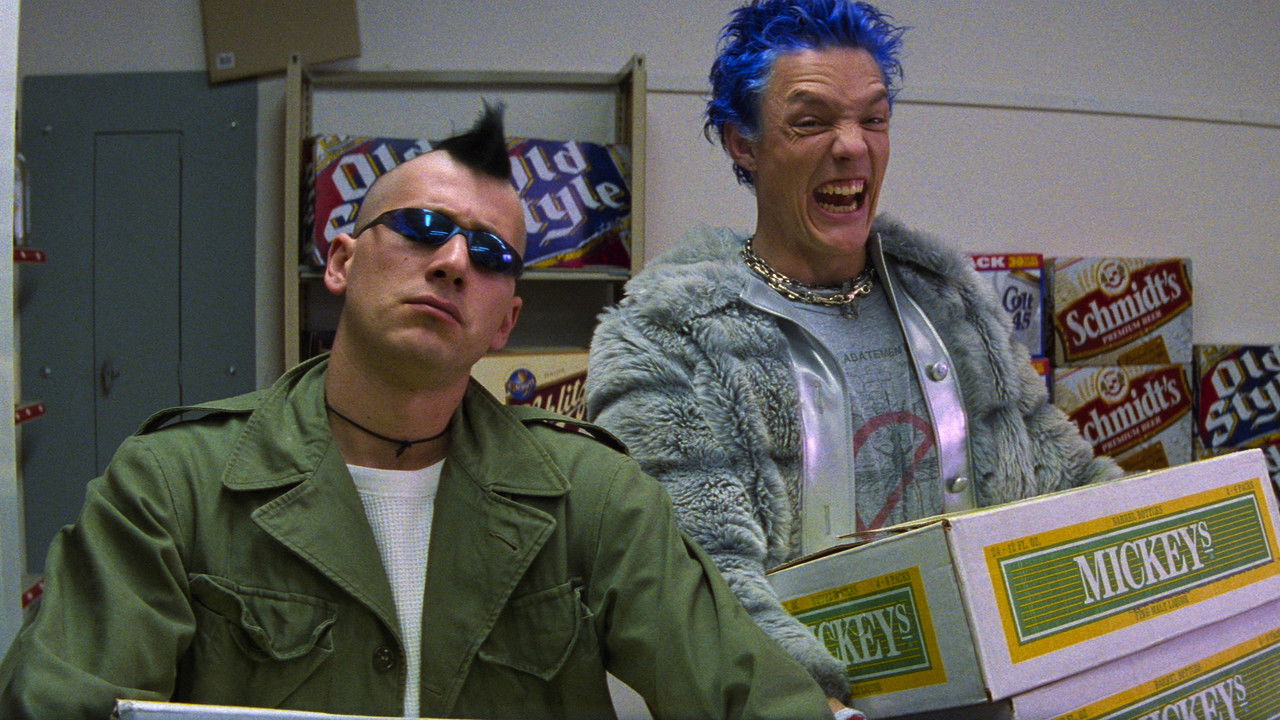
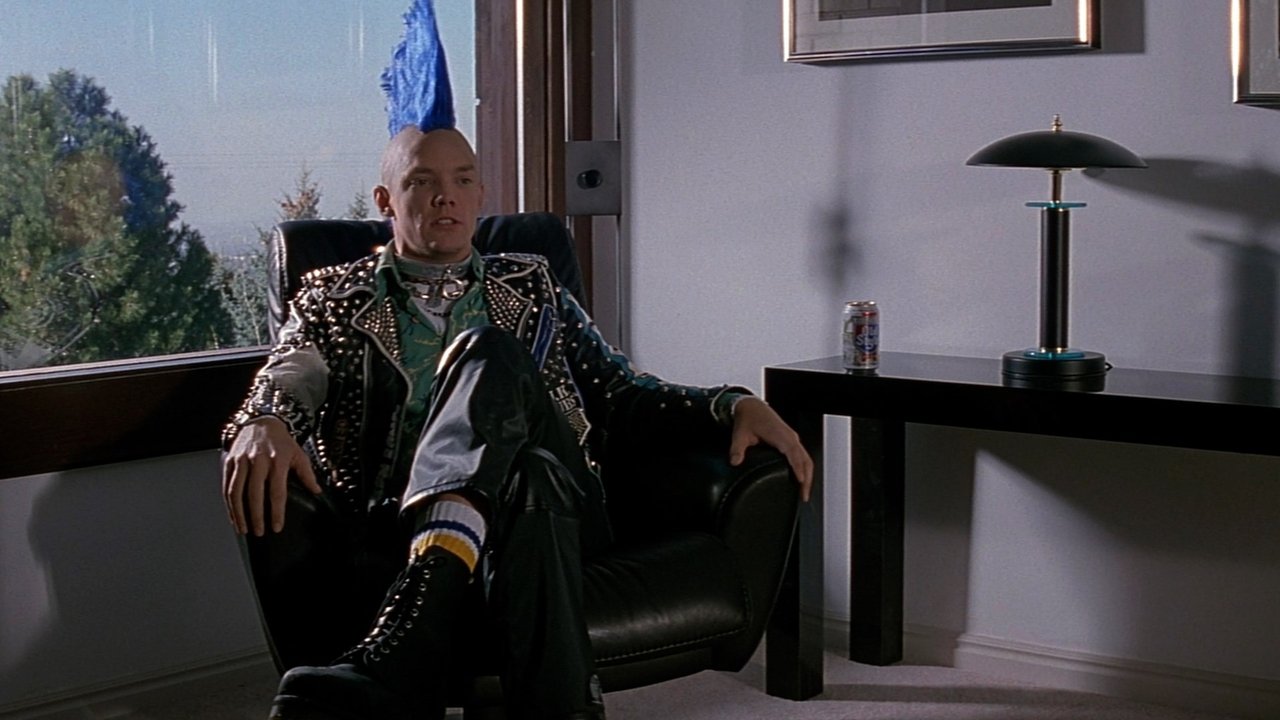
It’s impossible to talk about SLC Punk without focusing on Matthew Lillard's electric performance. Fresh off roles like Scream (1996), Lillard is Stevo. He doesn't just play him; he embodies him with a manic energy that practically vibrates off the screen. His direct addresses to the camera aren't just a gimmick; they feel like desperate, intelligent, often hilarious attempts to make sense of his own contradictions. He’s railing against the system, his Reagan-loving ex-hippie parents, and the perceived inevitability of conformity, all while wrestling with his own sharp intellect and the expectations that come with it. Why does his performance feel so truthful? It’s the vulnerability flickering beneath the bravado, the moments where the sneering facade cracks to reveal a young man genuinely lost and terrified of selling out, even as he suspects it might be unavoidable.
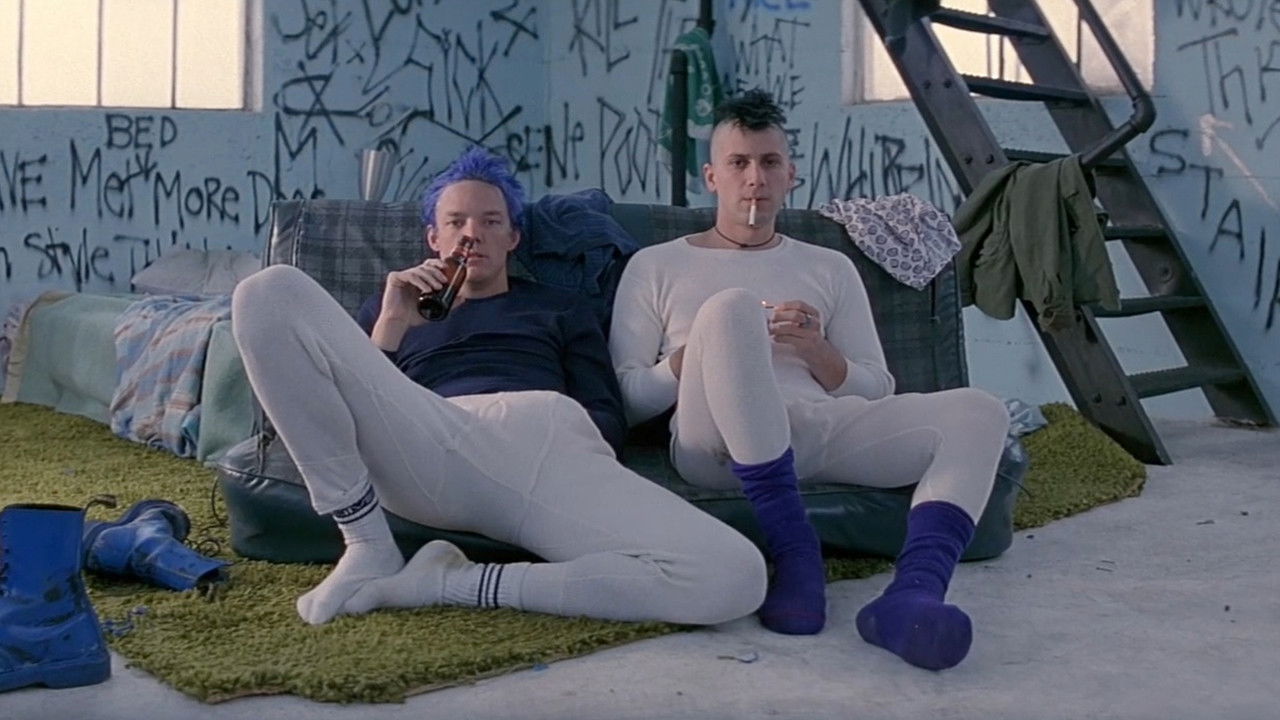
Complementing Lillard's whirlwind is Michael A. Goorjian's beautifully understated work as Heroin Bob. Bob, despite his ironic name (he’s terrified of needles), is the grounded heart of the duo, the loyal friend whose quiet observations often carry more weight than Stevo's elaborate manifestos. Their friendship feels lived-in and real, the kind of bond forged in the fires of shared alienation. The supporting cast, including Annabeth Gish as Trish, Stevo's insightful girlfriend who challenges his rigid definitions, and brief but memorable appearances by actors like Devon Sawa and a very young Jason Segel, add layers to this small, specific world.
### Finding Truth in the Mosh Pit
Merendino’s direction mirrors Stevo’s chaotic energy. The editing is often frantic, the camera work dynamic, capturing the raw energy of punk shows and the restless spirit of its characters. Yet, the film also knows when to pause, to let a moment of quiet reflection or sudden tragedy land with full force. One fascinating production tidbit is how the film was made on a shoestring budget – reportedly around $600,000. This constraint likely contributed to its gritty, unpolished aesthetic, which ultimately serves the story perfectly. It doesn't look slick because the lives it depicts aren't slick.
The film asks potent questions that linger long after the credits roll. What does it truly mean to be authentic? Is rebellion sustainable, or is some form of compromise inevitable? Stevo's journey forces us to confront the uncomfortable truth that railing against "the man" is often easier than figuring out who you actually are and what you truly want. Doesn't his struggle resonate with that universal pressure we all feel at some point – the push and pull between youthful ideals and adult realities?
### The Inevitable Fade Out (Spoiler Alert!)
The film takes a sharp, heartbreaking turn towards the end with the accidental death of Heroin Bob. It's a gut punch that shatters the anarchic fun and forces Stevo – and the audience – into a stark confrontation with consequence and loss. This tragedy becomes the catalyst for Stevo's ultimate decision to abandon the punk life and head to Harvard Law School. Some viewers found this ending a betrayal, a "sell-out" moment. But watching it now, it feels tragically inevitable, less a betrayal of ideals and more a painful acknowledgment of life's harsh realities and the complex ways grief reshapes us. It’s a sobering reminder that even the most committed rebellion exists within the fragile framework of human mortality. What lingers most after the film ends is perhaps this bittersweet understanding: that youthful fire, while glorious, often burns out or changes form in ways we never anticipated.

Rating: 8/10
SLC Punk earns this score for its unflinching honesty, Matthew Lillard's career-defining performance, and its authentic portrayal of a specific time and subculture. It perfectly captures the intoxicating energy and underlying angst of youth, wrapping it in a package that’s funny, intelligent, and ultimately deeply moving. While its low-budget roots occasionally show, and some might debate the ending's implications, its raw power and thematic depth make it a standout indie classic from the late 90s VHS era. It's more than just a "punk movie"; it's a potent exploration of identity, conformity, and the bittersweet ache of growing up.
It remains a film that sparks conversation, evokes strong memories of discovering hidden gems in the video store, and reminds us that sometimes, the biggest rebellion is simply trying to figure out who you are amidst the noise.