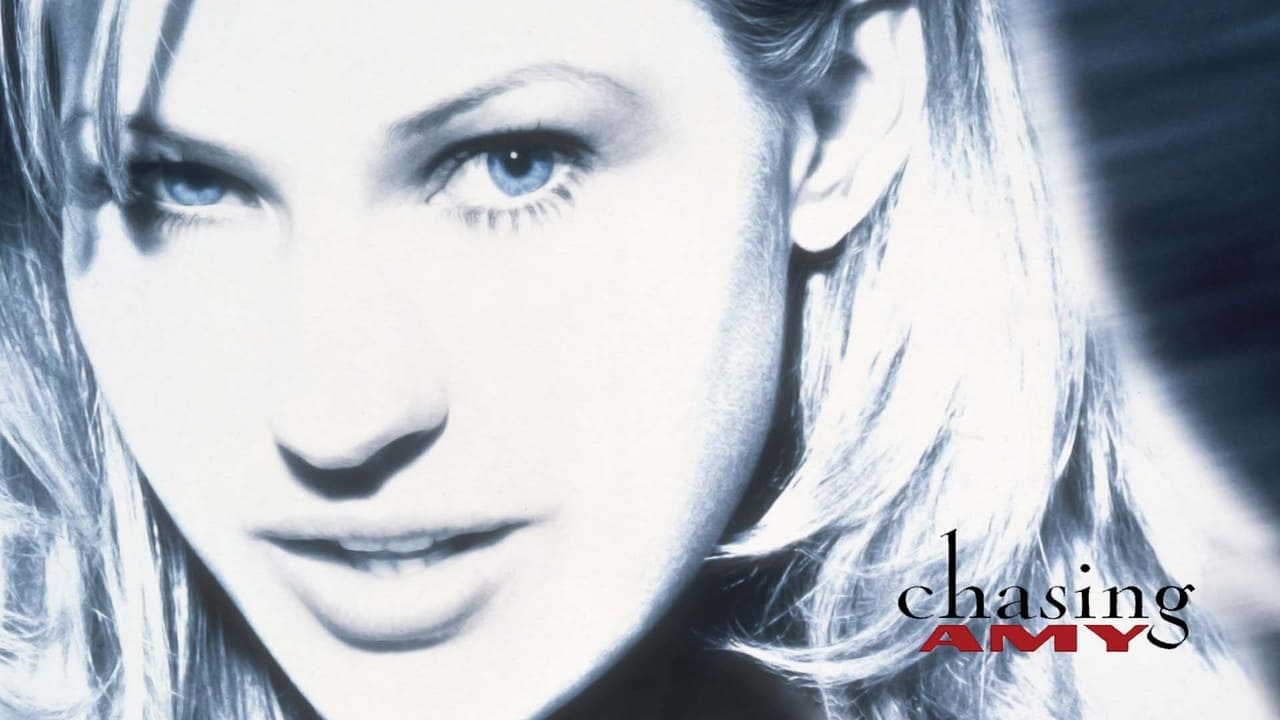
It’s rare for a film—especially one nestled amongst the raunchy comedies of its writer-director—to leave you feeling quite so emotionally exposed. Chasing Amy (1997) wasn't just another entry in Kevin Smith's View Askewniverse; it felt like pulling back a curtain on something intensely personal, messy, and profoundly human. This wasn't just dick and fart jokes (though, rest assured, Jason Lee's Banky Edwards provides his share); this was about the knotty complexities of love, friendship, and the crushing weight of insecurity. It arrived on video store shelves feeling like a dare – could a film be this funny and this raw?
### More Than Just Comic Book Banter
We meet Holden McNeil (Ben Affleck) and Banky Edwards (Jason Lee), creators of the popular indie comic "Bluntman and Chronic." Their world is one of comic conventions, inside jokes, and a seemingly unbreakable partnership. Enter Alyssa Jones (Joey Lauren Adams), another comic creator – whip-smart, funny, captivating, and... a lesbian. Holden falls, hard. What unfolds isn't a simple "boy meets girl" narrative, but a tangled exploration of identity, possessiveness, and the uncomfortable truths we often hide, even from ourselves.
What elevates Chasing Amy beyond its potentially controversial premise is its unflinching honesty. Smith, who famously penned the script drawing heavily from his own relationship with Joey Lauren Adams at the time, doesn't shy away from the awkwardness, the pain, or the deeply flawed perspectives of his characters. There’s a palpable sense of autobiography here, a rawness that feels less like crafted fiction and more like overheard confessions. This was Smith venturing into territory far more vulnerable than the Quick Stop or the Eden Prairie Mall, and the gamble paid off, artistically speaking. Made on a shoestring budget of just $250,000, its eventual $12 million+ gross felt like validation not just for Smith, but for audiences craving mainstream-adjacent films that actually said something real.

### Performances That Cut Deep
The film rests heavily on the shoulders of its central trio, and they deliver performances that feel startlingly authentic. Ben Affleck, before he became the full-fledged movie star post-Good Will Hunting (which arrived later the same year), perfectly captures Holden's yearning mixed with a toxic blend of naivete and male ego. You see the genuine affection, but also the destructive insecurity that prevents him from accepting Alyssa for who she is, past and present. It’s a performance that makes Holden sympathetic even when his actions are deeply frustrating. Doesn't his struggle, in some ways, mirror the difficulty many face in reconciling idealized love with messy reality?
Jason Lee as Banky is more than just the comedic foil. Yes, he gets some of the film's biggest laughs, often fueled by juvenile panic and homophobia, but beneath the surface, there's a palpable fear of losing his friend and his comfortable world. His antagonism towards Alyssa stems not just from prejudice, but from a deep-seated insecurity about his own place in Holden's life. It's a nuanced performance that prevents Banky from becoming a mere caricature.
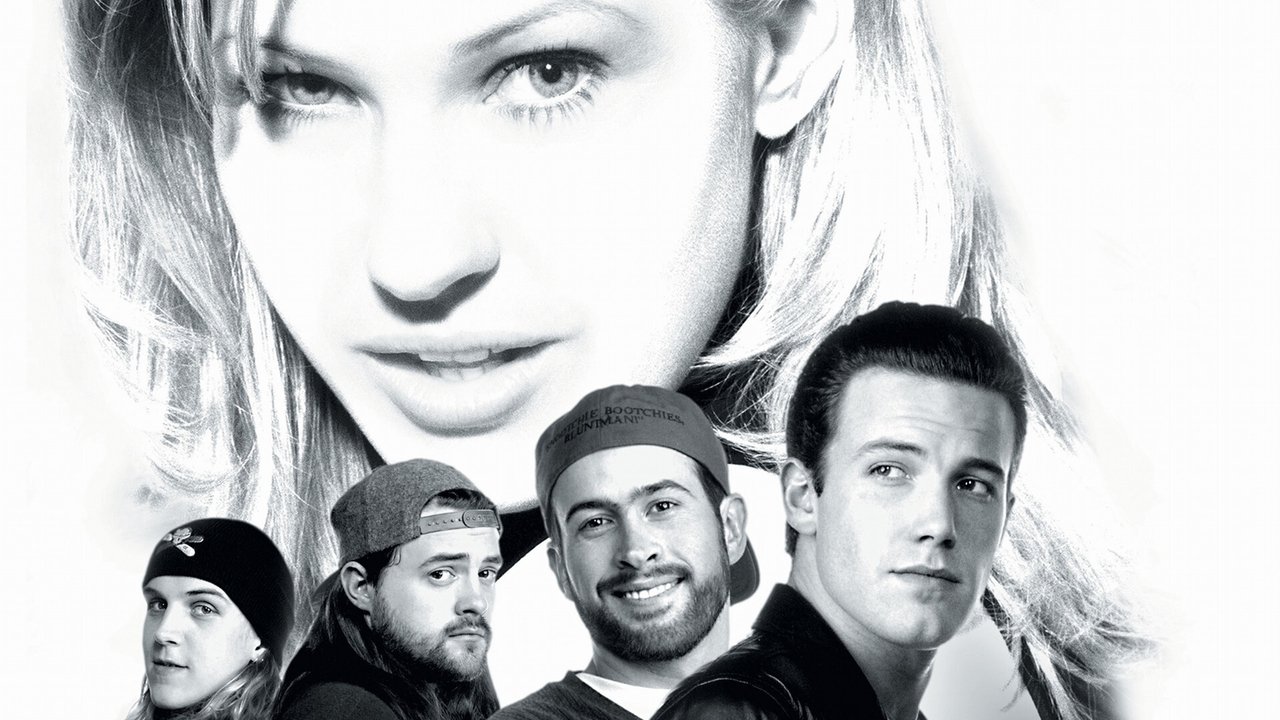

But the heart and soul of Chasing Amy is undoubtedly Joey Lauren Adams. Smith wrote Alyssa for her, and it shows. Adams imbues Alyssa with incredible complexity – she's confident yet vulnerable, sexually experienced yet emotionally guarded, open yet fiercely protective of her history. Her distinctive voice and delivery become inseparable from the character's mix of sharp wit and raw feeling. The scenes where she confronts Holden's judgments, or reveals painful truths about her past, are electric. Watch her face during the infamous "finger cuffs" monologue – it’s a masterclass in conveying years of hurt and defiance simmering beneath a carefully constructed surface. It feels less like acting and more like bearing witness.
### Indie Spirit, Lasting Questions
Shot quickly and economically, the film has that distinct mid-90s indie aesthetic – not overly polished, favouring dialogue-heavy scenes and intimate close-ups. Kevin Smith's direction is straightforward, letting the script and the actors do the heavy lifting. The dialogue crackles with Smith's signature blend of pop culture riffs and unexpectedly poignant observations. It feels grounded in a specific time and place – the world of indie comics, alternative music (that soundtrack!), and pre-internet dating complexities. Remember tracking down those indie comics mentioned, hoping to feel part of their world?
Some aspects, particularly Banky's casual homophobia and certain elements of the sexual politics, haven't aged perfectly. Viewed through a modern lens, the film certainly invites debate about its portrayal of sexuality and relationships. Yet, its core questions about whether love can overcome prejudice, insecurity, and the baggage of the past remain potent. Can someone truly change their nature for another? Can friendship survive such seismic shifts? The film doesn't offer easy answers, leaving the viewer to grapple with the emotional fallout alongside the characters. Smith even sought consultation from Guinevere Turner (co-writer/star of the seminal lesbian indie Go Fish (1994), who also has a cameo), adding a layer of perspective to the narrative's exploration.
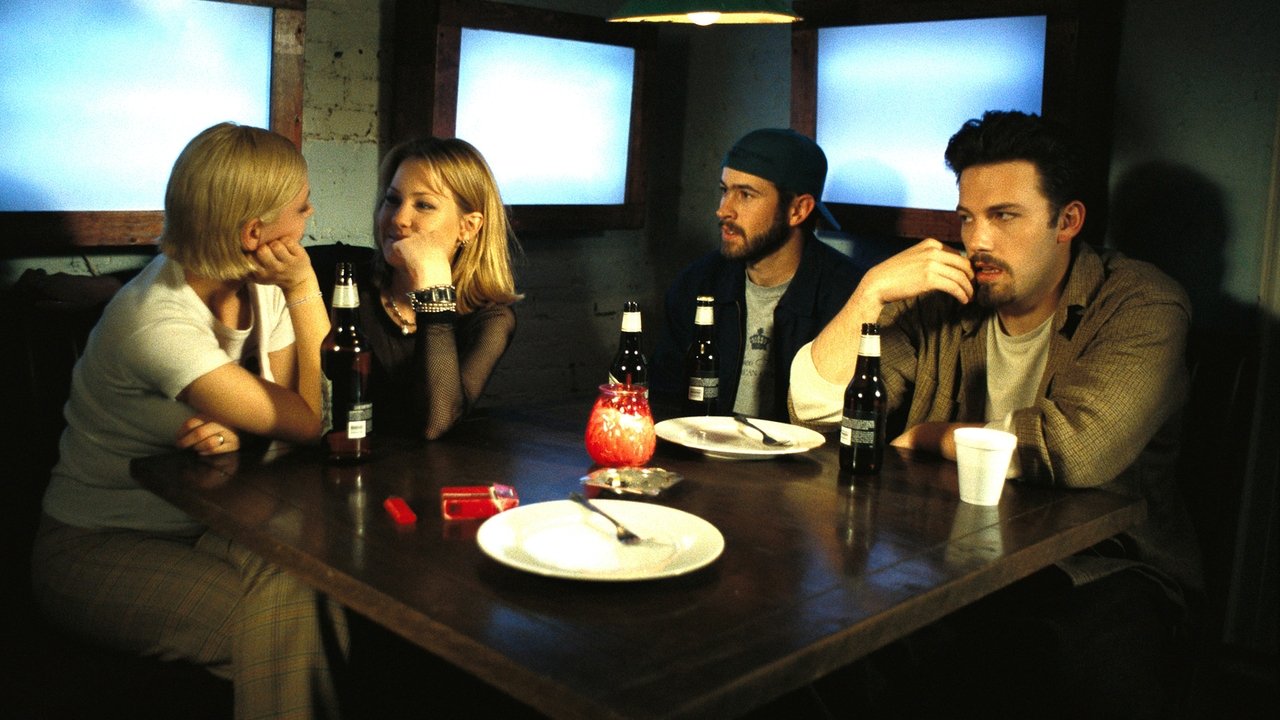
Chasing Amy was a turning point for Smith, proving he could blend his unique comedic voice with genuine emotional depth. It wasn't just talk; it was talk that mattered, that burrowed under your skin and stayed there long after the tape clicked off in the VCR.
Rating: 8.5/10
This score reflects the film's powerful, authentic performances, its brave (if sometimes messy) exploration of complex themes, and its significance as a standout indie dramedy of the 90s. While some elements feel dated, the raw emotional honesty, particularly from Joey Lauren Adams, remains incredibly potent. It’s a film that sparked countless conversations back then, and revisiting it now, it still forces us to confront uncomfortable questions about love, acceptance, and the ghosts of relationships past. What lingers most isn't the humor, but the ache of unresolved feelings.