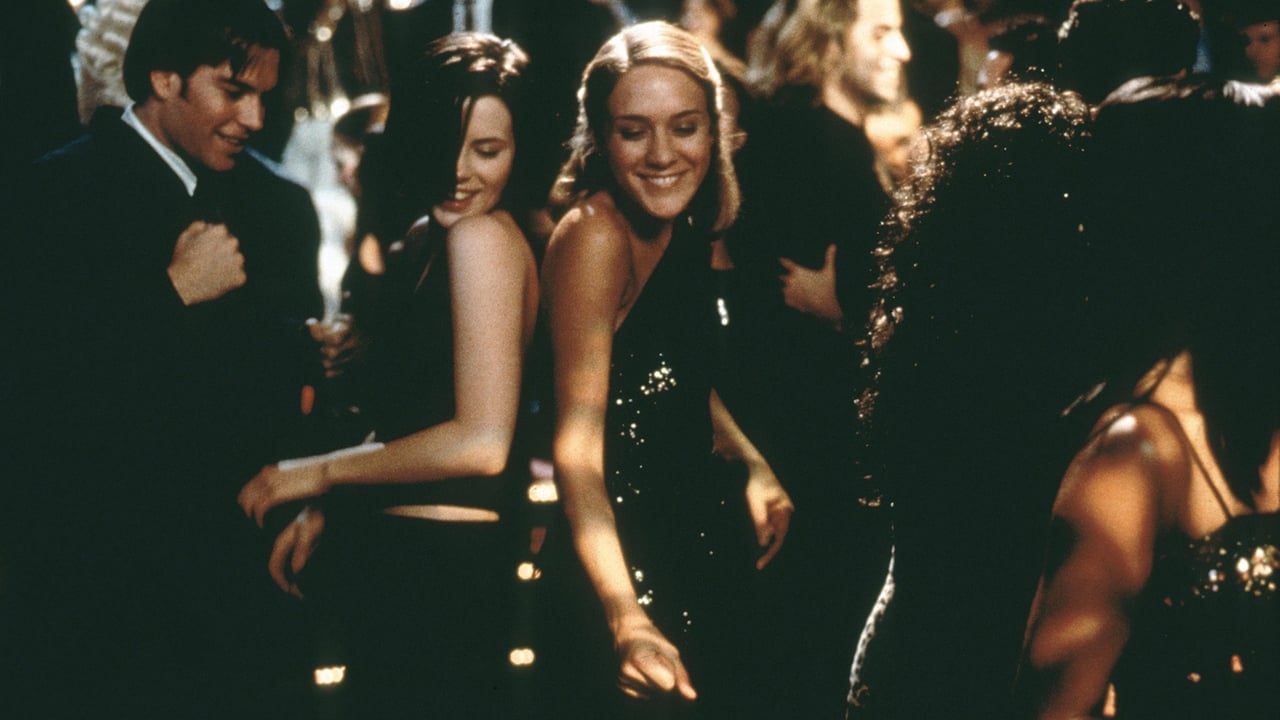
There's a particular kind of bittersweet ache that comes with watching the end of an era unfold, even one you didn't personally experience quite like that. It's the feeling that permeates Whit Stillman’s The Last Days of Disco, a film that arrived on VHS shelves in 1998, offering not a high-octane thriller or broad comedy, but a witty, surprisingly poignant look back at the twilight of Studio 54-esque glamour and the dawn of the 'yuppie' 80s. It captures that specific, slightly awkward moment when the party's winding down, the lights are about to come up, and everyone's wondering what comes next.
Manhattan Nights, Ivy League Blues
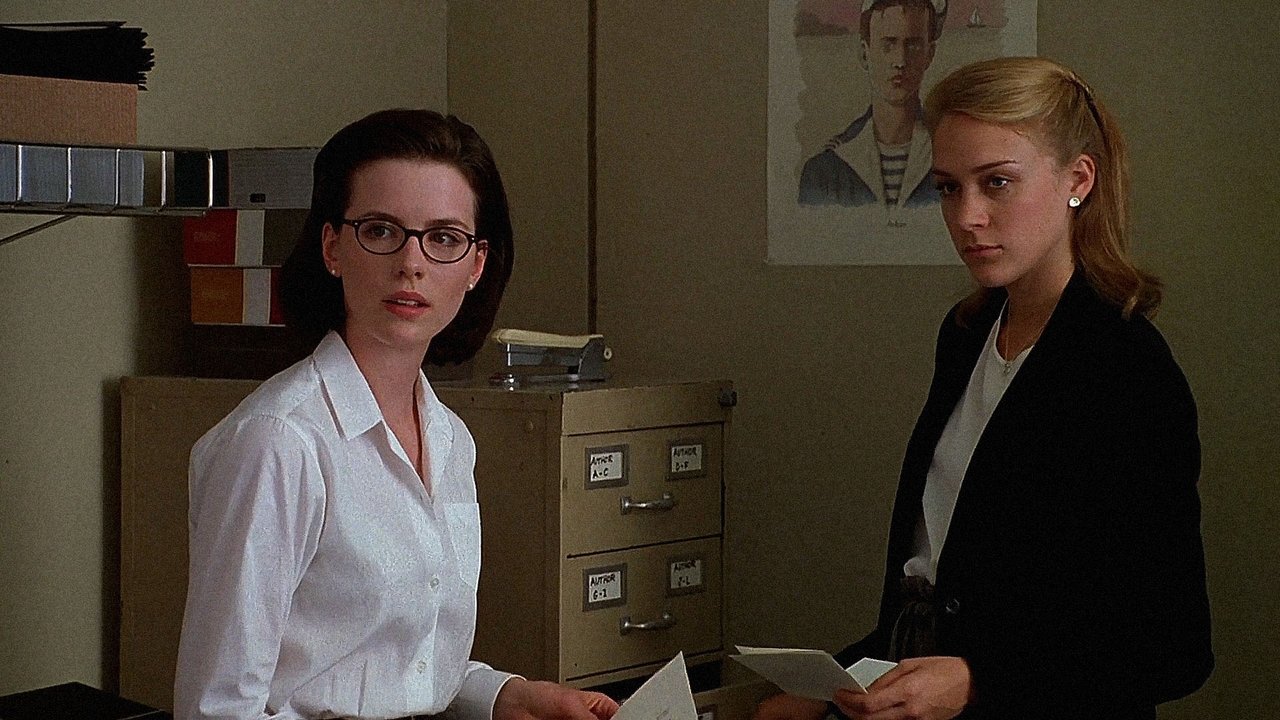
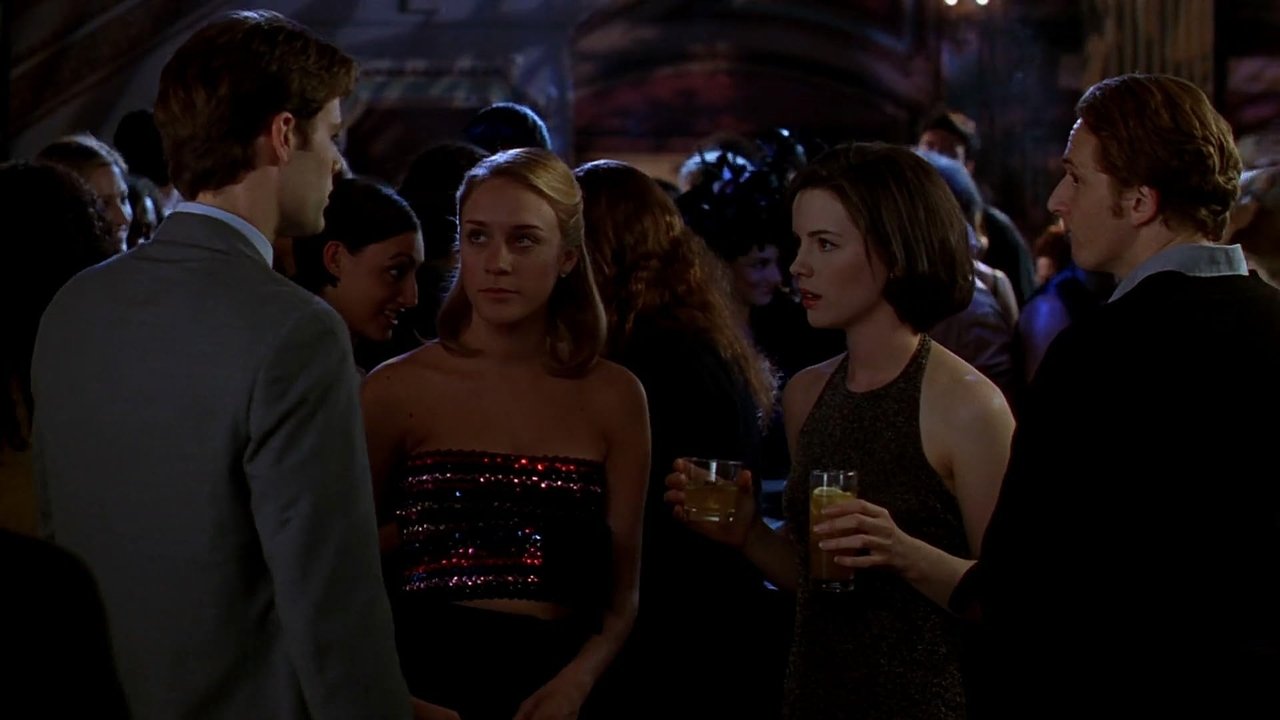
The film drops us into the lives of Alice Kinnon (Chloë Sevigny) and Charlotte Pingress (Kate Beckinsale), recent Hampshire College graduates navigating the choppy waters of entry-level publishing jobs and the even trickier social currents of a chic Manhattan disco club. This unnamed club – intentionally not Studio 54, though certainly inspired by it – serves as the central stage for their ambitions, romantic entanglements, and endlessly analytical conversations. Stillman, who brought us the similarly talkative and insightful Metropolitan (1990) and Barcelona (1994), has a unique gift for capturing the vernacular of the educated, slightly lost young adult, and here it's sharper and funnier than ever.
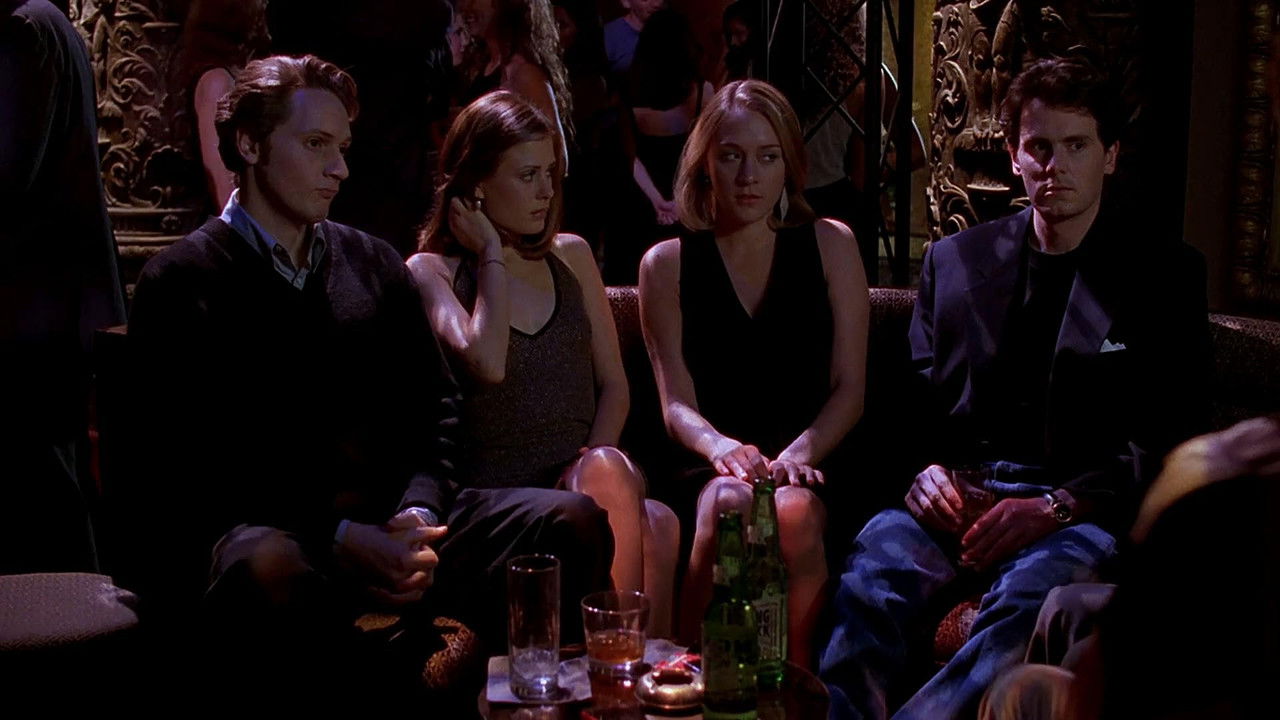
Their circle includes the delightfully cynical club manager Des (Chris Eigeman, reprising a similar archetype, if not the exact character, from Stillman's previous films), the earnest prosecutor Josh (Matt Keeslar) grappling with manic depression and a fascination with disco's potential demise, and various other young professionals trying to figure it all out under the mirror ball. The plot isn't driven by grand events, but by the subtle shifts in relationships, the anxieties of career beginnings, and the constant negotiation of social standing.
Talk is Chic
What truly sets The Last Days of Disco apart, like all of Stillman's work, is the dialogue. It's a cascade of clever observations, passive-aggressive digs, earnest declarations, and hilariously off-kilter theories about everything from the appeal of Scrooge McDuck to the social utility of STDs. It feels both incredibly artificial and deeply authentic – the way these characters intellectualize their emotions and experiences is both a defense mechanism and a genuine attempt to understand their confusing world.
Sevigny and Beckinsale are perfectly cast as the contrasting leads. Sevigny’s Alice is reserved, observant, and possesses a quiet vulnerability often masked by insecurity. Beckinsale’s Charlotte is more overtly confident, sharp-tongued, and sometimes cruelly manipulative, yet reveals her own deep-seated anxieties. Their complex friendship – supportive one moment, competitive the next – feels remarkably real. Chris Eigeman practically steals the show as Des, delivering cynical pronouncements with a world-weary charm that makes him the film's de facto narrator and moral compass, however skewed. His interactions, particularly with Alice, provide some of the film's most memorable and quotable moments.

Beneath the Surface Sparkle
Stillman apparently drew heavily from his own experiences in the disco era, lending the film an air of lived-in authenticity, even amidst the stylized dialogue. It wasn't a cheap film to make for its type, reportedly costing around $8 million – a significant chunk likely going towards securing the rights for that killer soundtrack featuring Chic, Sister Sledge, Diana Ross, and Amii Stewart. Yet, it only pulled in about $3 million at the box office, destined, perhaps appropriately, to become more of a cult favorite appreciated on home video than a mainstream smash. It arrived in a late 90s indie scene often focused on edgier, grungier fare, making Stillman's literate, preppy-adjacent sensibility feel both nostalgic and slightly out of time.
The film isn't just about witty banter, though. There's a palpable melancholy running beneath the surface. These characters are perched precariously between the hedonism of the late 70s and the looming, more conservative Reagan era. Disco's impending death serves as a metaphor for the end of their own carefree youth. They talk about career advancement and stock options, but there’s a sense they’re slightly adrift, unsure if the paths they’re choosing are the right ones. Doesn't that uncertainty feel familiar, regardless of the decade?
The Rhythm and the Meaning
The music isn't just background noise; it's the lifeblood of the club scenes, driving the energy and emotion. The selection feels curated and deliberate, reflecting the era's genuine classics rather than just kitsch. One memorable scene involves Josh passionately defending disco's musical merits, a moment that feels like Stillman himself making a case for the era's cultural significance beyond the polyester suits.
The production design subtly evokes the period without resorting to caricature. The club feels appropriately glamorous yet slightly worn; the publishing house offices suitably drab. It’s a film that understands the texture of a specific time and place – the thrill of getting past the velvet rope, the quiet hum of fluorescent lights in a near-empty office after hours, the shared intimacy of a crowded dance floor.
Rating: 8/10
The Last Days of Disco earns its 8/10 rating through its exceptional writing, sharp performances, and unique blend of witty social commentary and underlying melancholy. While its dialogue-heavy nature and focus on a specific milieu might not appeal to everyone, its intelligence and emotional resonance are undeniable. It masterfully captures the bittersweet feeling of transition – the end of a cultural moment, the end of college days, and the daunting, uncertain beginning of adult life.
It’s a film that lingers, much like the faint beat you can still hear after leaving a loud club. It leaves you pondering the choices we make in our youth, the friendships that shape us, and the subtle ways eras end, not always with a bang, but often with a thoughtful, slightly sad fade-out. Pulling this tape out always feels less like pure nostalgia and more like revisiting oddly insightful old friends.