There's a certain quality to sunlight in films set around Marseille – it feels both harsh and hopeful, illuminating struggles while promising warmth. Robert Guédiguian's 1997 gem, Marius and Jeannette, captures this perfectly. It wasn't the kind of film typically shouting for attention from the 'New Releases' wall at Blockbuster, likely nestled deeper in the 'World Cinema' shelves, perhaps discovered through a staff recommendation or a curious browse beyond the usual action and comedy aisles. Finding it felt like uncovering something special, a slice of life delivered with such unaffected warmth and humanity that it lingered long after the tape clicked off.
Sunlight on Concrete
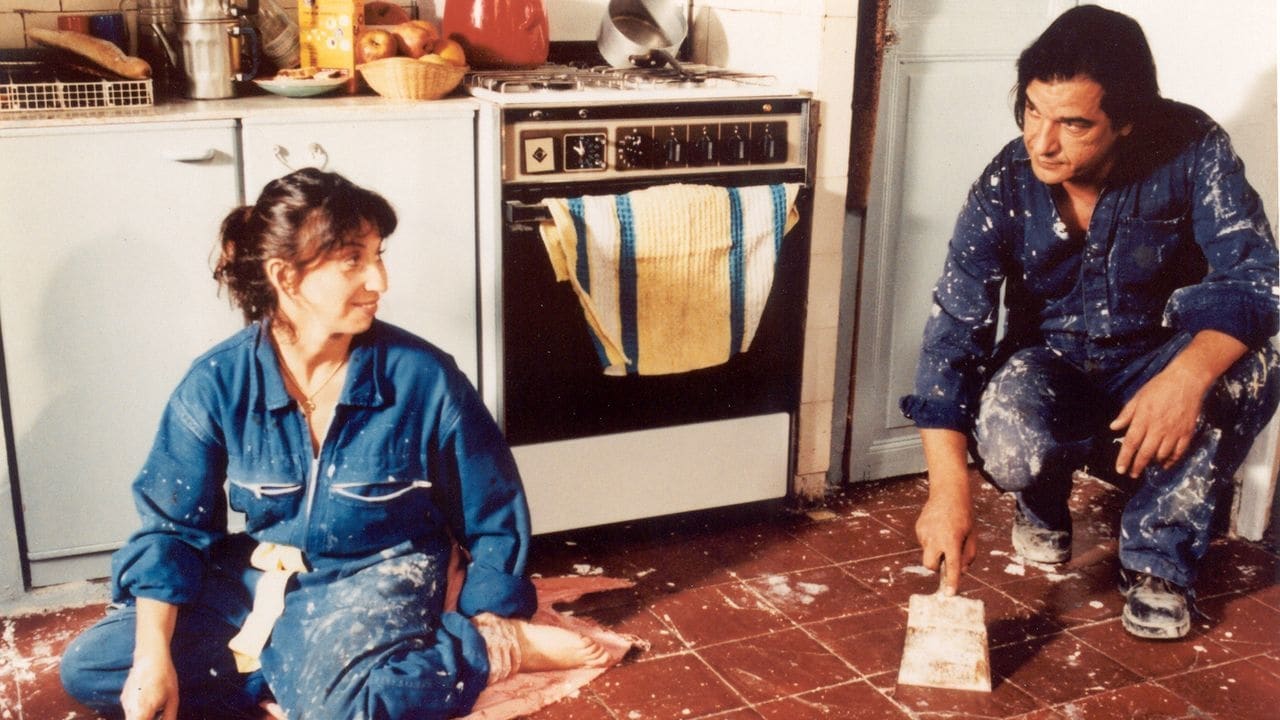
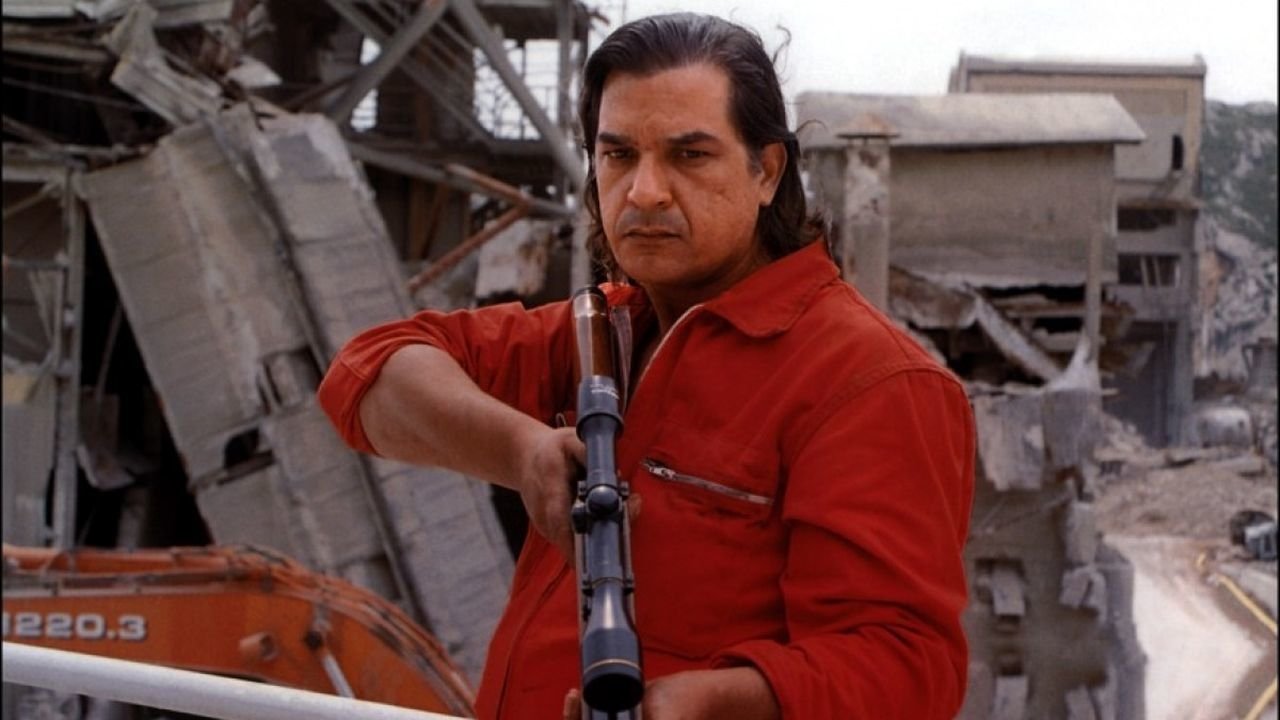
The film immerses us in L'Estaque, a working-class district of Marseille, a place director Robert Guédiguian returns to time and again, almost like a character itself. It's here we meet Jeannette (Ariane Ascaride), a single mother juggling two kids and precarious employment as a supermarket cashier. Her life intersects, quite literally bumps into, Marius (Gérard Meylan), the quiet, solitary security guard at an abandoned cement factory overlooking her apartment block. Their meeting isn't a meet-cute in the Hollywood sense; it’s abrupt, awkward, tinged with the weariness of lives lived hard. Yet, from this unpromising start, a tentative, deeply moving romance blossoms.
Guédiguian, alongside co-writer Jean-Louis Milesi, crafts a story that feels utterly grounded. These aren't idealized movie characters; they are people marked by past pains – Jeannette by a previous abusive relationship, Marius by a profound loss connected to the factory he now guards. Their courtship unfolds amidst the everyday realities of economic insecurity, noisy neighbours, community gatherings, and the simple pleasures found in shared meals or dips in the Mediterranean. What makes it resonate so deeply? Perhaps it's the film's refusal to shy away from the difficulties while insisting on the possibility of joy and connection.
A Family Affair
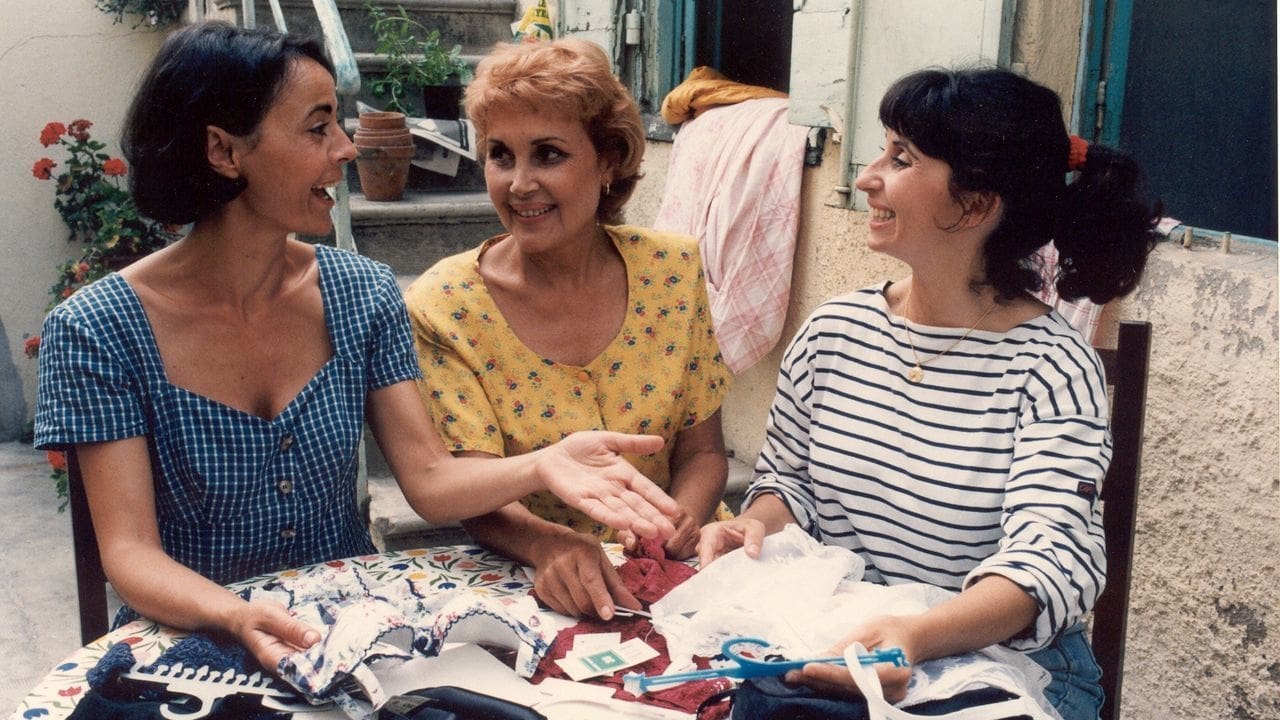
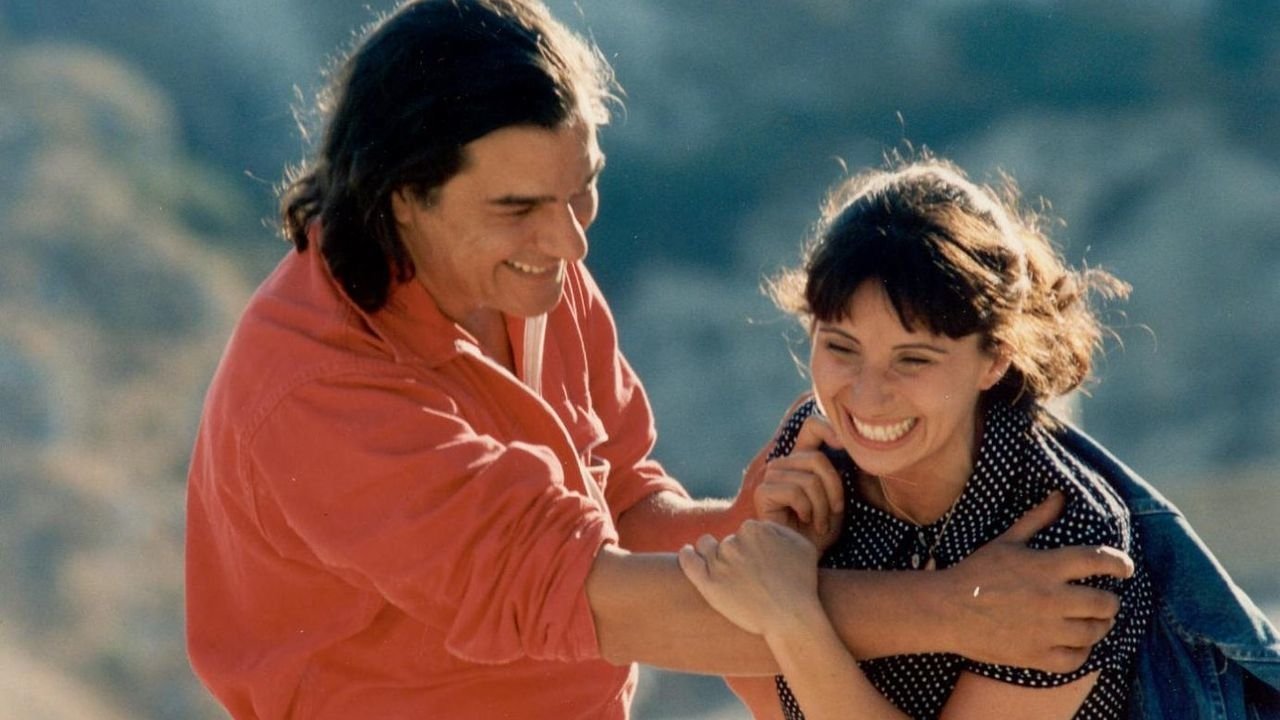
Watching Marius and Jeannette, you quickly sense a rare intimacy between the actors, a shared history that translates into effortless onscreen chemistry. This is no accident. Guédiguian famously works with a regular troupe, and the central pairing here is magnetic. Ariane Ascaride (the director's wife) embodies Jeannette with fierce resilience, sharp wit, and aching vulnerability. She deservedly won the César Award (France's Oscar equivalent) for Best Actress for this role, capturing the complex blend of defiance and yearning that defines Jeannette. Gérard Meylan, another long-time collaborator, gives Marius a quiet dignity and profound sadness that slowly melts away under Jeannette's influence. Their interactions feel less like performance and more like observation – hesitant glances, comfortable silences, sudden bursts of laughter, all imbued with authenticity. The supporting cast, including the wonderful Pascale Roberts as Jeannette's outspoken neighbour Caroline, feels equally lived-in, contributing to the palpable sense of community.
This film was something of a breakout for Guédiguian, earning critical acclaim including the Jury Prize in the Un Certain Regard section at the 1997 Cannes Film Festival. Made on what was likely a modest budget (especially compared to the blockbusters of '97 like Titanic or Men in Black), its richness comes not from spectacle but from its keenly observed human detail and its specific sense of place. L'Estaque isn't just a backdrop; its sun-drenched-yet-struggling atmosphere informs every frame.
More Than Just a Love Story
While the central romance provides the heart, Marius and Jeannette offers more. It's a film deeply invested in the lives of working-class people, acknowledging their struggles without pity or condescension. Guédiguian's own political leanings subtly inform the narrative, highlighting solidarity and the small ways people support each other against larger economic forces. There's a political dimension, yes, but it’s woven into the fabric of daily life, never feeling like a lecture. Doesn't this kind of community resilience feel both nostalgic and perhaps more necessary than ever today?
The film balances its social realism with moments of genuine humour and lyrical beauty. A scene involving stolen paint and a suddenly colourful courtyard, or the simple pleasure of the neighbours sharing food and conversation, elevates the film beyond mere grit. It acknowledges hardship but celebrates the enduring human capacity for love, laughter, and finding beauty in unexpected places. It reminds us that profound stories don't always need elaborate plots or dramatic twists; sometimes, the most compelling narratives are found in the quiet connections forged between ordinary people.
Final Thoughts & Rating
Marius and Jeannette is a film that rewards patience, drawing you into its specific world and the lives of its characters with gentle insistence. It avoids sentimentality, opting instead for genuine sentiment rooted in believable situations and authentic performances. Watching it again after all these years, perhaps on a format far removed from the worn VHS tape I first saw it on, its warmth and humanity remain undimmed. It’s a testament to Guédiguian’s empathetic direction and the incredible performances, particularly from Ascaride and Meylan.
Rating: 9/10
This near-perfect score reflects the film's masterful blend of social realism and heartfelt romance, its unforgettable performances, and its enduring power to capture the bittersweet beauty of everyday life. It’s a film that feels both specific to its time and place, yet universal in its exploration of love, loss, and resilience. It’s a reminder that sometimes, the quietest films speak the loudest, leaving you with a warmth that lingers like the Marseille sun.