It arrives sometimes like a perfectly delivered bon mot, doesn't it? That sudden memory of a film that felt less like a dusty classic brought down from the shelf and more like a vibrant, living thing, even when steeped in the velvet and gaslight of a bygone era. Watching Oliver Parker's 1999 adaptation of Oscar Wilde's An Ideal Husband again recently, that's precisely the feeling that surfaced – a delightful effervescence, a reminder that wit this sharp simply doesn't age. It landed in cinemas just before the millennium turned, a sparkling antidote perhaps to the Y2K anxieties and the increasingly bombastic blockbusters crowding the multiplexes. And on VHS? It felt like discovering a hidden gem, something sophisticated nestled amongst the action flicks and teen comedies.
A Tangled Web in Tuxedos
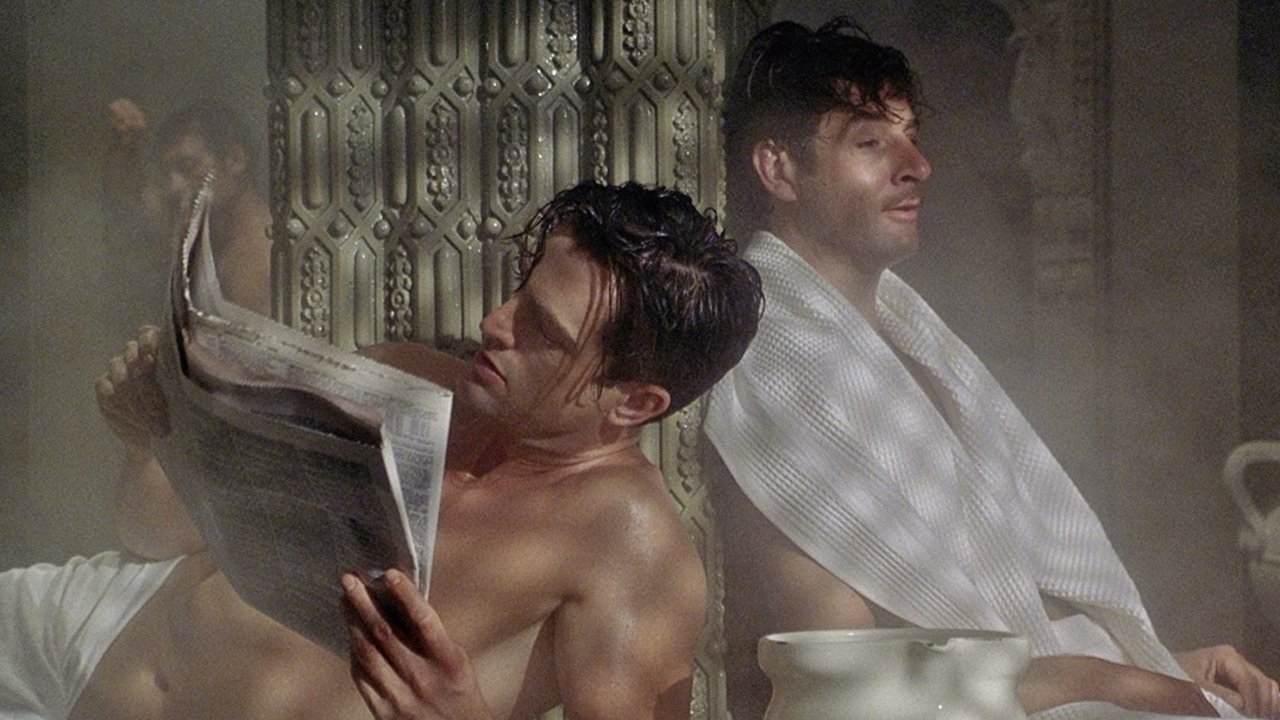
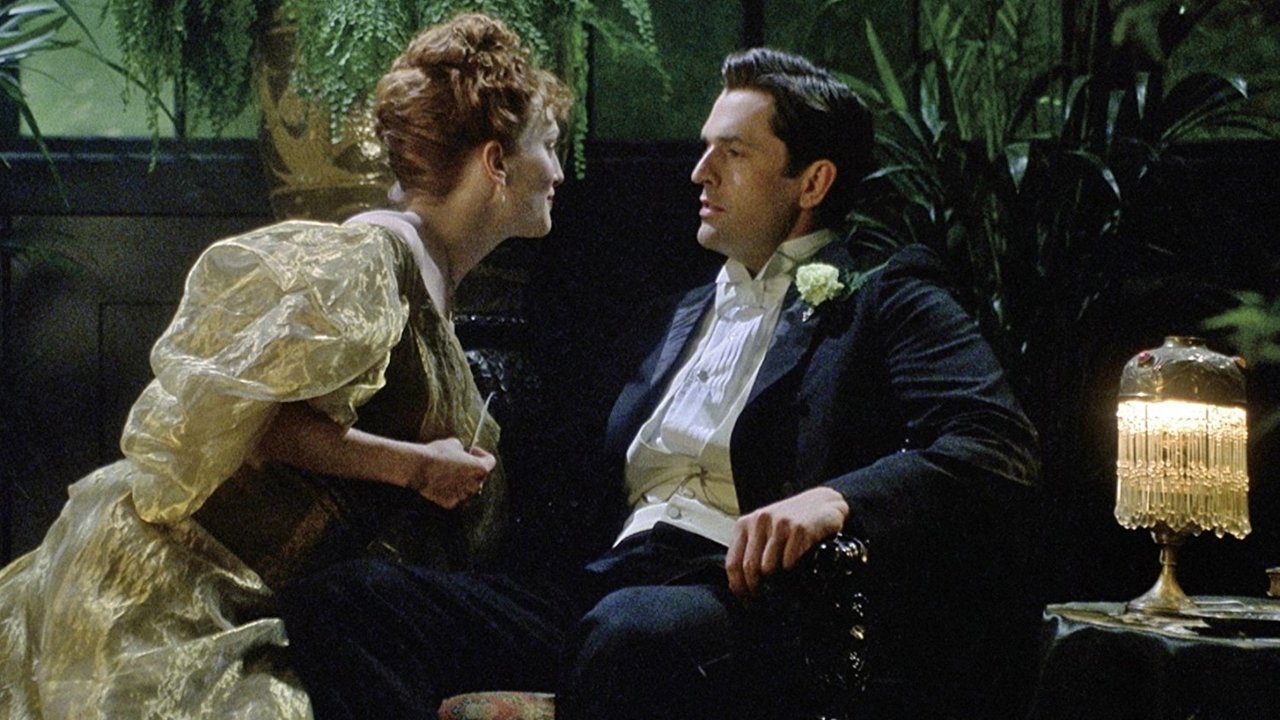
The setup, as with much of Wilde, is a delicious confection of social maneuvering and moral quandaries. Sir Robert Chiltern (Jeremy Northam), a politician renowned for his unimpeachable integrity and idyllic marriage to the morally upright Lady Gertrude Chiltern (Cate Blanchett), finds his perfect world threatened. The viper in this particular Eden arrives in the form of the calculating Mrs. Laura Cheveley (Julianne Moore), an old acquaintance armed with a devastating secret from Sir Robert's past – the dubious source of his initial fortune. She intends to blackmail him into supporting a fraudulent scheme, forcing him to confront the chasm between his public image and his past compromises. Into this swirl of potential ruin steps Lord Arthur Goring (Rupert Everett), Sir Robert's unflappably dandyish best friend, a man who masks profound loyalty and insight beneath layers of epigrams and elegant cynicism.
Wilde Things: Adapting Genius
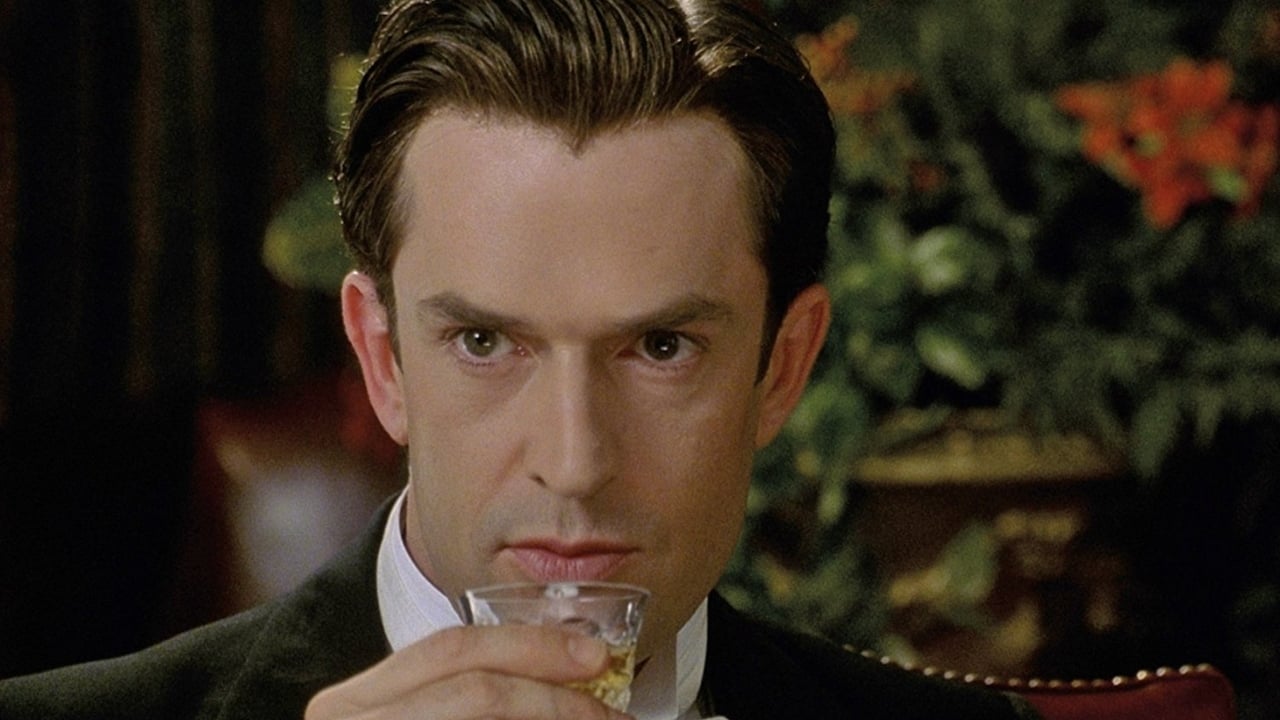
Bringing Oscar Wilde to the screen is a perilous task. Lean too heavily into reverence, and the wit can feel stagey, fossilized. Try too hard to 'modernize', and the delicate balance of satire and sentiment evaporates. Oliver Parker, who clearly had an affinity for literary classics having previously directed Othello (1995) and later tackling Wilde again with The Importance of Being Earnest (2002), strikes a near-perfect chord here. He understands that Wilde's dialogue is the action, the engine, the star. The screenplay wisely retains the playwright's most sparkling lines, allowing the sheer pleasure of the language to carry the audience. Parker doesn’t just film the play; he opens it up visually, using the grand London locations and sumptuous interiors – nods to the meticulous costume design by Caroline Harris, which rightly earned an Academy Award nomination – to create a believable world for these characters to inhabit, scheme, and fall in love within. It was part of a welcome mini-revival of Wilde adaptations around that time, reminding audiences of the enduring power of his social commentary.
A Cast That Truly Shines
But let's be honest, much of the film's enduring magic rests squarely on the shoulders of its impeccable cast. Jeremy Northam perfectly embodies the tormented Chiltern, a man visibly buckling under the weight of his own manufactured perfection. Fresh off her starmaking turn in Elizabeth (1998), Cate Blanchett brings a fierce, almost terrifying moral certainty to Lady Chiltern, making her eventual softening all the more moving. And Julianne Moore, deploying a precise transatlantic accent, is simply delicious as the manipulative Mrs. Cheveley, savoring every venomous barb. Watching her intellectual sparring matches with Everett is a true highlight. Minnie Driver also sparkles as Mabel Chiltern, Lord Goring's sharp-witted potential love interest, providing a lovely, lighter counterpoint.
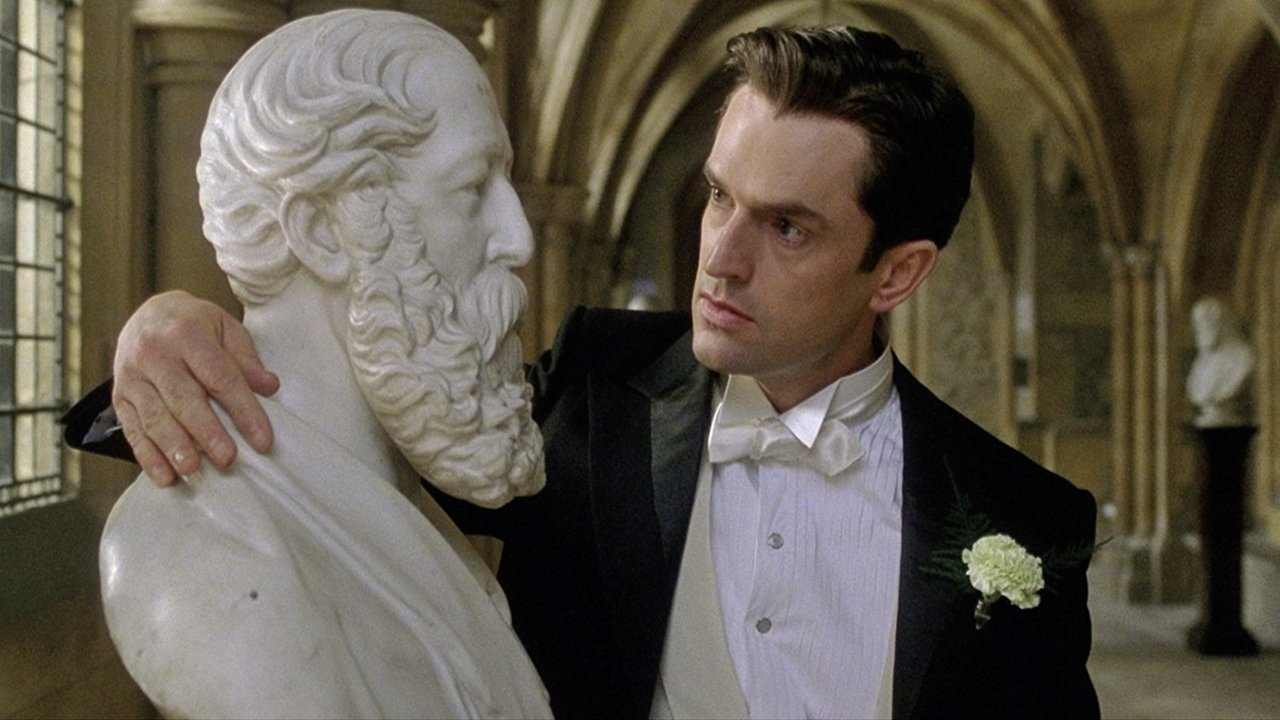
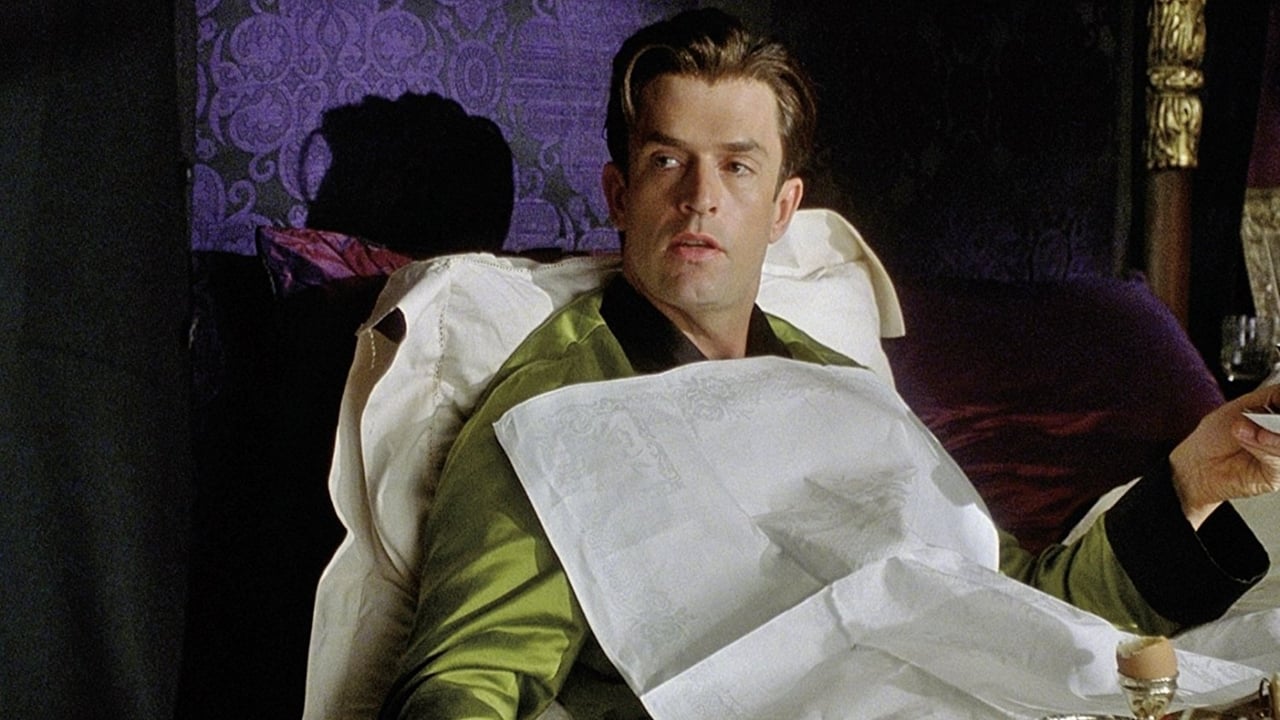
And then there's Rupert Everett. It's impossible to overstate how definitive his portrayal of Lord Goring felt. Coming just two years after he stole scenes with effortless charm in My Best Friend's Wedding (1997), Goring feels like the apotheosis of that persona – the witty observer, the loyal friend, the unexpected moral compass. Everett delivers Wilde's epigrams not as rehearsed jokes, but as natural extensions of his character's worldview. He is Lord Goring, embodying the elegance, the intelligence, and the surprising depth beneath the flamboyant exterior. It remains one of the great performances of the late 90s, a perfect marriage of actor and role. Parker reportedly expanded Goring's role from the original play, a decision entirely vindicated by Everett's performance.
Echoes in the Drawing Room
Beyond the dazzling wordplay and the romantic entanglements, An Ideal Husband probes themes that feel remarkably contemporary. The crushing pressure of maintaining a flawless public image, the corrosive nature of secrets, the complexities of forgiveness – doesn't it all strike a chord, even now? Wilde masterfully explored the hypocrisy often lurking beneath respectable facades, questioning whether true morality lies in never stumbling, or in finding the grace to acknowledge and learn from our failings. What does it truly mean to be 'ideal', the film seems to ask, and is such a standard even humanly possible, or desirable?
This adaptation wasn't a box office behemoth – earning a respectable but modest sum (around $29 million worldwide on a $15 million budget, roughly $54m on $28m in today's money) – but its quality shone through, earning critical praise, particularly for the cast. Finding this tape on the 'New Releases' shelf at Blockbuster felt like choosing a fine wine over cheap beer; it promised intelligence, style, and wit, and it delivered handsomely. I remember renting it, perhaps initially drawn by the cast, and being utterly captivated by how alive it felt, how relevant Wilde’s observations remained over a century later.
---
VHS Heaven Rating: 9/10
This score feels entirely earned by the film's masterful blend of elements. Oliver Parker directs with a confident hand, trusting the material and his actors. The screenplay crackles with Wilde's genius, the production design is gorgeous, and the ensemble cast is uniformly superb, led by a career-highlight performance from Rupert Everett. It successfully translates the theatricality to the screen without losing the intimacy or the sharpness of the satire. Minor quibbles might find the pacing occasionally dips slightly, but the sheer pleasure of the dialogue and the strength of the performances overwhelmingly compensate.
Final Thought: A truly sparkling adaptation that reminds us why Oscar Wilde remains eternally relevant, An Ideal Husband is a witty, sophisticated delight that feels just as sharp and insightful now as it did gracing our VCRs back at the turn of the millennium. It’s a perfect example of how classic stories, when handled with intelligence and charm, never truly fade.