Here’s a dive into a film that might have been a strange, compelling discovery near the tail end of your video store adventures, a Canadian curiosity shimmering just as the DVD era began to dawn.

### The Fish Knows All
Imagine settling in, pressing play, and the first voice you hear belongs to… a fish. Not just any fish, but one philosophizing about existence moments before meeting its demise on a chopping block. This is how Denis Villeneuve’s Maelström (2000) begins, an immediate signal that you’re not in for a conventional ride. It’s a narrative choice so audacious, so bizarre, it perfectly encapsulates the film's blend of profound existential searching and darkly whimsical surrealism. Forget gentle introductions; Maelström throws you straight into the deep end, narrated by creatures facing their own imminent end. What better perspective, perhaps, to comment on the chaotic currents of human life?
### Adrift in Montreal's Night
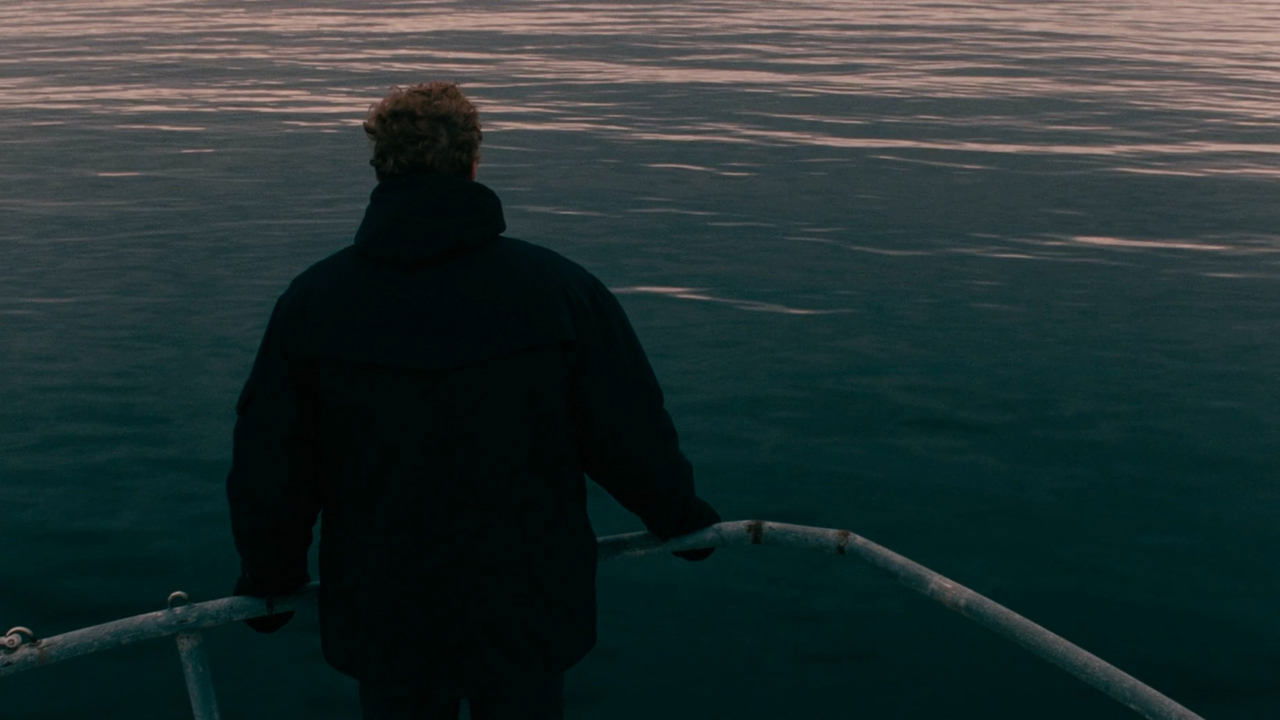
At the heart of this swirling chaos is Bibiane Champagne, played with astonishing commitment by Marie-Josée Croze. Bibi is a young woman navigating the upper echelons of Montreal society, yet drowning in a sea of personal despair. Running a string of chic boutiques feels meaningless; a recent abortion haunts her; casual encounters offer no solace. Her life is a beautifully shot portrait of privilege unraveling. Villeneuve captures the cold beauty of Montreal, contrasting sleek interiors and rainy nighttime streets with Bibi's internal turmoil. Then, one night, distracted and distraught, she hits a man with her car and flees the scene. The victim, an elderly Norwegian fishmonger, dies, plunging Bibi into a maelstrom of guilt, fear, and a strange, magnetic pull towards the life she just shattered.
### Seeds of a Sci-Fi Master
Watching Maelström today offers a fascinating glimpse into the early creative mind of Denis Villeneuve, the filmmaker who would later helm monumental works like Arrival (2016), Blade Runner 2049 (2017), and Dune (2021). While the intimate scale and arthouse sensibilities feel worlds away from those epics, the DNA is visible. You see his obsession with fate versus chance, his fascination with characters pushed to extreme psychological limits, and his already masterful control of visual language and atmosphere. Some trivia suggests Villeneuve drew inspiration from sources as diverse as Ingmar Bergman and Scandinavian mythology, influences felt in the film's stark emotional honesty and its flirtations with the mythic (even via talking fish!). Reportedly made for around CAD $4.4 million – a modest sum even then, translating to maybe $7 million today – it showcases a director achieving potent imagery and emotional depth through sheer creative will rather than blockbuster budgets. It feels like a raw, vital step in his journey, even if Villeneuve himself has sometimes expressed reservations about the film in retrospect, perhaps seeing it as a necessary but not fully refined part of his evolution.
### Grounded by a Fearless Performance
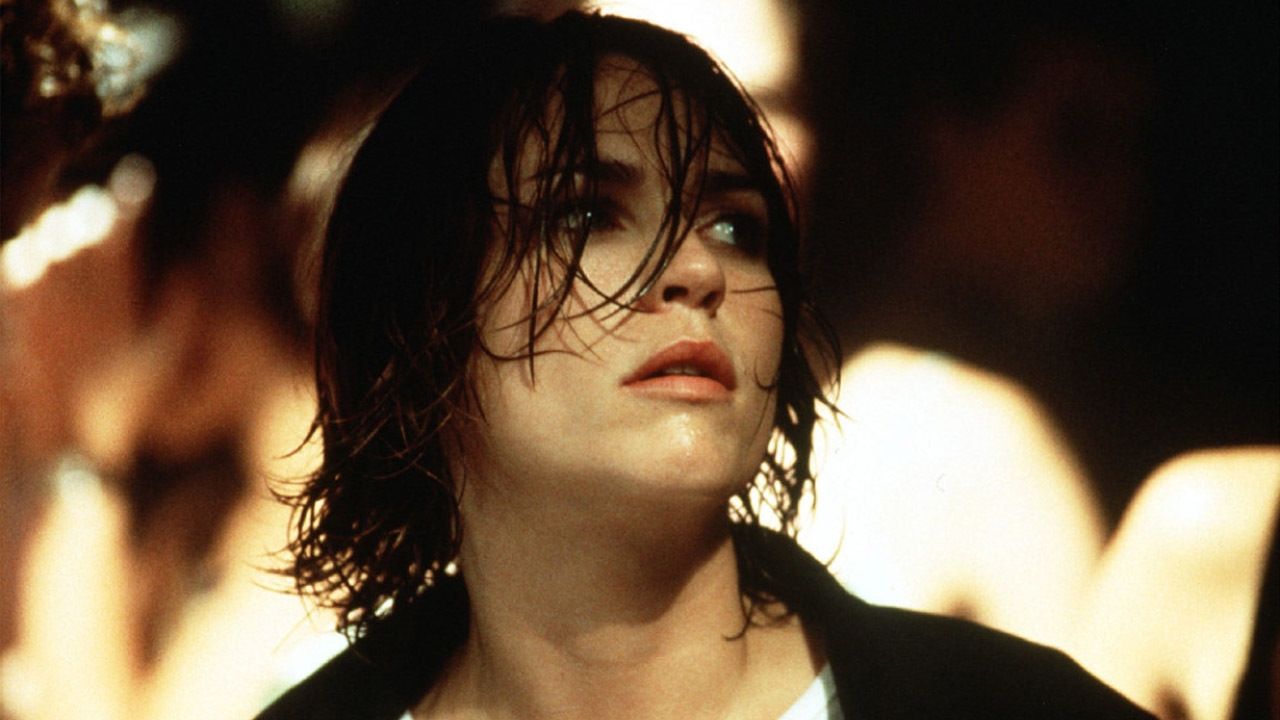
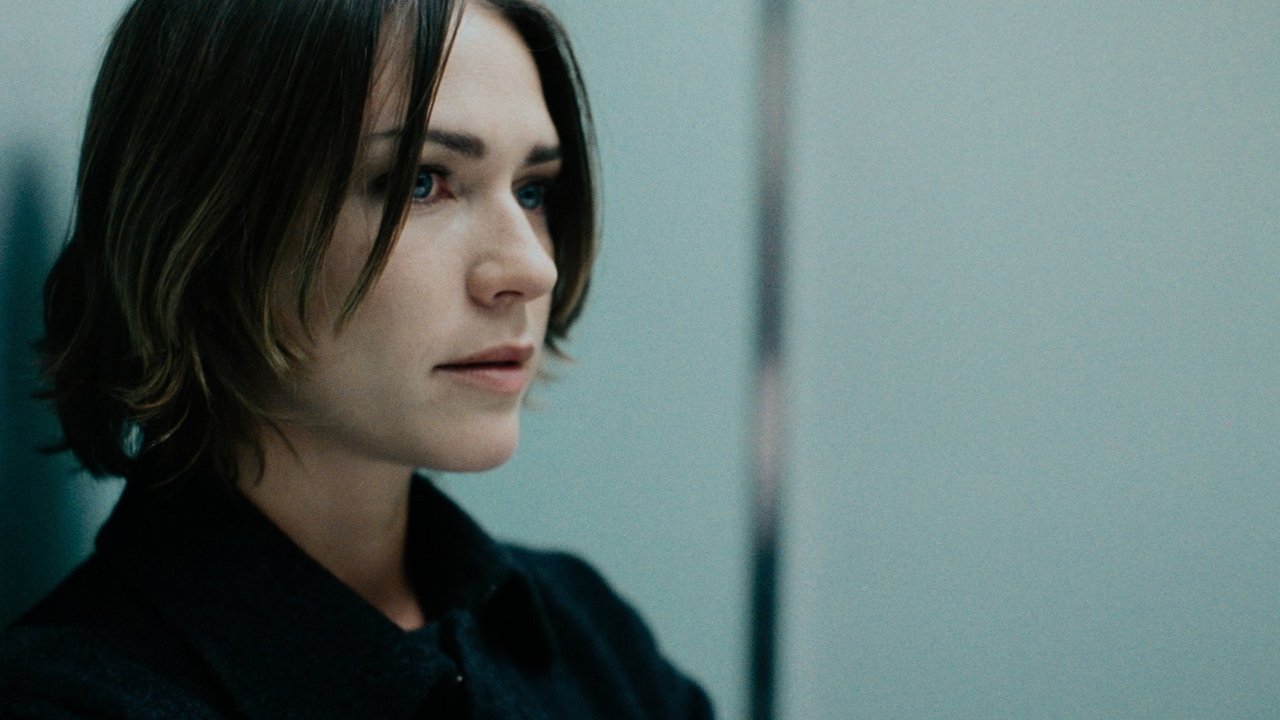
The film's success, despite its potentially alienating eccentricities (like, you know, the talking fish narrators – there are several!), rests heavily on the shoulders of Marie-Josée Croze. She is utterly captivating as Bibi. It's a performance devoid of vanity, plunging into the character's messy desperation, self-loathing, and flickering moments of dark humor or unexpected tenderness. When Bibi, through a series of almost cosmically ordained coincidences, meets and begins a tentative, deeply complicated relationship with Evian (Jean-Nicolas Verreault), the son of the man she killed, Croze makes this potentially ludicrous development feel emotionally resonant. She doesn't ask us to excuse Bibi, but she compels us to understand her profound lostness and her grasping towards any form of connection, however fraught. It’s a performance that hints at the incredible talent that would later win her Best Actress at Cannes for The Barbarian Invasions (2003).
### Navigating the Currents
Maelström asks challenging questions. Is life governed by cruel randomness, or is there some hidden order, some unseen hand guiding events? The recurring motif of fish – symbols of life, sustenance, sacrifice, and perhaps silent witnesses to human folly – underscores this philosophical current. The film doesn't offer easy answers. It presents catastrophe and connection almost side-by-side, suggesting that even in the depths of despair and moral compromise, unexpected paths to redemption, or at least understanding, might emerge. It forces reflection: how do we cope with the terrible weight of our actions? Can love truly blossom in the most poisoned soil? The film’s initial reception was somewhat polarized, admired by some for its ambition and visual style (it swept the Genies, Canada's film awards, that year), while perhaps baffling others with its narrative choices.
***
Rating: 8/10
This rating reflects Maelström's sheer audacity, Marie-Josée Croze's stunning central performance, and its status as a vital, if unusual, early work from a major directorial talent. It earns points for its willingness to tackle profound themes with dark humor and surreal imagery, creating a truly unique cinematic experience. It loses a couple of points perhaps because its very strangeness and challenging subject matter might not resonate with all viewers, occasionally feeling provocative for its own sake. However, its ambition and artistry are undeniable.
It's a film that lingers, much like the haunting echo of its fish narrators. Maelström isn't easily forgotten – a weird, wonderful, sometimes unsettling gem from the turn of the millennium, reminding us that powerful stories often swim in the strangest waters. Did you ever stumble across this one in the rental store aisles? It certainly stood out.