The screen flickers, not just from the tracking lines on an old tape, but from the memory of blinding sunlight giving way to utter, predatory darkness. That opening crash sequence in Pitch Black – the sheer visceral chaos of the Hunter-Gratzner ripping apart – still feels jarring, doesn't it? It throws you, along with the surviving crew and passengers, onto a desolate alien world bathed in the glare of three suns, a place where the shadows promise something far worse than mere sunburn.
### Marooned in Hell's Glare
Released right at the turn of the millennium in 2000, Pitch Black felt like a shot of raw, B-movie adrenaline after some of the slicker, more predictable sci-fi outings of the late 90s. Directed and co-written by David Twohy (who'd later revisit this world with The Chronicles of Riddick), the film instantly establishes a palpable sense of dread. The setup is pure pulp survival: a transport vessel destroyed, a handful of disparate survivors, and a planet that holds a terrifying secret tied to its impending, total eclipse. It’s a race against time, not just to escape, but to understand the hostile environment before it consumes them whole. Remember that feeling of the unknown? The vast, bleached landscape felt genuinely alien, hostile even before the real threat emerged.
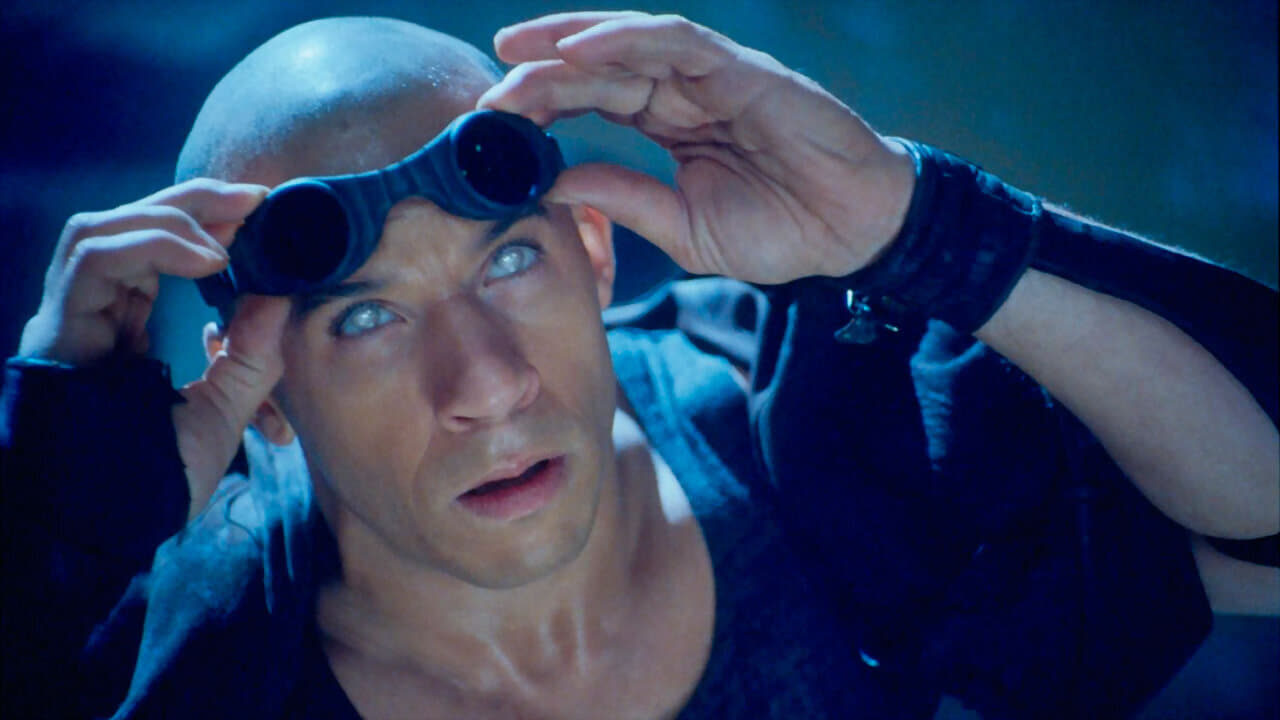
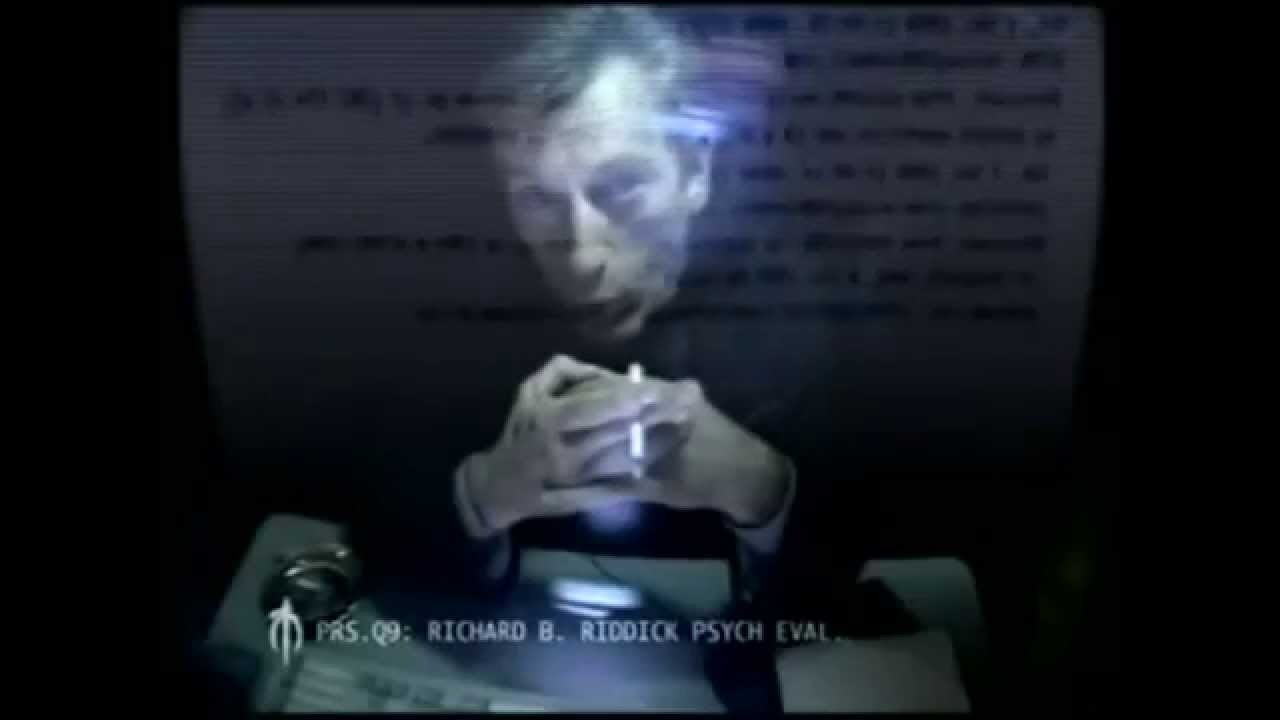
The film wisely introduces its most dangerous element almost immediately: Richard B. Riddick, played by a then relatively unknown Vin Diesel in a role that would catapult him towards action stardom. Chained, gravel-voiced, and possessing surgically altered eyes that can see in the dark, Riddick isn't your typical hero. He’s a convicted murderer, an apex predator dropped amongst lambs who soon realize they might need the wolf to survive the abbatoir. Diesel imbues Riddick with a coiled intensity, a feral charisma that makes him instantly magnetic. You’re never quite sure if he’ll save the day or slit everyone’s throat, and that ambiguity fuels much of the film’s tension. It's hard to imagine anyone else in the role, though Twohy reportedly fought hard to cast Diesel, seeing the unique star potential simmering beneath the surface.
### When the Lights Go Out
Pitch Black truly comes alive when the planet plunges into its titular darkness. The shift is dramatic, visually striking, and utterly terrifying. Twohy and cinematographer David Eggby employ starkly contrasted colour palettes – the bleached-out yellows and oranges of perpetual day versus the cold, de-saturated blues and blacks of the eclipse – effectively signaling the changing threat level. The sound design, too, becomes crucial. Those unnerving clicks, screeches, and chitters echoing in the dark… doesn't that audio landscape still crawl under your skin? It’s a masterclass in using sound to amplify fear when sight fails.
The creatures themselves, the photosensitive Bioraptors, are a fantastic piece of monster design. Primarily realized through a mix of CGI and practical effects, they feel genuinely menacing – sleek, fast, and utterly lethal in their element. While some of the CGI, particularly in wide shots, shows its age (remember, this was 2000!), the close-ups and the practical elements retain a disturbing physicality. There’s a weight and presence to them that pure digital creations sometimes lack. The design process itself was apparently quite involved, evolving from more insectoid concepts to the final bat-like predators, a testament to finding the right balance of alien and terrifying. It was a film made on a relatively lean $23 million budget, forcing creative solutions, particularly with achieving the look of the desolate world – much of it was filmed under grueling conditions in Coober Pedy, South Australia, its stark lunar landscapes providing the perfect alien backdrop without needing extensive digital augmentation.

### More Than Just Monsters
Beyond the creature-feature thrills, Pitch Black offers a surprisingly taut survival narrative. The group dynamics are fraught with suspicion and shifting alliances. Radha Mitchell provides a capable counterpoint to Diesel as docking pilot Carolyn Fry, wrestling with her own past cowardice and the harsh realities of command. Cole Hauser, as the mercenary Johns, adds another layer of morally grey conflict, his addiction and strained relationship with Riddick creating further friction. While some of the supporting cast feel a bit like standard archetypes destined for the slaughter, the core trio of Fry, Riddick, and Johns generates compelling drama amidst the chaos.
One detail I always appreciated was the thought put into the alien ecology – the Bioraptors’ vulnerability to light, the implications of their life cycle, the 'boneyard' graveyard hinting at past cycles of darkness. It adds a layer of world-building that elevates Pitch Black above simpler monster flicks. It wasn't just about jump scares; it was about the horror of being trapped in an ecosystem perfectly designed to kill you. Remember tracking down a copy back in the day? Maybe it was a Blockbuster rental, maybe a well-loved tape bought from a closing store. Pitch Black felt like a genuine discovery, a gritty sci-fi horror gem that delivered on its stark premise.
### The Verdict
Pitch Black remains a lean, mean, and incredibly effective sci-fi horror thriller. It expertly builds atmosphere, delivers genuine tension, features a star-making performance from Vin Diesel, and boasts memorable creature design. While some digital effects have dated and a few supporting characters are thin, the core concept, the oppressive atmosphere, and the visceral thrills hold up remarkably well. It successfully blends survival horror, creature feature elements, and character-driven conflict into a tight, satisfying package. The film felt like a throwback even in 2000, echoing the isolated dread of Alien (1979) but with its own distinct, pulpy flavour.
Rating: 8/10
It's a film that understood the power of darkness, both literal and figurative. It gave us one of the most iconic anti-heroes of modern sci-fi and proved that sometimes, the most terrifying monsters are the ones you need by your side when the lights go out for good. A definite must-watch (or re-watch) for any fan of gritty genre filmmaking from the turn of the century.