### The Scent of Ink and Madness

Does art possess the power to corrupt, or does the attempt to stifle it breed monsters far worse? This isn't just a philosophical debate; it's the screaming, bleeding heart of Philip Kaufman's 2000 film, Quills. Watching it again, years after its initial, somewhat controversial release, feels less like revisiting a movie and more like uncorking a bottle filled with dangerous, intoxicating fumes. It’s a film that burrows under your skin, demanding you confront uncomfortable questions about expression, repression, and the shadowed corners of human desire, all wrapped in the grim finery of a French asylum during the Reign of Terror. It arrived just as the millennium turned, feeling almost like a defiant last gasp of the provocative, boundary-pushing independent spirit that thrived in the late 90s video store aisles.
A Battleground Within Stone Walls
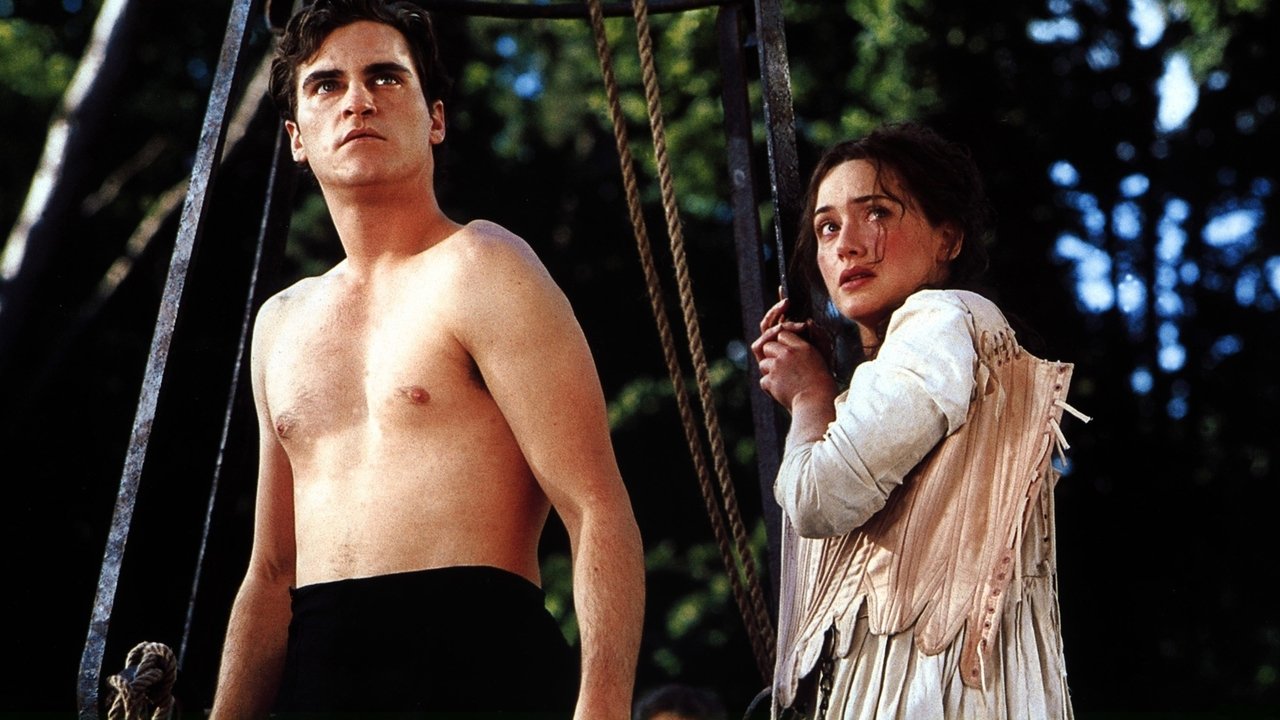
The Charenton Asylum isn't merely a setting; it's a crucible. Within its walls, the infamous Marquis de Sade (Geoffrey Rush) continues his scandalous writings, aided by the courageous, curious laundress Madeleine 'Maddy' LeClerc (Kate Winslet). Overseeing this fragile arrangement is the Abbé du Coulmier (Joaquin Phoenix), a man torn between his progressive ideals, his admiration for Sade's intellect (and perhaps Maddy's spirit), and the crushing weight of societal and religious propriety. The arrival of the stern, merciless Dr. Royer-Collard (Michael Caine), armed with torturous "cures" and a mandate to silence Sade, ignites a devastating conflict – not just between men, but between ideologies.
Rush's Incandescent Marquis
Let's be clear: Geoffrey Rush doesn't just play the Marquis de Sade; he inhabits him with a terrifying, electrifying totality. It’s a performance of breathtaking audacity – witty, perverse, vulnerable, and monstrous, often all within the same breath. Rush captures the intellectual fire, the defiant libertinism, but also the profound loneliness and the almost childlike glee Sade takes in provoking the establishment. You see the cogs turning, the delight in finding the perfect inflammatory phrase, the sheer force of will that keeps the ink flowing even when deprived of paper and pen. It's a performance that rightfully earned accolades, a tightrope walk between historical figure and theatrical archetype, and it remains utterly captivating. Apparently, Rush dove deep into Sade's actual writings, absorbing not just the notorious content but the philosophical underpinnings, allowing him to portray the Marquis as more than just a cartoon provocateur.
A Triangle of Conflicted Souls
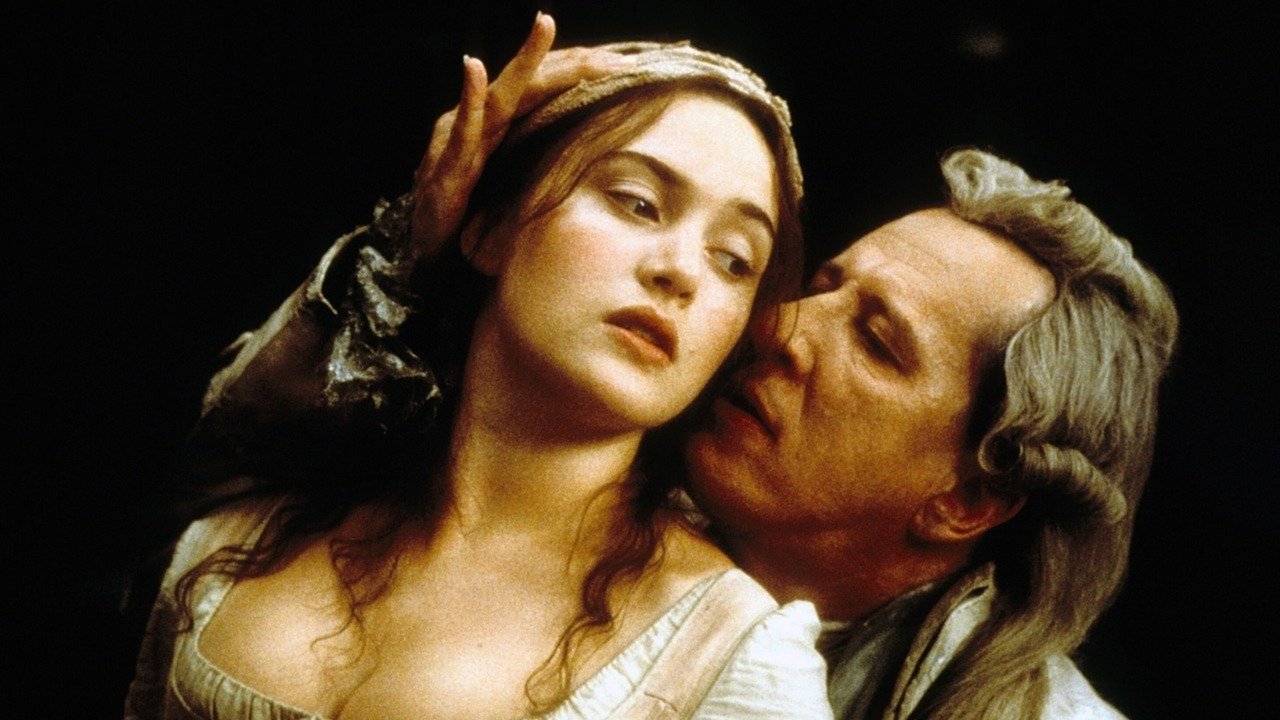
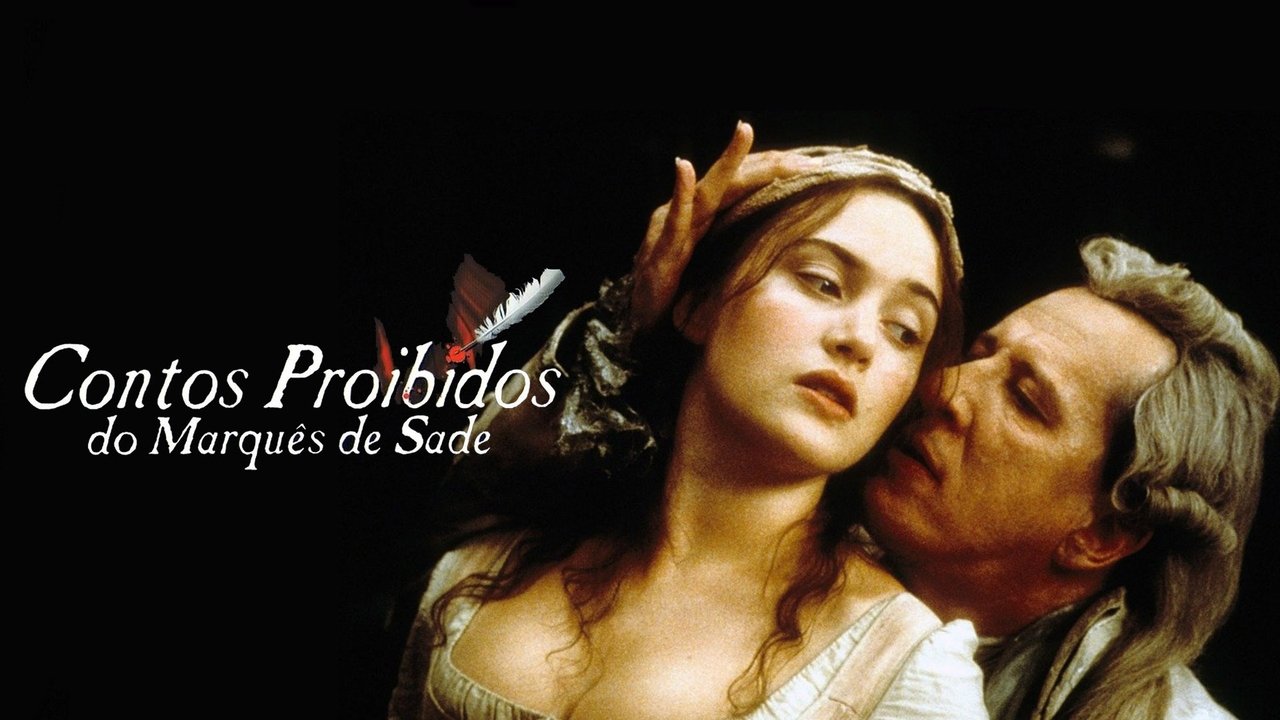
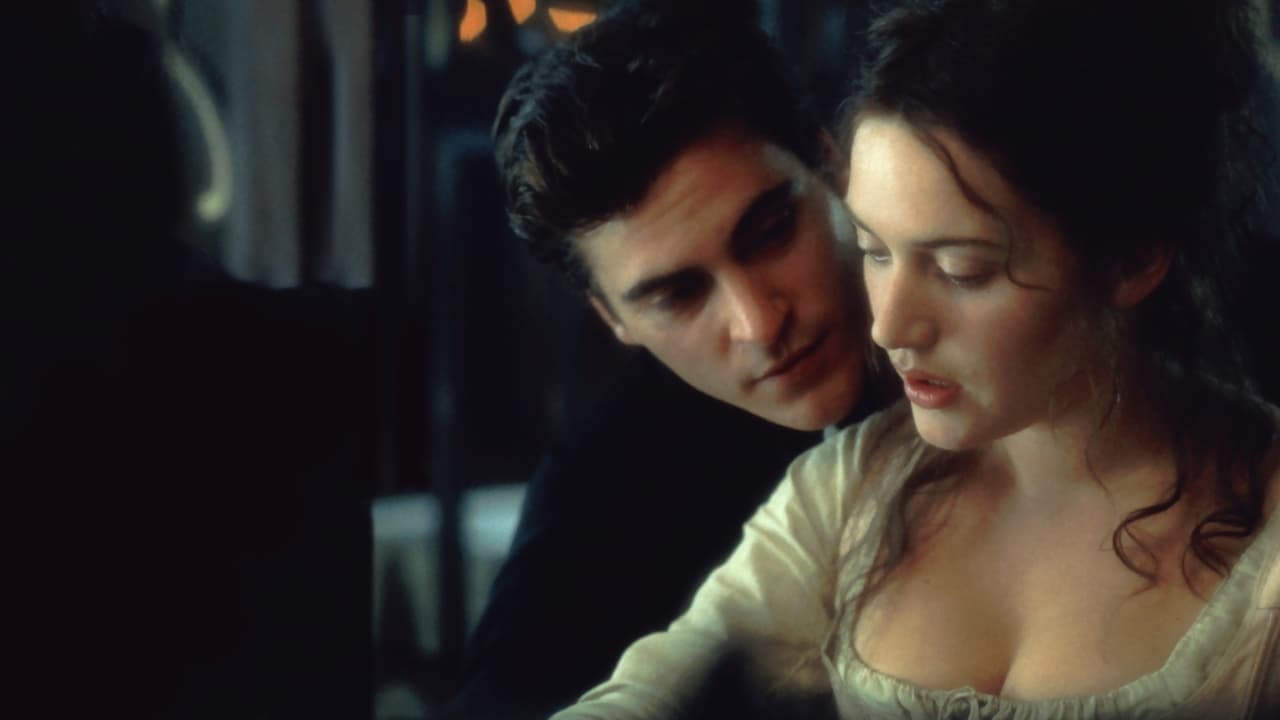
Surrounding Rush is a trio delivering equally compelling work. Kate Winslet, fresh off her Titanic superstardom but clearly eager for challenging roles, imbues Maddy with a warmth and earthy intelligence that makes her complicity believable, even sympathetic. She's drawn to Sade's forbidden words, recognizing perhaps a truth or a freedom absent in her own constrained life. Her chemistry with Rush is palpable, a complex mix of fascination, empathy, and burgeoning danger. Joaquin Phoenix, even then showing the intensity that would define his career, is heartbreaking as Coulmier. He represents the torment of the well-intentioned man caught in an impossible situation, his faith and humanity tested to their absolute limits. His gradual unraveling is one of the film's most tragic arcs. And Michael Caine, bringing his signature gravitas, is chilling as Royer-Collard, the embodiment of absolute, unfeeling authority disguised as therapeutic intervention. He’s not just a villain; he’s the system personified.
Behind the Bars: Craft and Controversy
Adapting his own award-winning stage play, writer Doug Wright maintains a theatrical intensity, focusing on sharp dialogue and claustrophobic confrontations. Philip Kaufman, known for navigating complex adult themes in films like The Unbearable Lightness of Being (1988), directs with a focus on performance and atmosphere. The look of the film is crucial – the damp stone, the flickering candlelight, the contrast between the squalor of the asylum and the pristine cruelty of Royer-Collard's methods. Interestingly, the filmmakers deliberately used candlelight and natural light sources as much as possible, enhancing the period authenticity and the oppressive, shadowy feel. It wasn’t just about aesthetics; it mirrored the dimming enlightenment Sade faced.
The film, unsurprisingly, stirred debate upon release. Its unflinching depiction of sexuality, violence (both physical and psychological), and its challenging of religious and moral authority earned it an NC-17 rating initially, later trimmed for an R. This ratings battle itself echoes the film's central theme – the struggle over what is permissible to show and say. One fascinating production tidbit involves the scene where Sade dictates his story using wine. Reportedly, the "wine" used on set was actually a non-staining grape juice mixture, but the intensity Rush brought to the scene, smearing it across himself and the walls, felt utterly real and transgressive, a testament to his commitment. Another interesting point: the film's budget was a relatively modest $13.5 million (around $23 million today), yet it achieved a richness in period detail and performance that felt far grander, eventually grossing over $18 million worldwide – a decent return for such challenging material.
Where Does the Quill Fall?
Quills isn't an easy watch. It's provocative, sometimes grotesque, and deeply unsettling. It forces you to grapple with the idea that suppressing expression, however vile we may find it, can lead to far greater horrors. Does it endorse Sade's philosophy? Not explicitly. Rather, it uses him as a catalyst to explore the hypocrisy and brutality often lurking beneath societal condemnation. The film suggests that the true obscenity might lie not in Sade's shocking words, but in the iron fist used to silence them. The performances are uniformly superb, the direction is assured, and the script crackles with dark intelligence. It's a film that lingers, leaving you pondering the relationship between art, freedom, and the darkness within us all. What happens when the storyteller is caged, but the story refuses to die?
Rating Justification:
8.5/10 - Quills earns this high score primarily for its powerhouse performances, particularly Geoffrey Rush's unforgettable turn, and its unflinching, intelligent exploration of complex themes like censorship and the nature of obscenity. The screenplay is sharp, the direction atmospheric, and the supporting cast (Winslet, Phoenix, Caine) are all exceptional. It successfully translates the intensity of its stage origins to the screen. It loses a point and a half perhaps for its relentless grimness, which can be overwhelming, and the fact that its theatricality occasionally feels slightly stage-bound on film. However, its boldness, intellectual depth, and the sheer craft on display make it a standout piece of turn-of-the-millennium cinema that still feels potent and relevant.
Final Thought: Long after the credits roll, the ghost of Sade's defiant laughter and the scent of spilled ink seem to hang in the air, a stark reminder of the eternal, bloody battle between the censor and the quill.