Sometimes, nestled between the neon-drenched action flicks and the synth-scored sci-fi epics on the video store shelf, you’d find something entirely different. Something quiet, unassuming, yet possessed of a power that could sneak up and floor you. Ken Loach's My Name Is Joe (1998) was precisely that kind of tape – a raw, unvarnished slice of life that felt worlds away from the usual blockbuster fare, yet utterly compelling in its humanity. It wasn't escapism; it was immersion into a reality many preferred to ignore.
### Glasgow Grit, Human Heart
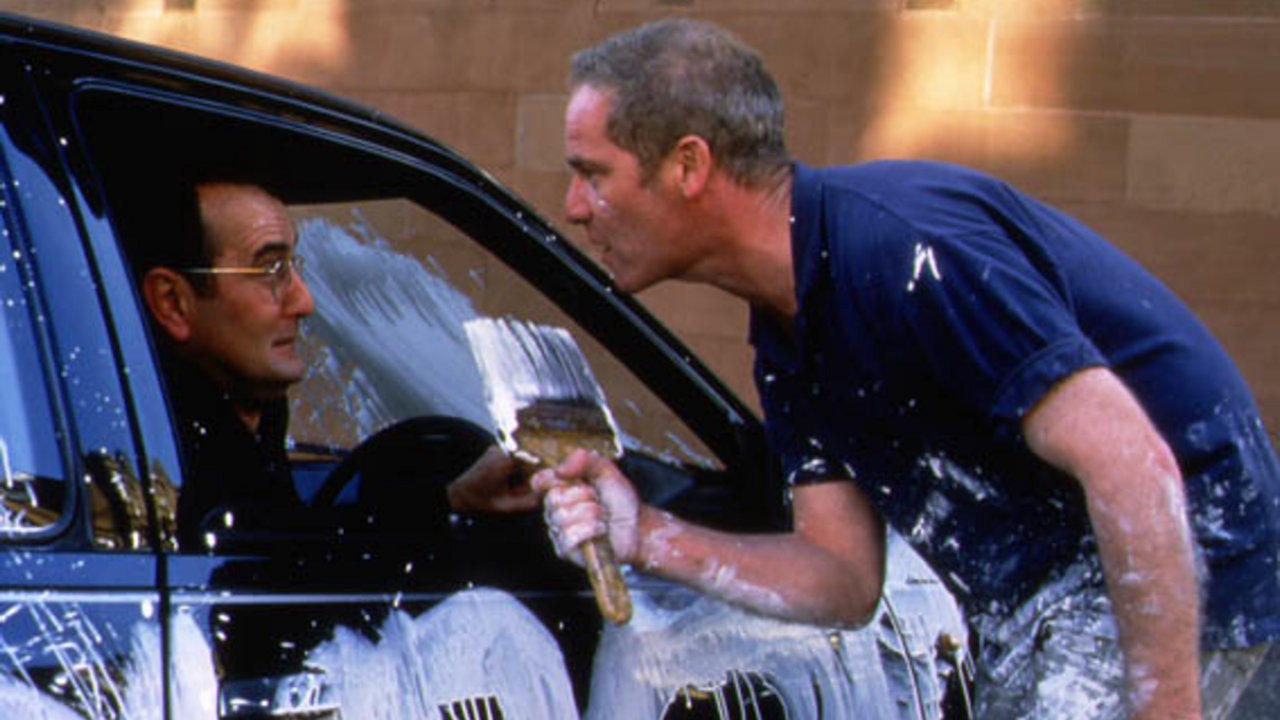
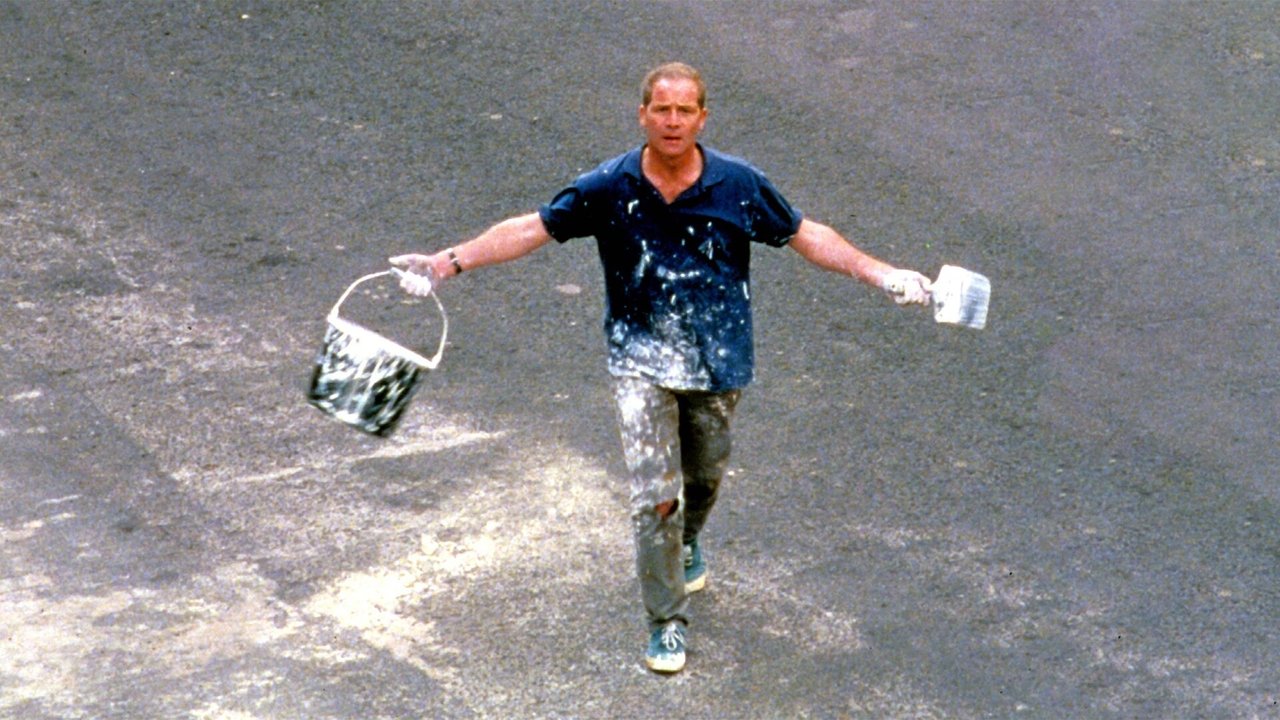
The film drops us into the Possilpark district of Glasgow, a place etched with the hard lines of poverty and struggle. We meet Joe Kavanagh, played with astonishing, lived-in authenticity by Peter Mullan. Joe is a recovering alcoholic, attending AA meetings, coaching a truly terrible local football team with infectious enthusiasm, and trying, day by tenacious day, to keep his demons at bay. There's an immediate warmth to Joe, a defiant humour that flickers even in the bleakest circumstances. He’s rough around the edges, certainly, but his core decency shines through. Mullan's performance isn't just acting; it feels like bearing witness. He deservedly scooped up the Best Actor award at the Cannes Film Festival for this role, and watching it, you understand why. He embodies Joe's vulnerability, his fierce loyalty, his simmering anger, and the constant, precarious tightrope walk of sobriety.
### A Fragile Hope
Life takes an unexpected turn when Joe meets Sarah Downie (Louise Goodall), a health visitor whose work brings her into his orbit. Their burgeoning relationship forms the film's emotional centre. It’s tentative, sweet, and achingly real. Sarah represents a potential future for Joe, a stability he craves but perhaps feels unworthy of. Goodall matches Mullan beat for beat, portraying Sarah not as a simplistic saviour figure, but as a compassionate, intelligent woman navigating her own cautious path towards connection. Their chemistry is gentle, believable, rooted in shared moments of quiet understanding and laughter that feel earned amidst the surrounding hardship. You find yourself rooting for them with an intensity that catches you off guard. Doesn't that spark of hope, however fragile, feel like the most precious thing in Joe's world?
### Loach's Unflinching Lens
This is quintessential Ken Loach. Working with his long-time collaborator, writer Paul Laverty (who brought his own experiences working in socially deprived areas to the script), Loach employs his trademark social realism. The camera feels observational, almost invisible. Dialogue crackles with authentic Glaswegian dialect and rhythm, often feeling improvised – a hallmark of Loach's method, which frequently involves giving actors only parts of the script or revealing plot turns just before shooting to capture genuine reactions. He often casts non-professional actors in supporting roles, further blurring the line between fiction and documentary. This wasn't a Hollywood depiction of poverty; it felt like the genuine article, filmed on location with a commitment to portraying the textures and pressures of that specific environment. There's no stylistic gloss, no soaring score to manipulate emotions – the power comes directly from the situations and the utterly convincing performances.


### The Weight of the Past
Of course, this being a Loach film, hope exists alongside crushing reality. Joe's loyalty to his friends, particularly the tragically indebted Liam (David McKay), drags him back towards the world he's desperately trying to escape. The film unflinchingly portrays the impossible choices faced by those trapped in cycles of poverty and addiction, where one bad decision, often made with good intentions, can unravel everything. It asks profound questions about responsibility, community, and the systemic failures that leave people vulnerable. I remember watching this back in the late 90s, perhaps after renting it on a whim based on the Cannes buzz, and feeling struck by its refusal to offer easy answers. It didn’t preach; it simply presented a situation with stark honesty, leaving you to grapple with the implications.
One fascinating detail highlighting Loach's pursuit of authenticity involved the football team Joe coaches. They were apparently a real local team, adding another layer of verisimilitude to those chaotic, often hilarious, scenes on the pitch. These weren't slickly choreographed movie moments; they felt like genuine Sunday league struggles, mud and all. It's these small touches, woven seamlessly into the narrative, that elevate Loach's work.
My Name Is Joe wasn't a massive box office hit (grossing modestly against its roughly £2 million budget), but its critical acclaim and Mullan's award cemented its place as a significant piece of late-90s British cinema. It stands as a testament to the power of realist filmmaking and remains one of the most potent portrayals of recovery and the socioeconomic pressures that can threaten it.
---
Rating: 9/10
This rating reflects the film's exceptional quality, particularly Peter Mullan's powerhouse performance and Ken Loach's masterful, compassionate direction. The realism is immersive, the emotional core is deeply affecting, and the exploration of difficult themes is handled with nuance and honesty. It loses a single point only because its unrelenting realism and bleak moments make it a demanding, though ultimately rewarding, watch – perhaps not one you’d casually pop in on a Friday night unless you were prepared for its emotional weight.
My Name Is Joe is one of those films that stays with you, a potent reminder from the VHS era that cinema could be more than just entertainment; it could be a window into other lives, offered with profound empathy and truth. What lingers most, perhaps, is the fierce, fragile humanity of Joe himself.