Okay, settle in, maybe crack open a beverage of choice. Tonight, we're popping in a tape that, while technically hitting shelves right at the dawn of the new millennium (2000), feels spiritually tethered to the gritty, morally complex thrillers that defined so much of the late 80s and 90s on those video store shelves. Let's talk about William Friedkin's courtroom-meets-combat drama, Rules of Engagement.
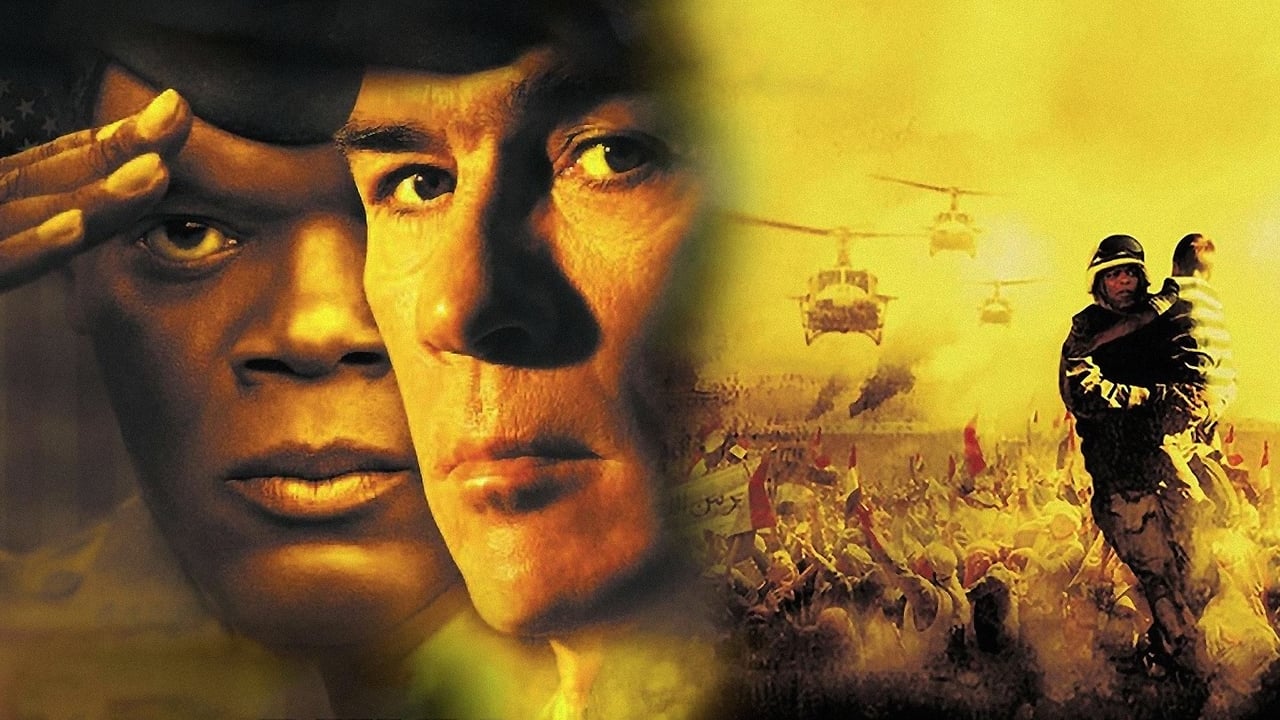
What grabs you immediately isn't necessarily a flashy action sequence, though the film certainly has its share of intense moments. It's the knotty moral question coiled at its center: In the chaotic hell of urban combat, where civilian and combatant blur in a terrifying instant, what constitutes a justifiable order? And what happens when the fog of war clears, leaving behind only conflicting accounts and the harsh glare of political expediency? This is the territory Rules of Engagement bravely wades into.
Brothers in Arms, Torn by Duty
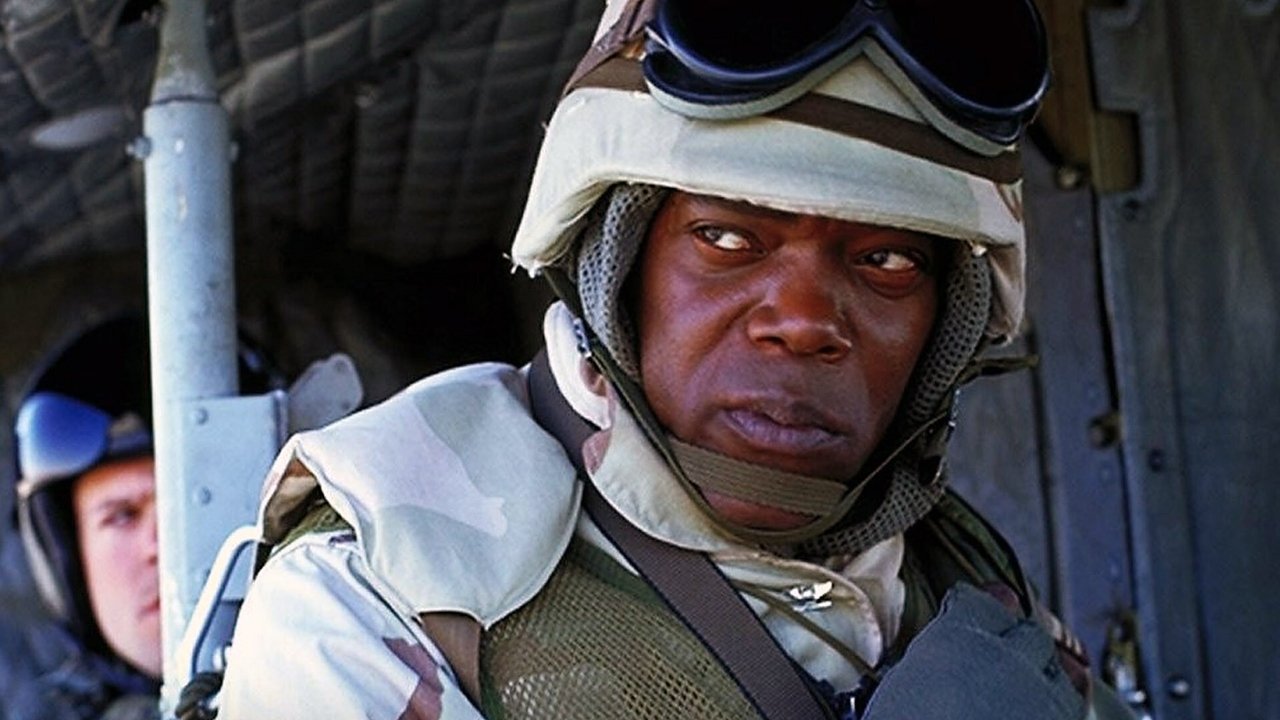
The story revolves around two decorated Marines, Colonel Hayes "Hodge" Hodges (Tommy Lee Jones) and Colonel Terry Childers (Samuel L. Jackson). Their bond was forged decades earlier in the jungles of Vietnam, a connection cemented by shared danger and Childers saving Hodge's life. Fast forward to the late 90s, and Childers is leading a Marine Expeditionary Unit tasked with evacuating the U.S. Ambassador (Ben Kingsley) from a besieged embassy in Yemen. When the extraction goes catastrophically wrong, resulting in numerous civilian casualties amidst heavy enemy fire, Childers finds himself facing a court-martial, accused of ordering his men to fire on unarmed civilians.
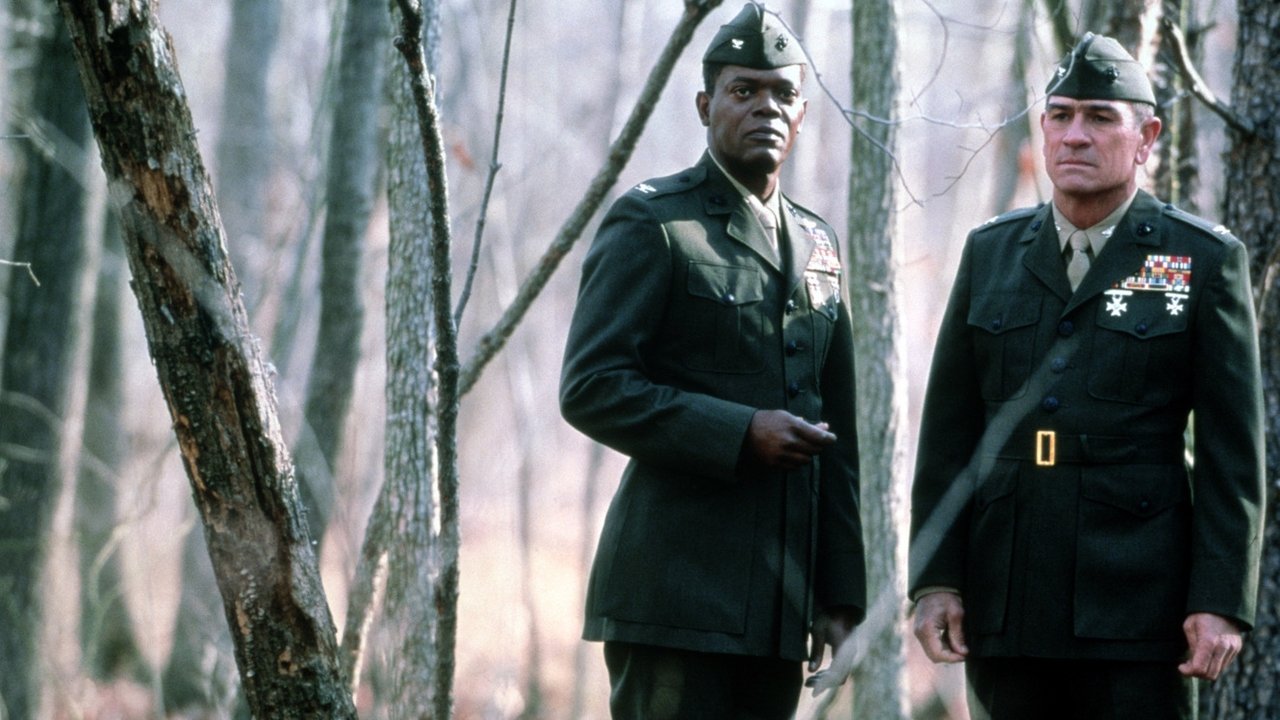
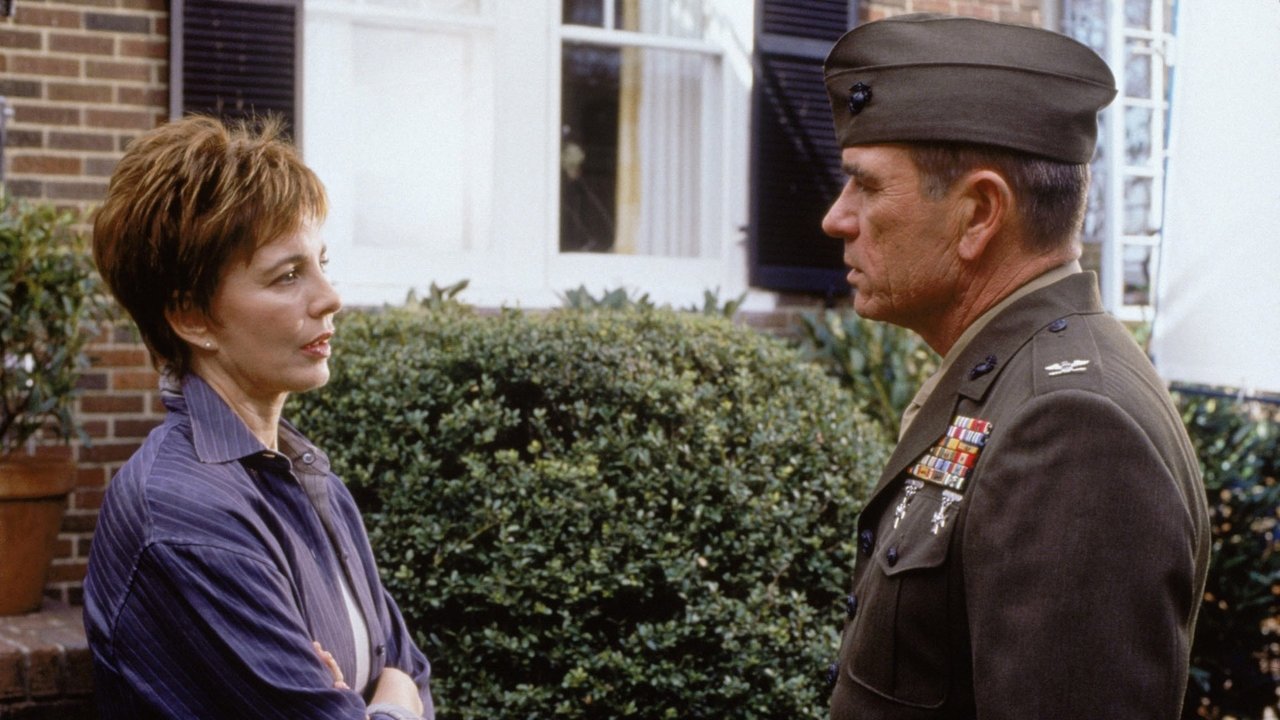
His chosen defender? His old friend Hodge, now a military lawyer just shy of retirement, perhaps grown a bit weary of the system. What unfolds is less a straightforward legal drama and more a tense exploration of loyalty, the murky nature of truth under fire, and the immense pressure soldiers face when making life-or-death decisions in seconds.
Performance Under Pressure
This film absolutely hinges on the dynamic between its two leads, and thankfully, Jones and Jackson deliver. Their shared scenes crackle with the weight of history and unspoken understanding. Jones, as Hodge, embodies a weary integrity. He's not flashy, relying on that trademark stoicism, but you see the gears turning, the conflict playing out behind his eyes as he pieces together what really happened while battling political interference from figures like the ambitious National Security Advisor, played with ruthless efficiency by Bruce Greenwood.
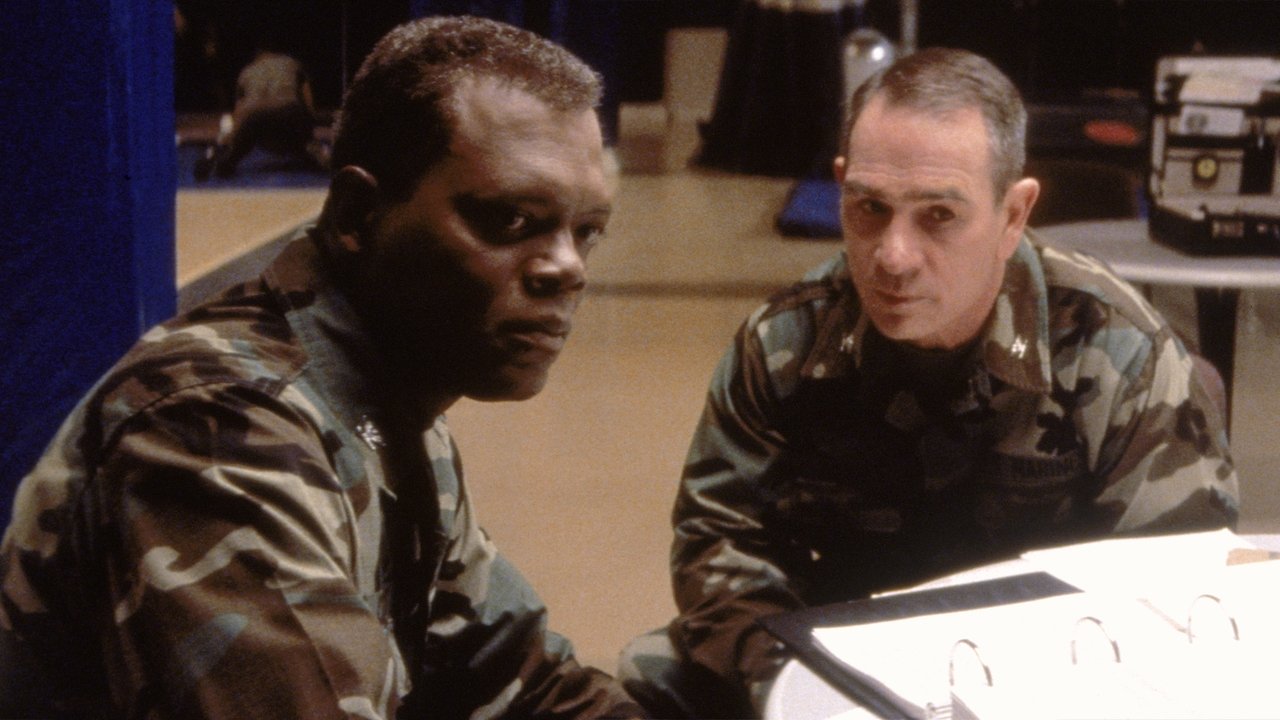
Samuel L. Jackson, meanwhile, gives Childers a fierce, almost righteous certainty. He believes he made the right call, that his men were facing imminent lethal threat. Jackson portrays the warrior's conviction but also allows glimpses of the vulnerability beneath – the soldier haunted by the consequences of his command. It’s a powerful performance that refuses easy answers. Does his certainty mask a terrible mistake, or is he a scapegoat for a situation spun violently out of control? The film deliberately keeps you guessing.
Supporting them is Guy Pearce as Major Mark Biggs, the prosecutor tasked with taking Childers down. Pearce injects Biggs with a zealous determination that occasionally borders on the prosecutorial equivalent of combat tunnel vision. He’s not necessarily a villain, but he represents the institutional forces demanding accountability, perhaps at the expense of nuance.
Friedkin's Gritty Realism
You can feel the hand of director William Friedkin (the man who gave us gritty classics like The French Connection (1971) and the often overlooked To Live and Die in L.A. (1985)) all over this. He brings a visceral intensity to the combat sequences, capturing the chaos and confusion without resorting to excessive shaky-cam. The opening scenes in Yemen feel genuinely dangerous, putting you right there with the Marines under fire. The contrast between the dusty, explosive battlefield and the sterile, politically charged atmosphere of the courtroom is stark and effective.
Interestingly, the script was penned by James Webb, a decorated Vietnam veteran and later Secretary of the Navy and U.S. Senator, with revisions by Stephen Gaghan (who, in the very same year, won an Oscar for writing Traffic). Webb's military background lends an undeniable authenticity to the dialogue and the portrayal of military procedure and mindset. It feels grounded, even when dealing with dramatic courtroom confrontations.
Retro Fun Facts: Behind the Lines
- The film reportedly faced some controversy upon release, particularly regarding its depiction of Arab civilians, which some critics found problematic or stereotypical. This sparked debate about representation in action films depicting Middle Eastern conflicts.
- Friedkin was known for his demanding directing style. While perhaps not reaching the legendary extremes of The Exorcist set, reports suggest he pushed his actors to capture the necessary intensity, particularly in the combat and courtroom scenes.
- The film reunited Jones and Jackson after their brief but memorable encounter in JFK (1991). Their established rapport adds significant weight to their characters' deep bond.
- Budgeted at around $60 million, Rules of Engagement brought in roughly $72 million worldwide. While not a runaway smash, it found its audience, likely drawn by the star power and the promise of a serious-minded military thriller – a genre that always had a strong presence on those video rental store shelves.
The Verdict in the Fog of War
Rules of Engagement isn't a perfect film. The pacing can feel a bit uneven at times, shifting between intense action, procedural investigation, and courtroom drama. Some character motivations, particularly on the prosecution side, feel a little thinly drawn to serve the plot.
However, what lingers long after the credits roll is the film's refusal to offer simple answers. It confronts the viewer with the brutal realities of modern warfare and the immense burden placed on soldiers who must interpret rules of engagement under unimaginable duress. The performances by Jones and Jackson are compelling, grounding the complex moral questions in believable human struggle. It’s a film that sparks debate, forcing you to consider perspectives you might not have otherwise entertained. It might not have the iconic status of some other military dramas, but it has that solid, well-crafted feel of late 90s / early 2000s filmmaking that aimed for adult themes alongside its action beats.
Rating: 7/10
Why a 7? The powerhouse performances from Jones and Jackson, combined with Friedkin's assured direction of the intense combat and courtroom scenes, elevate the material considerably. It tackles difficult, relevant themes with seriousness, even if the script occasionally simplifies opposing viewpoints. It's a solid, thought-provoking thriller that feels very much of its time, yet raises questions that remain pertinent today.
It leaves you pondering the impossible choices faced by those we send into harm's way, and the often-unseen political battles fought long after the shooting stops. A worthwhile watch, especially if you appreciate a military drama with more on its mind than just explosions.