It starts, as many things do, with a chance encounter on a rainy Glasgow street. A spark between two people, a flicker of something hopeful. But Carla's Song (1996) doesn't stay in the realm of the familiar Glaswegian charm it initially establishes. It pulls you, along with its protagonist, into something far deeper, darker, and more unsettling – a journey not just across continents, but into the very heart of trauma forged by war. This isn't your typical 90s rental night fare; it's a film that settles in your bones, demanding reflection long after the VCR whirred to a stop.
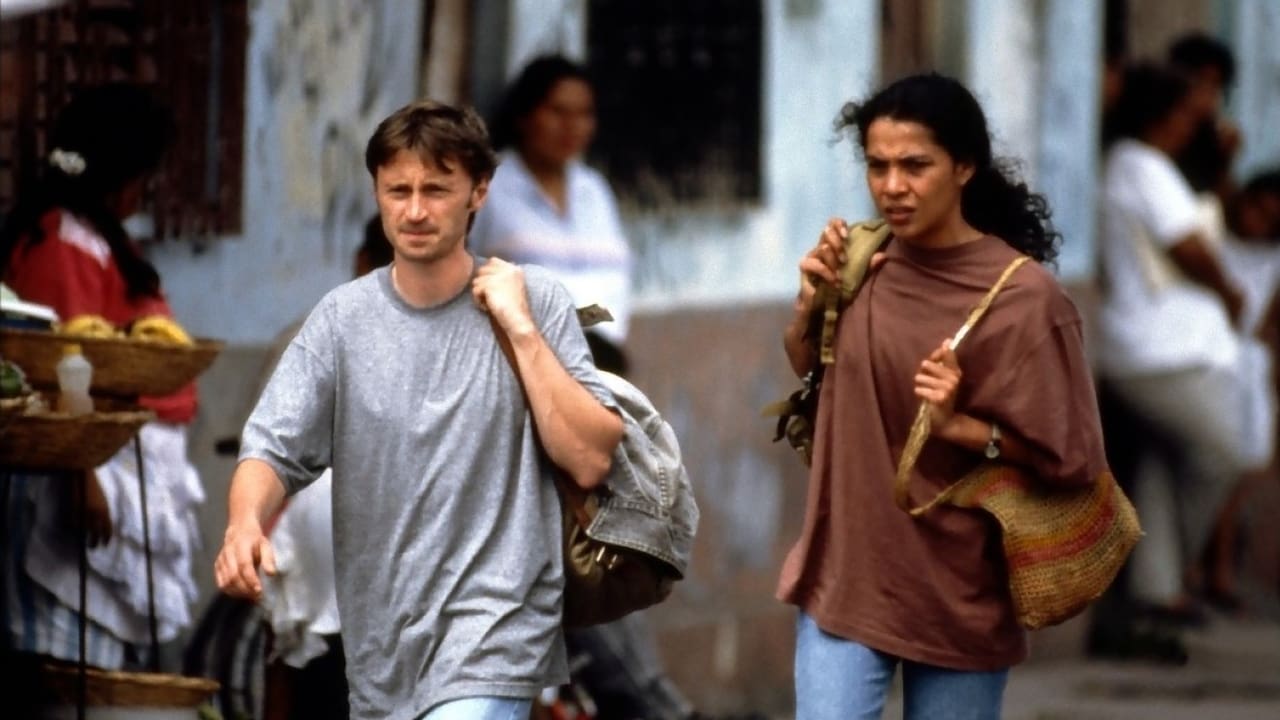
From Glasgow Smiles to Nicaraguan Scars
We first meet George, played by a wonderfully open and initially buoyant Robert Carlyle, fresh off his electrifying turn in Trainspotting that same year. George is a bus driver, quick with a joke, seemingly content with his routine. Then Carla (Oyanka Cabezas) quite literally falls into his life – penniless, haunted, attempting suicide after dodging a fare. George, driven by an impulsive compassion that borders on naive idealism, takes her under his wing. There's a tenderness in these early scenes, a believable chemistry built on tentative trust and George's sheer force of goodwill. Director Ken Loach, a master of capturing the rhythms of working-class life (think Kes or his later works like I, Daniel Blake), paints a familiar, grounded picture of Glasgow. Yet, beneath Carla's fragile exterior, whispers of a violent past emerge, fragmented memories that refuse to stay buried.
A Past That Won't Stay Buried

It’s here the film reveals its true weight. Carla isn't just melancholic; she's shattered, a refugee carrying the invisible wounds of Nicaragua's Contra War. Screenwriter Paul Laverty, in his first but incredibly potent collaboration with Loach, draws heavily on his own experiences as a human rights lawyer in Nicaragua. This isn't abstract politics; it's lived reality etched onto Carla's face and woven into her silences. The film doesn't shy away from the harrowing nature of her trauma, hinted at through nightmares and sudden panics. What does it mean to survive unspeakable things? How does one rebuild a life when memory itself is a minefield? These are the questions the film begins to ask, pulling George, and us, deeper into Carla's pain.
Impulse and Intervention
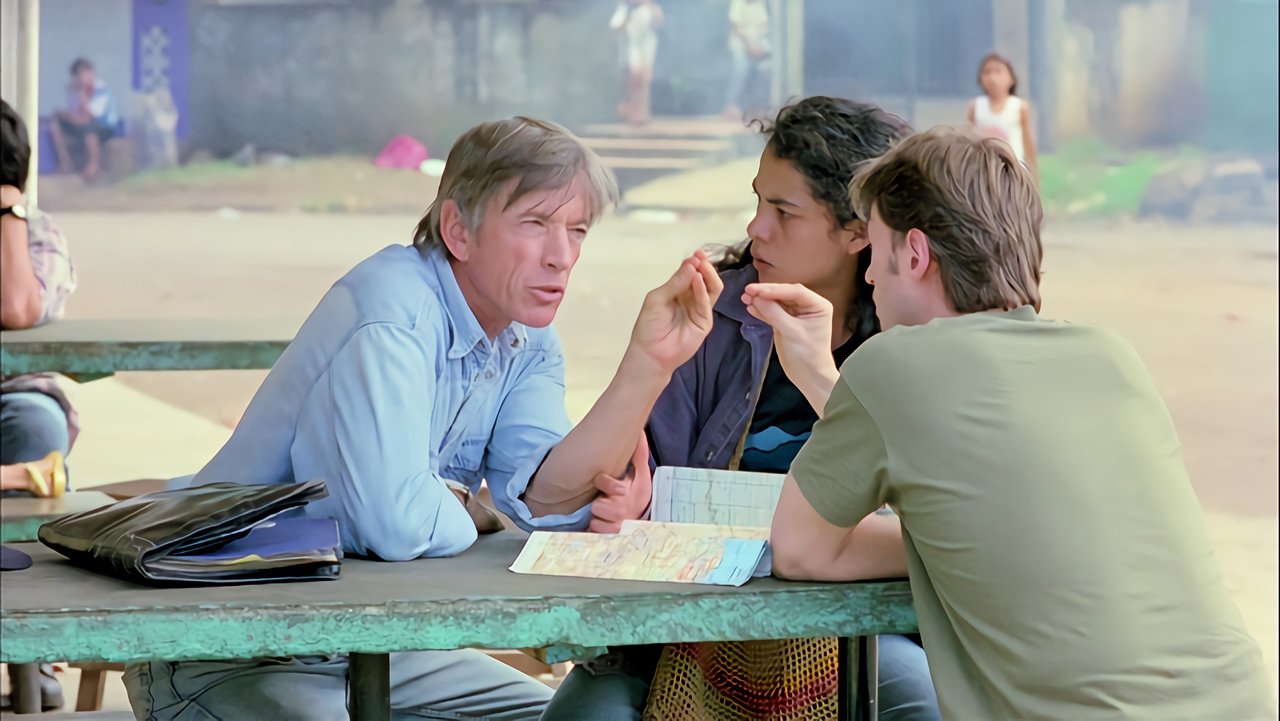
George's decision to accompany Carla back to Nicaragua feels both reckless and deeply human. He wants to fix things, to understand the source of her suffering, perhaps believing his love and presence can somehow mend the broken pieces. This journey marks a stark shift in the film's landscape and tone. Gone are the grey streets of Glasgow, replaced by the heat, dust, and lingering danger of a nation scarred by conflict. Loach captures this transition with his signature naturalism, immersing us in communities still reeling from the violence, where American intervention (personified briefly but effectively by Scott Glenn as a cynical aid worker) casts a long shadow. We witness the tangible consequences of geopolitical struggles on ordinary lives, a theme Loach and Laverty would explore repeatedly in their subsequent films. The production itself embraced this reality, filming on location and involving locals, adding layers of authenticity. It’s said Carlyle dedicated himself to learning Spanish and even drove Glasgow buses to prepare – a commitment evident in his character's earnest, sometimes fumbling, attempts to navigate this alien world.
The Power of Raw Authenticity
The performances are central to the film's enduring power. Carlyle delivers a nuanced portrayal, shifting from the cheeky charm of the early scenes to a man increasingly burdened by the reality he confronts, his optimism tested against the sheer scale of suffering. But it's Oyanka Cabezas, a non-professional actress discovered in Nicaragua, who is the film's soul. Her performance is astonishingly raw, devoid of artifice. She embodies Carla's trauma not through overt melodrama, but through a profound weariness, moments of visceral fear, and flickering glimpses of the vibrant person buried beneath. Loach's faith in casting non-professionals often yields this kind of startling authenticity, blurring the line between performance and lived experience. You don't just watch Carla; you feel the weight she carries. Was her own life perhaps touched by the conflict she portrays so devastatingly? The film doesn't need to tell us; it's palpable in her presence.
A Story That Lingers
Carla's Song isn't an easy watch. It doesn't offer simple solutions or neat resolutions. George's journey isn't necessarily heroic; it's complex, raising questions about the effectiveness, even the arrogance, of Western intervention on a personal level. Can one person truly save another from the ghosts of their past, especially a past entangled with political violence on such a scale? The film leaves you pondering the resilience of the human spirit, but also the enduring scars left by conflict, scars that love and good intentions may not be enough to heal. It’s a far cry from the escapism often sought on a Friday night trip to the video store, but its emotional honesty and political conscience make it a vital piece of 90s cinema.
Rating: 8/10
This rating reflects the film's profound emotional impact, driven by exceptional performances (especially from Cabezas) and Loach's unwavering commitment to social realism. The shift from Glasgow romance to Nicaraguan trauma is jarring but purposeful, forcing a confrontation with uncomfortable truths. While George's motivations can sometimes feel naive, the film's authenticity and refusal of easy answers make it deeply affecting. It earns its emotional weight through honesty, not manipulation.
Carla's Song might not have been the tape you reached for every weekend, but finding it nestled amongst the action and comedies felt like discovering something substantial, a reminder that cinema could be both intimate and globally conscious, even back in the VHS days. It’s a film that stays with you, a testament to the enduring power of empathy and the devastating human cost of conflicts often viewed from afar.