What becomes of the wolf when the hunt is over? This isn't just a question pondered by old soldiers; it pulses at the very heart of Bertrand Tavernier's searing 1996 film, Captain Conan (original title: Capitaine Conan). Forget the polished narratives of heroism often served up about the Great War. Tavernier, a director never shy about confronting uncomfortable truths (as seen in works like Life and Nothing But from 1989, also tackling WWI's aftermath), plunges us into the mud, blood, and moral ambiguities of the Balkan Front in late 1918, after the Armistice has silenced the main European battlefields. Here, the fighting hasn't quite stopped, and Captain Conan and his elite "Corps Francs" – commandos skilled in the brutal art of trench raiding – find their savage talents suddenly out of step with a world yearning for peace.
Where War Lingers
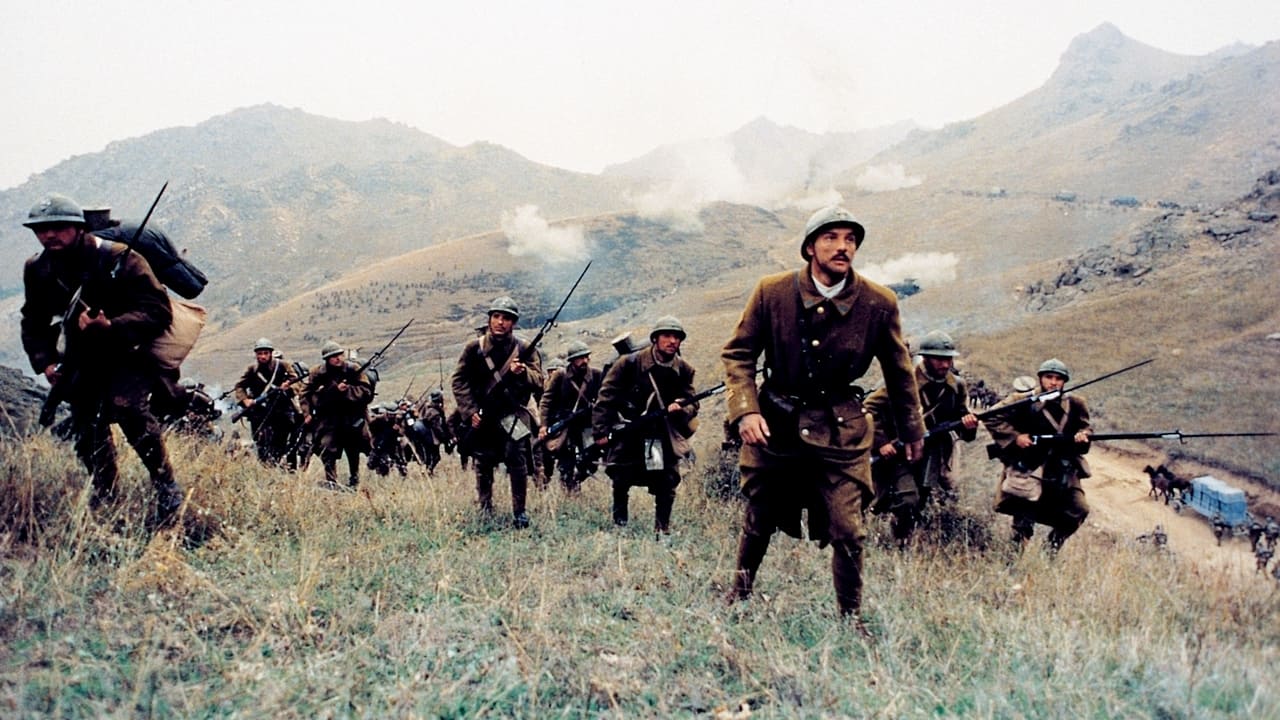
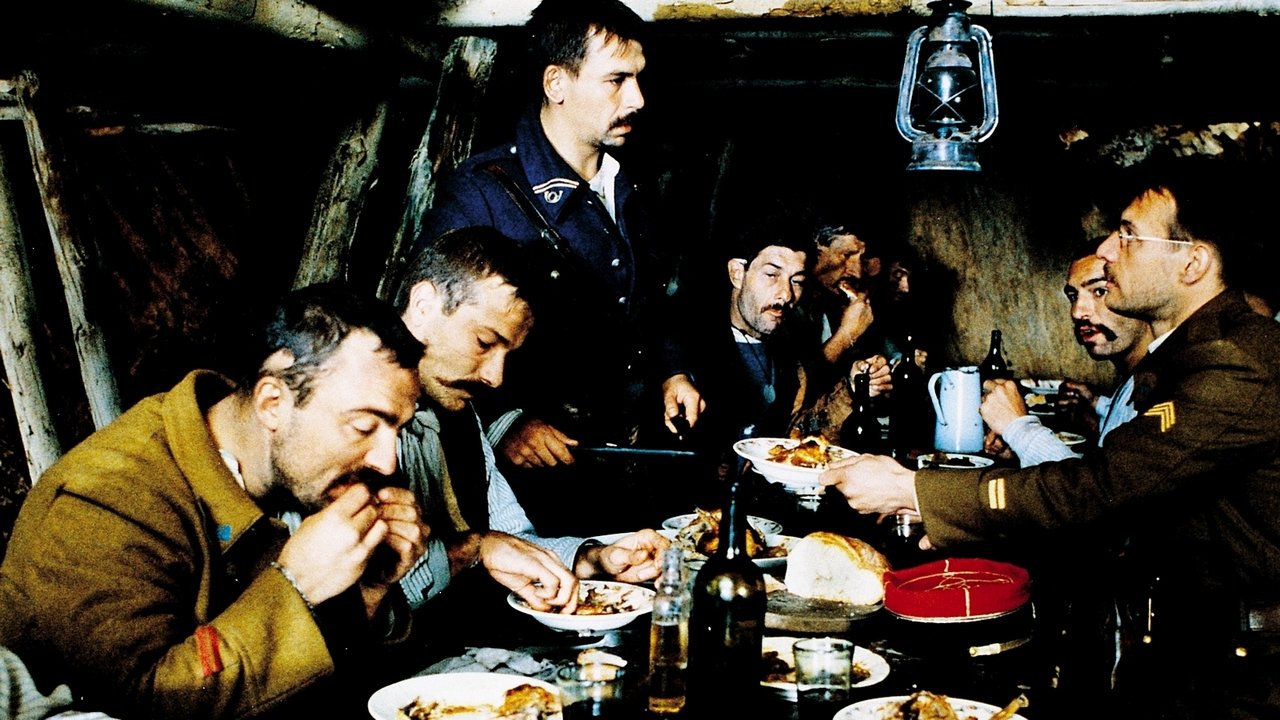
Tavernier masterfully recreates the grim reality of this forgotten theatre of war. Filmed largely on location in Romania, the film feels damp, cold, and perpetually smeared with grime. There's an oppressive weight to the atmosphere, a sense that even victory brings little relief. Conan's men, recruited from the toughest and often most undisciplined soldiers, thrived in the chaos of nighttime raids and close-quarters combat. They were the sharp edge of the French army, necessary but feared. We see their terrifying effectiveness in visceral, unglamorous skirmishes – brief, brutal, and utterly convincing. Tavernier, known for his meticulous research, drew heavily from Roger Vercel's 1934 Prix Goncourt-winning novel, itself based on real experiences, ensuring the depiction of these specialised units feels grounded and authentic.
The Lion Uncaged
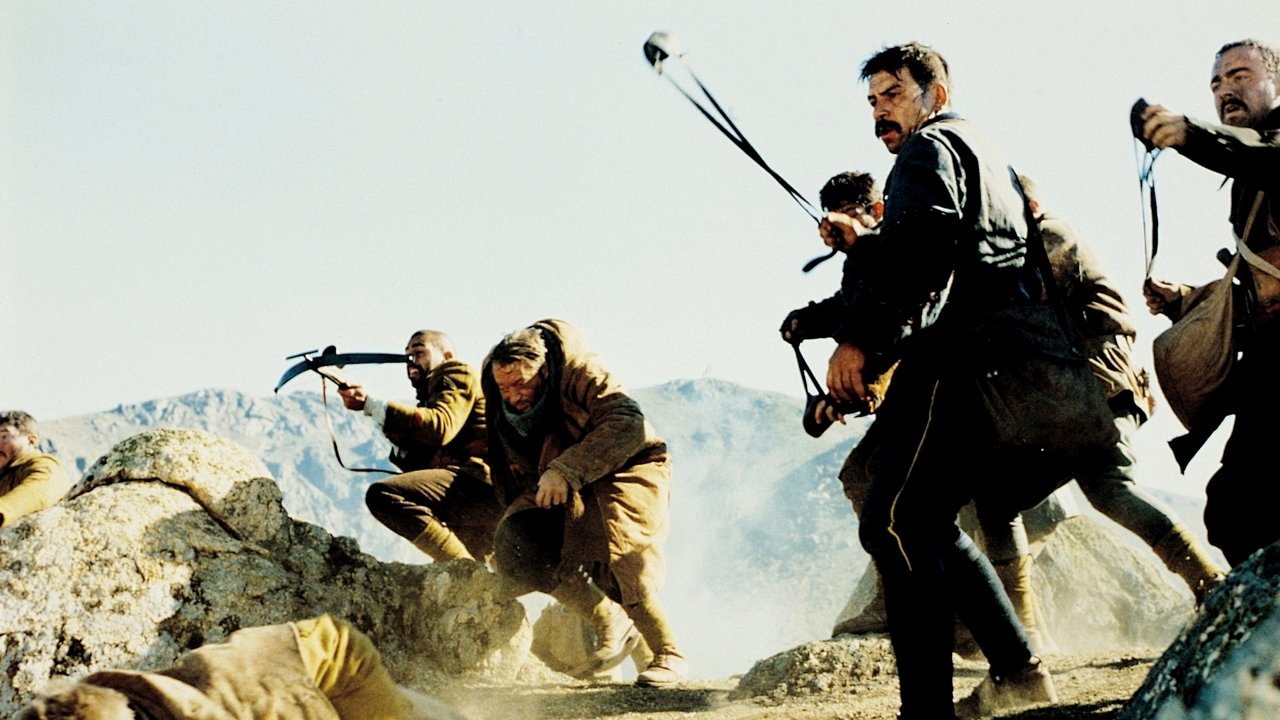
At the centre of it all is Philippe Torreton's monumental performance as Conan. It’s less a portrayal and more an inhabitation. Torreton embodies the primal energy of a man perfectly adapted to violence, radiating charisma and menace in equal measure. His Conan is fiercely loyal to his men, contemptuous of REMFs and armchair strategists, and possessed of a raw, almost animalistic code of honour forged in battle. He doesn’t just command his troops; he inspires a ferocious devotion. Torreton reportedly threw himself into the role with incredible intensity, and it shows in every frame. His physicality – the way he moves, the burning intensity in his eyes – captures a man who understands war's brutal logic but is utterly lost when that logic no longer applies. It’s no surprise Torreton deservedly won the César Award (the French equivalent of the Oscar) for Best Actor for this towering performance.
Supporting him are excellent turns from Samuel Le Bihan as Norbert, a young, idealistic lieutenant assigned to prosecute military crimes who finds his loyalties tested by his admiration for Conan, and Bernard Le Coq as Lieutenant de Scève, representing the military bureaucracy trying to reimpose order. Their interactions with Conan highlight the central conflict: the clash between the warrior ethos and the demands of peacetime society.
Peace: The Hardest Battle
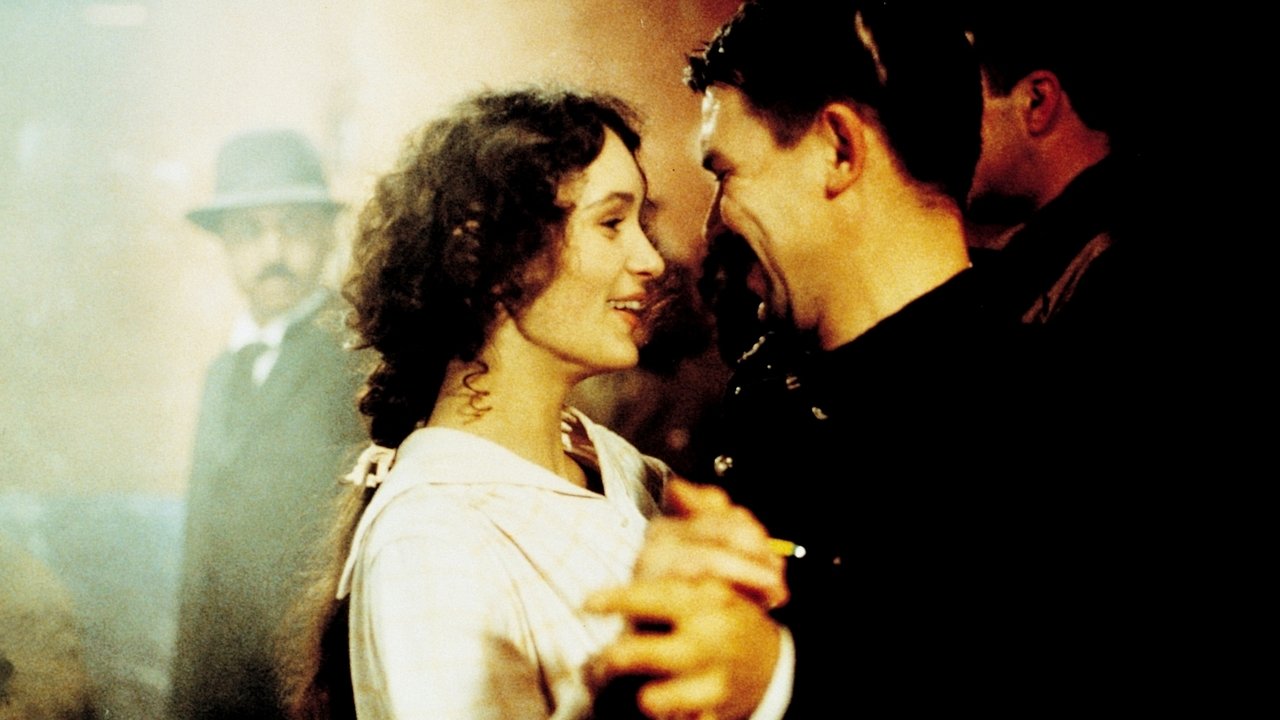
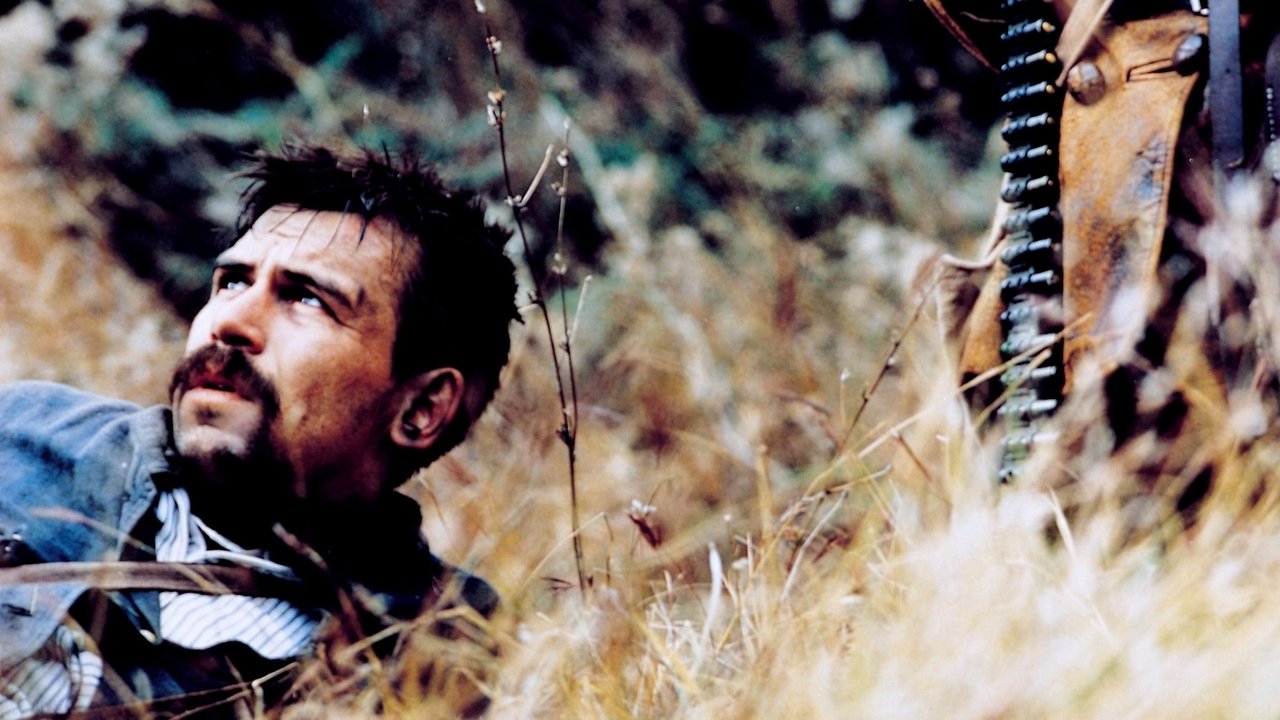
The film's narrative power truly ignites as the uneasy peace settles. Conan's men, unable to switch off their violent impulses, engage in looting, brawls, and worse. They become liabilities, an embarrassment to the very army that relied on their savagery just weeks before. The skills that kept them alive are now grounds for court-martial. Tavernier, alongside co-writer Jean Cosmos, explores this transition with nuance and painful honesty. We see the confusion and resentment in the eyes of men who risked everything, only to be treated like criminals. Conan’s fierce defense of his "wolves" becomes a desperate struggle against a system that no longer values their particular brand of courage. It forces us to ask uncomfortable questions: What debt is owed to those who do society's dirty work? Can a man forged in extreme violence ever truly return to normalcy?
Tavernier's Unflinching Gaze
Bertrand Tavernier directs with a remarkable lack of sentimentality. His use of often handheld camerawork and naturalistic lighting, reminiscent of his approach in films like L.627 (1992), pulls us directly into the chaos and claustrophobia of the trenches and the simmering tensions of the barracks. He avoids grand, sweeping battle scenes, focusing instead on the intimate, human cost of conflict and its psychological fallout. There's a raw immediacy here, a refusal to look away from the ugliness, both physical and moral. This wasn't a massive budget Hollywood spectacle; its reported budget was modest for an epic war film (around ₣70 million, roughly $14 million USD at the time), demanding resourcefulness that arguably enhances its gritty authenticity. The film earned Tavernier another César for Best Director, cementing its critical acclaim in France, even if its challenging themes meant it wasn't a global box office smash. For those of us discovering it later, perhaps on a well-worn VHS tape rented from a store shelf far from the arthouse circuit, it felt like uncovering a hidden gem – a war film with actual teeth and something profound to say.
Legacy in the Mud
Captain Conan isn't an easy watch, but it's a deeply rewarding one. It’s a film that lingers, prompting reflection on the nature of heroism, the brutalising effects of war, and the often-tragic fate of warriors in peacetime. It stands as a powerful counterpoint to more romanticised war narratives, offering a complex portrait of flawed men grappling with their own violent natures and a world that no longer needs them. The questions it raises about loyalty, sacrifice, and the institutional abandonment of soldiers feel tragically relevant even today.
Rating: 9/10
This score reflects the film's powerhouse central performance, Tavernier's masterful direction, its unflinching realism, and the depth of its thematic exploration. It's a near-perfect execution of a challenging premise, marred only slightly by a pace that might feel demanding for some viewers accustomed to faster narratives.
Captain Conan remains a vital, visceral piece of filmmaking – a stark reminder that the end of fighting doesn't always mean the beginning of peace, especially for those who did the fighting. It's a film that truly gets under your skin.