The air hangs thick and heavy, not just with the sweltering New York summer heat visibly beading on foreheads, but with the suffocating weight of decision. Twelve men, strangers plucked from their lives, are confined to a drab room, tasked with determining the fate of a young man accused of murder. It’s a premise familiar to many cinephiles, immortalized by Sidney Lumet’s 1957 masterpiece. Yet, stepping into the jury room via William Friedkin’s 1997 television adaptation of 12 Angry Men feels less like revisiting sacred ground and more like discovering a potent, vital interpretation all its own – one perfectly suited for a reflective evening viewing, perhaps pulled from a carefully labeled VHS tape recorded off Showtime back in the day.
More Than Just a Remake
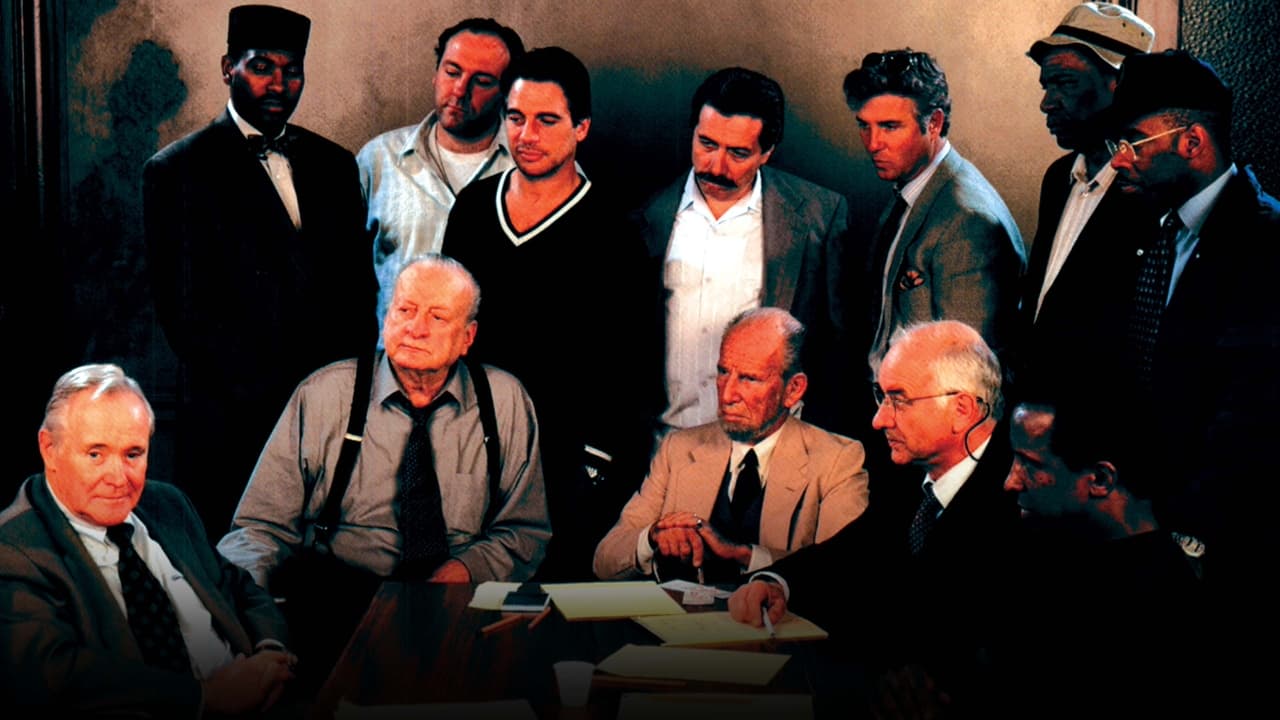
Let's be honest, remaking a film often considered perfect is a risky proposition. The original 12 Angry Men is cinematic bedrock. But Reginald Rose, adapting his own timeless teleplay (originally from 1954) and screenplay once more, clearly understood the enduring power of his work. And placing it in the hands of William Friedkin, a director whose filmography pulses with tension – think The French Connection (1971) or Sorcerer (1977) – proved an inspired choice. Friedkin doesn't try to reinvent the wheel; instead, he leans into the inherent claustrophobia, using the camera to heighten the simmering resentments and shifting alliances within that single, oppressive space. The way the camera seems to tighten its focus as the arguments intensify, mirroring the rising temperature and fraying nerves, is pure Friedkin – controlled, deliberate, and deeply unsettling. He famously rehearsed the cast for two weeks like a stage play, filming largely in sequence, allowing the performances to build organically, which pays off beautifully on screen.
A Clash of Titans: Lemmon vs. Scott
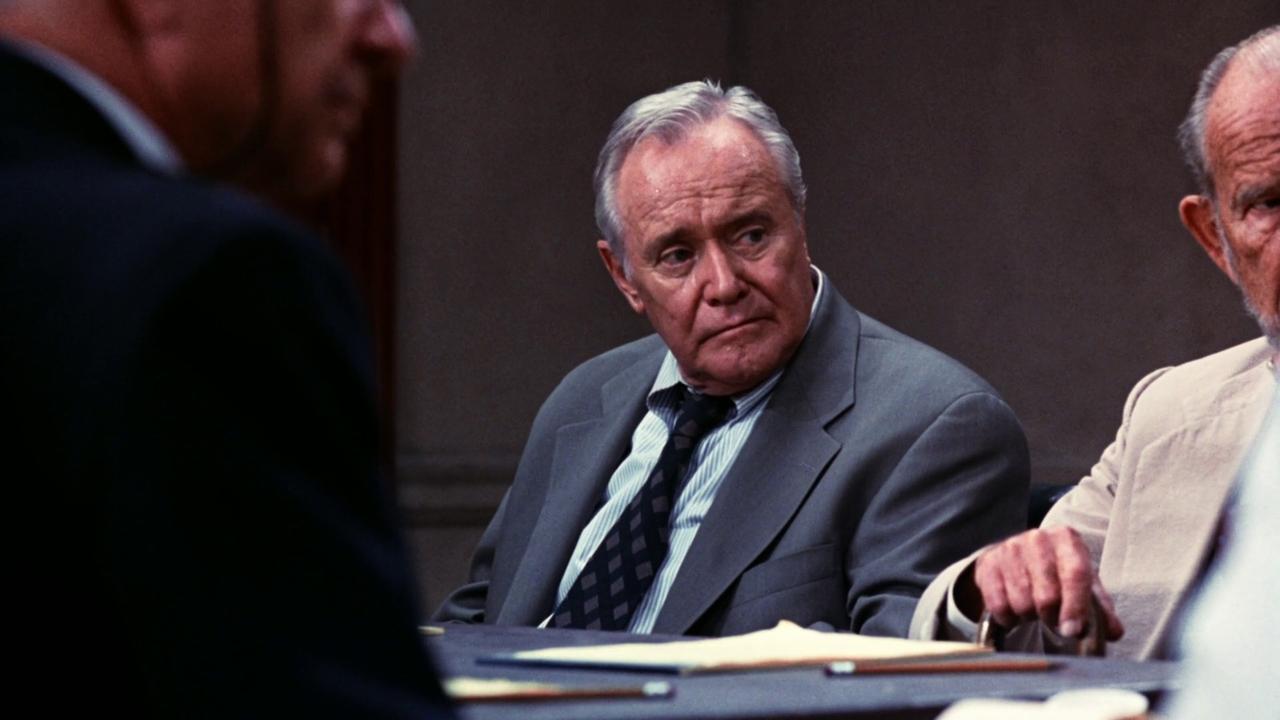
At the heart of this version is the dynamic between Juror #8, played with weary integrity by Jack Lemmon, and the volcanic Juror #3, embodied by the formidable George C. Scott. Seeing these two legends, who shared the screen memorably in films like The Odd Couple II just a year later, go head-to-head here is electrifying. Lemmon, stepping into the Henry Fonda role, brings a different energy. Where Fonda was quietly certain, Lemmon’s Juror #8 feels burdened, almost reluctant, driven by a nagging doubt he can't ignore rather than inherent heroism. There’s a vulnerability beneath his persistence that is incredibly compelling. You feel the personal cost of his dissent.
Opposite him, George C. Scott is a force of nature. His Juror #3 is a raw nerve, radiating bitterness and prejudice fueled by personal pain. It’s a performance simmering with barely contained rage, threatening to boil over at any moment. Scott doesn’t just play anger; he embodies the deep, wounded pride and stubborn refusal to yield that defines the character. Their confrontations crackle with the kind of dramatic intensity that only actors of this caliber can deliver. It's not better or worse than Fonda vs. Lee J. Cobb; it's a different, equally valid, and utterly gripping interpretation. I distinctly remember watching this when it first aired, struck by how these familiar roles felt fresh and dangerous in their hands.
An Ensemble That Delivers
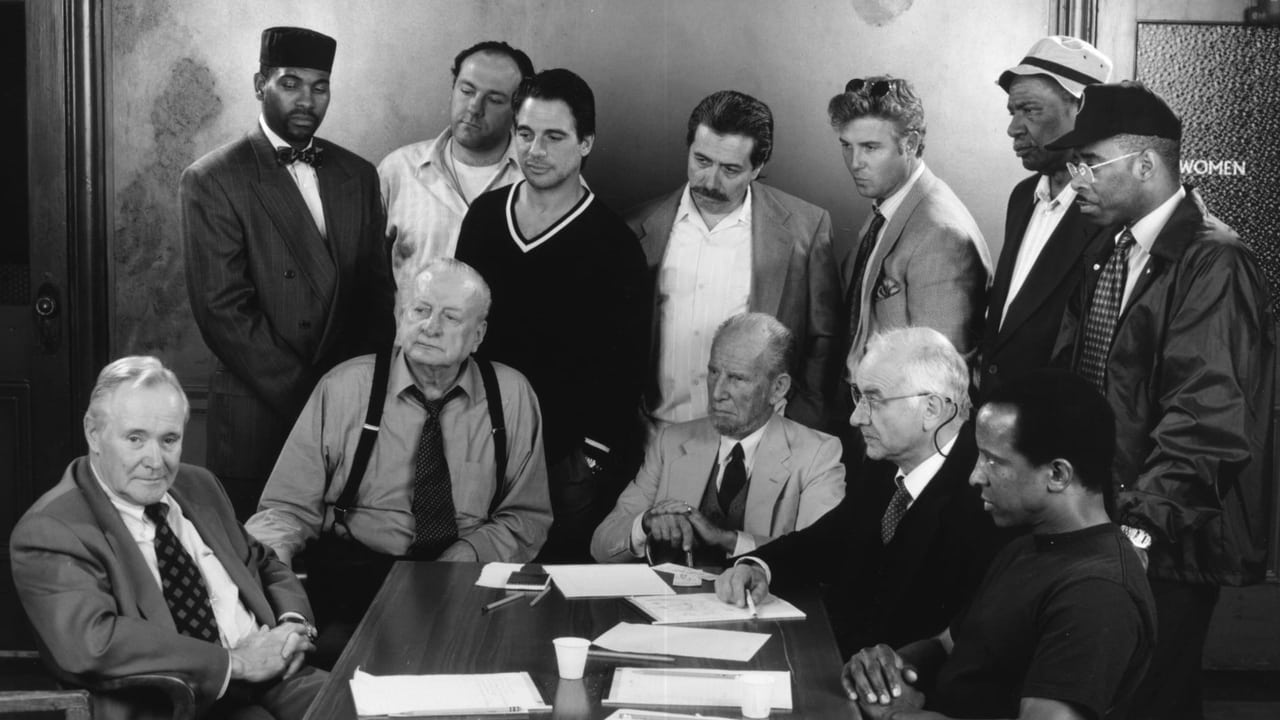
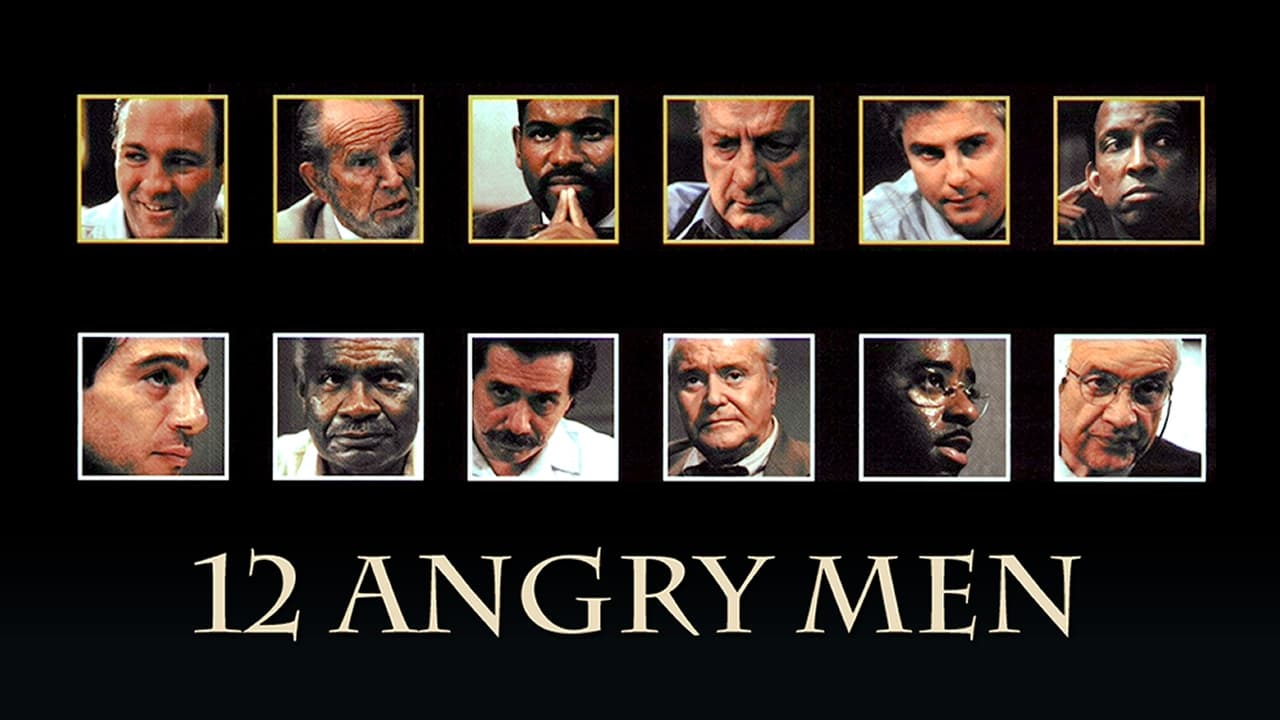
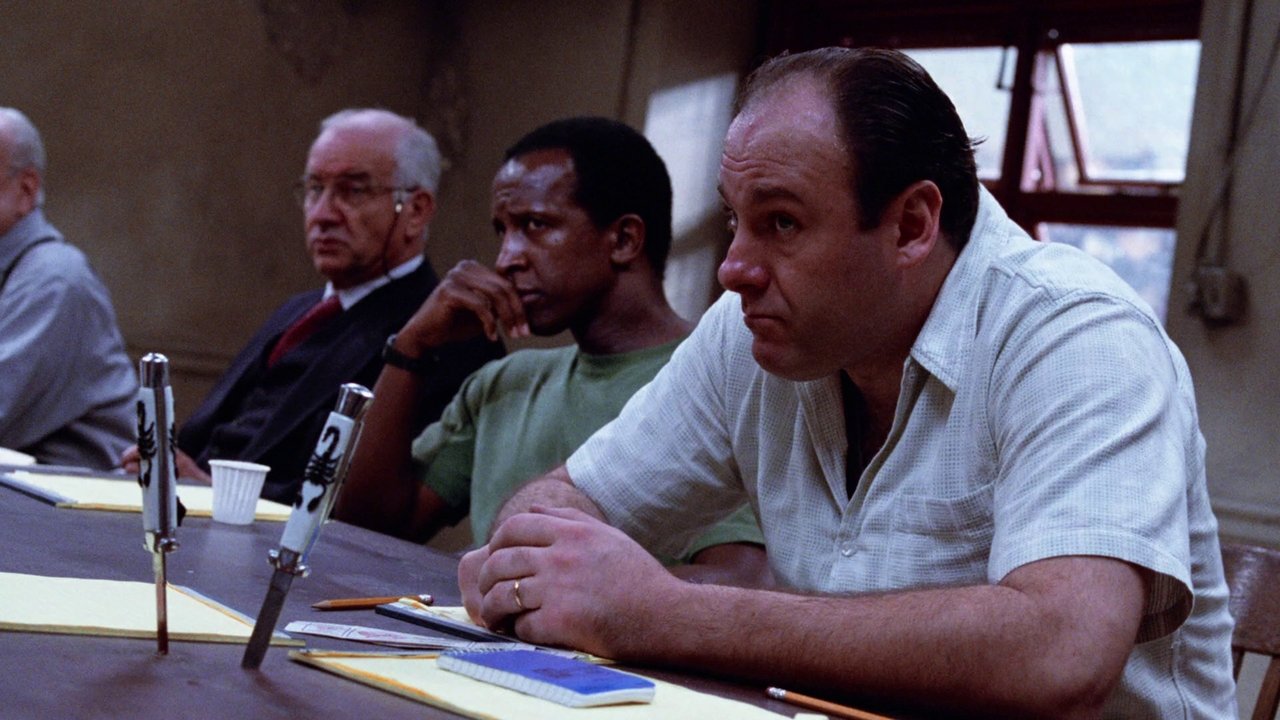
Beyond the central conflict, the supporting cast is simply phenomenal, a testament to the quality of talent drawn to this project, even as a TV movie. Hume Cronyn (Juror #9) provides quiet wisdom and dignity, a perfect foil to Scott's bluster. We see Armin Mueller-Stahl (Juror #4) bring his precise, analytical chill. There’s a young James Gandolfini (Juror #6), years before Tony Soprano, already commanding attention with his grounded presence. Courtney B. Vance (Juror #1, the Foreman) deftly navigates the escalating tensions, while actors like Edward James Olmos (Juror #11), Mykelti Williamson (Juror #10), and Tony Danza (Juror #7) each bring distinct, memorable dimensions to their characters, representing a cross-section of society’s biases and assumptions. It’s a masterclass in ensemble acting, with each player contributing crucially to the pressure-cooker atmosphere.
Production Notes and Lasting Questions
Made for Showtime, this 12 Angry Men demonstrates the high standard TV movies could achieve in the 90s, often attracting A-list talent both in front of and behind the camera. It garnered critical acclaim, including multiple Emmy nominations and a win for George C. Scott (though he famously declined awards on principle). While filmed predominantly on a single set – a soundstage at CBS Studio Center in California – Friedkin’s direction prevents it from ever feeling static. The sense of confinement becomes a character in itself.
What makes the story endure, in any iteration? It forces us to confront uncomfortable truths about snap judgments, the insidious nature of prejudice, and the immense responsibility that comes with holding another person's life in your hands. Watching Lemmon’s Juror #8 patiently, painstakingly chip away at the certainty of the others raises profound questions: How often do we allow our own biases or assumptions to cloud our judgment? What does it truly take to stand against the crowd, especially when doubt is easier to dismiss than to entertain? Doesn't the struggle depicted in that jury room resonate with the societal divisions and arguments we still grapple with today?
Rating: 9/10
This score reflects the powerhouse performances across the board, particularly from Lemmon and Scott, William Friedkin's taut and focused direction, and the enduring strength of Reginald Rose’s script. It successfully navigates the challenge of remaking a classic by offering a distinct, compelling interpretation that stands firmly on its own merits. While perhaps lacking the cinematic landmark status of the 1957 original, this 90s version is exceptional television filmmaking, delivering intense drama and timeless relevance.
It’s a film that doesn't just entertain; it provokes thought long after the credits roll, leaving you pondering the nature of justice and the courage required to seek the truth, even when it’s inconvenient. A truly vital piece of 90s drama that deserves its place on the shelf in VHS Heaven.