Okay, settle in, maybe dim the lights a bit. Let’s talk about a film that likely didn’t scream “Friday night rental!” from the shelves of Blockbuster, but offered something far heavier, something that lingers long after the tape clicked off. I’m talking about Bo Widerberg’s final film, the stark and unsettling Swedish drama All Things Fair (original title: Lust och fägring stor) from 1995. This isn't a feel-good trip down memory lane; it's a dive into the murky waters of awakening desire, power imbalance, and the loss of innocence, all set against the peculiar backdrop of neutral Sweden during World War II.

A Shadow Over Youth
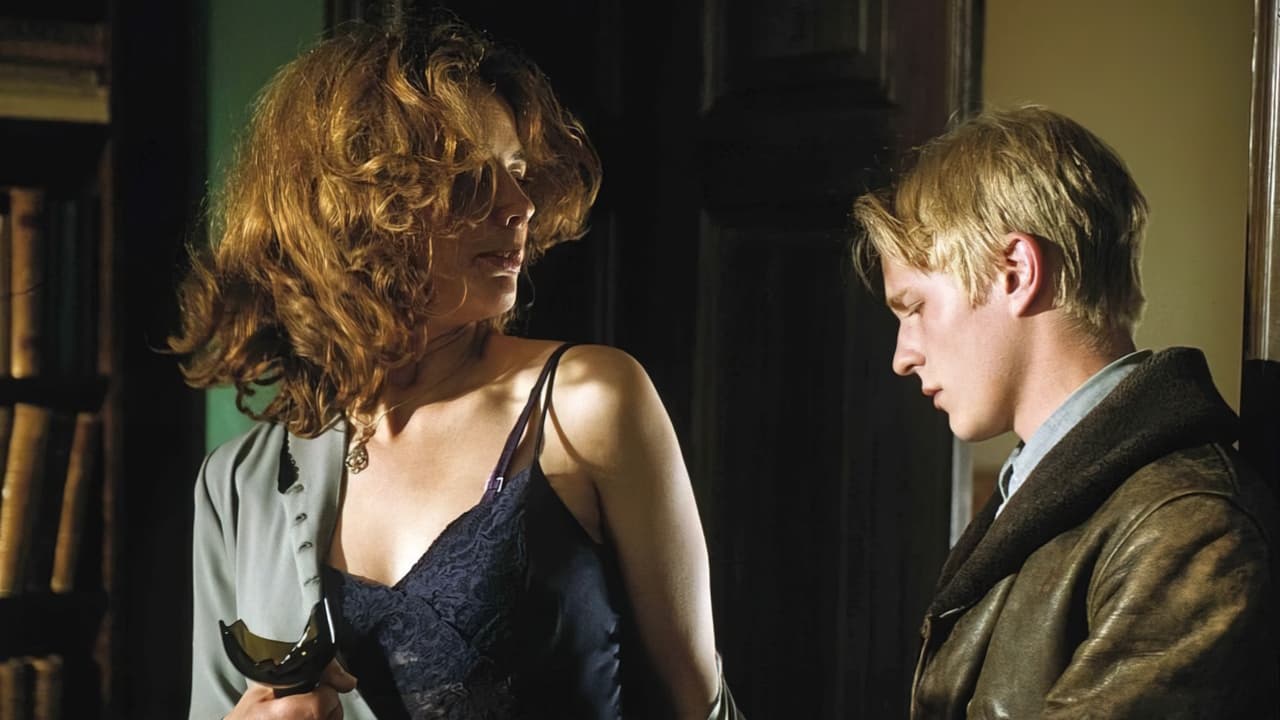
The film immediately establishes a specific, almost suffocating atmosphere. Malmö, 1943. The war rages elsewhere, a distant rumble acknowledged but not directly felt, yet its shadow seems to permeate everything. Into this world steps Stig (played with remarkable vulnerability by the director’s own son, Johan Widerberg), a 15-year-old student navigating the usual teenage confusions, hormones, and aspirations. His world is upended not by the global conflict, but by an intensely personal one: an illicit affair with his married teacher, Viola (Marika Lagercrantz).
What makes All Things Fair so potent, and frankly, uncomfortable, is its unflinching portrayal of this relationship. Widerberg, known for films like Elvira Madigan (1967) and Joe Hill (1971), doesn't shy away from the eroticism, but crucially, he frames it within the context of exploitation and the slow erosion of Stig's youthful idealism. There’s a tangible sense of transgression, of boundaries being irrevocably crossed. The initial thrill curdles into something complex and damaging.
The Weight of Performance
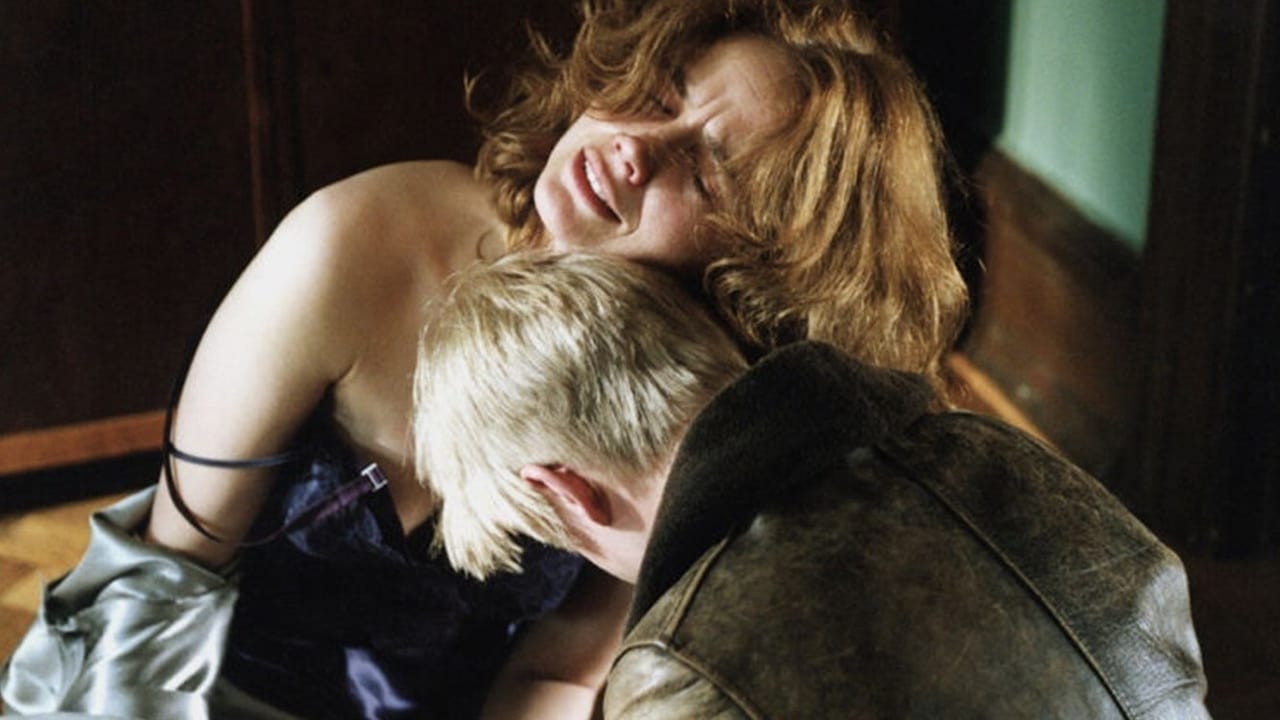
The casting of Johan Widerberg by his father adds a fascinating, perhaps even slightly uncomfortable layer to the viewing experience, especially given the explicit nature of some scenes. Yet, young Widerberg delivers a performance of astonishing depth. He captures the intoxicating mix of confusion, burgeoning ego, fear, and naive desire that defines Stig's journey. You see the boyishness flicker and fade, replaced by a premature, burdened awareness. It's a performance that feels intensely personal, perhaps drawing strength from that real-life father-son dynamic on set, navigating incredibly sensitive material together.
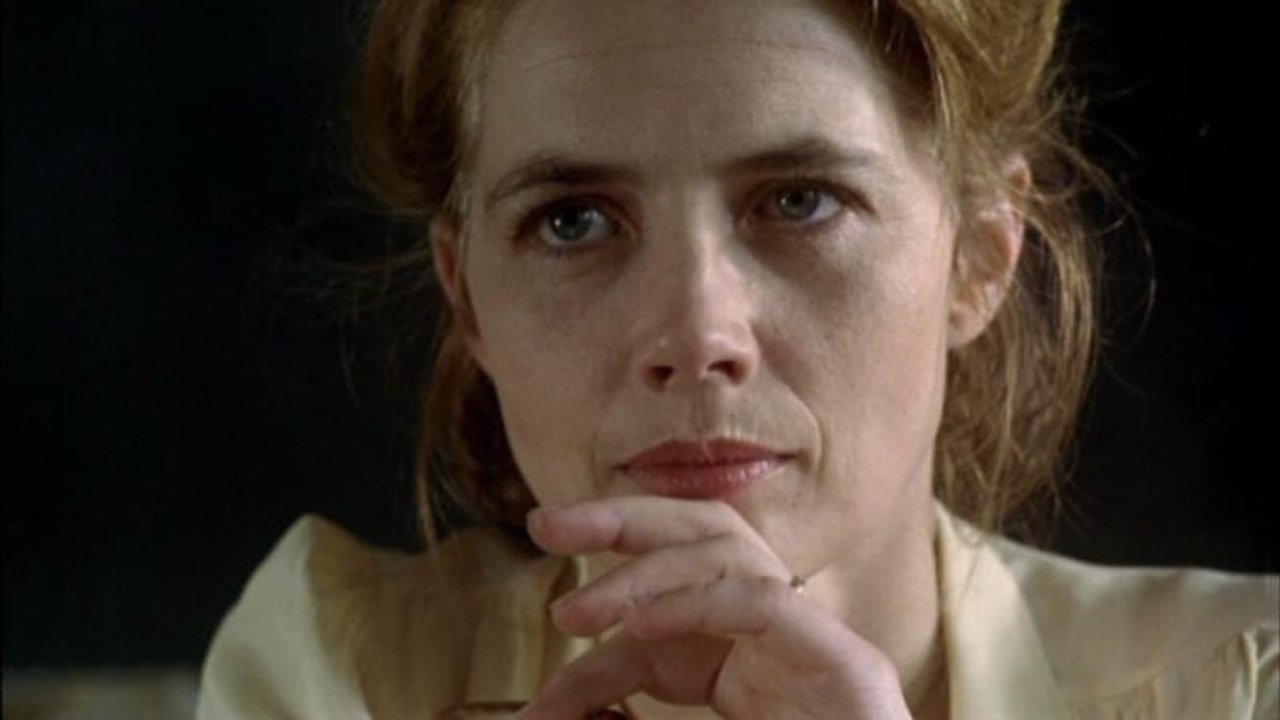
Marika Lagercrantz is equally compelling as Viola. She avoids portraying the teacher as a simple predator. Instead, Lagercrantz imbues her with a palpable sense of loneliness, frustration with her own life (her husband, played by Tomas von Brömssen, is well-meaning but dull), and a reckless desperation that fuels her actions. It’s a nuanced portrayal that doesn't excuse her behavior but makes her tragically human. The power dynamic is undeniable, yet Lagercrantz allows us glimpses of Viola's own vulnerabilities, making the situation even more complex. Does her unhappiness justify her actions? The film wisely leaves us grappling with that question.
Whispers of War, Echoes of Truth
Bo Widerberg, drawing partly on his own memories of growing up in Malmö during this period, directs with a quiet intensity. The cinematography often feels intimate, almost claustrophobic, particularly within the confines of the classroom or Viola’s apartment. The muted colour palette reflects the somber reality lurking beneath the surface of everyday life. The war remains peripheral – news reports on the radio, rationing, a sense of unease – but it acts as a constant, low hum, amplifying the internal turmoil of the characters. It subtly suggests that even in neutrality, the moral landscape can become treacherous territory.
Interestingly, the Swedish title, Lust och fägring stor, translates roughly to "Love and Great Beauty/Fairness" and is apparently a line from a traditional psalm sung at school ceremonies. It's a deeply ironic title, highlighting the chasm between the idealized promises of youth and the often harsh, disillusioning realities encountered. This wasn't just a random story; it felt rooted in Widerberg's reflection on his own past, lending it an undeniable authenticity. It's little wonder the film garnered critical acclaim, including an Academy Award nomination for Best Foreign Language Film back in '95 – it resonates with a truthfulness that transcends borders. It’s also poignant knowing this was Widerberg's final statement as a filmmaker before his passing in 1997.
Beyond the Tape
Finding All Things Fair on VHS back in the day might have felt like uncovering a hidden, perhaps slightly forbidden text. It wasn't the usual fare, demanding more from the viewer than passive consumption. It forces introspection about uncomfortable truths: the complexities of consent when power is skewed, the ways youthful potential can be corrupted, and how seemingly safe environments can harbor profound dangers. It’s not an easy watch, and the subject matter remains challenging, perhaps even more so through today's lens.
Does it hold up? Absolutely. The performances remain potent, the direction assured, and the themes universal. It’s a film that trusts its audience to navigate ambiguity, to sit with discomfort, and to reflect on the fragility of innocence. It’s a reminder that sometimes, the most impactful stories whispered from the VCR weren't the loudest ones, but the ones that quietly dared to explore the shadows.
Rating: 8.5/10
Justification: All Things Fair earns this high mark for its courageous handling of difficult subject matter, powered by exceptional, nuanced performances from Johan Widerberg and Marika Lagercrantz. Bo Widerberg's final directorial effort is atmospheric, psychologically astute, and unflinchingly honest. While the uncomfortable nature of the core relationship and its deliberate pacing might not be for everyone, its artistic merit, emotional depth, and thematic resonance are undeniable. It loses a fraction for the inherent discomfort that might limit rewatchability for some, but its power is lasting.
Final Thought: Some films entertain, others challenge. All Things Fair belongs firmly in the latter category, leaving you with the lingering quiet of difficult questions long after the screen goes dark.