The bright, invasive glare of Hollywood soundstages seems an unlikely hunting ground for the familiar specter in the Ghostface mask. Yet, that’s precisely where Scream 3 (2000) deposits us, trading the shadowed suburbs and ivy-covered campuses of Woodsboro for the manufactured reality of "Stab 3," the movie-within-a-movie mirroring the very horrors our survivors endured. It’s a meta-concept layered onto an already self-aware franchise, a hall of mirrors reflecting Tinseltown’s tropes back onto themselves, though perhaps losing some of the original’s chilling clarity in the process. This was the turn of the millennium, the supposed end of the trilogy, and the vibe felt… different.
Lights, Camera, Carnage
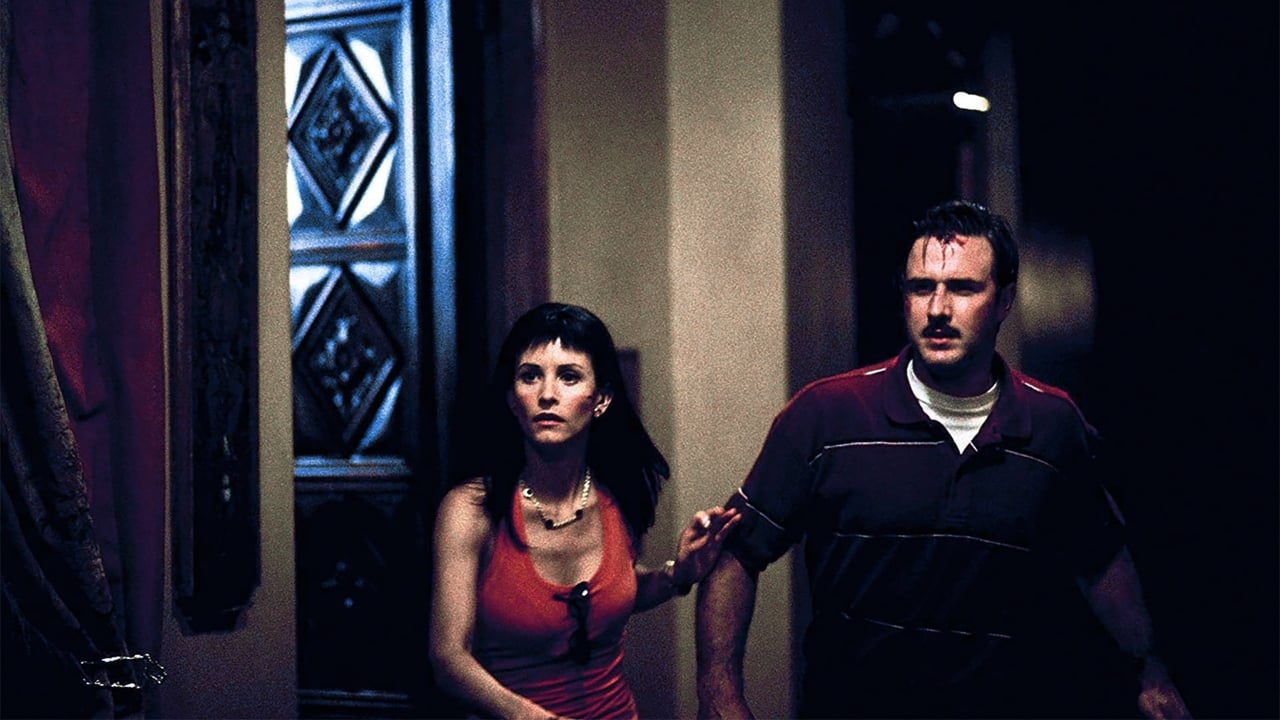
Relocating the terror to Hollywood was a gamble. On one hand, it allows director Wes Craven (the maestro behind all the original Scream films, ensuring a level of visual consistency) and new-to-the-series writer Ehren Kruger to lean heavily into satire. The sets of "Stab 3" become literal killing floors, populated by actors playing versions of Sidney, Gale, and Dewey, blurring the lines between reality and grisly fiction. Parker Posey, as Jennifer Jolie (the actress playing Gale Weathers), absolutely walks away with the film, her pitch-perfect blend of neurotic vanity and surprising resilience providing many of the most memorable moments. Her interactions with the real Gale, played with ever-reliable tenacity by Courteney Cox, are pure gold. This Hollywood setting allows for sharp digs at trilogy clichés, studio politics, and the often absurd nature of filmmaking itself. Remember the fax machine kill? A moment both ludicrous and weirdly specific to its era.
Echoes in the Soundstage
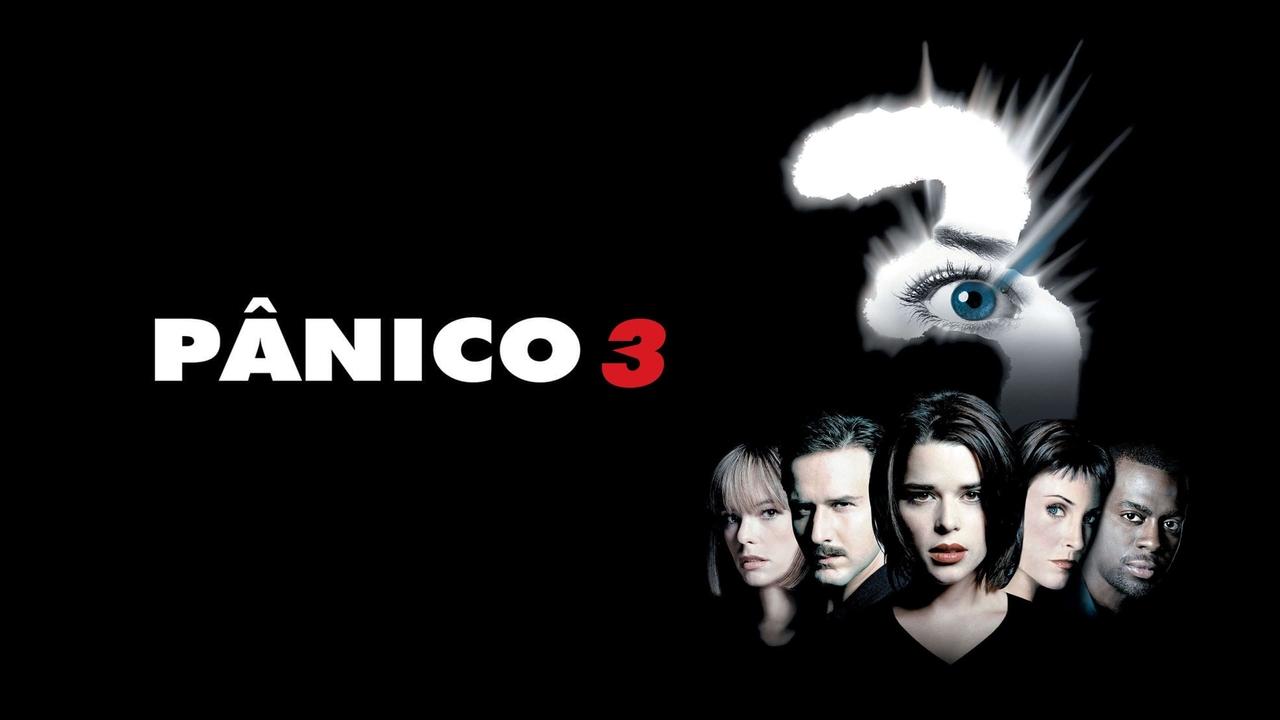
Yet, something vital feels diluted amidst the Hollywood hustle. Neve Campbell's Sidney Prescott, the resilient heart of the franchise, is largely sidelined. Holed up in self-imposed isolation, working remotely as a crisis counselor, her presence feels more reactive than proactive. Behind the scenes, Campbell's limited availability due to scheduling conflicts necessitated this reduced role, and while she delivers her usual grounded performance when present, her absence leaves a noticeable vacuum at the film's core. The weight falls more heavily on David Arquette's Dewey Riley and Courteney Cox's Gale Weathers (whose real-life marriage at the time adds another layer to their on-screen dynamic). They carry the investigative thread, navigating the increasingly dangerous film set alongside Patrick Dempsey's Detective Kincaid.
A Softer Scream?
There's no denying Scream 3 feels less visceral than its predecessors. The shadow of the Columbine High School massacre loomed large over Hollywood productions in late 1999/early 2000, leading to studio mandates for less graphic violence and a lighter tone across the board. This shift is palpable here. While Ghostface still stalks and slashes, the kills often feel more theatrical, less impactful. The intricate, nail-biting suspense sequences that defined the first two films are fewer and farther between. Ehren Kruger, stepping in for Kevin Williamson (who provided the initial story outline), reportedly penned the script under tight deadlines and, according to rumour, without even knowing the killer's identity himself until receiving the final pages – a peculiar approach for a whodunit. The resulting screenplay leans more into comedy and convoluted plot mechanics, particularly concerning Sidney's mother, Maureen Prescott, and a backstory reveal that feels somewhat tacked-on compared to the elegantly simple motives of Billy and Stu or the vengeful Mrs. Loomis. Doesn't that final unmasking feel a bit out of left field, even now?
Trilogy Troubles
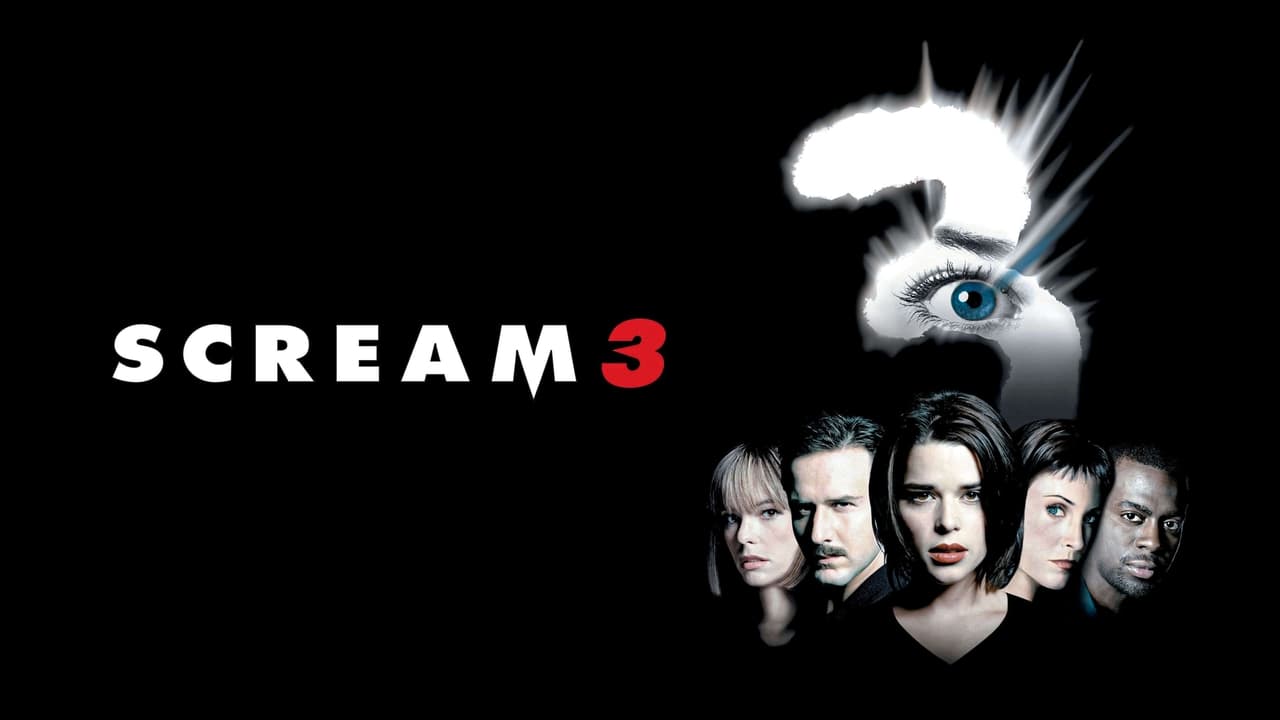
As a concluding chapter (or so we thought at the time), Scream 3 grapples with the inherent difficulty of wrapping up a popular trilogy. It attempts to bring closure to Sidney's trauma by linking the new Ghostface directly to her past in an unexpected way. The infamous voice-changing device, allowing the killer to mimic anyone, adds a layer of technological paranoia but also sometimes diffuses the tension – who is actually on the line? While Craven’s direction ensures a certain baseline of competence and a few effective set pieces (like the sequence on the replicated Woodsboro house set), the film struggles to recapture the raw terror and sharp, culturally resonant commentary of the original. It’s entertaining, certainly, and boasts that killer Parker Posey performance, but the edge feels dulled. Despite the tonal shift and mixed fan reaction to its reveals, the film was a financial success, pulling in over $161 million worldwide against its $40 million budget, proving the franchise still had considerable pull.
Final Cut
Scream 3 occupies a strange space in the franchise. It's undeniably a Scream movie, carrying the DNA of its predecessors with its returning cast, meta-humor, and Wes Craven's steady hand. Yet, the shift in writers, the enforced toning down of violence, and the slightly contrived Hollywood setting make it feel like the less intense, sometimes sillier cousin. The satire is often sharp, and Parker Posey is magnificent, but the central mystery and the ultimate reveal lack the punch of the earlier films. It functions as a time capsule of early 2000s Hollywood anxiety and the pressures of concluding a beloved series under external scrutiny. It might not have been the terrifying crescendo some hoped for, but popping that well-worn tape in still offers a unique blend of laughs, familiar faces, and a Ghostface mystery, even if this particular mask hides a slightly less frightening face.
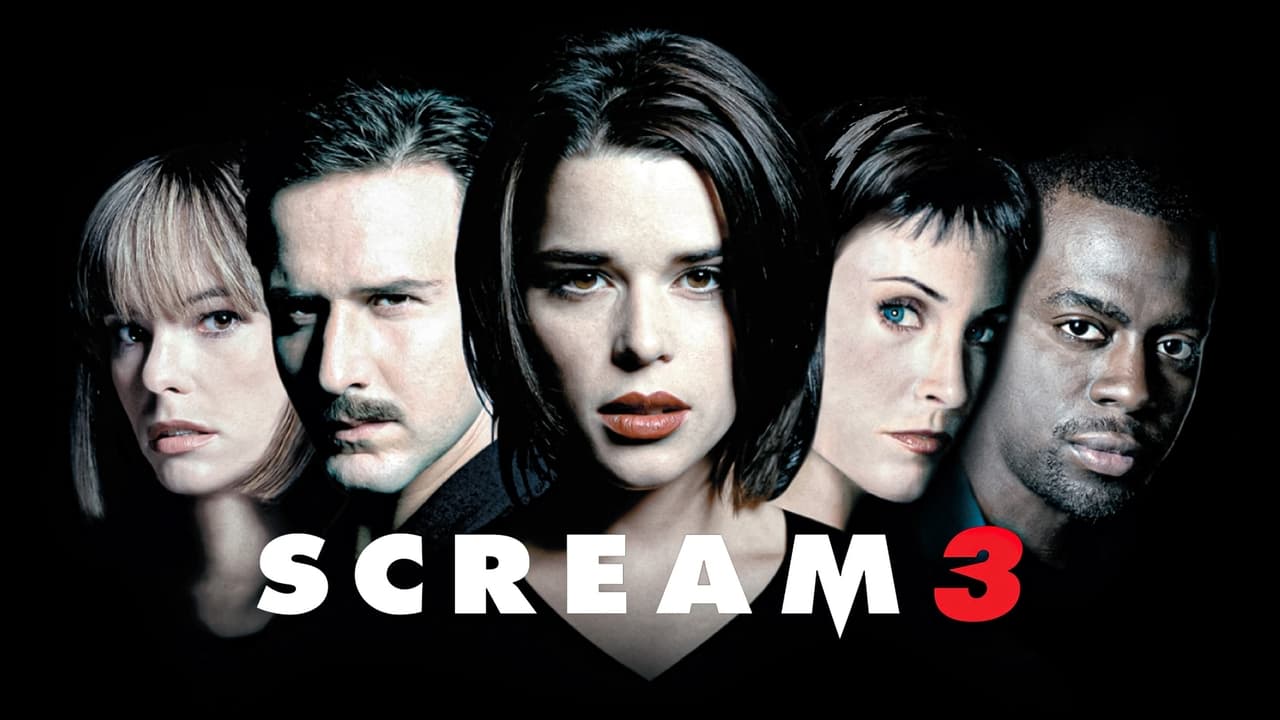
Rating: 6/10
Justification: The rating reflects the film's entertaining qualities, particularly Parker Posey's performance and the Hollywood satire, alongside Craven's competent direction. However, it's docked points for the noticeably reduced intensity and gore, a less compelling central mystery and killer reveal compared to Scream and Scream 2, and the way Sidney Prescott feels somewhat sidelined. It’s a decent slasher sequel, but a step down from the series' high points.
Final Thought: While perhaps the black sheep of the original trilogy, Scream 3 remains a fascinating artifact – a glimpse into the franchise grappling with its own success, Hollywood politics, and real-world tragedies, all under the bright, unforgiving lights of Tinseltown.