There’s a certain quality of light in Robert Redford's The Legend of Bagger Vance (2000), a honeyed, almost dreamlike glow that settles over the golf courses of Depression-era Savannah, Georgia. It’s a film that arrived just as the new millennium dawned, yet felt steeped in something older – a yearning for simpler narratives, perhaps, or for the kind of gentle fable that seems increasingly rare. Watching it again now, maybe on a worn tape pulled from the back shelf, it feels less like a sports movie and more like a quiet meditation wrapped in the guise of one. It landed perhaps a touch late for the peak VHS boom, but its sensibility often feels right at home alongside the earnest dramas and character studies that filled rental shelves in the preceding years.

Finding the Field
The story centers on Rannulph Junuh (Matt Damon), a local golden boy and golf prodigy shattered by his experiences in World War I. He returns to Savannah a haunted man, drowning his trauma in drink and isolation, his once-promising future seemingly lost. Damon, then riding high from successes like Good Will Hunting (1997) and Saving Private Ryan (1998), portrays Junuh's brokenness with a palpable weight. It’s not just sadness; it's a deep disconnection from himself and the world he once knew. The catalyst for change arrives with an exhibition match designed to save a struggling local golf resort, spearheaded by Junuh’s former flame, the resilient Adele Invergordon (Charlize Theron). Facing legendary real-life golfers Bobby Jones and Walter Hagen, Junuh needs more than just skill; he needs to find his "authentic swing" again, that elusive connection to his true self.
The Mysterious Caddy
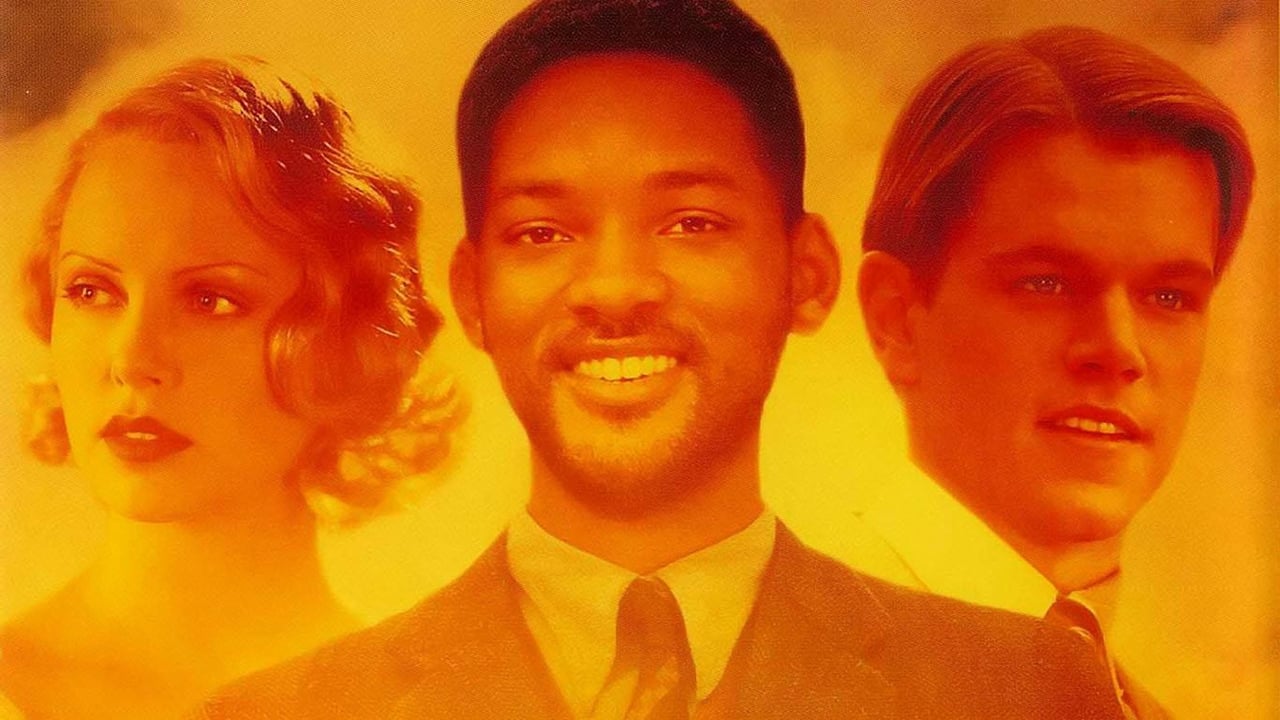
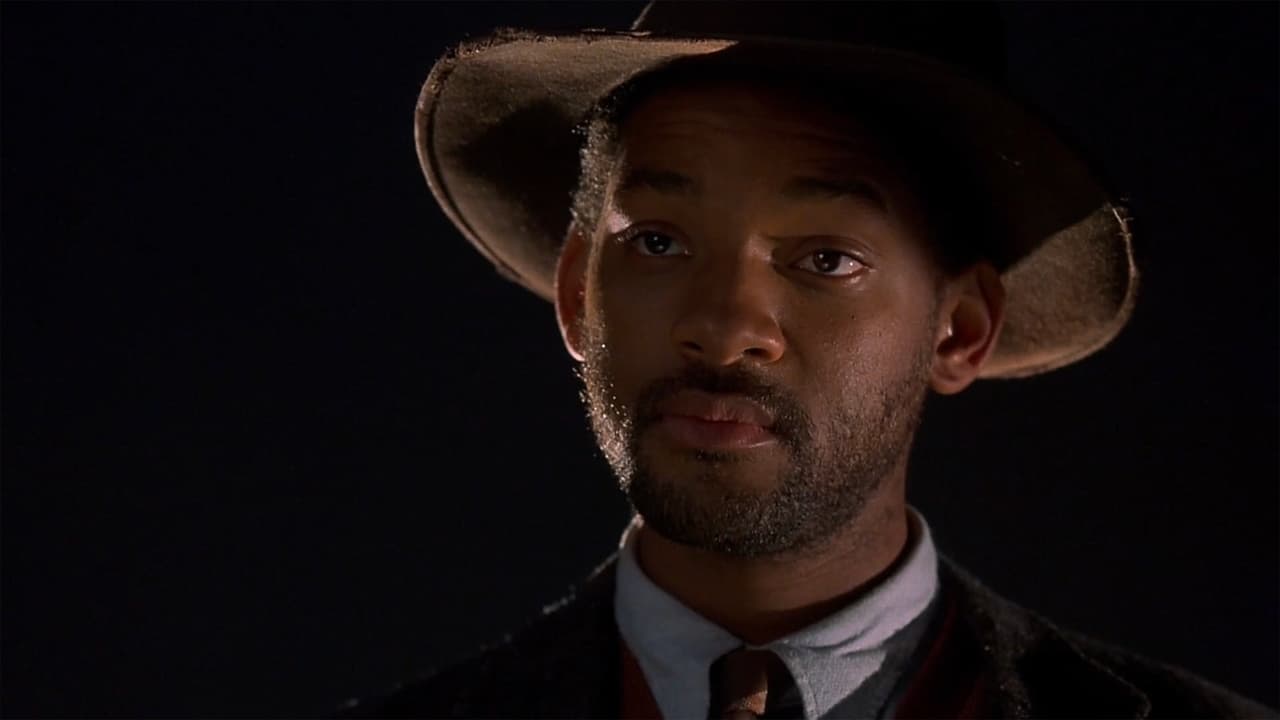
Into this setup steps the titular Bagger Vance, played by Will Smith with an easy charm and an enigmatic smile. Vance appears seemingly out of nowhere, offering his services as Junuh’s caddy for the sum of five dollars. But who is Bagger Vance? A guardian angel? A folk hero? A manifestation of Junuh's own subconscious wrestling its way back to the light? The film, much like Steven Pressfield's novel upon which it's based (itself inspired by the Hindu scripture, the Bhagavad Gita), wisely leaves this ambiguous. Smith, already a global superstar thanks to blockbusters like Independence Day (1996), dials back the swagger here, opting for a quiet intensity and knowing calm. His Vance is less about technique and more about philosophy, guiding Junuh not just through the hazards of the course, but through the landscape of his own soul. It’s a performance that relies heavily on presence, and Smith delivers a magnetism that makes Vance feel both grounded and ethereal.
Crafted with Care, Received with Ambivalence
Robert Redford, no stranger to crafting thoughtful character pieces (Ordinary People, Quiz Show), directs with a painterly eye. The visuals, courtesy of legendary cinematographer Michael Ballhaus (Goodfellas, Bram Stoker's Dracula), are undeniably gorgeous, capturing the beauty of the coastal South Carolina and Georgia locations (including Jekyll Island and Kiawah Island) with loving detail. Rachel Portman's score adds another layer of warmth and gentle melancholy. Every frame feels meticulously composed, aiming for a classic Hollywood feel. This dedication to craft, however, came at a price. With a budget reportedly around $80 million – a hefty sum for a period drama in 2000 – the film struggled to recoup its costs, earning only about $60 million worldwide.
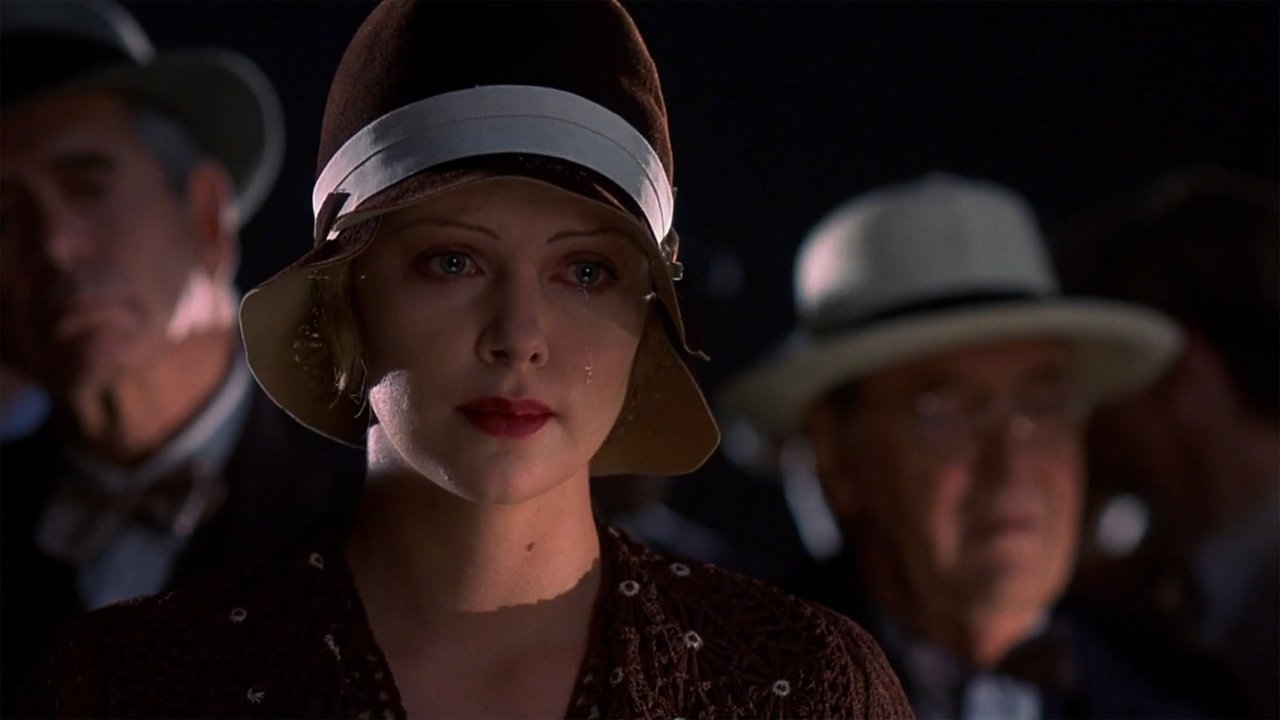
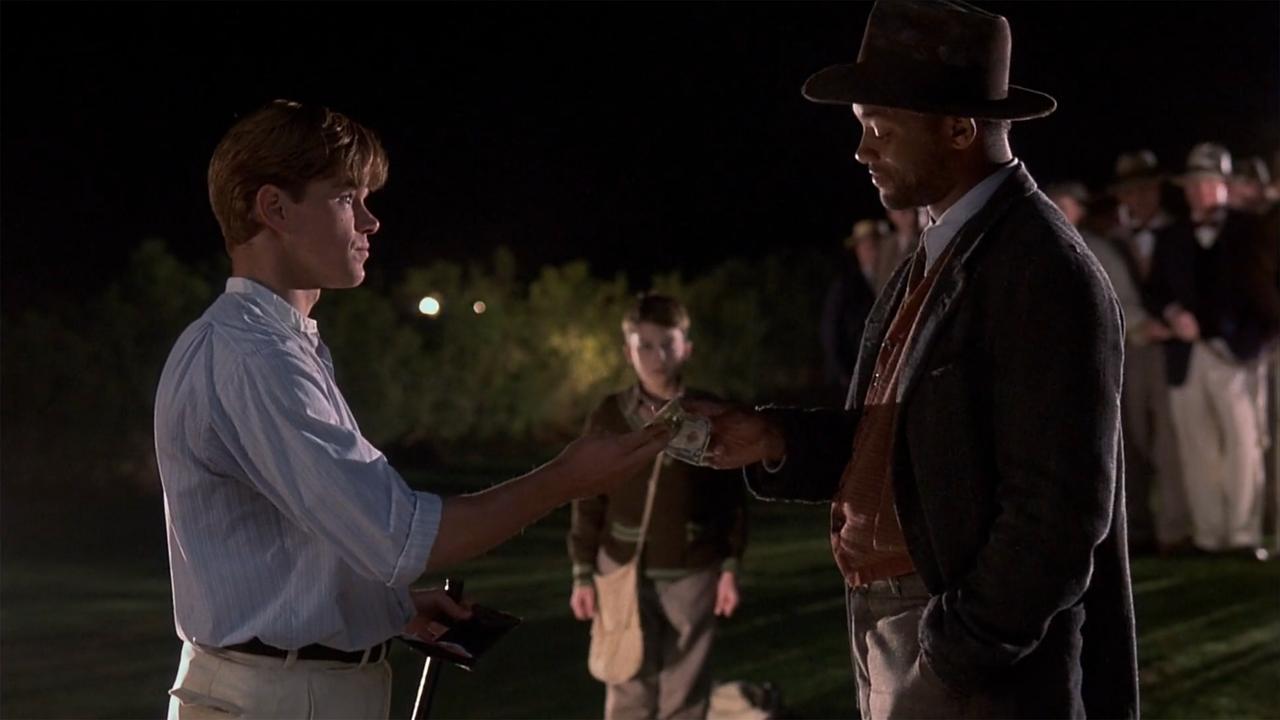
Perhaps its deliberate pacing and philosophical leanings felt out of sync with audience tastes at the time. Critics were divided; some praised its beauty and performances, while others found the central metaphor a bit too on-the-nose or the story too slow-moving. It even features the final, uncredited film role of the legendary Jack Lemmon as the elderly narrator, adding another touch of poignant, old-Hollywood grace to the proceedings. His warm, familiar voice bookends the story, lending it the feel of a remembered tale.
More Than Just a Game
Does the central metaphor – finding your one true, authentic swing – land perfectly? For some, it might feel overly simplistic, a neat bow on complex issues like PTSD and existential doubt. Yet, there's an undeniable sincerity to the film's heart. It suggests that redemption isn't about erasing the past, but integrating it, finding a way to play the hand you're dealt with grace and focus. The interactions between Damon's tightly wound Junuh and Smith's serene Vance form the core of the film, a gentle exploration of mentorship and finding inner peace amidst external pressure. Charlize Theron, too, brings a necessary strength and poise to Adele, ensuring she’s more than just a romantic interest, but a determined woman fighting for her legacy.
Watching The Legend of Bagger Vance today evokes a particular kind of nostalgia – not just for its early 2000s release, but for its earnest, almost quaint belief in the power of quiet guidance and inner rediscovery. It’s a film that asks you to slow down, to appreciate the atmosphere, the performances, and the simple, if perhaps idealized, notion that we all have a perfect swing waiting to be found within us. It’s like finding that one slightly dusty VHS tape you forgot you owned – maybe not the most action-packed or groundbreaking title on the shelf, but one that offers a certain comfort, a warm glow that lingers long after the credits roll.
Rating: 7/10
Justification: While the pacing can be leisurely and the central metaphor occasionally feels a touch too neat, The Legend of Bagger Vance is elevated by its stunning visuals, heartfelt performances from Damon, Smith, and Theron, and Robert Redford’s assured, gentle direction. It successfully creates a unique, almost mystical atmosphere. Its sincerity and warmth make it a rewarding, if contemplative, watch, capturing a specific feeling of nostalgic yearning, even upon its initial release. It’s a film whose beauty and quiet wisdom might resonate more deeply now than they did caught in the rush of the new millennium.
Final Thought: In a world that often feels like it’s moving too fast, perhaps there’s still something to be learned from Bagger Vance’s gentle advice: just find the field, take your stance, and feel the swing.