There's a certain kind of quiet that settles after some films, isn't there? Not the silence of boredom, but the hush of processing something strange and affecting. Watching Hideaki Anno's Ritual (known in Japan as Shiki-Jitsu, 2000) leaves you in precisely that space. It’s a film that doesn't shout its intentions, but whispers them through desolate industrial landscapes and the fractured routines of its characters, burrowing under your skin in a way few films manage. It arrived right at the turn of the millennium, perhaps a bit late for the core VHS era for some, but carrying an experimental spirit and a raw, almost proto-digital aesthetic that feels like a fascinating bridge.

Tomorrow is Always the Same
We're dropped into the life, or perhaps the performance, of an unnamed young woman (Ayako Fujitani) living in Ube, Japan – Anno's own industrial hometown. She claims every day is her birthday, retreating into repetitive, self-designed rituals to cope with a reality she finds unbearable. Her path crosses with a struggling filmmaker, simply called "The Director" (Shunji Iwai), who becomes fascinated by her deliberately constructed existence. He starts filming her, initially as an observer, but inevitably gets drawn into her world, blurring the lines between documentation, participation, and perhaps something deeper. The plot is less a driving force and more a framework for exploring profound isolation and the search for connection in a world that often feels alienating.
A World Through a Digital Lens
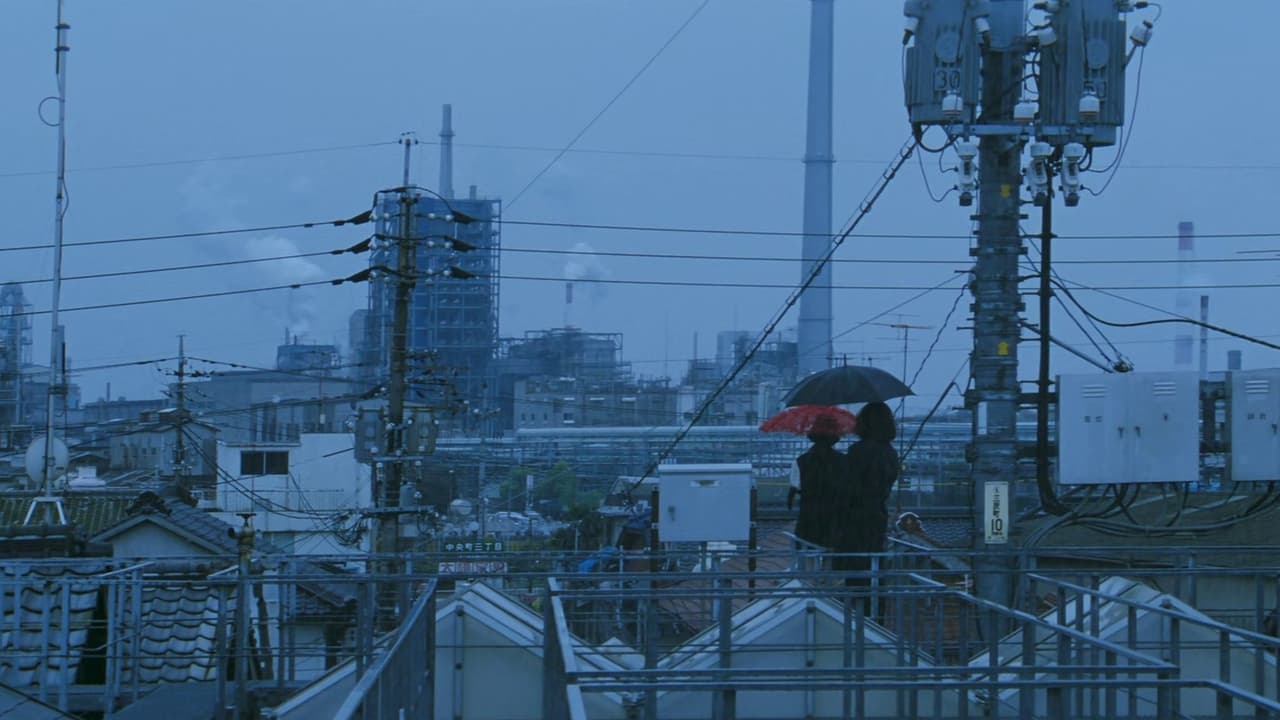
Coming off the psychic intensity of Neon Genesis Evangelion (1995-96) and its staggering cinematic conclusion The End of Evangelion (1997), Hideaki Anno’s shift to this intimate, live-action piece feels both unexpected and strangely logical. The anxieties about communication, identity, and the struggle to connect remain, but the canvas is starkly different. Much of Ritual was famously shot by Anno himself using consumer-grade MiniDV cameras. This choice, far from being a mere technical footnote, shapes the entire film. It lends an unsettling intimacy, a raw immediacy that feels like found footage from someone’s troubled psyche. Yet, paradoxically, the slightly pixelated, lo-fi quality also creates a distance, reminding us we're watching something mediated, constructed – much like the young woman's own life. The industrial sprawl of Ube, with its power lines, factories, and concrete structures, isn't just a backdrop; it's an extension of the characters' internal states – functional, repetitive, yet hinting at complex systems hidden beneath the surface.
It's fascinating trivia that this deeply personal project, exploring themes far removed from fantastical animation, was produced under Studio Ghibli's experimental live-action banner, Studio Kajino, spearheaded by producer Toshio Suzuki. It speaks volumes about Anno's artistic standing and the willingness of Ghibli, known for My Neighbor Totoro (1988) and Princess Mononoke (1997), to support such a challenging vision.
Echoes in Performance
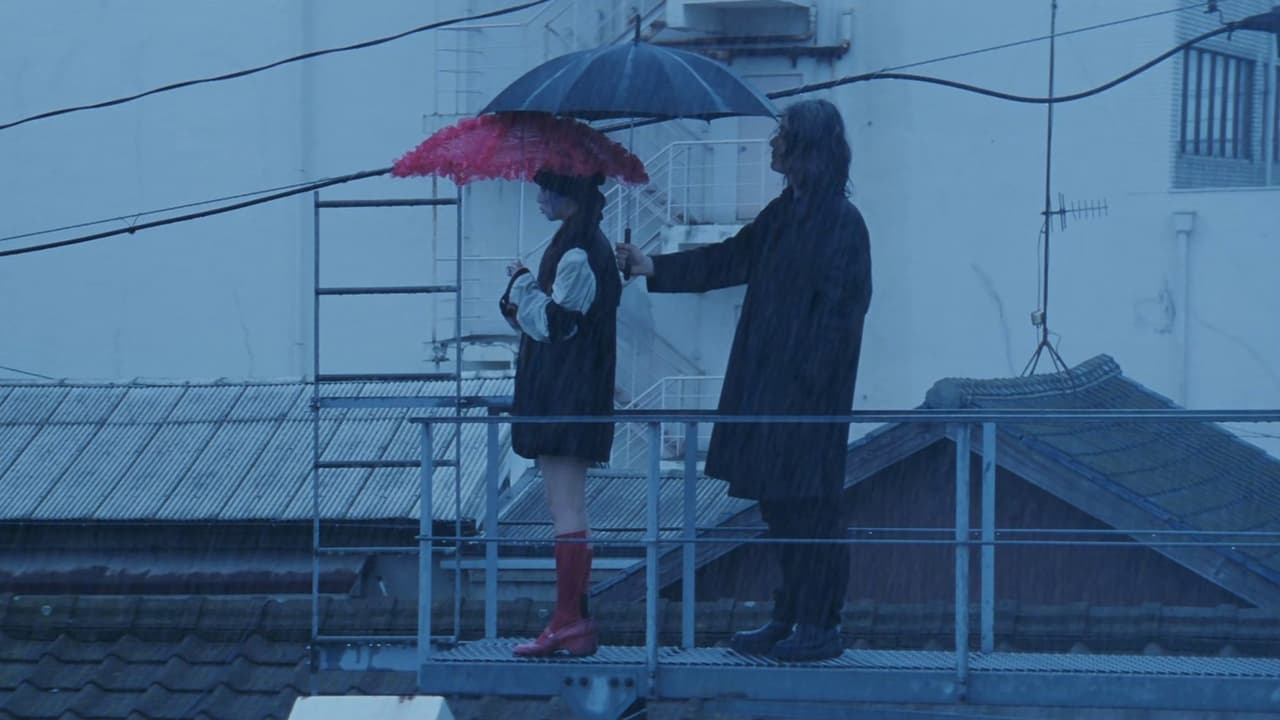
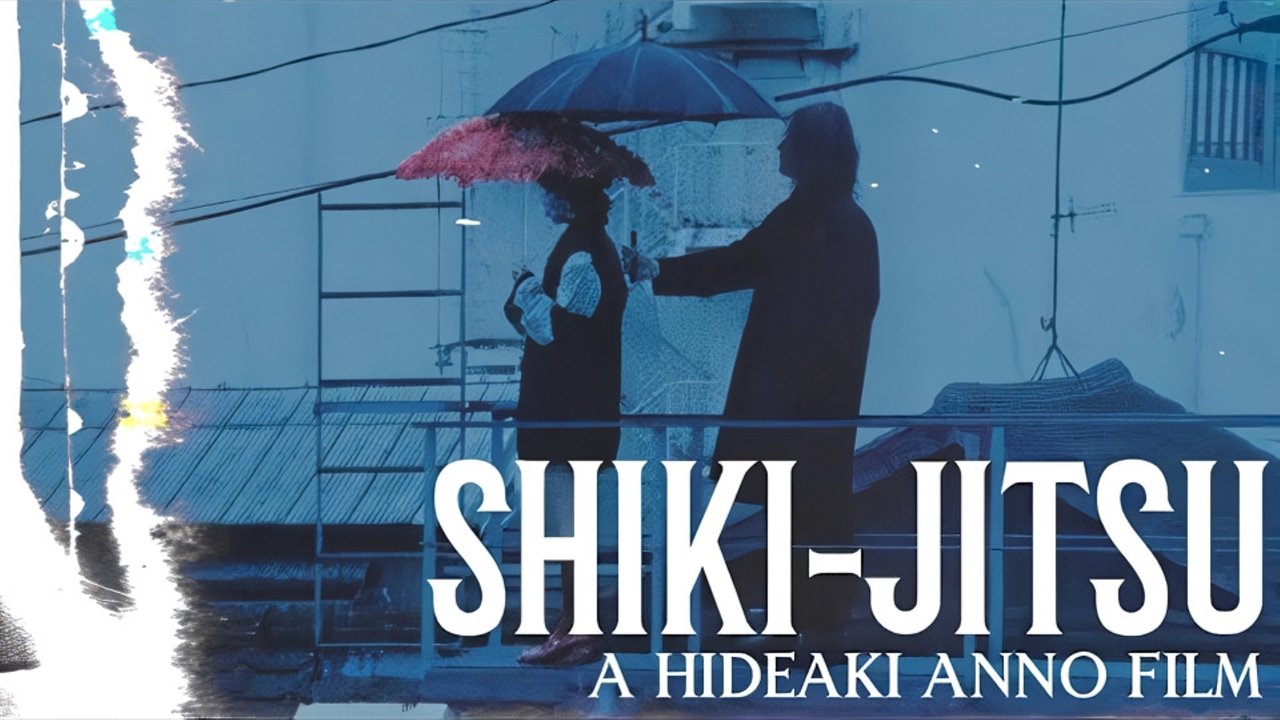
The film rests heavily on its two central performances. Ayako Fujitani (daughter of Steven Seagal, interestingly enough) is mesmerizing. What's truly compelling is that she co-wrote the screenplay with Anno, adapting it from her own novella, Touhimu (Escapism). This layer adds an incredible depth to her portrayal; you feel the character's invented reality isn't just being acted, but drawn from a source of genuine creative exploration. Is she mentally ill? Is she performing trauma? Or is she an artist crafting her own existence? Fujitani navigates these ambiguities with a compelling blend of vulnerability and detached strangeness.
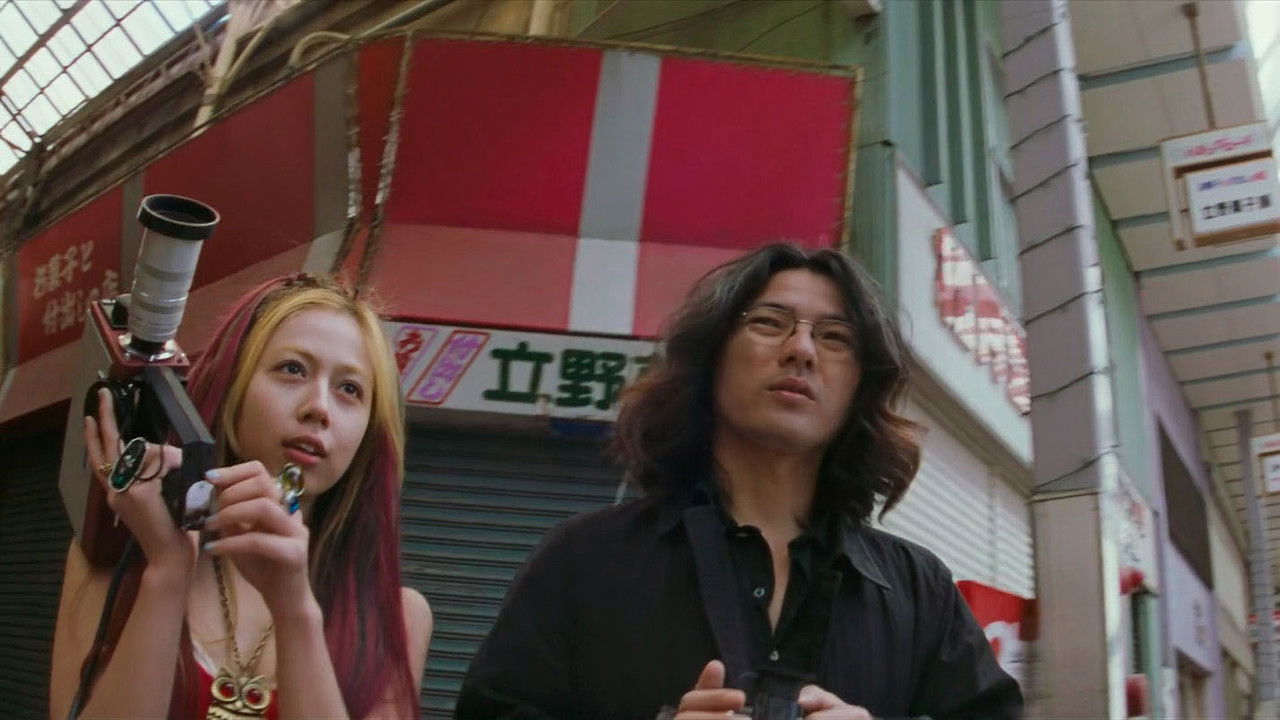
Opposite her, Shunji Iwai, primarily celebrated as a director himself (Love Letter (1995), All About Lily Chou-Chou (2001)), brings a quiet, observant presence. The meta-textual layer of a renowned director playing a director filming a subject adds another wrinkle to the film's exploration of reality versus representation. His character is our surrogate, trying to make sense of the ritualistic world he’s entered. Does his camera capture truth, or does its presence shape it? The chemistry between them is unconventional, built not on overt romance but on a shared sense of being adrift.
The Ritual of Watching
Ritual isn't a film that offers easy answers. It demands patience and engagement. Its fragmented narrative and repetitive structure mirror the protagonist's life, potentially testing some viewers. Yet, for those willing to sink into its unique rhythm, the rewards are considerable. It poses profound questions about how we cope with pain, the stories we tell ourselves to survive, and whether genuine connection is possible when everyone is, to some extent, playing a role. What does it mean to truly 'see' another person when their defenses are so elaborately constructed? Doesn't the act of observing inevitably change the observed?
The film picked up the Artistic Contribution award at the Tokyo International Film Festival upon its release, a nod to its distinct visual and thematic identity. It wasn't a blockbuster, naturally, but its impact lingers for those who encountered it, perhaps on a later DVD release after tracking down more of Anno's work. It feels like a necessary exhalation for the director after the Evangelion phenomenon – a way to explore similar themes on a human scale, trading giant robots for the equally complex mechanics of the human heart.
Rating: 8/10
Ritual earns this score for its brave artistic vision, its haunting atmosphere, and the deeply resonant performances, particularly from Fujitani. Anno's distinctive use of MiniDV wasn't just a gimmick but integral to the film's texture and meaning. It’s a challenging, sometimes opaque film that won’t resonate with everyone – its deliberate pace and lack of conventional narrative drive are part of its DNA. However, its unflinching look at isolation, coping mechanisms, and the porous border between reality and performance is powerfully rendered and stays with you long after the screen goes dark.
It's a film that makes you ponder the rituals in your own life – the routines and narratives we construct, consciously or not, to navigate the world. What performance are we putting on today?