Okay, let's rewind the tape slightly past our usual comfort zone. While "VHS Heaven" typically basks in the neon glow of the 80s and the flannel-clad angst of the 90s, sometimes a film arrives just as the credits roll on an era, carrying echoes of what came before. Alain Corneau's Le Prince du Pacifique (released internationally as The Prince of the Pacific in 2000) feels like one such movie – a picture landing right on the cusp of the millennium, perhaps finding its way onto rental shelves alongside the fading giants of the VHS age, offering a distinctly European flavour of adventure. It didn't quite fit the mold of the blockbusters dominating the multiplexes then, possessing a kind of classical adventure spirit mixed with a Gallic sensibility. Did it capture that old magic, or did it feel like a ship arriving slightly after the tide turned?
### An Unexpected War in Paradise
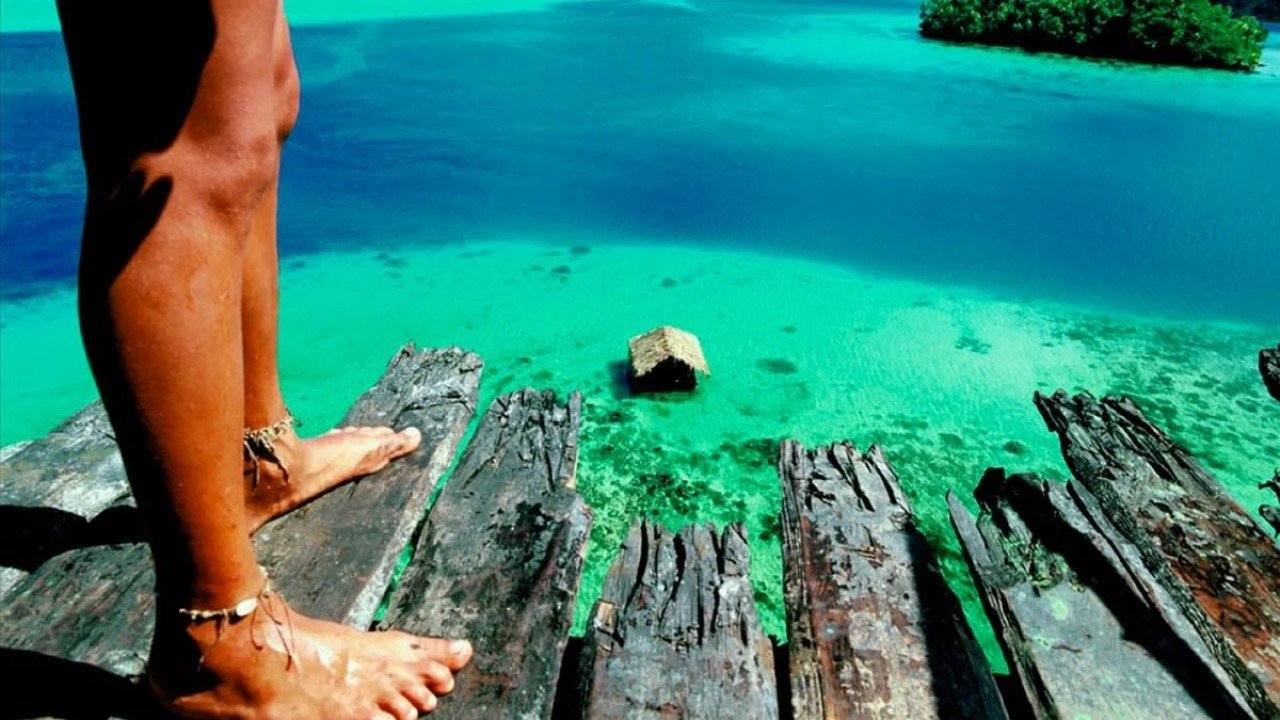
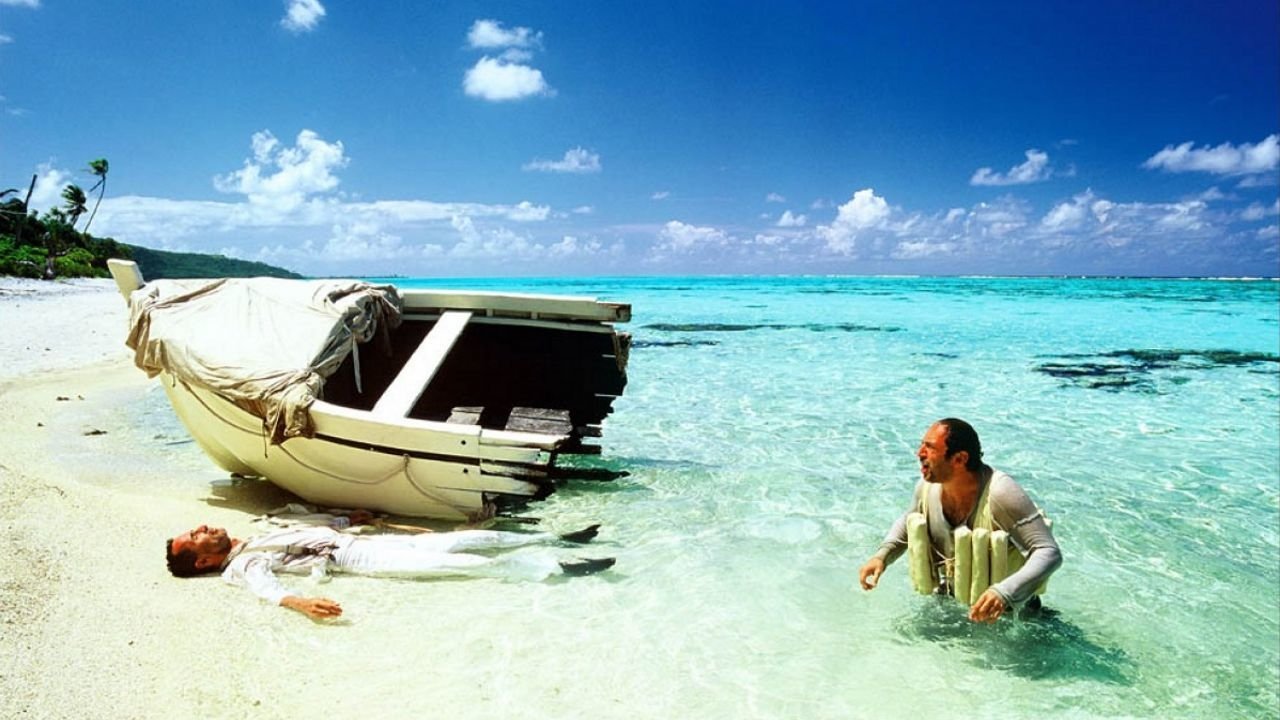
The premise itself is intriguing: we're dropped onto a remote Polynesian island paradise, seemingly untouched by time, during the throes of World War I. Captain Alfred de Morsac (Thierry Lhermitte), a somewhat stiff, by-the-book French officer, arrives with his motley crew (including the ever-watchable Patrick Timsit as Barnabé) to scout for potential German activity. What they find instead is a complex local dynamic, colonial tensions simmering beneath the surface, and the enigmatic Barnabé discovering he bears an uncanny resemblance to the island's late, revered prince, leading to a case of mistaken identity with potentially dangerous consequences. Add Moeata (Marie Trintignant), a local woman navigating the precarious line between tradition and the encroaching outside world, and the stage is set for a story that blends wartime intrigue with cultural collision and a touch of adventure-comedy.
### Gallic Charm Meets Tropical Climes
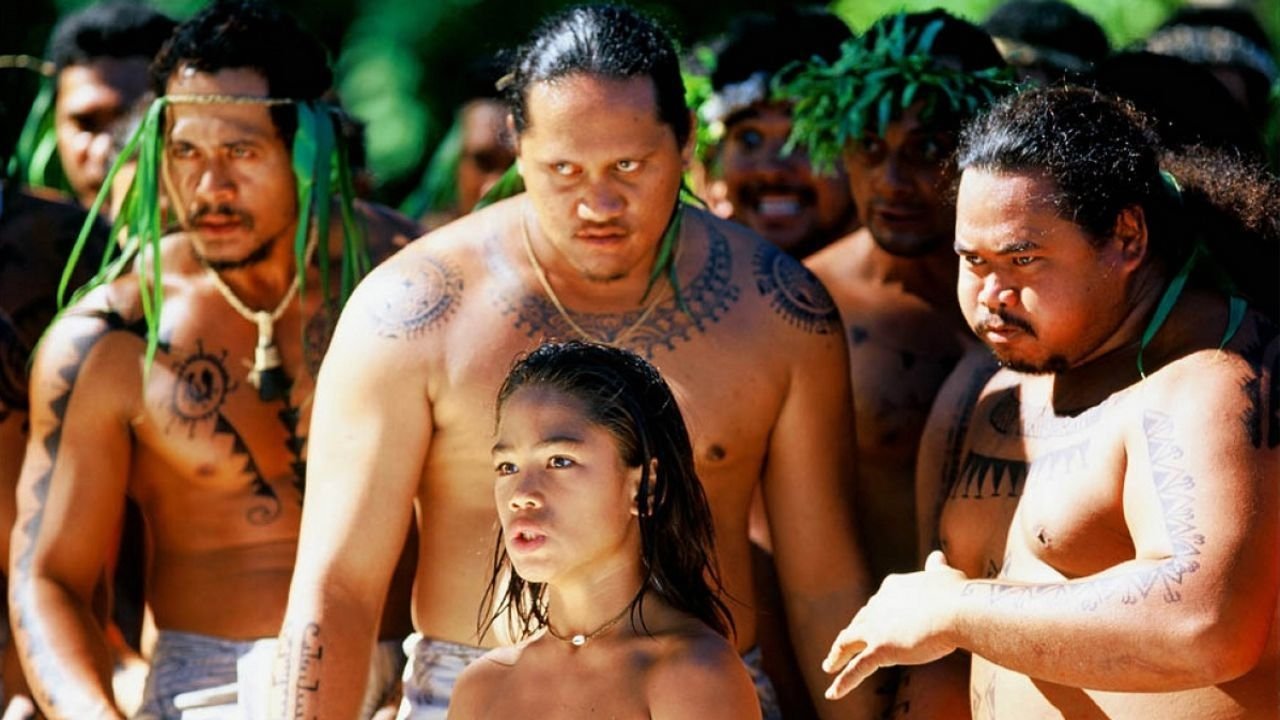
What strikes you watching The Prince of the Pacific now is its deliberate pacing and its focus on character interaction over relentless action. This isn't Indiana Jones or Romancing the Stone; it’s more leisurely, allowing the lush Tahitian scenery (the film was shot on location on the stunning island of Huahine) to breathe and the cultural misunderstandings to unfold with a certain charm. Thierry Lhermitte, a giant of French comedy perhaps best known internationally for Le Dîner de Cons (1998) (or The Dinner Game), plays Morsac with a wonderful sense of uptight propriety slowly dissolving under the island heat and the absurdity of the situation. He’s the perfect foil to Patrick Timsit’s Barnabé, whose transformation from lowly sailor to ersatz royalty provides the film's comedic engine. Timsit handles the dual role aspect with aplomb, capturing both the bewilderment and the eventual embrace of his unexpected status.
The late Marie Trintignant, daughter of the legendary Jean-Louis Trintignant and a formidable talent in her own right, brings a quiet dignity and intelligence to Moeata. Her performance is crucial, grounding the film and preventing the "mistaken identity" plot from tipping entirely into farce. She embodies the complexities of the island's situation, caught between her own people's beliefs and the clumsy interventions of the Europeans. It's a performance layered with nuance, hinting at the deeper cultural currents the film touches upon.
### Echoes of Adventure Past
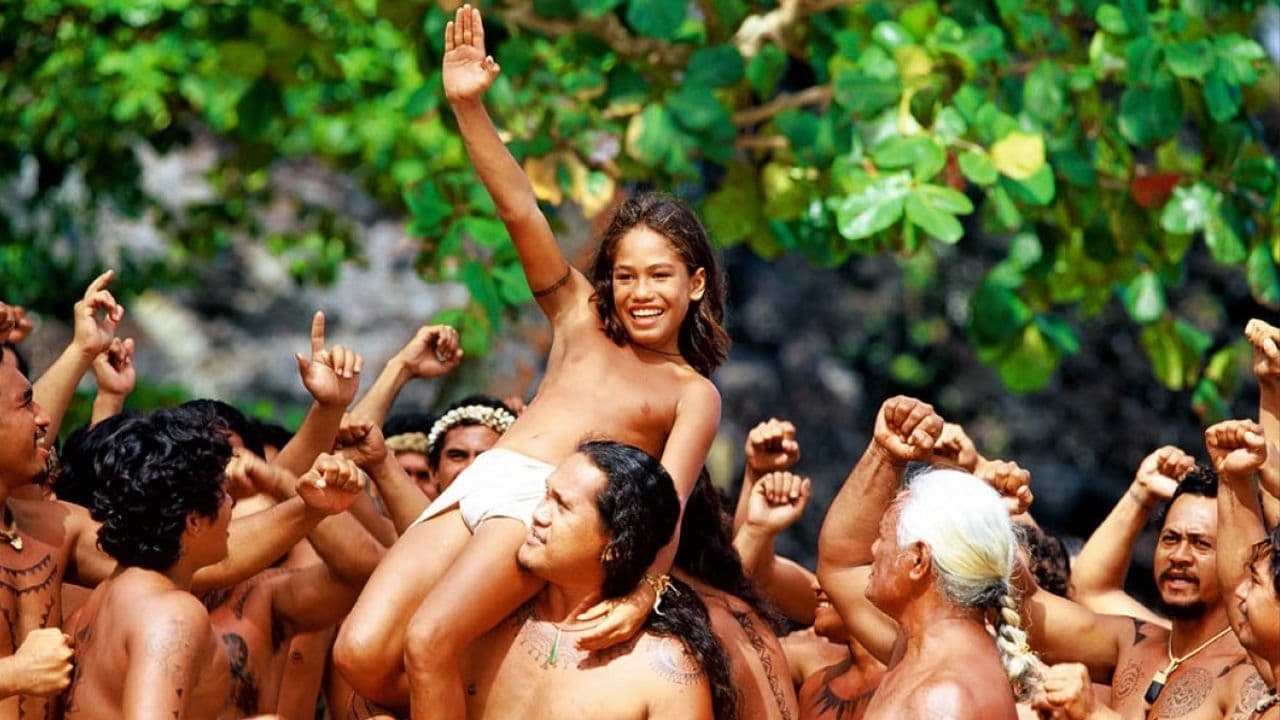
Director Alain Corneau, known for grittier fare like Série noire (1979) and the acclaimed historical drama Tous les Matins du Monde (1991), might seem an unusual choice for this material. Yet, he brings a visual richness to the proceedings. The cinematography captures the beauty of Polynesia without merely resorting to postcard imagery; there's a sense of place, a tangible atmosphere. Corneau seems less interested in high-octane thrills and more in the human comedy and drama arising from the collision of cultures. The film cost a reported 135 million French Francs (around €20.6 million) – a significant sum for a French production at the time – much of which is visible in the authentic locations, period detail, and scale. While it performed decently in France, it didn't make major waves internationally, perhaps suffering from being neither a full-blooded action film nor a straightforward comedy, occupying a space somewhere in between.
One wonders, watching it today, if its slightly gentler rhythm and focus on character-driven humour felt slightly out of step with the increasingly effects-laden blockbusters of 2000. Yet, there's an undeniable charm here. It feels reminiscent of some of the lighter French adventure films from earlier decades, the kind you might have stumbled upon in the foreign film section of a well-stocked video store – a pleasant discovery offering a different pace and perspective. Think perhaps of Philippe de Broca's work (That Man from Rio, L'Africain), though Corneau's film carries a slightly more serious undertone beneath the comedy, touching on colonialism and the disruptions of war.
### The Verdict from the Lagoon
The Prince of the Pacific isn't a lost masterpiece, nor is it likely to top anyone's list of essential turn-of-the-millennium viewing. It meanders at times, and the blend of tones – wartime setting, mistaken identity farce, cultural commentary – doesn't always perfectly coalesce. Yet, there's a warmth to it, largely thanks to the engaging performances, particularly from the central trio, and the undeniable beauty of its setting captured so well by Corneau. It feels like a throwback, a film made with a certain old-fashioned sensibility about adventure storytelling.
For those of us browsing the virtual shelves of "VHS Heaven," it represents that interesting cusp period – the tail end of the analogue era, where films like this still found a physical media release, offering something different from the Hollywood mainstream. It’s the kind of film you might have rented on a whim, drawn by the cover art depicting tropical shores and familiar French faces, and found yourself pleasantly surprised by its gentle humour and scenic escape.
Rating: 6/10
Justification: The film scores points for its strong lead performances, beautiful location cinematography, and unique blend of French humour with a historical adventure backdrop. However, its pacing can be uneven, and the tonal mix doesn't always land perfectly, keeping it from reaching greater heights. It's a pleasant, well-crafted film that offers charm and a different flavour but lacks the truly memorable spark of a classic.
Final Thought: It remains a curious and often charming footnote from the year 2000 – a reminder that even as one era of film distribution faded, interesting stories from around the globe were still finding their way to our screens, offering a gentle Pacific breeze against the gathering digital storm.