Rain-slicked Los Angeles streets mirror the cold gleam of steel under flickering neon. A shadow sits behind the wheel, face impassive, hands steady. Few words are ever spoken, but the squeal of tires against wet asphalt screams volumes. This isn't just another getaway; it's a ritual, executed with near-supernatural precision. Welcome to the stark, existential world of Walter Hill's 1978 neo-noir masterpiece, The Driver. If you stumbled upon this gem late one night on a grainy VHS tape, you know the particular kind of quiet cool and palpable tension it exudes – a feeling that lingers long after the static hiss returns.

A City of Ghosts
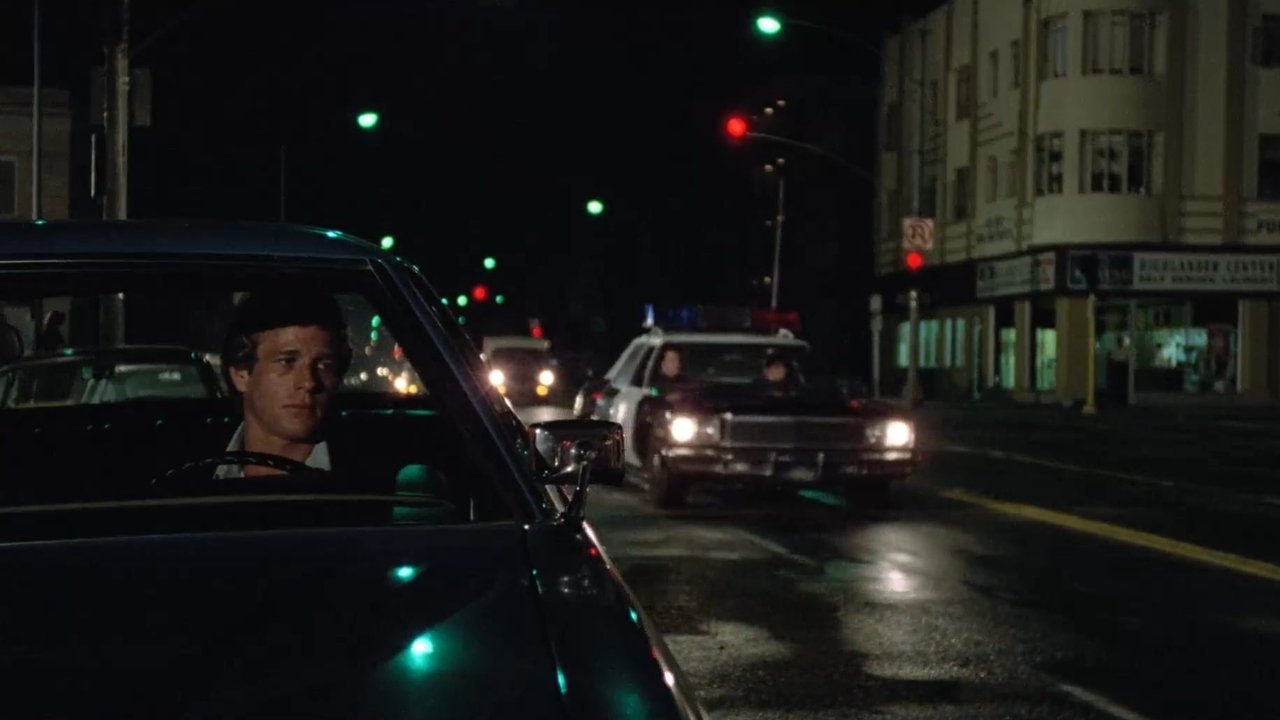
Forget complex backstories or tearful motivations. The Driver operates on archetypes, stripped bare like the chassis of a stolen car. We have The Driver (Ryan O'Neal), a virtuoso wheelman whose only identity is his skill. His pursuer is The Detective (Bruce Dern), a vain, obsessive cop willing to bend every rule to trap his elusive prey. Caught between them is The Player (Isabelle Adjani), a mysterious gambler who becomes an unreliable witness, perhaps the only person who truly sees The Driver. None have names; they are defined solely by their function in this nocturnal dance of hunter and hunted. It's a bold choice by writer-director Walter Hill (The Warriors, 48 Hrs.), one that alienated some critics upon release but cemented the film's cult status. Hill, heavily influenced by French filmmakers like Jean-Pierre Melville (particularly Le Samouraï), aimed for an abstract, almost mythological feel, and the lack of names forces us to focus on action, reaction, and the unspoken codes governing this underworld.
The Poetry of Motion
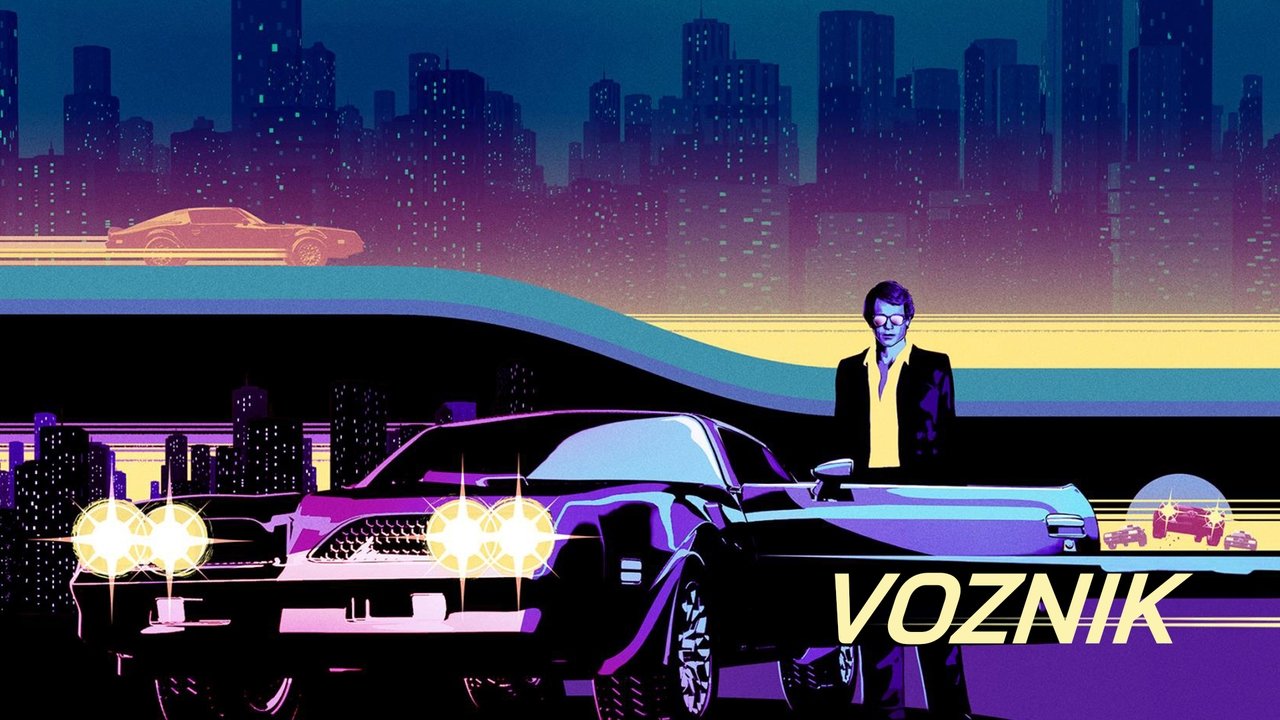
Let's be blunt: the car chases in The Driver are legendary, and rightfully so. This isn't the CGI-laden spectacle of modern blockbusters; this is pure, visceral, practical stunt work that feels terrifyingly real. Hill insisted on minimizing process shots and rear projection, putting the audience right there in the passenger seat. The opening sequence, a masterclass in escalating tension as The Driver evades police after a casino heist, sets the bar impossibly high. Remember the sequence in the parking garage, where The Driver systematically dismantles a pursuing Mercedes-Benz 280 S piece by piece with his bright orange Pontiac Firebird Trans Am, all to demonstrate his skills to potential clients? It’s less a chase, more a brutal ballet of destruction. Hill reportedly gave the stunt drivers a simple instruction for that scene: "Just wreck the car." The sheer audacity and mechanical violence remain stunning. These sequences weren't just thrilling; they were meticulously choreographed pieces of automotive storytelling, revealing character through action, not dialogue. The film reportedly cost around $4 million – a decent sum in '78 – much of which clearly ended up on screen in the form of burning rubber and twisted metal, though its initial $11 million box office didn't exactly set the world alight, paving the way for its eventual rediscovery on home video.
Faces in the Undercurrent
While the action provides the adrenaline, the film’s unique atmosphere hinges on its performances. Ryan O'Neal, perhaps better known for more romantic fare like Love Story, might seem an odd choice. Walter Hill originally envisioned Steve McQueen, the king of automotive cool, but O'Neal brings a different energy – a blank, almost zen-like calmness that masks incredible focus. His Driver is less a person, more an enigma, a force of nature behind the wheel. It's a performance built on stillness and economy, letting the driving do the talking.
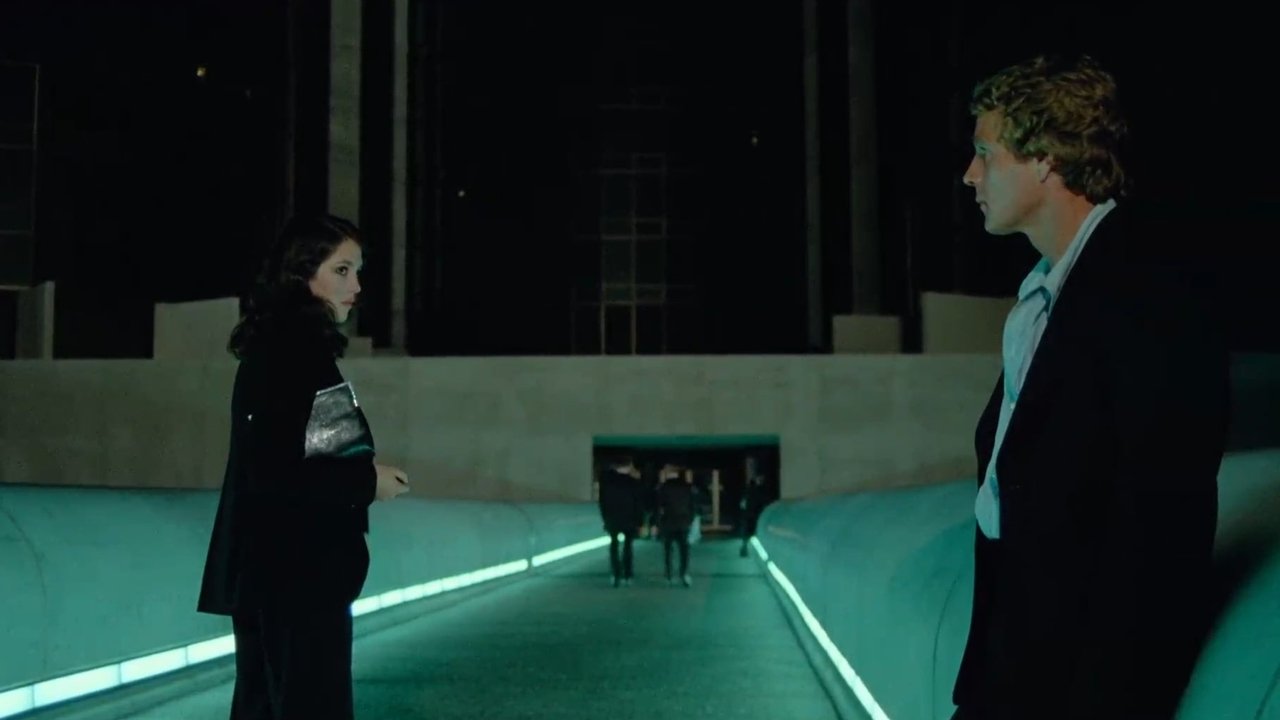
Contrast this with Bruce Dern's magnificent turn as The Detective. Twitchy, arrogant, and radiating barely suppressed frustration, Dern chews the scenery, but in a way that perfectly captures the character's desperate obsession. His escalating war of nerves with The Driver fuels the film's psychological tension. And then there's Isabelle Adjani, luminous and detached as The Player. Her role is deliberately ambiguous, her motivations unclear. There were whispers that Adjani, relatively new to English-language films, struggled with some dialogue, leading Hill to trim her lines even further – a move that ultimately enhanced her character's ethereal mystery. These three figures, locked in their high-stakes game, give the film its cold, beating heart.
Legacy on Worn Tape
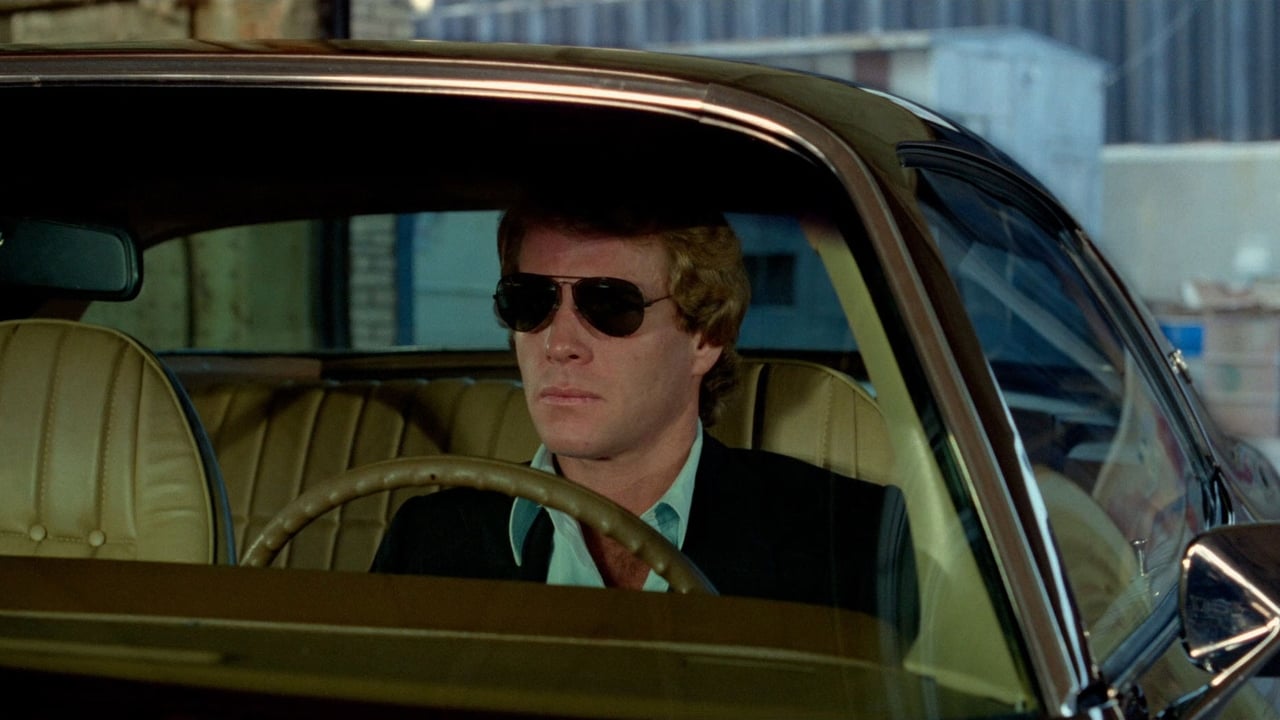
The Driver wasn't a smash hit upon release. Its minimalist approach, sparse dialogue, and lack of conventional character arcs were challenging for mainstream audiences. Yet, like so many films venerated here at VHS Heaven, time and home video were incredibly kind to it. Its influence is undeniable, echoing in the DNA of films like Nicolas Winding Refn's Drive (which feels almost like a spiritual remake) and even video games like the Driver series (a direct homage). It perfected a certain kind of stoic, existential cool, proving that sometimes, less truly is more. Finding this tape felt like uncovering a secret handshake among cinephiles – a shared appreciation for its artistry, its tension, and its unforgettable automotive mayhem. Doesn't that final, almost wordless confrontation still feel perfectly judged?
VHS Heaven Rating: 9/10
The score reflects the film's near-perfect execution of its singular vision. It's a masterclass in minimalist storytelling, atmospheric tension, and breathtaking practical action sequences. While its deliberate coldness and lack of character exposition might not connect with everyone, for fans of stylish neo-noir, existential cool, and arguably some of the best car chases ever committed to film, The Driver is essential viewing. It remains a benchmark of stripped-down, high-octane filmmaking – a true cult classic that earns its legendary status every time the engine roars to life.