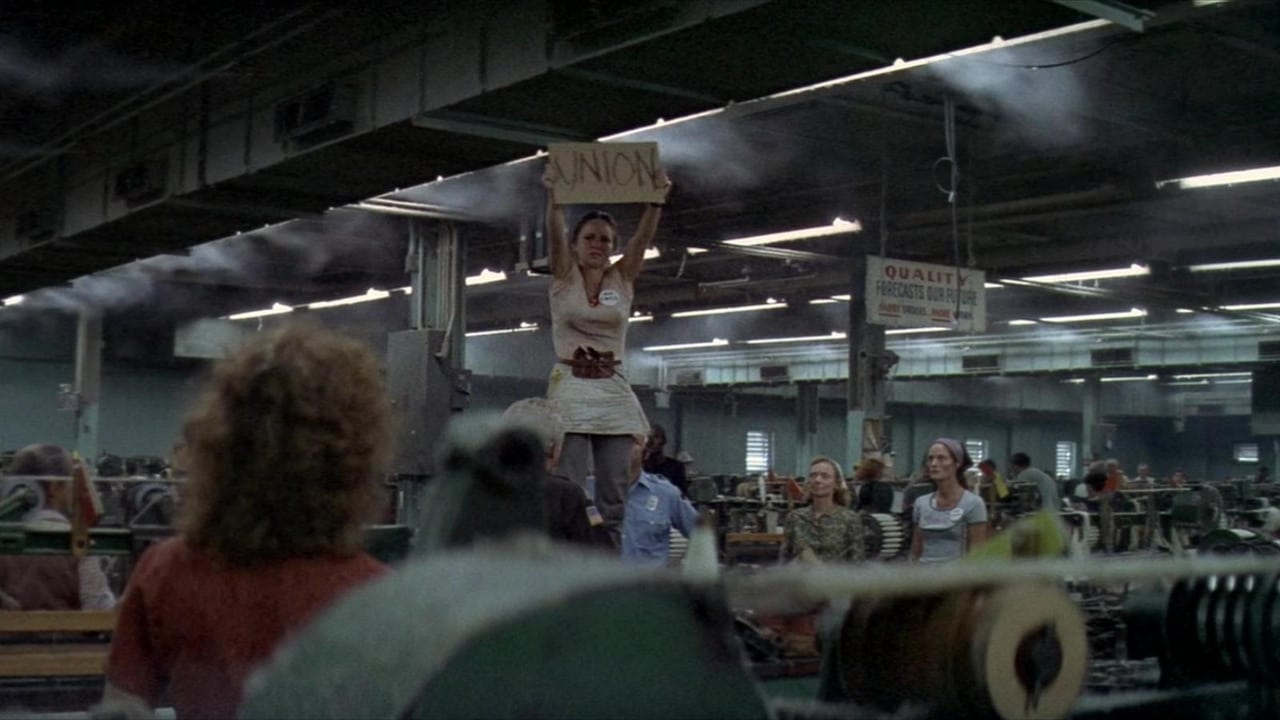
It wasn't flashy. It didn't explode onto the screen with laser blasts or synth-pop anthems that dominated so many of the tapes lining the shelves at my local video store back in the day. No, Norma Rae (1979) arrived with a different kind of noise – the deafening, relentless clamor of textile mill machinery, a sound that burrowed into your bones and spoke volumes about the lives lived under its oppressive rhythm. Renting this one, often nestled between creature features and action romps, felt like choosing something solid, something real. And revisiting it now, the film’s raw power feels undiminished, perhaps even sharpened by time.
The Grind and the Grit
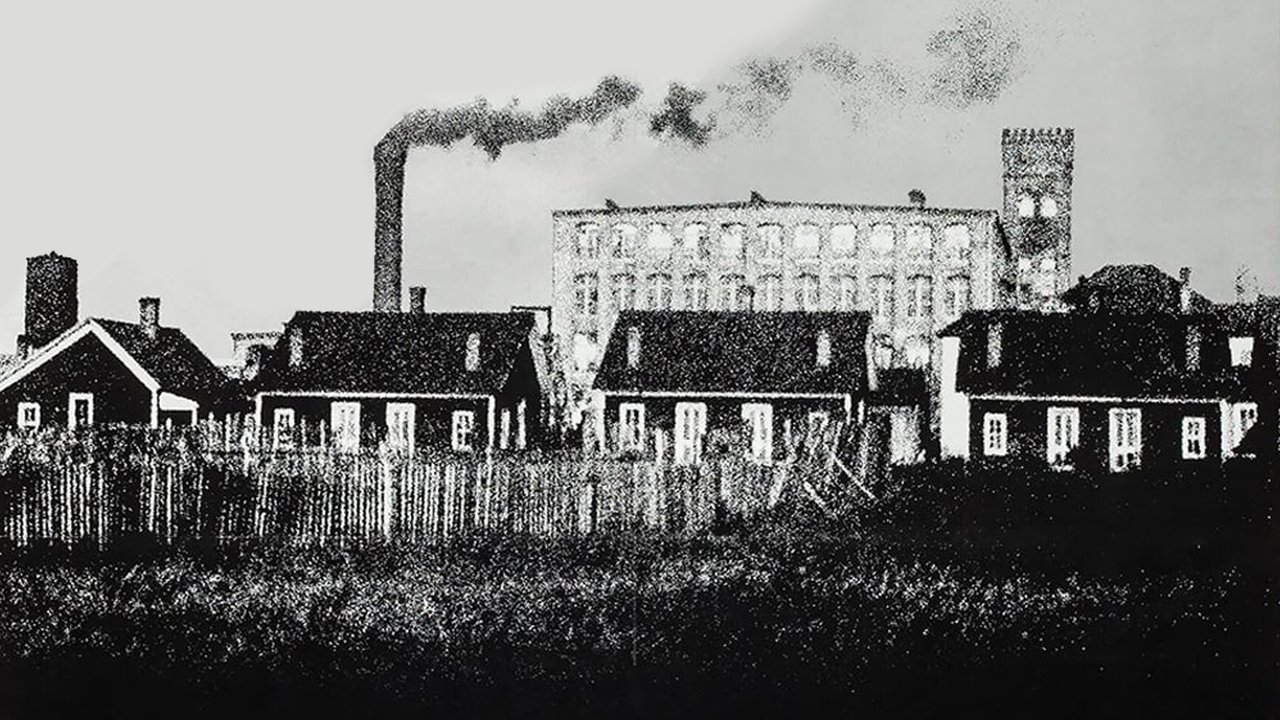
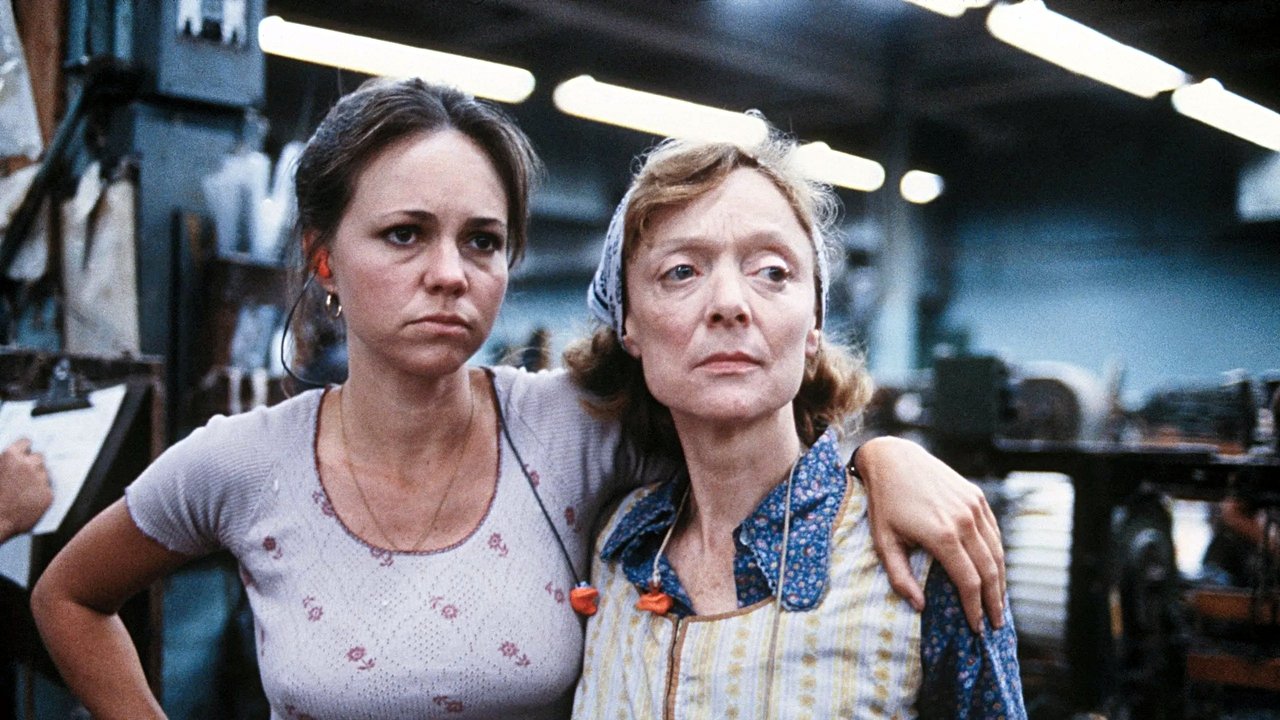
Director Martin Ritt, a filmmaker unafraid to tackle social issues head-on (think Hud or Sounder), plunges us directly into the heat, lint, and exhaustion of the O.P. Henley Textile Mill in North Carolina (though filmed authentically on location in Opelika, Alabama). There’s no Hollywood gloss here. The work is depicted as brutally monotonous, dangerous, and soul-crushing. We meet Norma Rae Webster, played with astonishing ferocity and vulnerability by Sally Field, not as a plaster saint of the working class, but as a woman making do. She’s outspoken, maybe a little reckless, juggling single motherhood and the grinding poverty that defines her community. She’s flawed, relatable, and simmering with an unrealized potential for something more.
A Spark Ignites
The catalyst arrives in the form of Reuben Warshowsky (Ron Leibman), a sharp, determined union organizer from New York. He’s an outsider, immediately clashing with the ingrained culture of the company town and the weary skepticism of the workers, including Norma Rae initially. Their dynamic is the film’s engine – a fascinating push-and-pull between his methodical idealism and her instinctive fire. Leibman is pitch-perfect as Reuben, bringing an intellectual energy that contrasts sharply with the mill's environment, yet revealing his own weariness and the immense challenge of his task. Their relationship isn't romantic, but it’s deeply intimate, built on mutual respect and a shared sense of righteous anger. It’s a partnership forged in the fight for basic dignity.
The Power of Performance
Let's talk about Sally Field. This was the role that shattered any lingering perceptions of her as merely Gidget or The Flying Nun. It earned her the first of her two Best Actress Oscars, and watching it again, you see precisely why. Field becomes Norma Rae. She embodies her contradictions – the defiant spirit warring with exhaustion, the fierce love for her children tangled with frustration, the gradual awakening of her own power. It's a performance devoid of vanity. Field reportedly spent time immersing herself in the mill environment, absorbing the rhythms and realities of the women she portrayed, and that dedication shines through in every frame. It wasn't just a career transformation; it felt like witnessing an actor finding their true voice, much like the character she played.
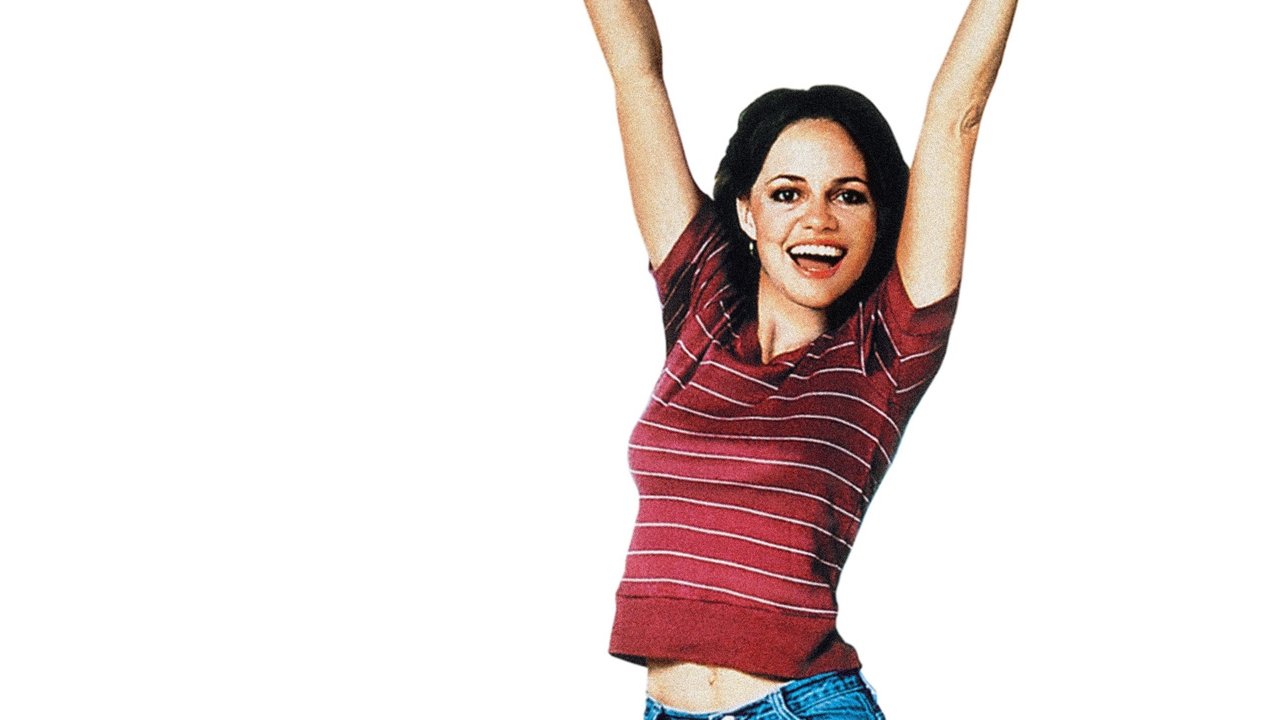
Interestingly, Field wasn't the studio's first choice. Names like Jane Fonda, Faye Dunaway, and Jill Clayburgh were reportedly considered, making Field's ultimate casting and subsequent triumph even more resonant. She fought for this role, and that fighting spirit mirrors Norma Rae's journey on screen. Supporting her are Beau Bridges as Sonny, Norma Rae’s decent but conventional husband who struggles to understand her growing activism, adding another layer of personal cost to her fight, and Pat Hingle as the girls' father, representing the ingrained patriarchal attitudes Norma Rae also has to contend with.
Standing Tall: Authenticity and Legacy
The film’s power stems significantly from its basis in truth, inspired by the real-life story of Crystal Lee Sutton, a textile worker who became a union organizer in the early 70s. Martin Ritt’s commitment to realism is palpable. Filming in actual, operational textile mills presented immense challenges – the noise was so intense that much of the dialogue reportedly had to be looped in post-production. Yet, this very environment lends an undeniable authenticity. Ritt often populated scenes with actual mill workers as extras, adding another layer of lived-in reality.
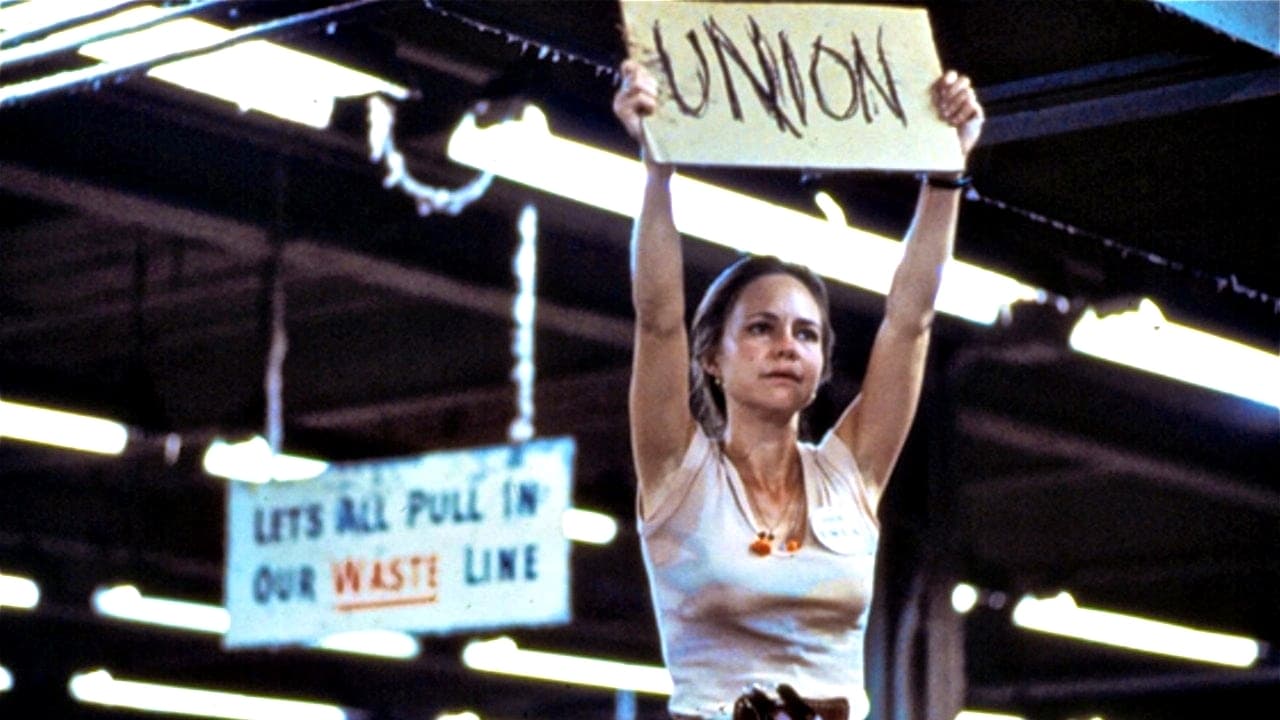
The film's most iconic moment – Norma Rae, standing silently on her worktable holding aloft a hand-scrawled "UNION" sign as her co-workers slowly, deliberately shut down their machines in solidarity – remains one of cinema's most potent images of defiance and collective action. It’s a scene built not on soaring music (though the Oscar-winning song "It Goes Like It Goes" provides a poignant backdrop elsewhere), but on quiet courage and shared understanding. It's a testament to the power of a single voice sparking a movement. Made for a modest budget of around $4.5 million, Norma Rae became a critical and commercial success, grossing over $22 million and proving that audiences were hungry for stories with substance.
Why It Still Matters
Watching Norma Rae today, perhaps on a format far clearer than the worn VHS tape I first saw it on, its themes resonate with surprising force. The struggle for fair wages, safe working conditions, and the simple right to be treated with dignity – are these battles truly confined to the past? The film asks us to consider the cost of speaking out, the pressures faced by those who challenge the status quo, and the quiet heroism found in everyday people pushed to their limit. It's a profoundly moving portrait of finding one's voice and the courage it takes to use it, even when it means standing alone, if only for a moment. Doesn't that kind of courage always feel relevant?
Rating: 9/10
This score reflects the film's exceptional, Oscar-winning lead performance, its unwavering commitment to authenticity, Martin Ritt's masterful direction, and its enduring thematic power. It’s a near-perfect blend of character study and social drama, grounded in reality but soaring with emotional impact. The slightly dated aesthetic only enhances its gritty realism, making it feel less like a movie and more like a window onto a specific time and struggle.
Norma Rae isn't just a film; it's a testament. It reminds us that history is often shaped not by grand pronouncements, but by the accumulated courage of ordinary individuals finally saying, "Enough." It leaves you pondering the quiet strength it takes to simply stand up.