It starts, as so much did for Chauncey Gardiner, with the television. For years, his world was contained within its flickering glow, a curated reality beamed directly into the secluded Washington D.C. townhouse where he tended the garden. When his elderly benefactor dies, Chauncey, equipped only with the simple pronouncements he’s gleaned from television and gardening, is thrust out into a world utterly unprepared for his brand of profound emptiness. Watching Being There again, decades after first sliding that tape into the VCR, feels less like revisiting a film and more like consulting an unnervingly relevant oracle.
A Blank Canvas for a Worried World
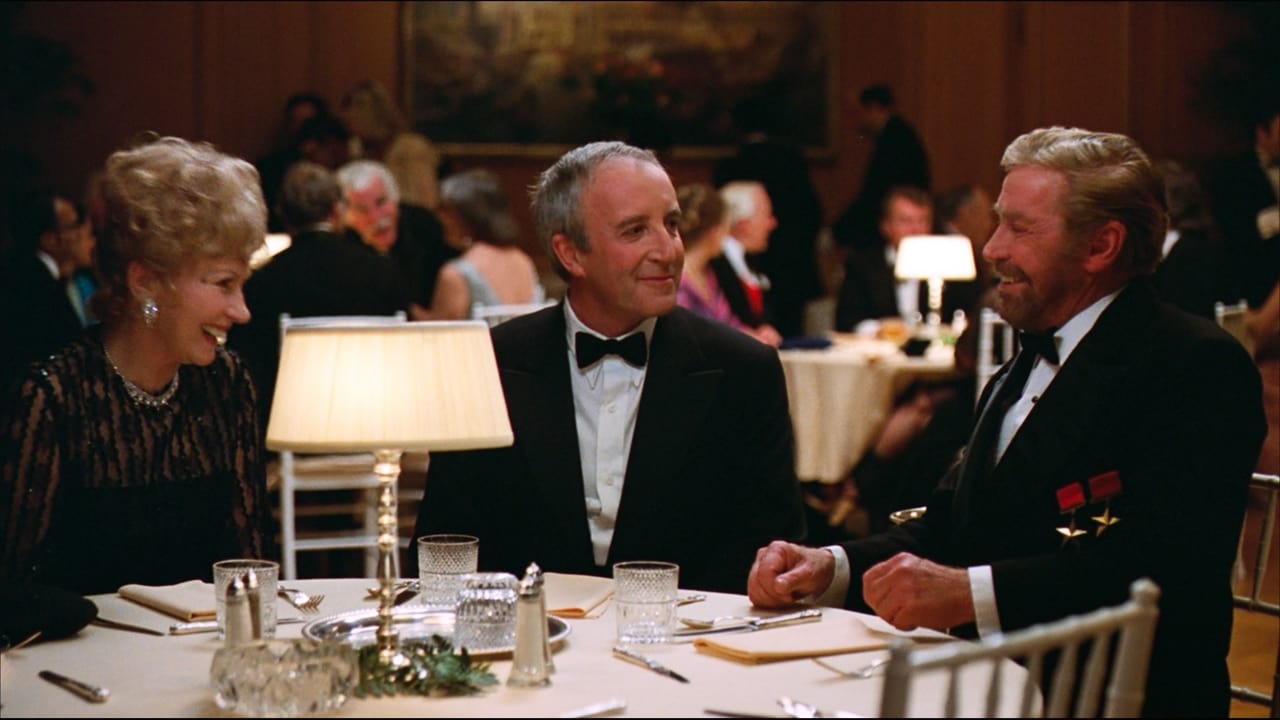
The premise, adapted from Jerzy Kosinski's sharp, allegorical novel (with Kosinski co-writing the screenplay alongside the talented Robert C. Jones, known for his work on other Hal Ashby films like Shampoo), is deceptively simple. Through a literal accident, Chance (mistakenly introduced as "Chauncey Gardiner") falls into the orbit of the dying industrialist Ben Rand (Melvyn Douglas) and his younger wife, Eve (Shirley MacLaine). In the rarefied air of power brokers and political elites, Chauncey’s plain-spoken observations about gardening – "In the garden, growth has its season" or "First comes spring and summer, but then we have fall and winter" – are mistaken for deep economic and political metaphors. He becomes an accidental sage, his placid blankness a mirror reflecting the desires, fears, and assumptions of everyone he meets. It's a satire so dry it crackles, yet so gentle it feels almost like a fable.
The Stillness of Sellers
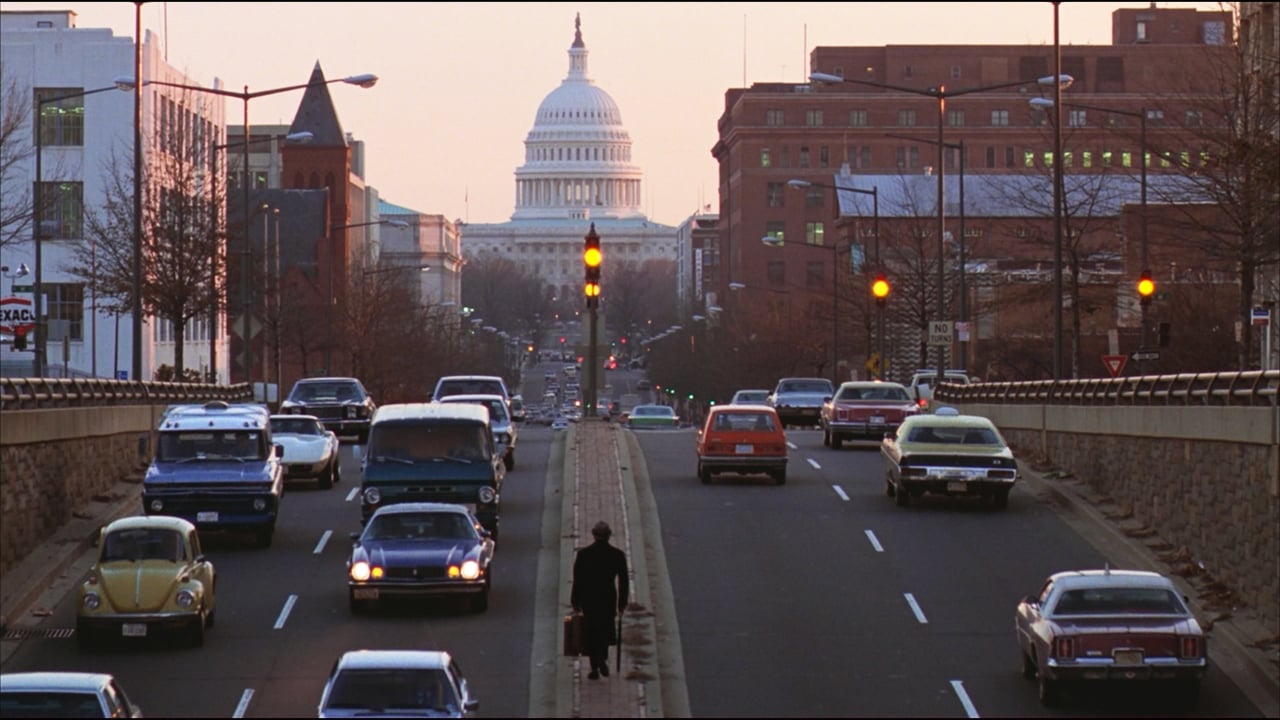
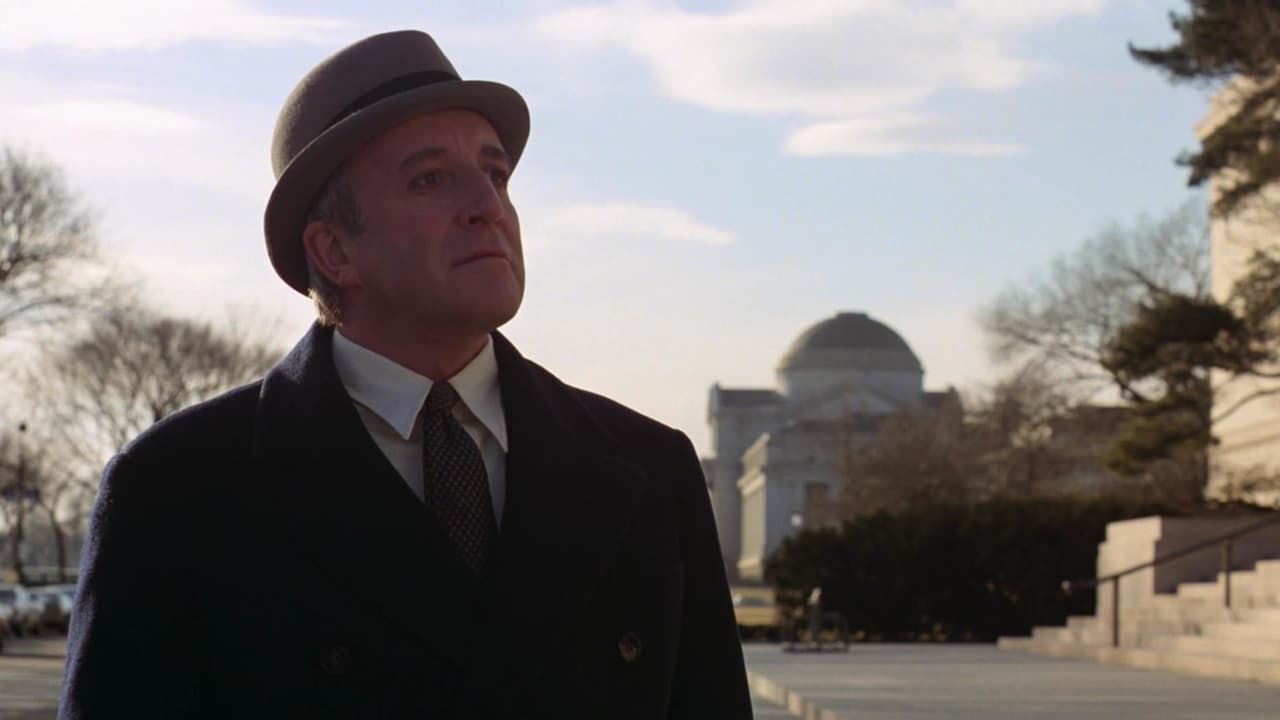
At the heart of it all is Peter Sellers. This wasn't just another role for him; it was the role, a part he reportedly pursued with quiet determination for years after reading Kosinski's novel, feeling an almost spiritual connection to the character. And watching him, you understand why. Gone is the manic energy of Clouseau or the brilliant mimicry of Strangelove. Sellers embodies Chauncey with an astonishing stillness, a purity of incomprehension. His eyes are wide but vacant, his movements deliberate yet devoid of intent. He is simply there. Sellers famously stayed in character, adopting Chauncey’s soft voice and passive mannerisms off-camera, a level of immersion that feels palpable on screen. It's a performance built on minimalism, on what isn't said or done. There’s a profound vulnerability beneath the surface, a childlike quality that makes his accidental ascent both hilarious and deeply melancholic. Knowing that Sellers was battling serious health issues during the demanding shoot, suffering a near-fatal heart attack just weeks after wrapping, adds an almost unbearable layer of poignancy to his achievement. He would pass away in 1980, before the film garnered its major award nominations, including a posthumous Best Actor nod for him.
Ashby's Patient Gaze
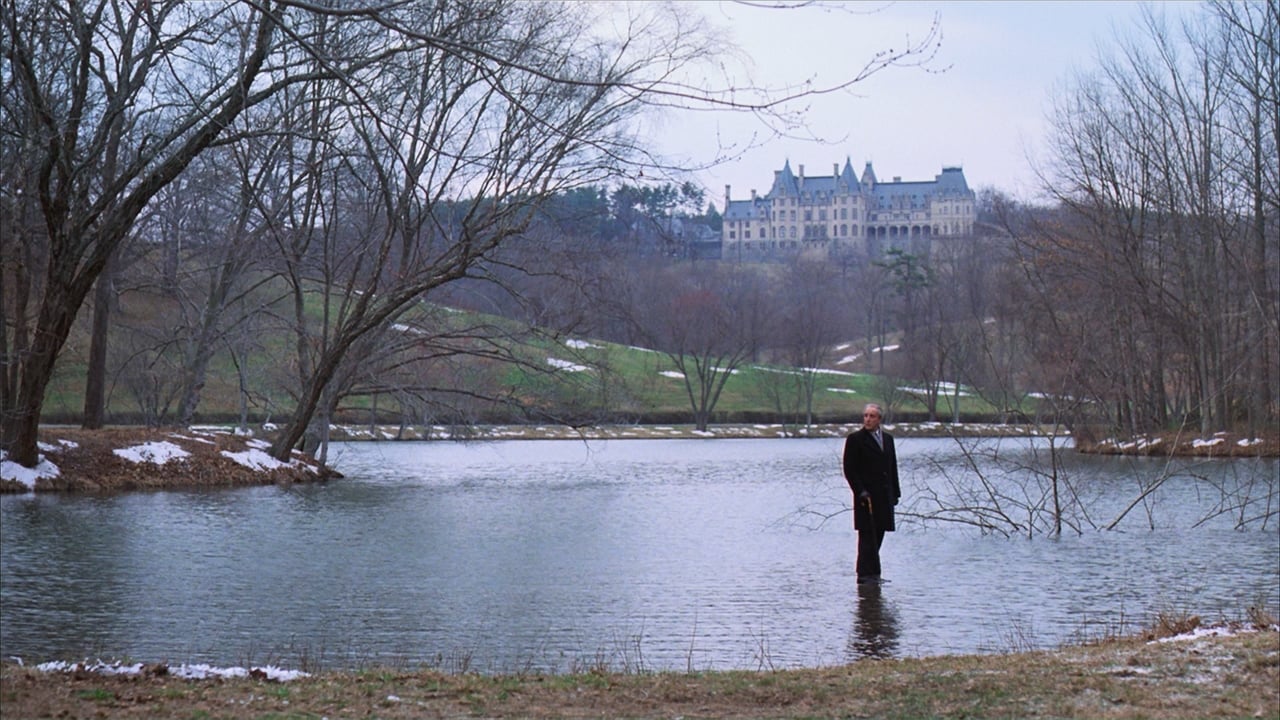
Director Hal Ashby, a master of character-driven narratives in the 70s with films like Harold and Maude (1971) and Shampoo (1975), was the perfect choice to helm this project. His direction is patient, almost meditative. He allows scenes to breathe, trusting Sellers’ minimalist performance and the inherent absurdity of the situations. Ashby doesn't punch up the jokes; he lets the humor (and the horror) emerge naturally from the interactions. The visual style is clean, unfussy, focusing our attention on the characters and the subtle shifts in their perceptions of Chauncey. The grand Biltmore Estate in North Carolina stands in for the Rand mansion, its opulent emptiness serving as a perfect counterpoint to Chauncey's own. Ashby uses television itself within the film brilliantly, not just as Chauncey’s formative influence but as the very medium that amplifies his accidental fame, culminating in perfectly pitched scenes where Chauncey encounters... himself... on TV.
Mirrors to Power and Influence
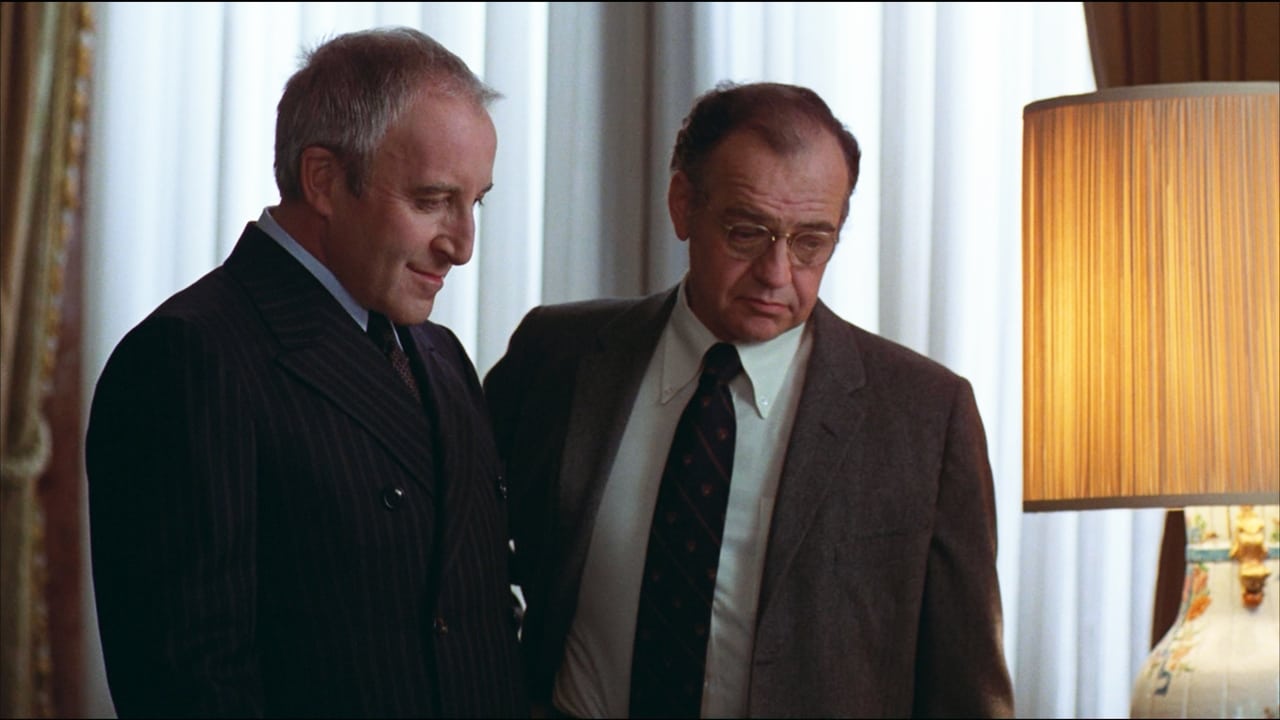
The supporting cast is crucial in selling the central conceit. Melvyn Douglas, in a role that deservedly won him his second Academy Award for Best Supporting Actor, radiates weary authority as Ben Rand. He finds in Chauncey a final, perhaps illusory, source of wisdom and peace. Shirley MacLaine navigates a tricky path as Eve, drawn to Chauncey's seeming depth and serene masculinity, her eventual attempted seduction becoming a masterclass in awkward, misplaced desire. The film skewers the political establishment and the media with quiet precision. Powerful men hang on Chauncey's every mundane utterance, desperate to find meaning, while news anchors and talk show hosts package his emptiness into digestible soundbites. Doesn't it feel disturbingly familiar, this tendency to elevate confident-sounding simplicity over complex reality?
An Enduring Enigma
Being There wasn't a massive blockbuster upon release (grossing a respectable $30 million against a $7 million budget - roughly $125m vs $29m today), but its reputation has deservedly grown. It's a film that lodges itself in your mind. What does it say about leadership? About communication? About our desperate need to find meaning, even if we have to invent it? Kosinski himself was apparently initially unsure about Sellers, finding his interpretation too comical, but Ashby's gentler, more ambiguous approach ultimately won out, creating something far more resonant than straight satire.
And then there's that ending. (No spoilers here!) It’s a moment of quiet magic, ambiguous and open to interpretation, that lifts the film from sharp social commentary into something almost transcendental. What does it mean? Like Chauncey himself, perhaps it means exactly what you perceive it to mean.
***
Rating: 9.5/10
Justification: This near-perfect rating reflects the film's unique power, anchored by Peter Sellers' career-defining (and tragically final major) performance. Hal Ashby's masterful, patient direction allows the subtle satire and profound themes to resonate deeply. The impeccable supporting cast, particularly Melvyn Douglas, and the film's enduring, almost prophetic commentary on media and perception elevate it beyond mere comedy or drama into a timeless, thought-provoking classic. Its quiet confidence and gentle pace are a welcome contrast to louder fare, demanding attention and rewarding it immensely.
Final Thought: Decades later, in an era saturated with noise and manufactured personalities, the quiet emptiness of Chauncey Gardiner feels less like a curious relic and more like a chillingly relevant question mark hanging in the air. He simply is, and the questions that raises are perhaps more important than any answer he could possibly provide.