Some films don't just tell a story; they haunt you. They coil around your thoughts long after the fuzzy tracking lines have faded from the screen. John Huston's Wise Blood is one such creature. Watching it again, decades after first encountering its strange rhythms on a worn-out rental tape, feels less like revisiting a movie and more like stepping back into a fever dream—one populated by cheap suits, simmering resentment, and a desperate, almost feral yearning for something true in a landscape littered with spiritual counterfeits.
A Prophet Without a Pulpit
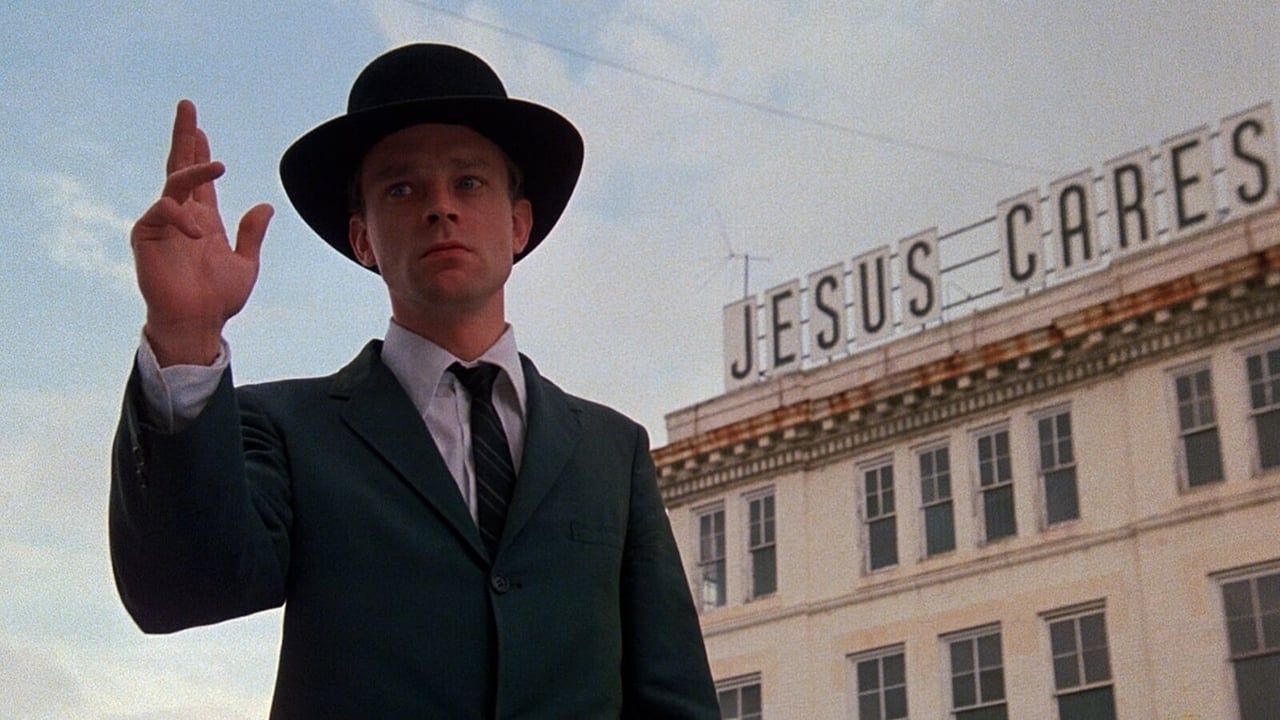
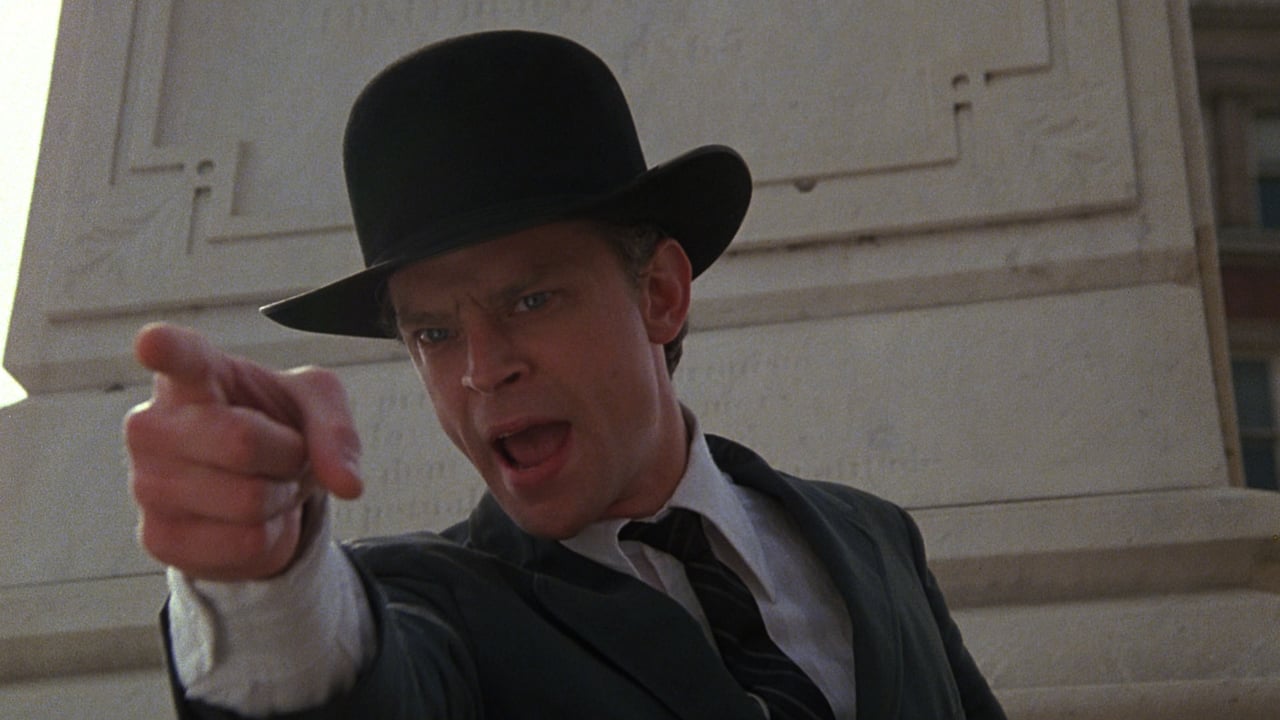
At the heart of this disquieting journey is Hazel Motes, brought to life with unnerving intensity by Brad Dourif. Returning from military service to his Tennessee roots, Motes finds himself adrift in a Southern landscape thick with preachers hawking salvation like snake oil. But Motes isn't buying. Consumed by a profound disillusionment, he concocts his own nihilistic creed: the "Church Without Christ," where "the blind don't see and the lame don't walk and what's dead stays that way." It's a declaration spat out with the force of conviction, even if that conviction is rooted entirely in negation. Dourif, already known for his Oscar-nominated turn in One Flew Over the Cuckoo's Nest, embodies Motes not just as a character, but as a raw nerve ending exposed to the world's absurdity. His eyes burn with a terrifying certainty, even when preaching absolute uncertainty. It’s a performance that feels less like acting and more like channeling, burrowing deep under your skin.
Huston's Southern Gothic Vision
Adapting Flannery O'Connor is a notoriously tricky business. Her Southern Gothic tales are steeped in Catholic theology, grotesque imagery, and a dark, sardonic humor that defies easy translation to the screen. Yet, the legendary John Huston, then in his seventies and known for classics spanning decades like The Maltese Falcon and The African Queen, proves an inspired choice. Working with screenwriters Benedict Fitzgerald and Michael Fitzgerald (the latter having championed the project for years), Huston doesn't shy away from the source material's inherent strangeness. Instead, he leans into it. Filming on location in Macon, Georgia, he captures the oppressive heat, the faded storefronts, and the dusty roads that feel both specific and universal in their depiction of spiritual malaise. It wasn't a blockbuster play; produced for a reported $1.5 million, it was a challenging piece that bewildered some critics upon release but earned its place as a cult classic, eventually being selected for the Cannes Classics section in 2009. Huston even casts himself in a small but telling role as Motes' grandfather, a fire-and-brimstone preacher whose legacy Hazel is both fleeing and inadvertently echoing.
A Congregation of the Damned (or Just Deeply Flawed)
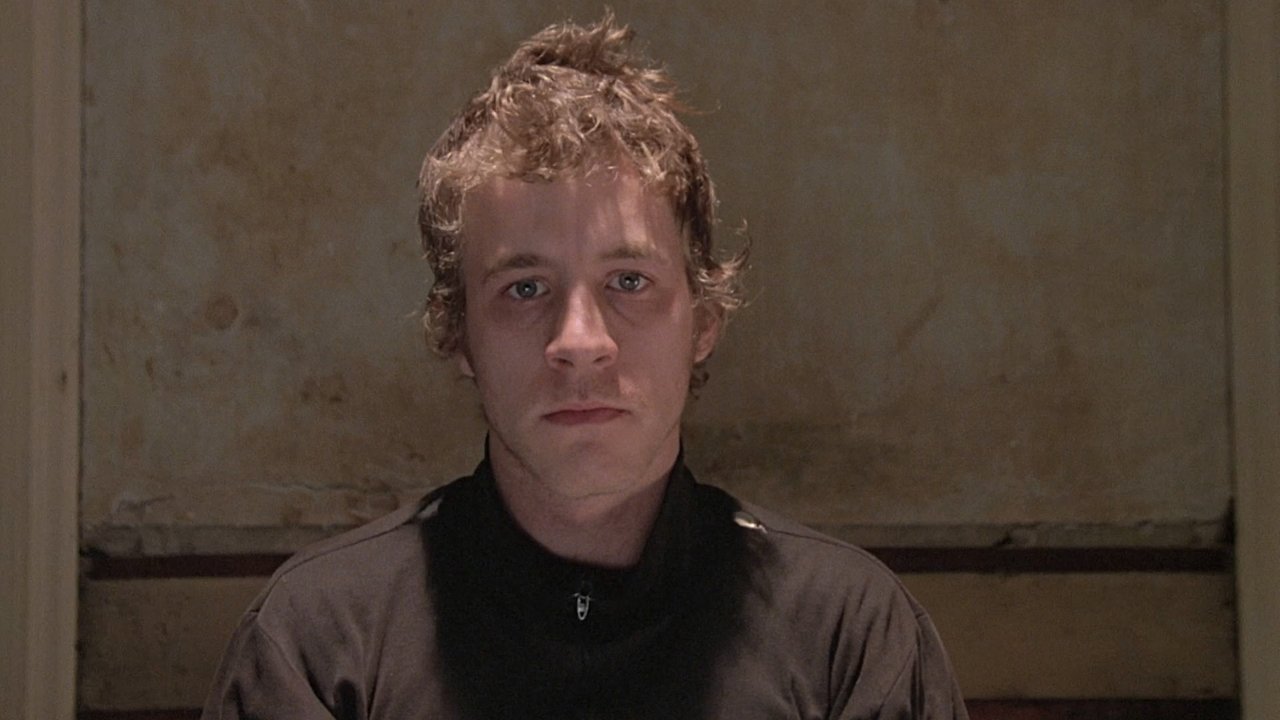
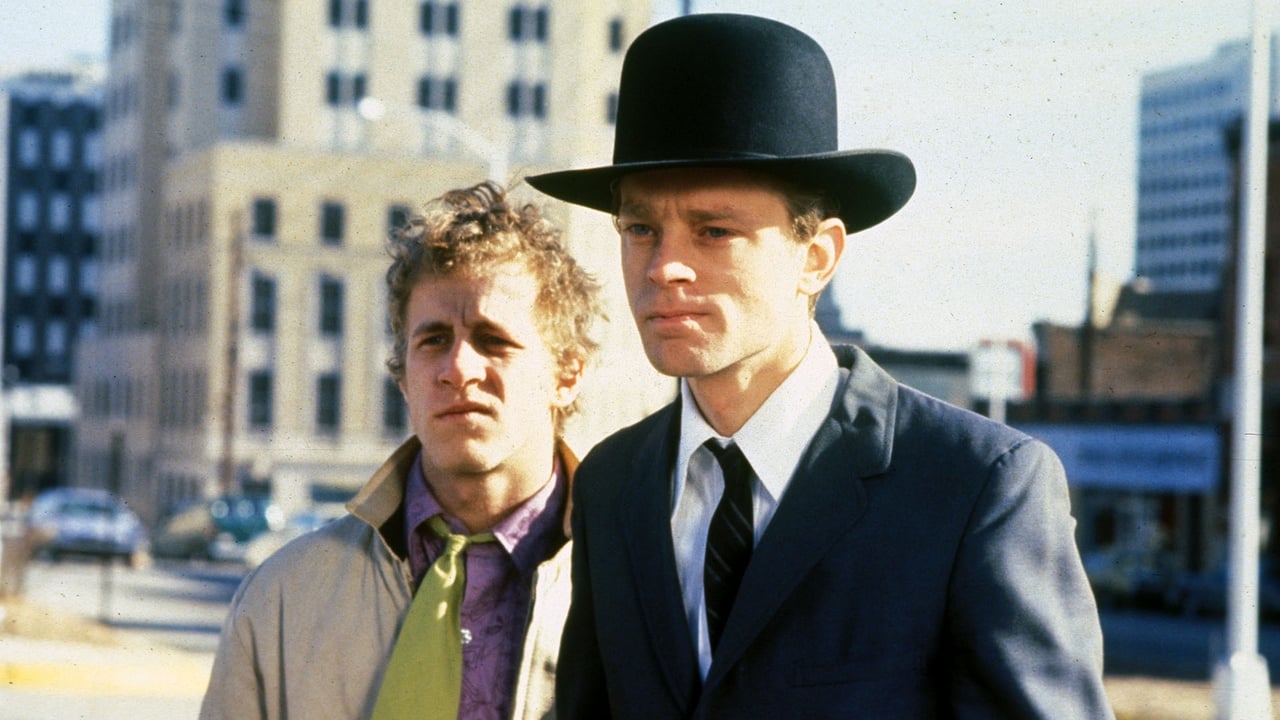
Motes doesn't preach in a vacuum. His orbit attracts a constellation of equally damaged and searching souls. There's Enoch Emery (Dan Shor, later recognizable from Tron), a manic, lonely young man whose desperate need for connection leads him down bizarre paths, culminating in the theft of a shrunken mummy from a museum – a symbol, perhaps, of the dead, hollow idols people cling to. Harry Dean Stanton, in one of his many unforgettable character roles, plays Asa Hawks, a seemingly blind preacher whose piety might be just another performance. And then there's Sabbath Lily Hawks (Amy Wright), his coquettish, unnervingly childlike daughter who latches onto Motes with a disquieting mix of innocence and predatory instinct. Even Ned Beatty appears as Hoover Shoates, a huckster looking to commercialize Motes' anti-gospel. Each character feels like a distinct facet of the film's exploration of faith, fraudulence, and the desperate measures people take to find meaning, or at least attention.
The Glare of Uncomfortable Truths
Wise Blood isn't an easy watch. It doesn't offer simple answers or comforting resolutions. Motes' journey is painful, marked by self-destruction and a violent rejection of grace even as he seems tormented by its absence. The film forces us to confront uncomfortable questions: What does genuine faith look like in a world saturated with cheap imitations? Is fierce denial just another form of belief? The film's climax (Spoiler Alert!) involving Motes blinding himself is shocking, but within the O'Connor/Huston framework, it feels grimly inevitable—a final, horrifying act of attempting to see beyond the superficial deceptions of the world, even if it means embracing literal darkness. It's a testament to Dourif's unwavering commitment that this act feels earned, however disturbing.
Finding this movie on VHS back in the day felt like uncovering a secret text, something miles removed from the slicker fare dominating the rental shelves. It was strange, prickly, and profoundly unsettling. It didn't fit neatly into any genre box – part dark comedy, part existential drama, part theological wrestling match. It felt like it was smuggled out of a different, more challenging cinematic universe.
Rating: 9/10
This near-perfect score reflects the film's audacious commitment to its difficult source material, John Huston's masterful direction that captures the unique O'Connor atmosphere, and, above all, Brad Dourif's searing, unforgettable performance. It’s a film that avoids easy categorization and easy answers, achieving a singular power through its unflinching look at fanaticism, belief, and the grotesque beauty of the human search for meaning.
Wise Blood remains a potent, disturbing masterpiece. It’s a film that sticks with you, like red Georgia clay on your boots, leaving you pondering the thin, blurry line between the sacred and the profane long after Hazel Motes’ battered Essex drives off into the gloom.