There's a certain kind of rain-slicked London street that exists more vividly in memory and cinema than reality, isn't there? It’s the backdrop for Jimmy Cooper's restless searching in Quadrophenia, a film that arrived in 1979 not as a nostalgic look back at the early 60s Mod scene, but as a raw, often uncomfortable examination of its fading energy and the hollow ache left behind. It wasn't just another teen movie; it felt like uncovering a bruise.
### A Face in the Crowd
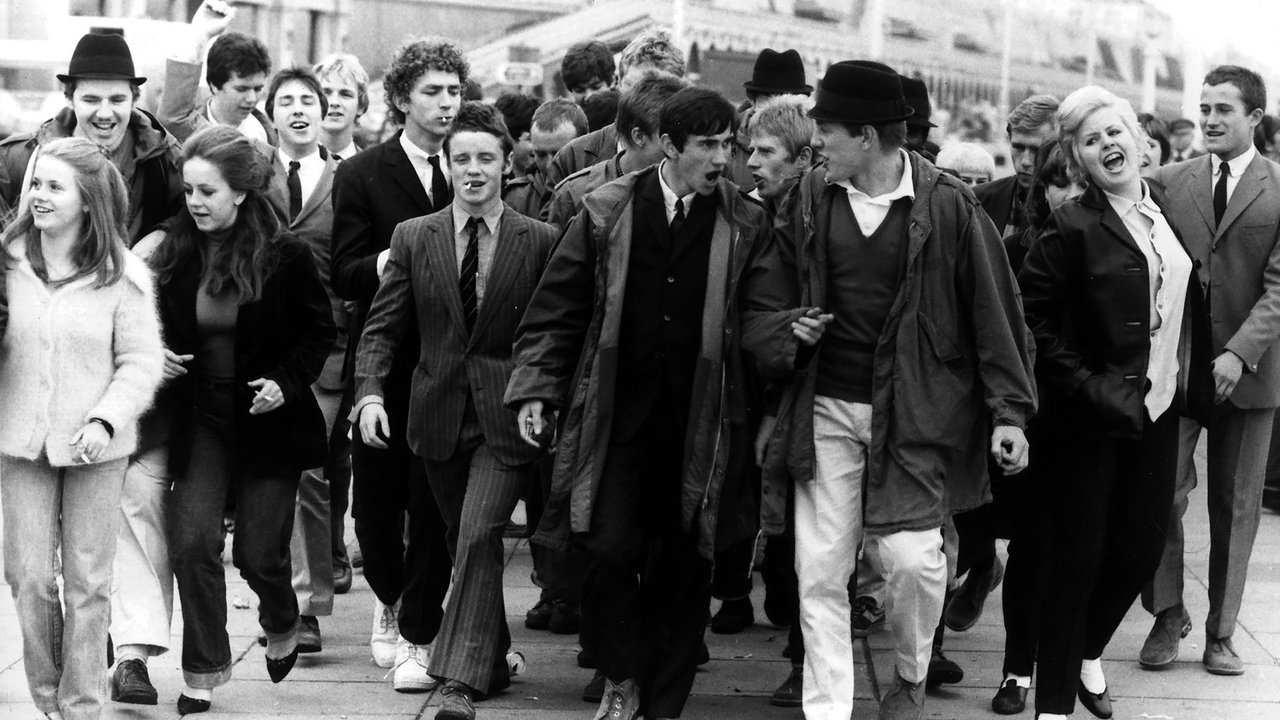
What strikes you immediately, watching it again after all these years, perhaps on a worn VHS tape pulled from the back of the shelf, is how director Franc Roddam resists easy romanticism. Based on The Who's 1973 concept album, the film plunges us into the world of Jimmy (Phil Daniels), a young Londoner adrift in the mid-60s. He’s not a leader, not a standout, just one of the parka-clad hopefuls seeking identity and belonging within the sharp suits, pulsing Motown beats, and chrome-laden scooters of the Mod movement. His existence is a pendulum swing between the drudgery of his mailroom job and the amphetamine-fueled highs of weekend club nights and seaside clashes with the leather-clad Rockers.
Phil Daniels, who beat out John Lydon (Johnny Rotten of the Sex Pistols) for the role due to Lydon's reportedly difficult audition, embodies Jimmy's volatile mix of arrogance, vulnerability, and simmering frustration perfectly. It’s not a 'showy' performance in the traditional sense, but an utterly convincing portrayal of a young man desperate to be someone, mean something, yet constantly finding himself on the outside looking in. We see the flicker of hope in his eyes when he’s with his mates or chasing after Steph (Leslie Ash), and the crushing disappointment when reality inevitably bites back. It feels painfully authentic, a study in the quiet desperation that often hides behind bravado. Remember his awkwardness trying to reconnect with Steph after the Brighton chaos? It’s moments like that, small and telling, that make his journey resonate.
### Brighton Rocks, and Rolls Over
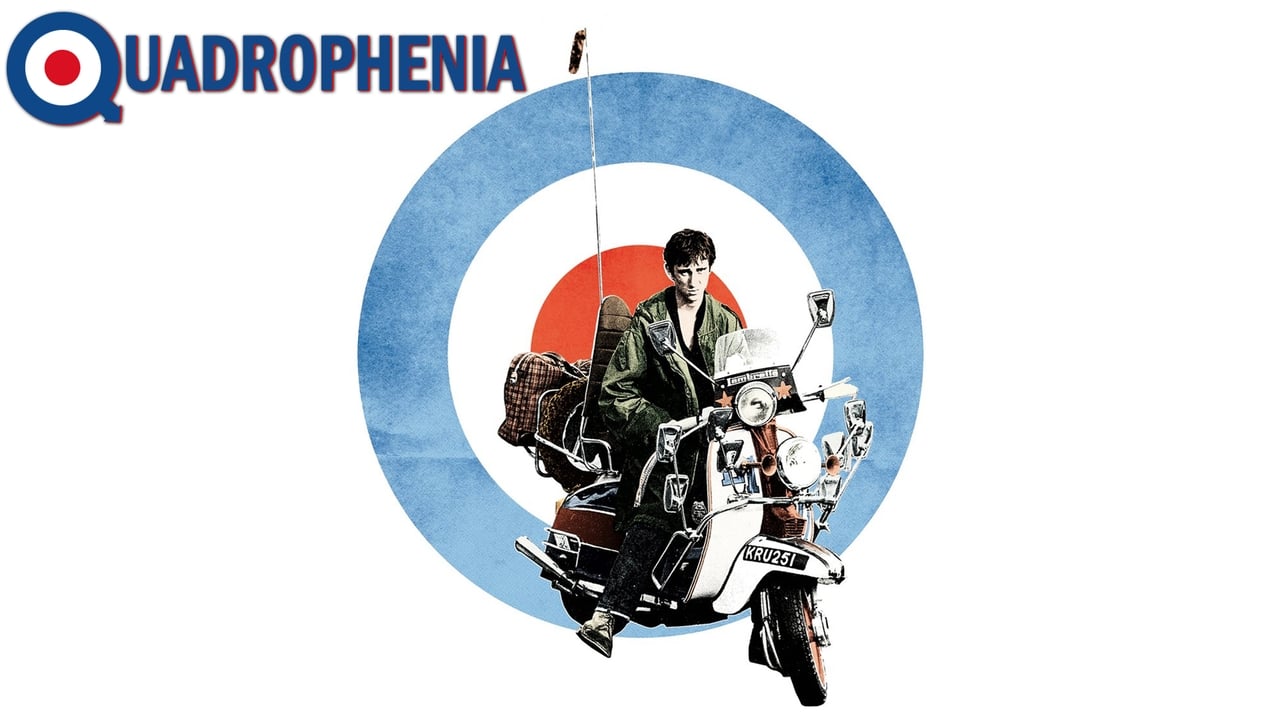
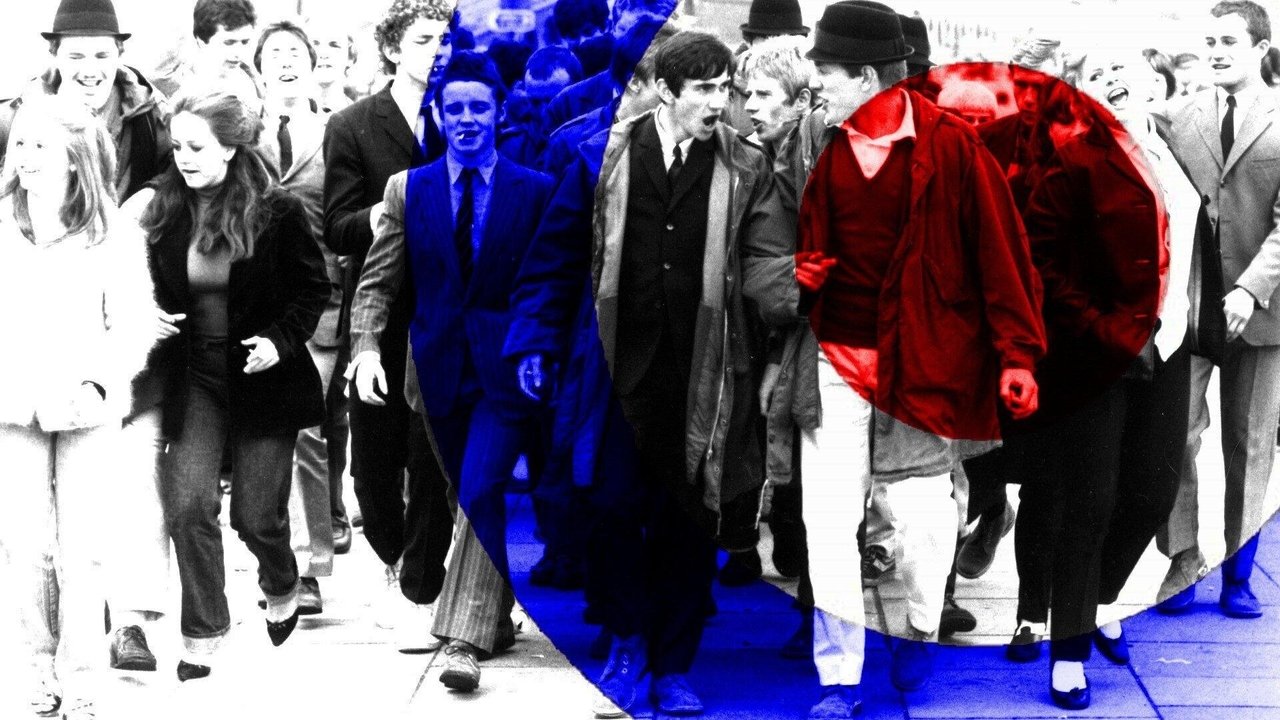
The film pivots around the infamous Bank Holiday weekend clashes between Mods and Rockers in Brighton. Roddam, drawing on his documentary background, films these sequences with a chaotic, almost cinéma vérité energy. You feel the surge of the crowd, the sudden bursts of violence, the confusion. It's less a choreographed action sequence and more a snapshot of tribalism boiling over. Reportedly, some scenes used actual participants from the original 60s events as extras, adding another layer of gritty realism. The production had to meticulously recreate the pier and seafront locations, navigating the logistics of hundreds of extras and, crucially, dozens of period-correct scooters – Vespas and Lambrettas – which were apparently quite a challenge to source and keep running reliably for the shoot.
Amidst this chaos, Jimmy experiences fleeting moments of perceived glory – getting arrested, seeing the Mod figurehead, the Ace Face (played with cool detachment by Sting, then frontman of the burgeoning band The Police), command attention. But these moments curdle quickly. The Ace Face, Jimmy later discovers, is just a bellboy, his coolness a façade easily stripped away by mundane reality. It’s a devastating blow, puncturing the very myth Jimmy has built his fragile identity upon.
### More Than Just Music
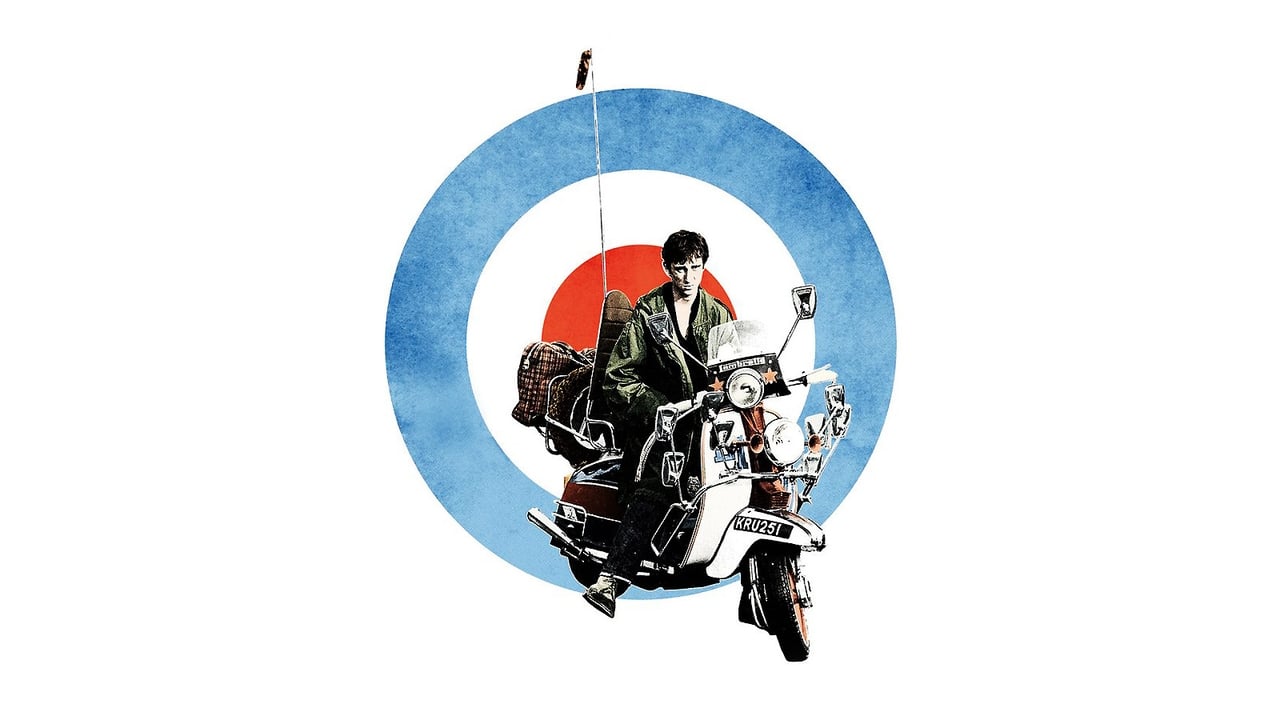
While The Who's blistering soundtrack is omnipresent, Quadrophenia isn't merely a visual accompaniment to the album. The music fuels the film's energy, certainly, capturing the anger and alienation, but Roddam and his co-writers (including Pete Townshend himself) build a distinct narrative. They flesh out the world, giving context to Jimmy's disillusionment. The stark contrast between the sharp Mod aesthetic and the drab reality of working-class London, the generational clashes with bewildered parents, the fleeting nature of youth culture allegiances – it’s all woven into the fabric of the film.
Interestingly, the film rearranges the album's narrative structure and features only about half the original songs, integrating them into the action rather than having characters burst into song. This grounding makes the story more potent, less abstract than the rock opera source material. It cost around £1 million to make – a modest sum even then (roughly £5.5 million or $7 million today) – but its impact, particularly in the UK where it tapped into simmering youth discontent and sparked a Mod revival, far outweighed its budget.
### The Lingering Echo
Does Quadrophenia feel dated? In some ways, inevitably. The specific cultural references belong to their time. But the core themes – the search for identity, the intoxicating pull of belonging to a tribe, the painful realisation that idols have clay feet, the crushing weight of disillusionment when the party ends – remain powerfully relevant. What lingers most after the film ends isn't the fashion or the fights, but the haunting image of Jimmy, stripped of his illusions, standing alone against the vast indifference of the sea and cliffs. The film’s ambiguous ending, a departure from the album, leaves us questioning his fate, mirroring the uncertainty of his future.
It’s a film that doesn’t offer easy answers or neat resolutions. It captures a specific moment in time with unflinching honesty, showcasing the energy and the emptiness of a youthquake that couldn’t last. Watching it on VHS felt like accessing a raw nerve of British cultural history.
Rating: 8/10
This rating reflects the film's powerful, authentic performances (especially from Phil Daniels), its evocative atmosphere, Franc Roddam's grounded direction, and its unflinching exploration of youth culture and disillusionment. While tied to a specific era, its core themes endure, making it more than just a nostalgia piece. It’s a tough, resonant piece of British cinema that stays with you.
Final Thought: Long after the scooters have sputtered out and the parkas are packed away, Jimmy's silent scream against the Brighton cliffs echoes – a timeless howl of finding yourself utterly lost.