### A Song Caught Between Worlds
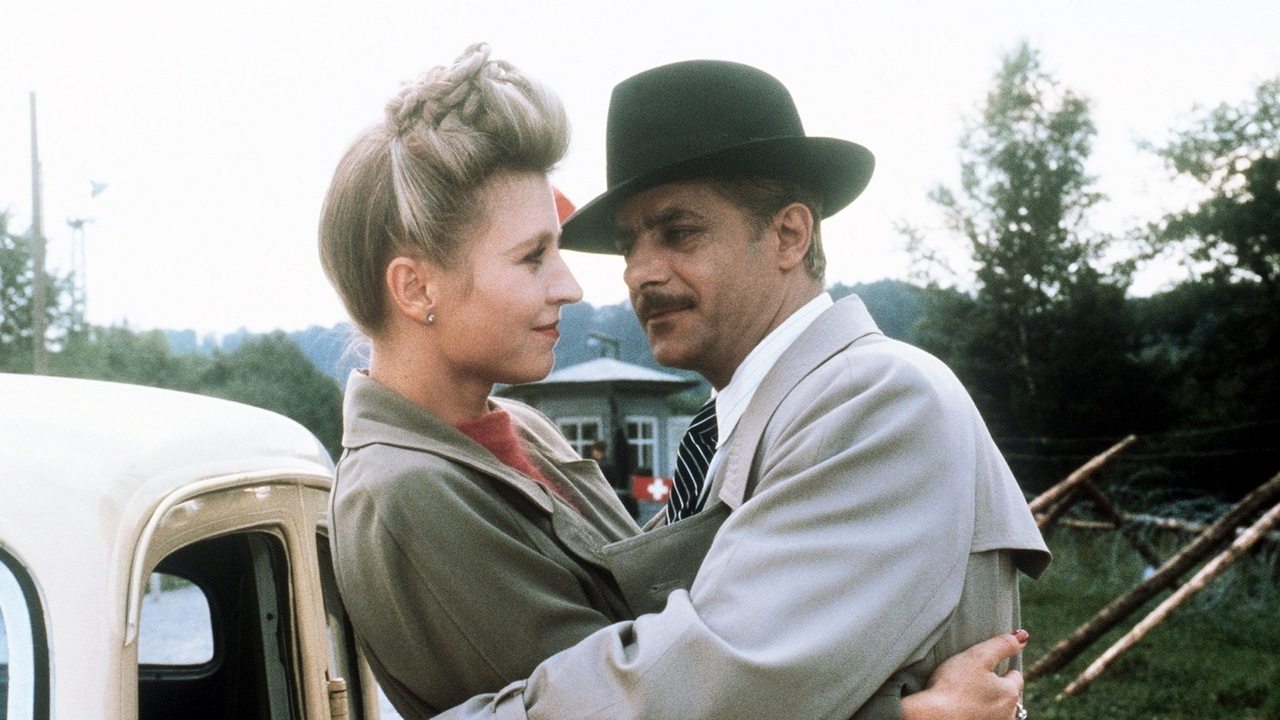
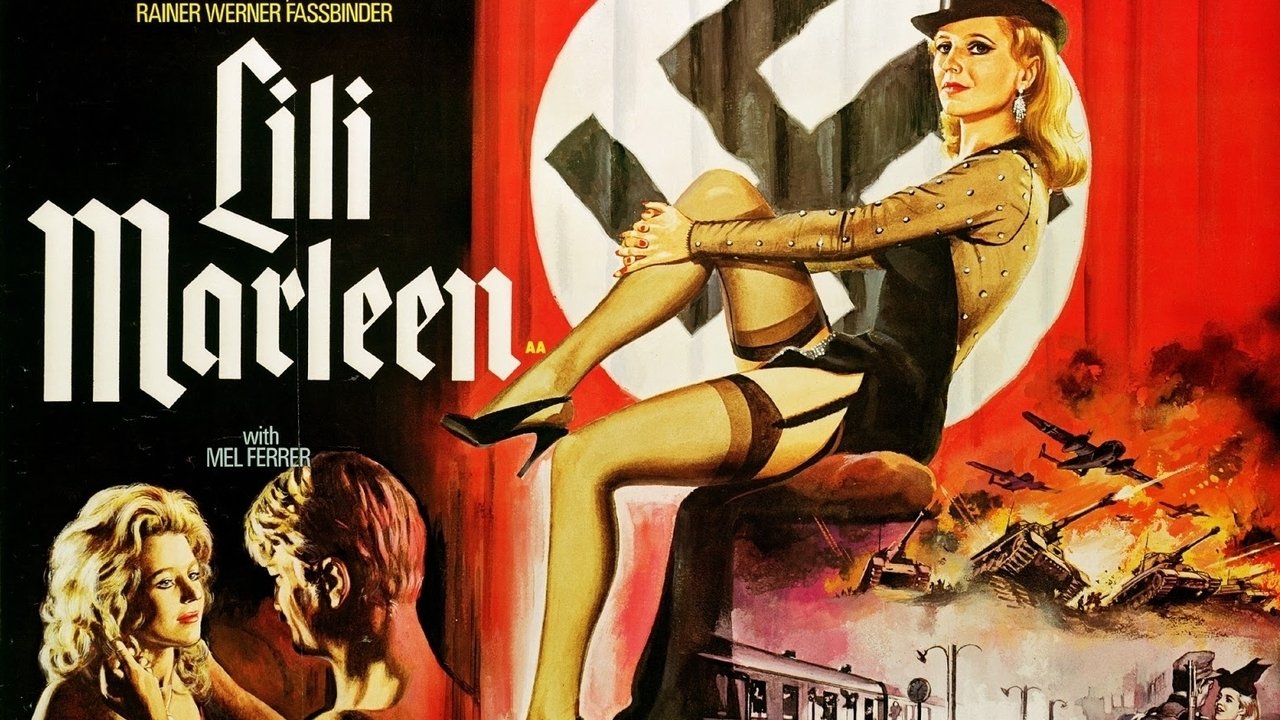
There are songs that define an era, and then there’s “Lili Marleen.” A tune born of German wartime longing, yet somehow embraced by soldiers on both sides of the conflict, its haunting melody drifting across battle lines via crackling radio waves. It’s this strange, potent phenomenon that Rainer Werner Fassbinder, the enfant terrible of the New German Cinema, seized upon for his 1981 film Lili Marleen. Watching it again now, pulled from the dusty archives of memory much like retrieving a well-worn VHS tape, the film feels like an artifact itself – a grand, ambitious, and sometimes contradictory exploration of love, fame, and survival under the most crushing of circumstances.
This wasn't your typical Fassbinder grit, though traces remain. Fresh off the international success of The Marriage of Maria Braun (1979), he was armed with what was, for him, an enormous budget – reportedly around $12 million, a king's ransom in early 80s German filmmaking. And it shows. Lili Marleen has a sweep, a visual lushness, and a scale that feels almost like Golden Age Hollywood melodrama filtered through Fassbinder's uniquely cynical, yet deeply empathetic, lens. It aims for something big, something operatic.
### The Singer and the Song
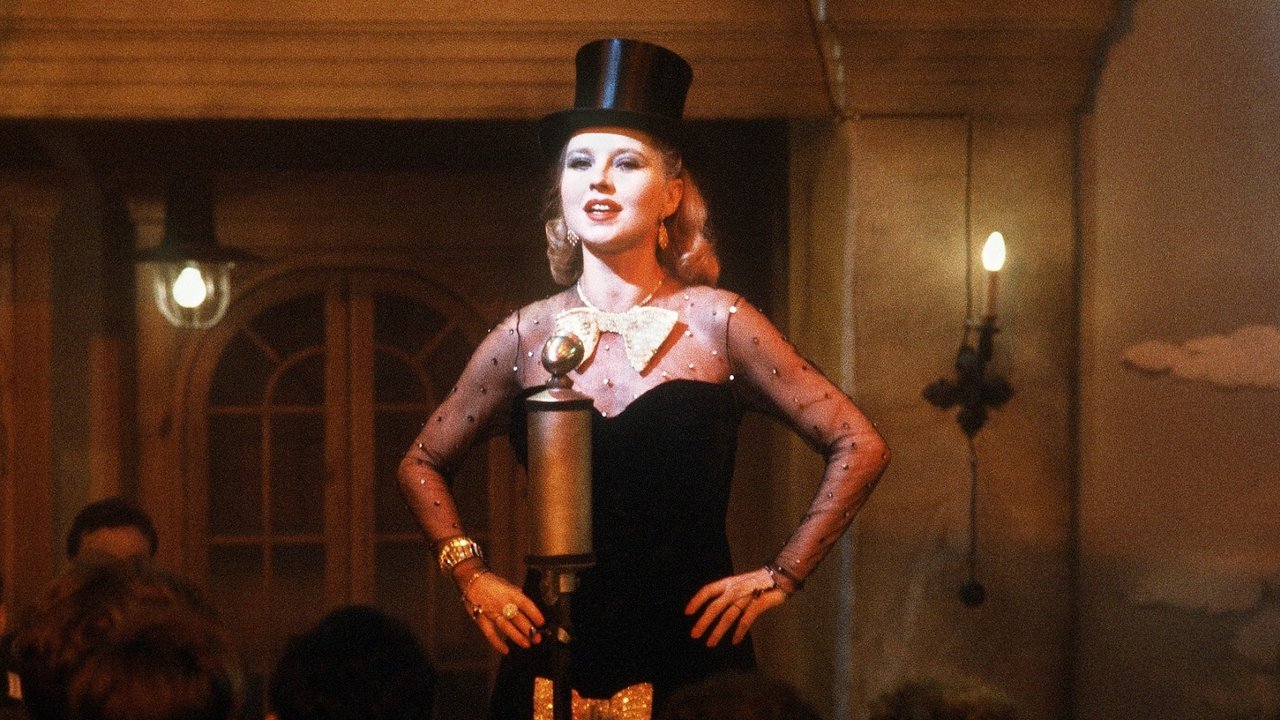
At the heart of it all is Hanna Schygulla as Willie Bunterberg, a cabaret singer in Zurich whose fortunes change dramatically when her recording of "Lili Marleen" becomes an unexpected sensation, adopted by the Nazi propaganda machine. Schygulla, Fassbinder’s frequent collaborator and muse, carries the film with a captivating blend of vulnerability and shrewd calculation. Her Willie isn't necessarily a hero or a villain; she's a performer swept up in currents far larger than herself, trying to navigate treacherous waters. Does she leverage her fame for good, aiding her Jewish composer lover Robert Mendelsson (Giancarlo Giannini, bringing his soulful Italian intensity)? Or does she succumb to the seductive comforts offered by the Third Reich, embodied by the chillingly pragmatic Nazi official Henkel (Mel Ferrer)?
Schygulla makes Willie’s compromises feel understandable, even if uncomfortable. We see the allure of fame, the warmth of adoration, contrasted sharply with the grim reality of the regime she serves, however passively. Her performance isn't about grand gestures; it's in the subtle shifts in her eyes, the forced brightness of her smile, the moments where the mask slips and reveals the fear or the flicker of conscience beneath. It’s a performance that understands the complexities of survival when ideals clash with reality.
### Fassbinder's Grand Design
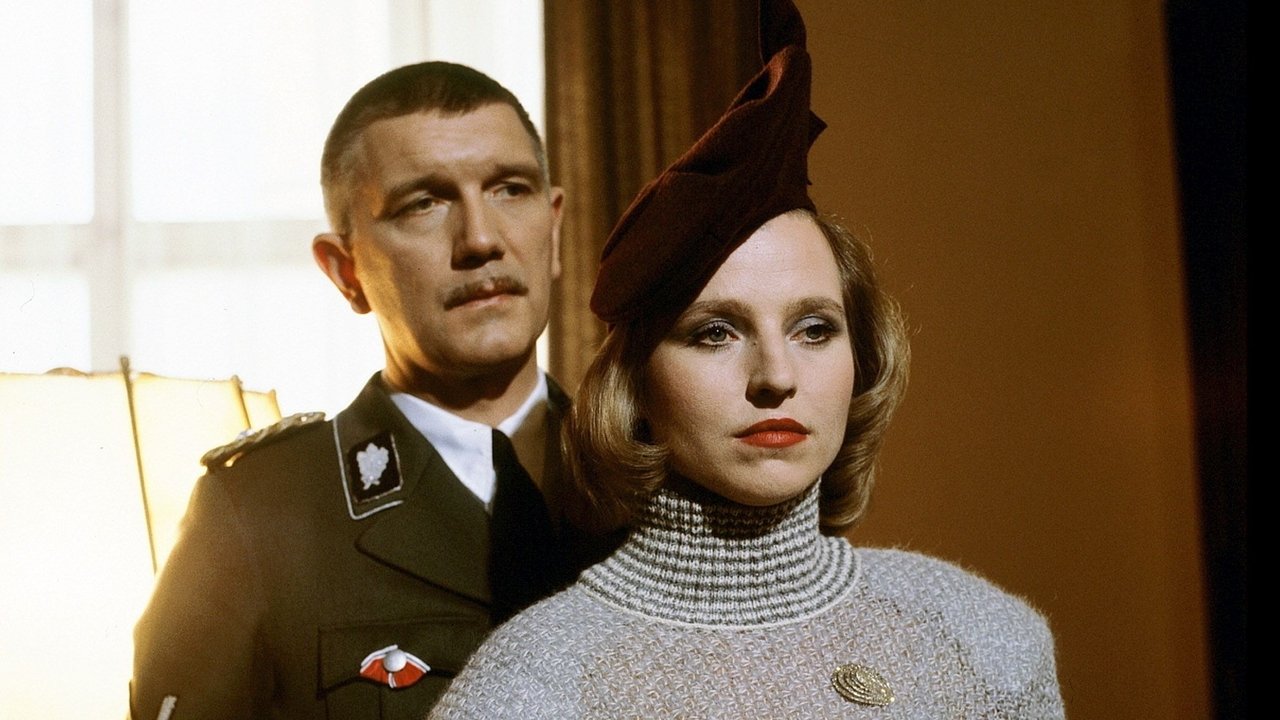
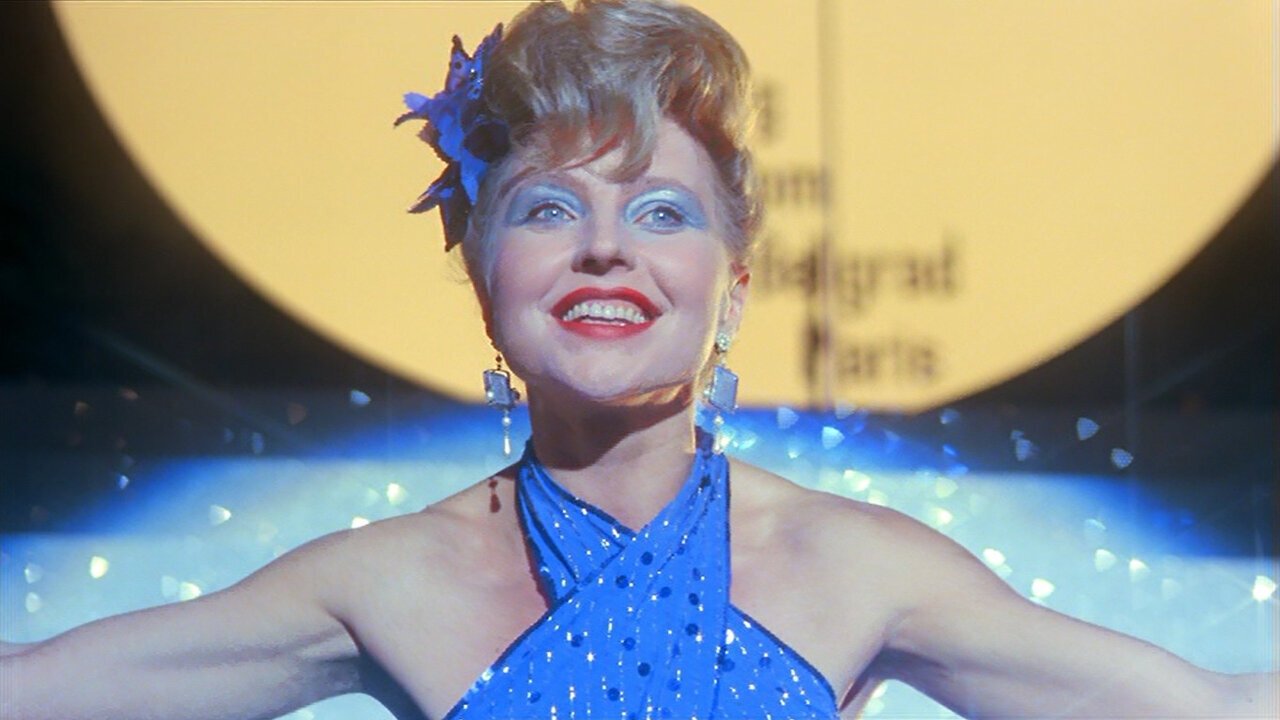
Fassbinder uses the framework of a wartime romance and a rise-to-fame narrative, loosely inspired by the autobiography of the real singer Lale Andersen (Der Himmel hat viele Farben or The Sky Has Many Colors), to explore deeper themes. The film constantly questions the relationship between art and power. Can a simple song remain pure when co-opted for monstrous ends? Willie’s fame isolates her as much as it elevates her, trapping her in a gilded cage where genuine connection becomes perilous.
The film’s production design and cinematography emphasize this duality. Opulent sets and glamorous costumes clash with the stark symbols of Nazism and the ever-present threat of violence. Fassbinder stages scenes with a theatrical flair, sometimes pushing the melodrama to its limits, reflecting perhaps the inherent absurdity and grotesque spectacle of the era itself. It’s a style that could feel jarring, especially if you stumbled upon this tape at the local video store expecting a straightforward war drama. I distinctly remember renting this back in the day, perhaps nestled between more conventional fare, and being struck by its unusual tone – part glossy romance, part biting political commentary. It wasn't quite like anything else on the shelf.
### Echoes in the Static
While perhaps not as relentlessly bleak as some of Fassbinder's earlier work, Lili Marleen retains his critical eye. He refuses easy answers. Willie's choices are messy, driven by a potent cocktail of ambition, love, and self-preservation. The film suggests that even in the face of overwhelming evil, human motivations remain complex and often contradictory. How much compromise is too much? What price is worth paying for survival, or for love? These are questions Fassbinder forces us to confront, leaving the answers deliberately ambiguous.
It wasn't universally embraced by critics upon release; some found the blend of melodrama and political critique uneven. Yet, it was a significant commercial success, particularly in Germany, striking a chord with audiences grappling with their nation's recent past. Seen today, it stands as a fascinating, albeit flawed, testament to Fassbinder's ambition in the final years before his tragically early death in 1982. He took the structure of a popular entertainment and infused it with challenging ideas, using the very tools of spectacle to critique the manipulation inherent in mass media and propaganda – a theme that feels startlingly relevant even now.
Rating: 7.5/10
This score reflects the film's undeniable power, particularly Schygulla's central performance and Fassbinder's bold, if occasionally unwieldy, vision. It’s a visually striking and thematically rich work, even if its blend of melodrama and political commentary doesn't always perfectly cohere. It earns points for its sheer ambition and its willingness to tackle complex moral questions within a large-scale narrative framework. It might not be Fassbinder's most focused film, but its haunting central image – a song floating over a continent at war, meaning different things to different people – stays with you.
Lili Marleen remains a captivating, sometimes bewildering watch – a reminder from the VHS era that popular entertainment could sometimes smuggle in profound and troubling questions right alongside the romance and the glamour. What lingers most is the unsettling echo of that melody, forever tied to a dark history, and the face of a singer caught in its complicated spotlight.