Okay, fellow tape travelers, let's dim the lights and settle in for something a little different this time. Not every treasure unearthed from the glorious plastic shells of the VHS era was about high-kicking action heroes or synth-pop soundtracks. Sometimes, hidden in the 'World Cinema' section, perhaps wedged between more familiar titles, you'd find a film that burrowed under your skin, haunting you long after the VCR clicked off. Tonight, we're revisiting Rainer Werner Fassbinder's stark and unsettling masterpiece, Veronika Voss (1982).

### Shadows of a Faded Star
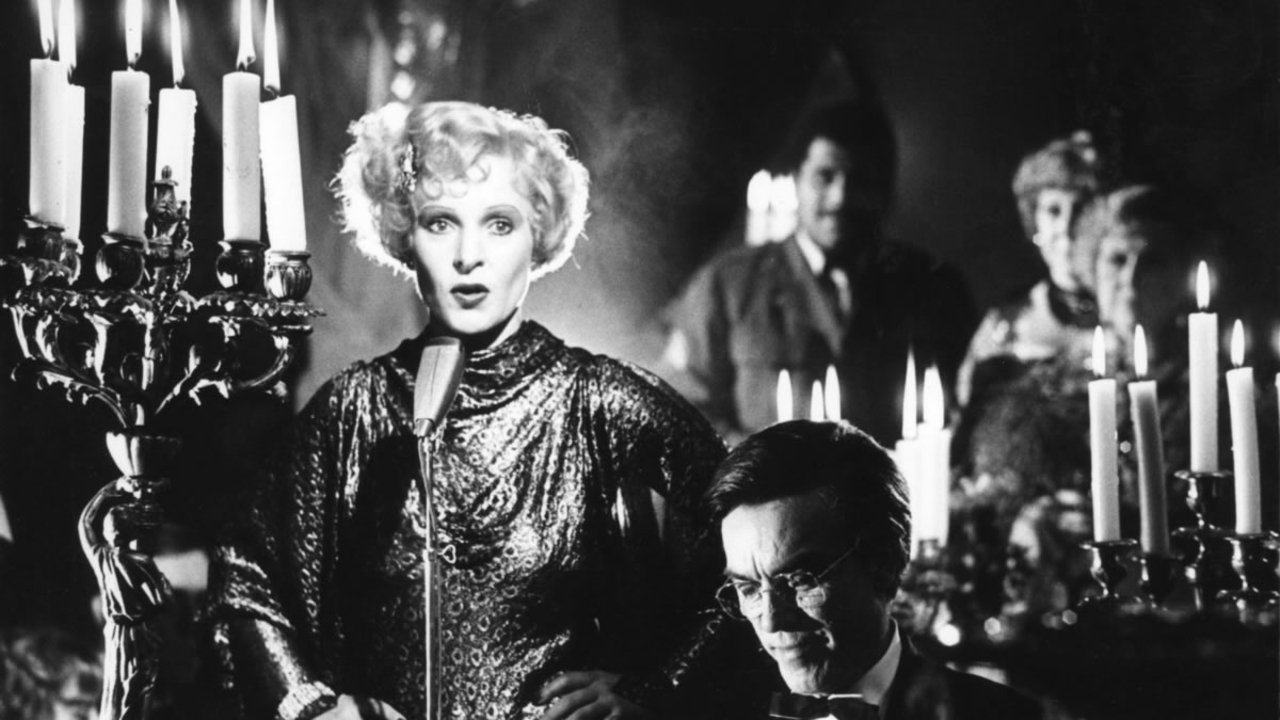
From the very first frames, Veronika Voss plunges you into a world drained of colour, presented in a high-contrast black and white that feels less like a stylistic choice and more like a reflection of a broken soul. It’s 1955 Munich, and we meet Veronika Voss (Rosel Zech), a film actress whose star burned brightly during the Third Reich but is now flickering, sustained by morphine administered by a manipulative doctor (Annemarie Düringer) and memories of a past she can't escape. Into her orbit comes Robert Krohn (Hilmar Thate), a sports reporter captivated by her lingering aura, who slowly uncovers the grim reality of her gilded cage.
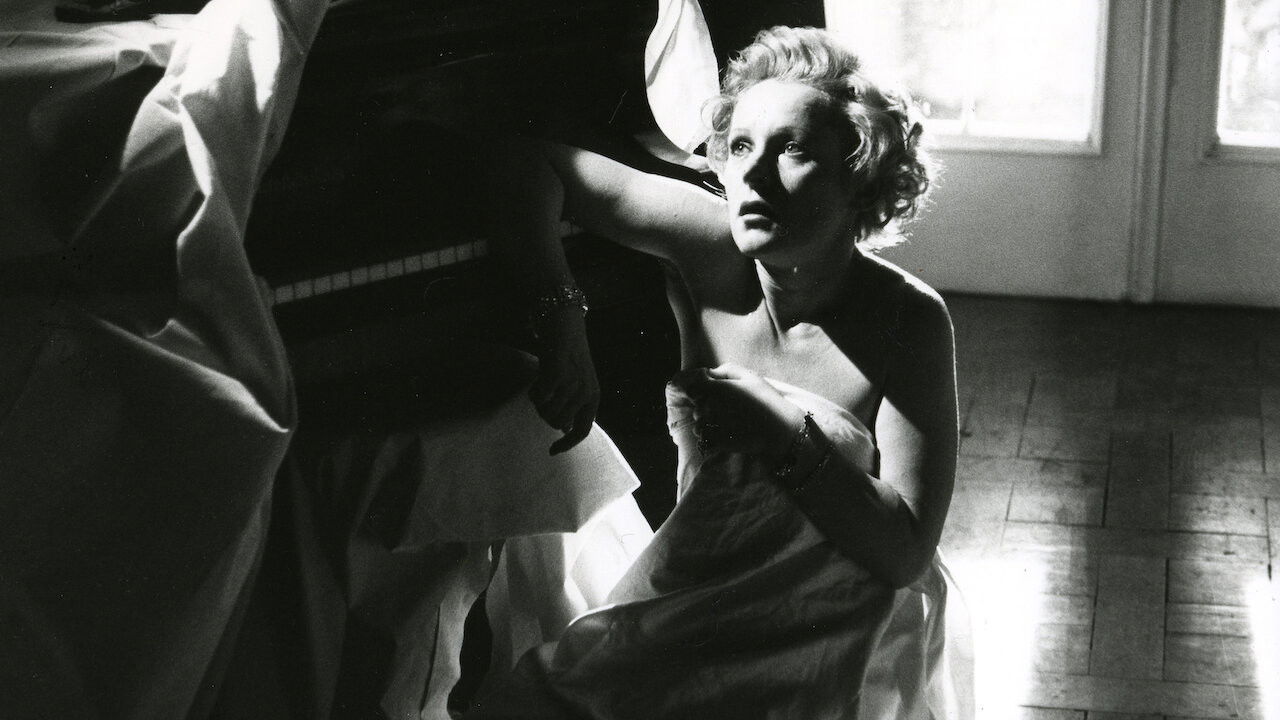
This isn't your typical 80s fare, is it? There are no explosions, no quippy one-liners. Instead, Fassbinder, a titan of the New German Cinema known for his prolific and often provocative output (think Ali: Fear Eats the Soul (1974) or The Marriage of Maria Braun (1979)), crafts a film that feels like a poisoned valentine to classic Hollywood melodrama, specifically evoking the claustrophobic intensity of films like Sunset Boulevard (1950). The monochrome cinematography by Xaver Schwarzenberger isn't just beautiful; it's functional, rendering Voss's world in harsh whites that sear the screen and deep blacks that swallow hope. It visually underscores her isolation and the predatory nature of those around her.
### The Ghost in the Machine
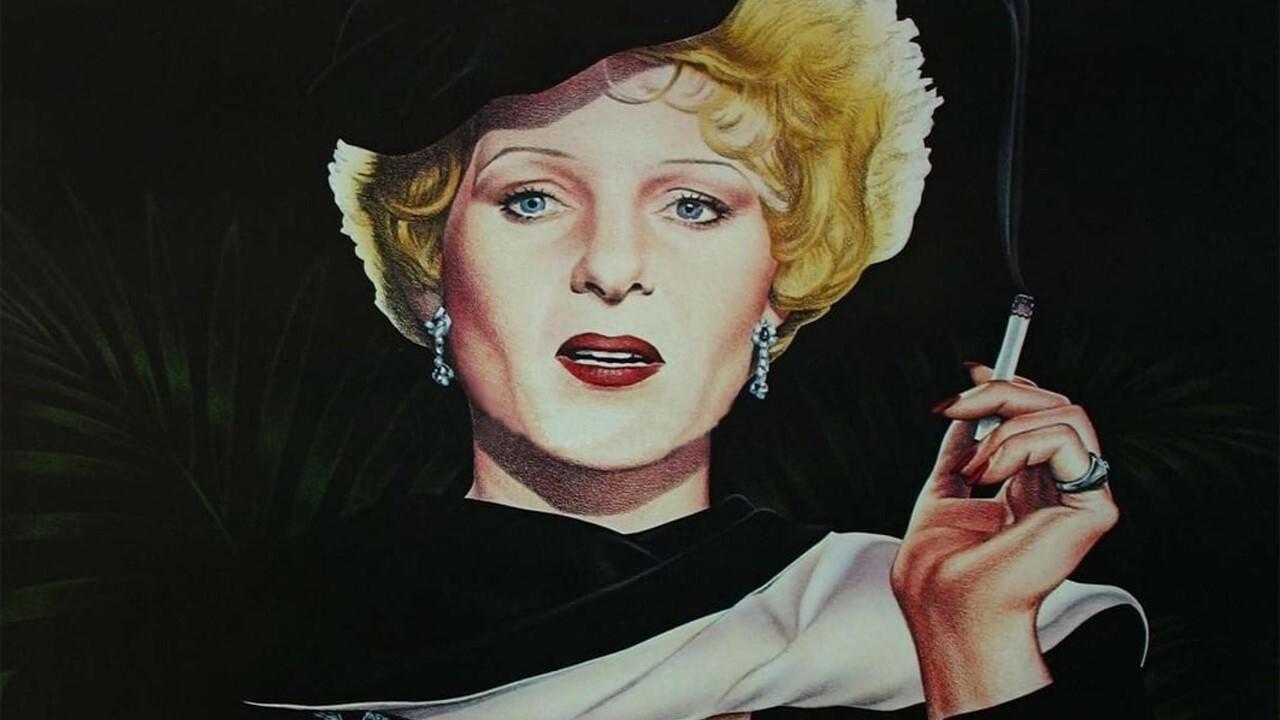
What truly anchors Veronika Voss is the devastating central performance by Rosel Zech. She embodies Veronika not just as a tragic figure, but as a complex knot of vanity, vulnerability, resilience, and profound loneliness. Her moments of lucidity are heartbreaking, glimpses of the star she once was, quickly submerged by the fog of addiction and despair. Zech doesn't shy away from the character's less appealing traits – her manipulativeness, her desperate clinging to fading glamour – making her portrayal all the more powerful and authentic. You believe her past, you feel her present torment. It's a performance that lingers, unsettling and deeply human.
Hilmar Thate as Robert provides the audience's entry point, his initial fascination turning to concern, then determination. He's the noir-ish investigator drawn into a web he doesn't fully understand, representing a post-war Germany trying to make sense of the shadows left by the recent past. The supporting cast, particularly Cornelia Froboess as Robert's increasingly wary girlfriend Henriette, adds crucial layers to the narrative.
### Fassbinder's Farewell Notes
Part of the film's power comes from its context. Veronika Voss is the final film Rainer Werner Fassbinder completed before his tragically early death in 1982 at just 37 (though Querelle, released posthumously, was shot later). It also forms the third part of his "BRD Trilogy" (alongside The Marriage of Maria Braun and Lola (1981)), exploring the psychological and social landscape of post-war West Germany. Knowing this adds a layer of melancholy; it feels like a final, piercing statement about memory, guilt, exploitation, and the ghosts that haunt a nation – and individuals.
Interestingly, the character of Veronika Voss was inspired by the real-life German actress Sybille Schmitz, whose career similarly peaked during the Nazi era and declined sharply afterward amidst struggles with addiction. Fassbinder wasn't just crafting fiction; he was tapping into a painful, often unspoken history. It's a detail that adds resonance, a reminder of the real lives sometimes reflected in these cinematic shadows. Finding a film like this on VHS, amidst the more commercial offerings, felt like uncovering a hidden truth, a stark counterpoint to the often-glossy narratives of the decade. It wasn't always comfortable viewing, but wasn't that part of the magic of the video store? The sheer variety, the potential for unexpected discovery?
### Enduring Echoes
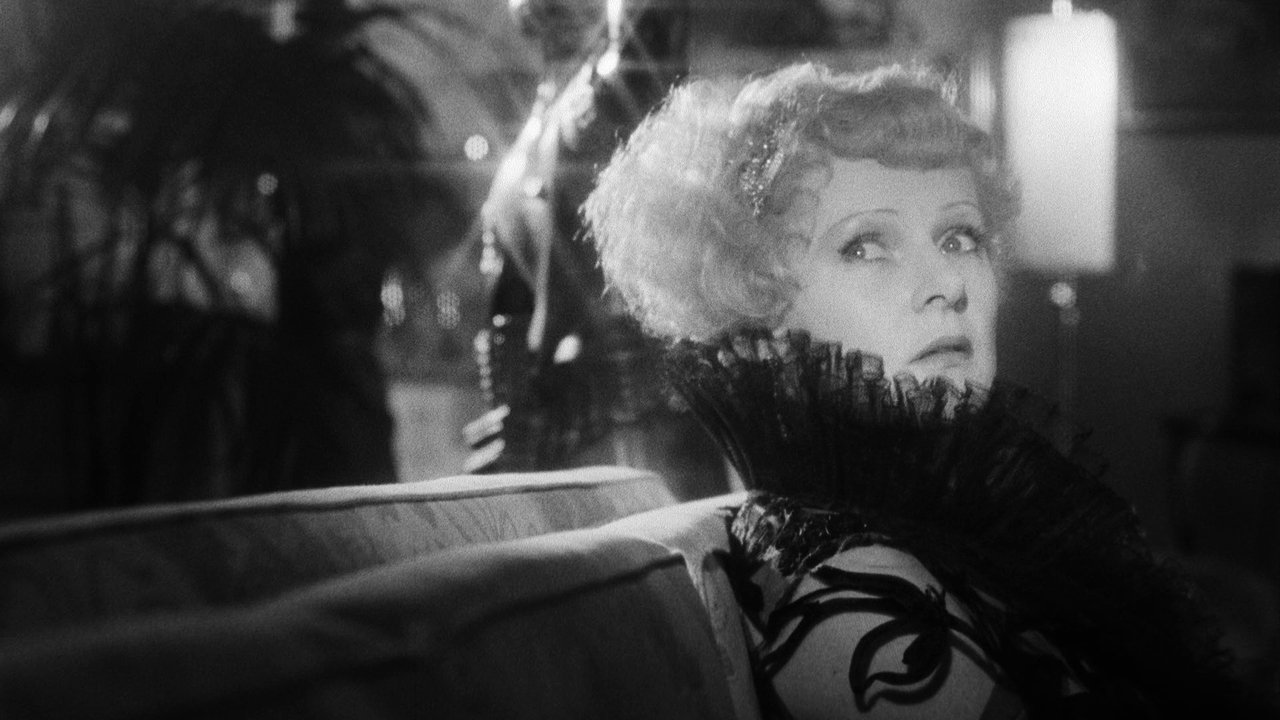
Veronika Voss isn't a feel-good movie; it’s a demanding, sometimes bleak, but ultimately unforgettable piece of cinema. It wrestles with difficult themes – the weight of history, the predatory nature of addiction and those who exploit it, the painful dimming of a once-bright light. Fassbinder’s direction is precise, almost clinical at times, yet deeply empathetic towards his fallen star. The film asks us to look, unflinchingly, at the darkness that can lie beneath a glamorous surface. What does it mean to remember, and what happens when forgetting becomes a means of survival, or worse, a tool of control?
Rating: 9/10
This near-perfect score reflects the film's artistic brilliance, its powerhouse central performance, and its lasting thematic resonance. It's a challenging but profoundly rewarding watch. While not a typical 'comfort viewing' VHS pull, Veronika Voss exemplifies the depth and artistry that could be found tucked away on rental shelves, offering a stark, beautifully crafted look into the shadows that linger long after the screen fades to black. A haunting masterpiece that stays with you.