It hits you right from the start, doesn't it? That stark, almost suffocating sense of order in Jake VanDorn's world. The crisp Michigan air, the rigid lines of Calvinist faith, the quiet certainty of a life built on unwavering principles. Then, like a crack spiderwebbing across pristine glass, that certainty shatters. Watching Paul Schrader's Hardcore again, decades after first encountering its unsettling power on a worn VHS tape, the initial shock remains potent, maybe even more so now, filtered through the lens of time. It’s a film that doesn't just depict a descent; it forces you to feel every agonizing step downwards.

### A Father's Nightmare, A Nation's Shadow
The premise is deceptively simple, yet terrifyingly primal. George C. Scott plays Jake VanDorn, a successful, deeply religious furniture manufacturer from Grand Rapids. His world implodes when his teenage daughter, Kristen, disappears during a church youth trip to California. The nightmare deepens exponentially when a scuzzy private investigator shows him a stag film, revealing Kristen trapped within the exploitative labyrinth of the late-70s underground pornography industry. What follows isn't a typical rescue mission; it's one man's harrowing pilgrimage into a neon-lit hell, a world utterly alien and repellent to his very core.
Schrader, drawing heavily from his own strict Calvinist upbringing – a background that famously informed his screenplay for Taxi Driver – doesn't just tell a story; he conducts a theological and moral autopsy. The contrast between the repressed, orderly world Jake leaves behind and the chaotic, transactional mire he enters is staggering. Schrader reportedly immersed himself in research, visiting sets and speaking with industry figures, lending the film's depiction of the L.A. porn scene a grim, unvarnished authenticity that feels worlds away from glossy Hollywood thrillers. This wasn't just exploitation cinema; it felt like ethnography from the abyss.

### The Unflinching Gaze of George C. Scott
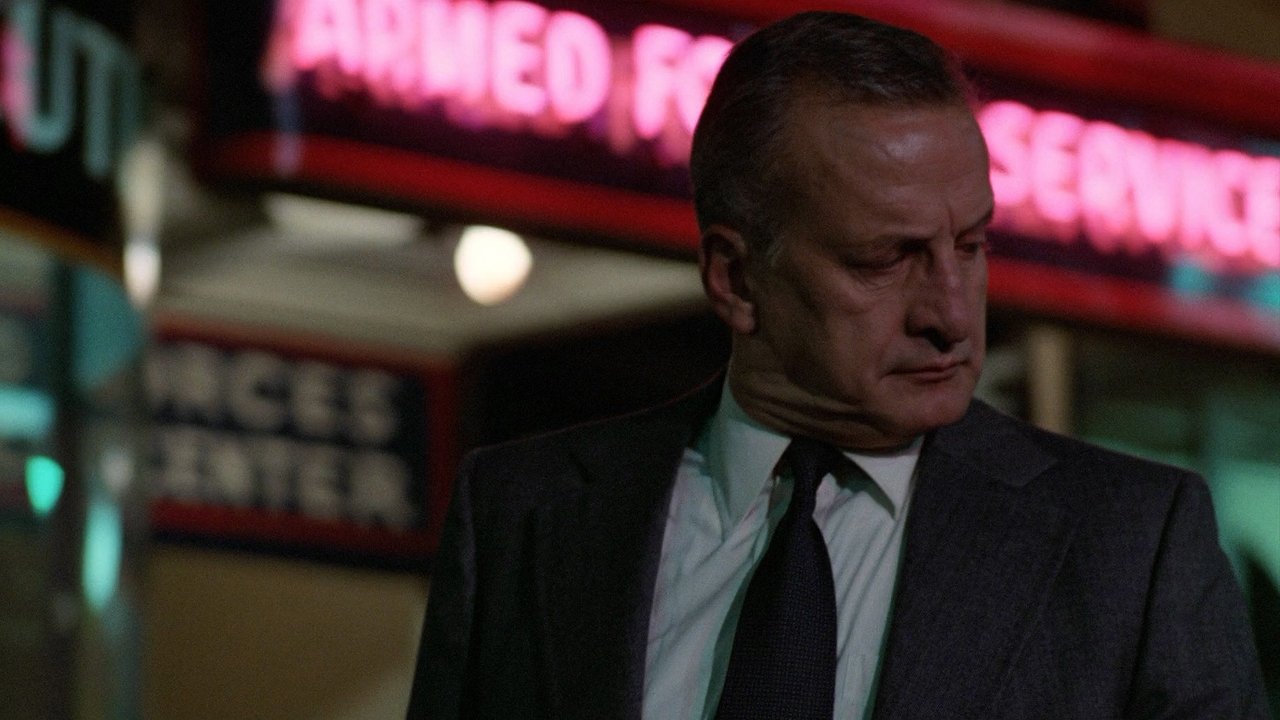
At the heart of this storm stands George C. Scott, delivering a performance of monumental gravity. Forget the booming Patton; here, Scott internalizes Jake's agony, his face a mask of controlled fury barely concealing a soul cracking under pressure. You see the disgust flicker in his eyes as he navigates peep shows and back alleys, the profound shame warring with fierce paternal desperation. His Jake is a man stripped bare, forced to confront not only the darkness infecting his daughter's life but the potential darkness and hypocrisy within his own rigid belief system. It's a performance built on nuance as much as power – the slight tremble in his hand, the way his voice tightens, the sheer weight he carries in his posture. It's a testament to his immense talent that a role demanding such raw vulnerability feels so utterly commanding. It’s frankly baffling he wasn’t nominated for an Oscar for this, though he was recognized the following year for The Changeling.
Supporting players add crucial texture. Peter Boyle, as cynical P.I. Andy Mast, provides a weary counterpoint to Jake's moral outrage, a guide through this inferno who has seen it all and expects the worst. And Season Hubley as Niki, a young woman working in the industry who becomes Jake’s reluctant ally, offers a sliver of humanity amidst the degradation. Her character forces Jake – and us – to see beyond the labels, to recognize the individual caught in the machinery.

### Schrader's Grim Poetry
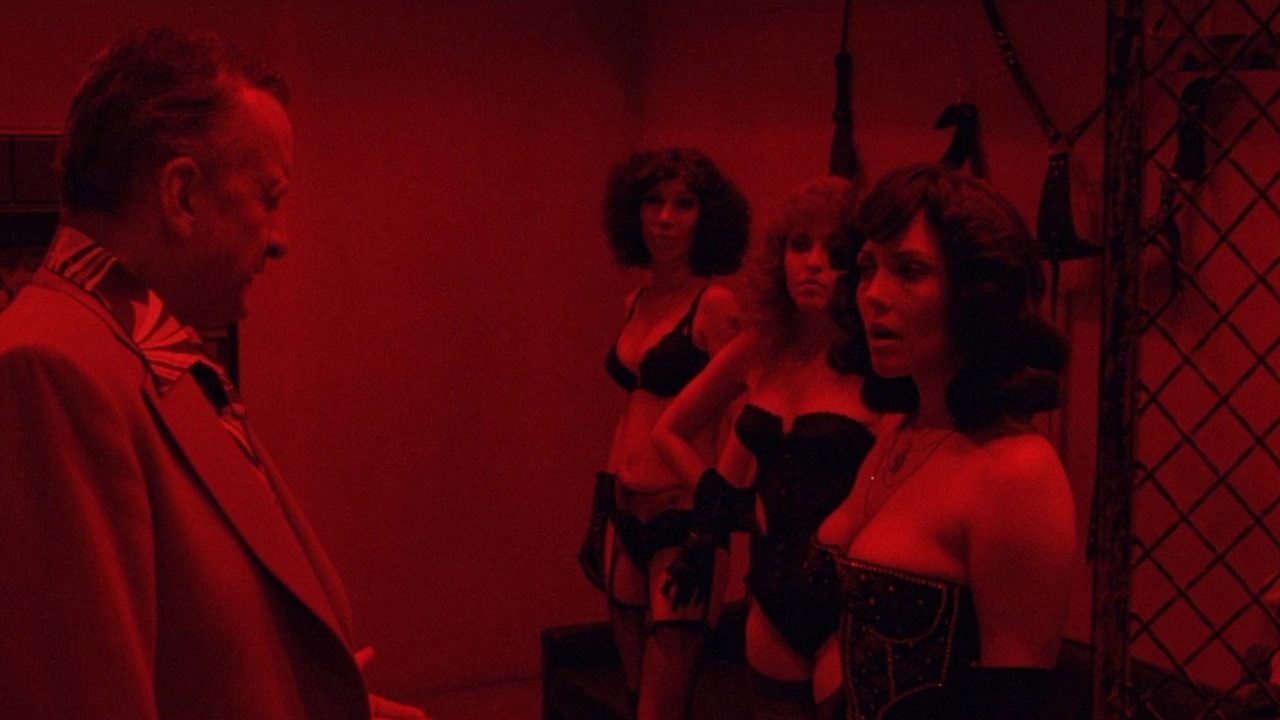
Paul Schrader directs with a kind of detached intensity. There's little visual flourish for its own sake; the camera often observes, holding steady on uncomfortable scenes, mirroring Jake's own horrified gaze. The colour palette shifts from the muted tones of Michigan to the garish neons and deep shadows of California, visually reinforcing the moral disorientation. The film cost around $5 million to make back in '79 (about $20 million today), and it managed a respectable $18.8 million gross ($77 million adjusted), suggesting its uncomfortable themes struck a nerve despite Columbia Pictures' initial reported nervousness about the subject matter. It wasn't an easy sell, then or now. Finding this on the rental shelf, perhaps sandwiched between a goofy comedy and a sci-fi adventure, must have been quite the jolt for unsuspecting viewers back in the day.
It’s the questions Schrader forces us to grapple with that truly linger. How far would you go for your child? What happens when deeply held beliefs collide violently with brutal reality? Is there redemption possible in a world seemingly devoid of grace? Hardcore offers no easy answers, no triumphant climax where virtue cleanly vanquishes vice. The ending is ambiguous, unsettling, leaving Jake fundamentally changed, perhaps broken, by his ordeal.
### Lasting Impact
Hardcore remains a challenging, deeply uncomfortable film. It's not something you watch for escapism; it's something you experience, something that probes sensitive areas with unflinching honesty. It’s a potent example of late-70s American filmmaking tackling difficult subjects head-on, a neo-noir steeped in moral ambiguity and societal critique. Scott's central performance is simply unforgettable, a masterclass in contained power and emotional devastation.
Rating: 8.5/10
Justification: While undeniably bleak and challenging, Hardcore is a masterfully crafted character study anchored by one of George C. Scott's most powerful performances. Paul Schrader's direction is focused and unflinching, creating a palpable sense of dread and moral conflict. Its willingness to explore dark themes with nuance and avoid easy resolutions makes it a significant, albeit difficult, piece of late-70s cinema. The slight deduction reflects its inherently niche appeal and unrelentingly grim tone, which isn't for everyone.
Final Thought: Decades later, Hardcore still feels dangerous, a stark reminder from the VHS vaults that sometimes the most terrifying journeys aren't into outer space, but into the darkest corners of the human heart and the society we build. What compromises lie dormant within us until desperation calls?