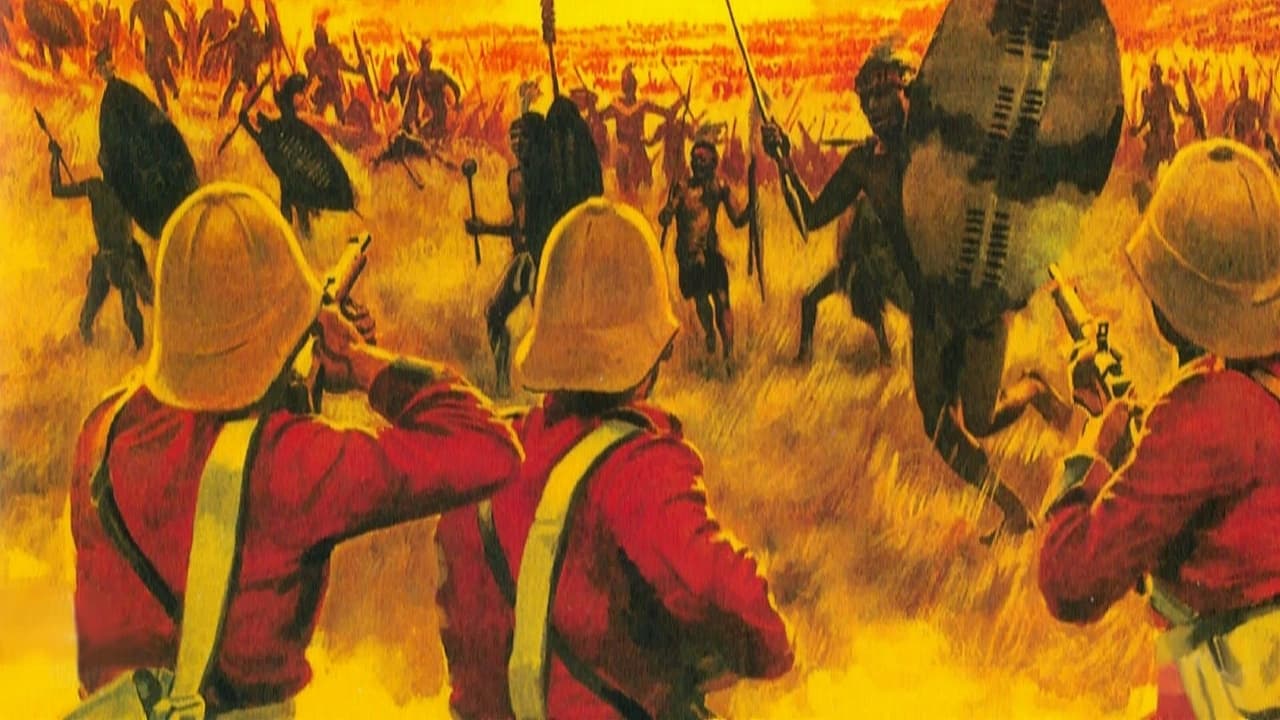
It’s a strange thing, isn't it, how some historical moments lodge themselves in the collective imagination, often filtered through the lens of improbable heroism? We remember Rorke's Drift, immortalized in the stirring 1964 classic Zulu. But what about the prelude to that desperate stand? What about the day the seemingly invincible British war machine suffered one of its most catastrophic defeats? Zulu Dawn (1979) forces us to confront that brutal reality, shifting the focus from heroic defiance to the chilling anatomy of a disaster. It's the story before the story, and it carries a weight all its own.
The Arrogance Before the Fall
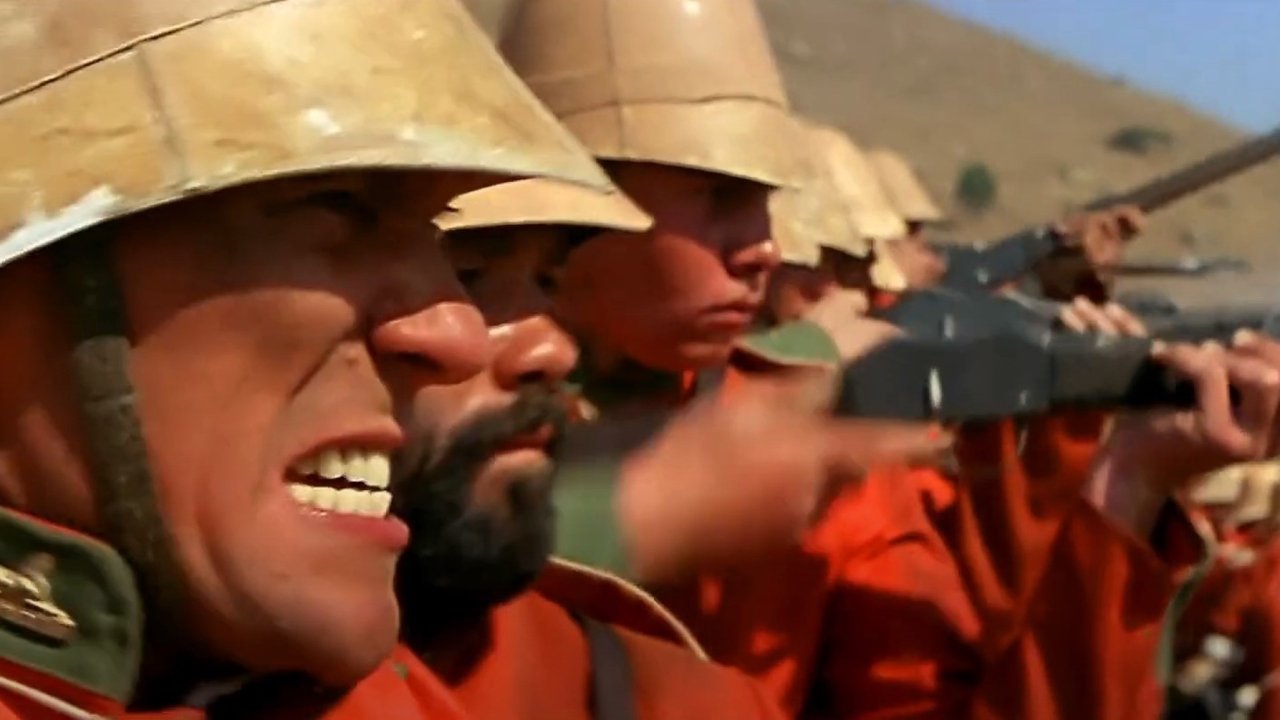
Directed by Douglas Hickox, who gave us the deliciously macabre Theatre of Blood (1973), Zulu Dawn serves as a prequel penned in part by Cy Endfield, the writer and director of the original Zulu. Where its predecessor found heroism in the face of overwhelming odds, this film meticulously details the hubris, miscalculations, and logistical nightmares that led to the Battle of Isandlwana. The narrative patiently unfolds the British invasion of Zululand in January 1879, led by Lieutenant General Lord Chelmsford (Peter O'Toole). There’s an almost palpable sense of confidence, bordering on arrogance, amongst the command staff – a belief in the inherent superiority of British discipline and firepower against what they perceive as a poorly equipped native force. This slow burn, the meticulous depiction of setting up camp, splitting forces, and underestimating the enemy, creates a suffocating sense of dramatic irony. We know what's coming, even if they don't, and watching the pieces fall into place is both fascinating and deeply unsettling.
Titans Amidst the Dust
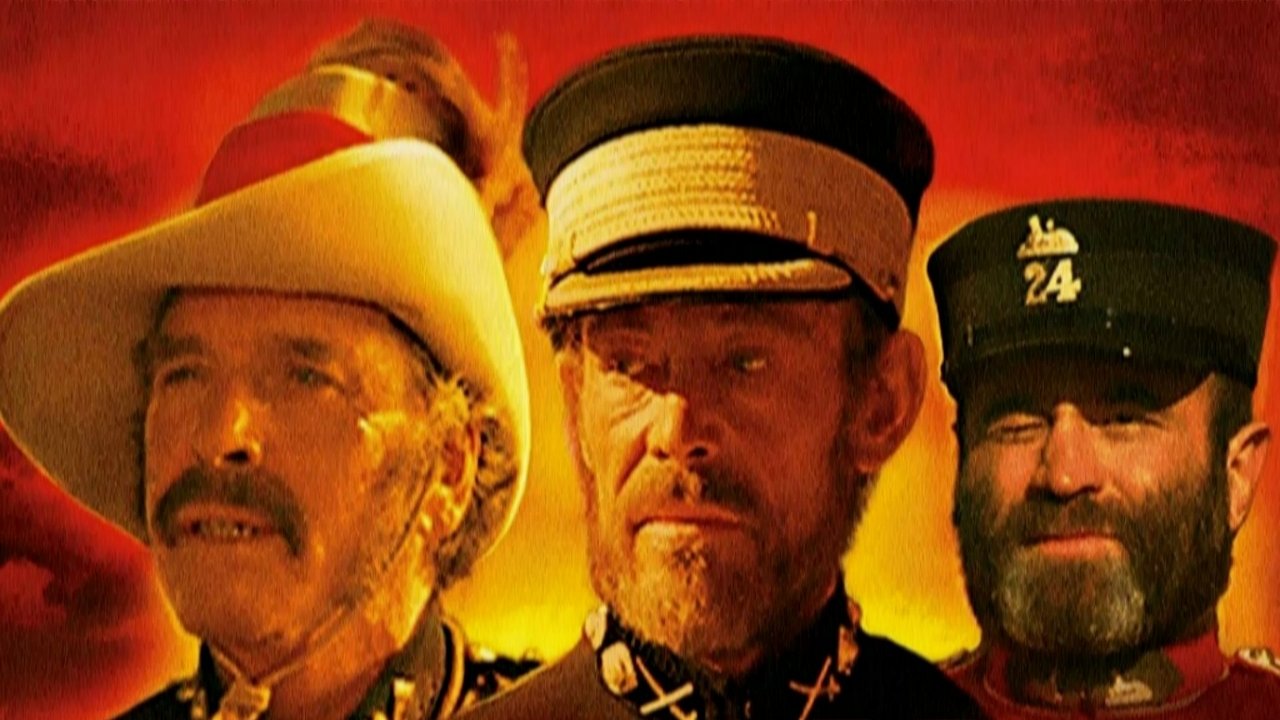
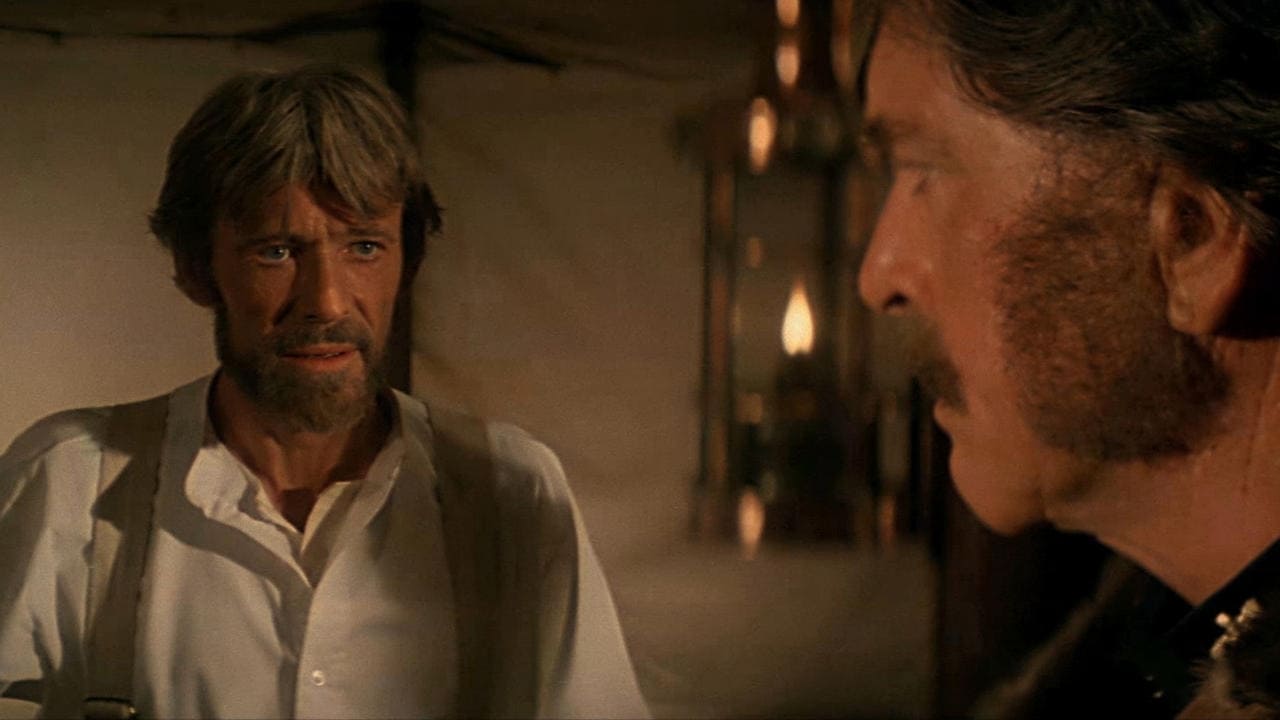
The casting is remarkable, bringing heavyweight talent to bear on this historical canvas. Peter O'Toole, fresh off memorable roles like in The Stunt Man (though released later, filmed earlier), embodies Chelmsford not as a caricature of incompetence, but as a man constrained by Victorian military doctrine and perhaps his own ambition, making fatal errors in judgment. His portrayal is tinged with a tragic quality, a leader utterly unprepared for the reality of his opponent. Then there's Burt Lancaster as Colonel Anthony Durnford, a respected figure more attuned to the landscape and the Zulu capabilities. Lancaster brings his customary gravitas, portraying Durnford as a voice of reason often ignored, his rugged presence contrasting sharply with the stiff formality of the central command. Their scenes together crackle with the tension of conflicting perspectives and foreshadowed doom. Supporting players like Simon Ward (who played Churchill in Young Winston) as Lt. William Vereker and Denholm Elliott as Colonel Pulleine add layers of humanity, representing the officers and men caught in the gears of unfolding catastrophe. It's the subtle glances, the stiff upper lips barely concealing doubt, that make these performances resonate – capturing the human cost of command decisions.
Scale and Spectacle: A Production Feat
Watching Zulu Dawn today, especially if you first encountered it on a fuzzy VHS tape rented from the local video store (remember those oversized double-cassette boxes some epics came in?), its sheer scale remains impressive. Filmed on location in South Africa, often near the actual historical sites, the production employed thousands of Zulu extras, lending an undeniable authenticity to the proceedings. You can almost feel the heat rising from the plains, see the dust kicked up by marching boots and galloping horses. Reportedly, coordinating and costuming these vast numbers was a monumental task, mirroring the logistical challenges faced by the British forces themselves. The budget was significant for its time – around $11.5 million – yet the film sadly failed to recoup its costs at the box office, making only around $1.9 million. Perhaps audiences weren't ready for such a stark portrayal of imperial failure after the triumphant narrative of Zulu. It certainly ensures this ambitious historical epic remains something of an underrated gem on the dusty shelves of VHS Heaven.
The Brutal Reality of Isandlwana
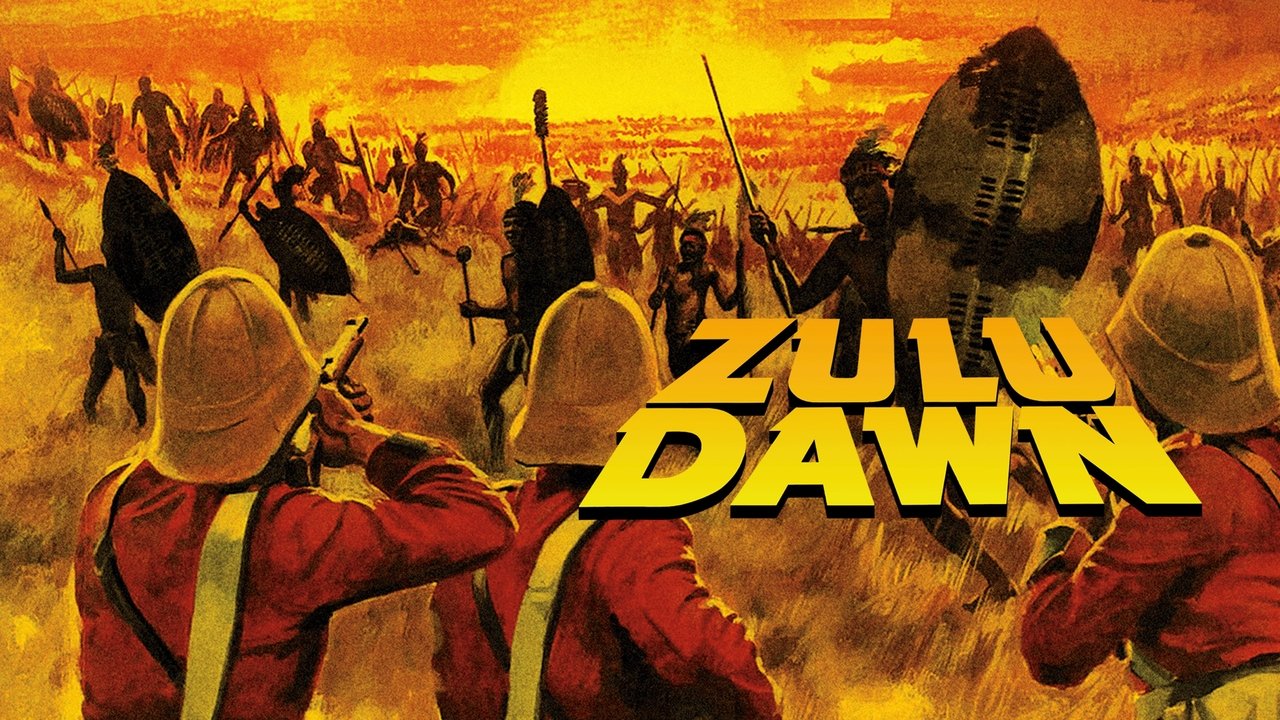
Where Zulu Dawn truly distinguishes itself is in its unflinching depiction of the battle itself. There’s no glorious last stand here (that comes later, at Rorke's Drift). Instead, Hickox presents chaos, confusion, and ultimately, slaughter. The iconic red lines of British infantry, so effective in European warfare, are simply overwhelmed by the sheer speed, numbers, and disciplined tactics of the Zulu impi. The film doesn't shy away from the brutality – the desperate hand-to-hand fighting, the failure of ammunition supplies (a historically debated but dramatically potent element here), the dawning horror on the faces of soldiers realizing their doom. Seeing the Martini-Henry rifles rendered ineffective, the cavalry struggling in broken terrain, the devastating effectiveness of the Zulu "horns of the buffalo" attack formation – it’s a powerful and sobering counterpoint to the heroic myths often surrounding colonial warfare. It asks uncomfortable questions about the cost of empire and the dangers of underestimating any opponent. Doesn't that resonate even today, in different contexts?
A Necessary Counterpoint
Zulu Dawn might lack the tight, focused narrative and iconic moments of Zulu, and some viewers might find its pacing deliberate, especially in the first half. But its value lies in providing essential context, in showing the devastating defeat that made the subsequent defence of Rorke's Drift so astonishing. It’s a film about failure, about the consequences of arrogance, and about the humanity lost on both sides of a conflict driven by imperial ambition. The performances are uniformly strong, the sense of place is palpable, and the final battle sequence is a truly harrowing piece of filmmaking. It might not be the feel-good adventure its predecessor was, but it offers a vital, more complex perspective on a pivotal historical moment.
Rating: 8/10
This score reflects the film's impressive scale, strong performances, historical integrity, and its courage in depicting a military disaster without flinching. While perhaps less immediately iconic than Zulu, its ambition and the sheer power of its climactic battle sequence earn it significant respect. It’s a necessary, if grim, companion piece.
Zulu Dawn remains a potent and thought-provoking historical epic, a film that lingers long after the credits roll, forcing us to consider the less celebrated, more uncomfortable truths behind the legends. What stays with you most is perhaps the chilling silence after the chaos, the vast landscape indifferent to the human folly it just witnessed.